The $6.99 Fix for Gamepad API Fingerprinting Tracker Leaks
Gamepad API fingerprinting is a specialized browser tracking method that queries navigator.getGamepads() to harvest hardware details about connected USB game controllers, flight joysticks, VR peripherals, and custom HID devices. By reading unique USB Vendor IDs (VID), Product IDs (PID), button layouts, and axis mapping arrays without requesting user permission, tracking scripts generate high-entropy hardware signatures that track users across web sessions and unmask multi-account browser setups.

What Is the Gamepad API and Why Does It Leak Hardware Data?
The Gamepad API was introduced to HTML5 to allow web developers to build immersive web-based video games, WebXR virtual reality experiences, and browser-based emulators. Through standard JavaScript methods, web applications detect input from controllers such as Microsoft Xbox pads, Sony DualSense controllers, Nintendo Switch Pro controllers, HOTAS flight sticks, sim racing wheels, and custom arcade boards.
To enable seamless plug-and-play gaming, browser vendors designed the Gamepad API to operate without requesting explicit permission from the user. Any web page you visit can execute `navigator.getGamepads()` in JavaScript to inspect currently connected input hardware.
When a controller is plugged into your device, the browser creates a Gamepad object exposing several properties:
id: A descriptive string containing the controller’s human-readable name, USB Vendor ID (VID), and USB Product ID (PID).index: The physical port index position assigned by the operating system.mapping: Indicates whether the controller uses a standard layout (`”standard”`) or a custom vendor driver mapping (`””`).buttons: An array of button state objects representing digital buttons, triggers, and pressure sensitivities.axes: An array of floating-point numbers representing analog thumbstick positions, throttle levers, and rudders.vibrationActuator: Details regarding haptic feedback motors and rumble features.
To visualize how easily tracking scripts capture this hardware data, consider the following JavaScript snippet commonly embedded in security and telemetry tools:
// Script querying connected USB gamepads for hardware fingerprinting
function auditGamepadFingerprint() {
    const gamepads = navigator.getGamepads ? navigator.getGamepads() : [];
    const connectedDevices = [];

    for (let i = 0; i < gamepads.length; i++) {
        const gp = gamepads[i];
        if (gp) {
            connectedDevices.push({
                index: gp.index,
                id: gp.id,
                mapping: gp.mapping,
                buttonCount: gp.buttons.length,
                axisCount: gp.axes.length,
                hasVibration: !!gp.vibrationActuator
            });
        }
    }

    return {
        totalGamepads: connectedDevices.length,
        devices: connectedDevices
    };
}

// Event listener fires as soon as a button is pressed or page polls hardware
window.addEventListener("gamepadconnected", (e) => {
    console.log("Gamepad fingerprint captured:", auditGamepadFingerprint());
});
When evaluated alongside broader privacy concepts such as a browser fingerprint explained across security frameworks, gamepad API data provides tracking scripts with a distinct hardware hardware anchor that operates completely independent of cookies or browser storage.
The Mechanics of Gamepad API Fingerprinting: USB VIDs, PIDs, and Mapping Arrays
Gamepad API fingerprinting derives its high tracking uniqueness (entropy) from the specific formatting and structural variance of hardware identifier strings across operating systems and browser engines.
1. USB Vendor ID (VID) and Product ID (PID) Extraction
When an operating system detects a USB human interface device (HID), it reads hexadecimal Vendor ID and Product ID values embedded in the device firmware. Chromium, Firefox, and Safari format these IDs into the Gamepad.id string differently across operating systems:
- Windows (Chromium):
"Xbox 360 Controller (STANDARD GAMEPAD Vendor: 045e Product: 028e)" - macOS (Safari / Chrome):
"054c-0ce6-DualSense Wireless Controller" - Linux (Firefox):
"08f0:0008 Multi-Axis Joystick / HOTAS Throttle"
Because USB VIDs and PIDs map directly to specific hardware manufacturers (e.g., 045e for Microsoft, 054c for Sony, 046d for Logitech, 044f for Thrustmaster), tracking scripts instantly know the precise make and model of your connected accessories.
2. Button and Axis Count Combinations
Standard Xbox and PlayStation controllers feature 16 buttons and 4 analog axes. However, specialized flight sticks, racing wheels, macro keypads, and VR controllers feature non-standard button arrays. A HOTAS flight throttle might report 32 discrete buttons and 8 analog axes, while a custom sim-racing pedal set might report 3 axes and 0 buttons.
The table below summarizes key Gamepad API attributes and their relative contribution to fingerprinting entropy:
| Gamepad API Attribute | Data Type | Fingerprint Entropy Level | Information Exposed |
|---|---|---|---|
| Gamepad.id | String | High | USB Vendor ID, Product ID, device model name, OS driver string. |
| buttons.length | Integer | Medium | Exact count of physical/virtual buttons on the connected HID device. |
| axes.length | Integer | Medium | Number of analog sticks, throttles, rudders, or rotary dials. |
| mapping | String | Low-Medium | Indicates standard HTML5 mapping vs. custom vendor driver mapping. |
| vibrationActuator | Object | Medium | Haptic motor type, dual-rumble support, trigger force feedback APIs. |
| Multi-Device Array | Array | Very High | Exact combination of multiple connected gamepads/flight sticks simultaneously. |
3. Multi-Device Peripheral Stacks
Fingerprinting uniqueness increases exponentially when users connect multiple peripherals simultaneously. An enthusiast setup featuring a flight joystick, a throttle Quadrant, rudder pedals, and a wireless gamepad exposes a combination of four distinct USB hardware devices. The mathematical probability of another internet user sharing that exact same multi-device HID stack on the same operating system is extraordinarily low.
Why Gamepad API Fingerprinting Is a Severe Privacy and Fraud Risk
Most internet users understand that websites track them via cookies, local storage, or IP addresses. However, hardware-level fingerprinting through input APIs introduces unique security concerns that bypass conventional privacy tools.
Key risks associated with gamepad api fingerprinting include:
1. Cross-Session and Incognito Persistence
Clearing your browser cache, deleting tracking cookies, or opening a private incognito window has zero effect on the Gamepad API. As long as your physical controller remains plugged into your computer’s USB port, the browser will continue reporting the exact same hardware ID string. Tracking companies can easily link your incognito browsing session back to your primary profile.
2. Cross-Browser Tracking
If you use Google Chrome for work and Firefox for personal browsing, both browsers access the same underlying operating system hardware drivers. Because the physical USB controllers remain identical, a tracking network deployed across both browsers can correlate your physical identity across distinct browser installations, compromising your goal of anonymous browsing.
3. Zero Permission Prompts
Unlike geolocation requests, camera access, or microphone permissions, browsers do not ask for user permission before exposing controller details to JavaScript. Tracking scripts run invisibly in the background as soon as you visit a site or interact with the page.
How Anti-Bot & Anti-Fraud Engines Use Gamepad Hardware Signatures
Enterprise anti-bot and fraud detection solutions (including DataDome, Cloudflare, Akamai, and specialized banking risk engines) leverage hardware API monitoring to identify automated bots, proxy networks, and multi-account operations.
Anti-fraud systems analyze gamepad data using several sophisticated techniques:
1. Identifying Sybil Networks and Account Farms
If an operator attempts to manage 50 different social media, e-commerce, or crypto accounts using standard browsers on a single workstation, all 50 profiles will broadcast the exact same gamepad hardware signature. When a fraud prevention system sees dozens of distinct user profiles originating from different proxies but sharing an identical HOTAS flight stick USB signature, it marks all associated accounts as part of a coordinated Sybil farm.
2. Detecting Synthetic vs. Real User Environments
Virtual machines (VMs) and headless automation scripts often report empty gamepad arrays (`navigator.getGamepads()` returns `[null, null, null, null]`). However, if an automated script attempts to fake human interaction by injecting a synthetic Gamepad object, fraud engines test for missing low-level events or improper button state structures, instantly flagging the bot.
3. Correlating Peripheral Signatures with User Behaviors
Risk engines build composite identity risk scores by cross-referencing gamepad signatures with canvas hashes, WebGL graphics drivers, audio context parameters, and IP geolocations. Maintaining online privacy and safe browsing hygiene requires isolating every hardware layer across your browsing sessions.
Methods to Block or Spoof Gamepad Fingerprinting (and Their Pitfalls)
To protect against gamepad hardware tracking, users often attempt various workaround strategies. However, naive blocking techniques frequently introduce new privacy vulnerabilities.
Here is an evaluation of common mitigation methods:
1. Physically Unplugging Controllers
Unplugging all USB gamepads, flight sticks, and custom HID hardware when not gaming is a 100% effective way to prevent controller tracking. However, this is highly inconvenient for users who keep flight peripherals or sim equipment permanently mounted to their desks. Furthermore, it does not solve fingerprinting risks caused by other hardware APIs (like WebGL or WebAudio).
2. Disabling the Gamepad API in Browser Configuration
In Mozilla Firefox, users can set dom.gamepad.enabled to false in about:config. While this prevents websites from querying `navigator.getGamepads()`, advanced security scripts check whether `navigator.getGamepads` is undefined. Because standard desktop browsers support the Gamepad API by default, completely removing the API method creates a rare browser signature that marks your profile for anti-fingerprint detection.
3. Naive Extension Spoofing Scripts
Installing basic browser extensions that overwrite `navigator.getGamepads()` with dummy arrays often fails. Anti-bot scripts detect when `getGamepads` has been wrapped or overridden by checking function prototype integrity (`Function.prototype.toString()`). If the script detects function modification, it flags the profile for active tampering.
How Send.win Protects Your Browser Identity from Hardware API Tracking
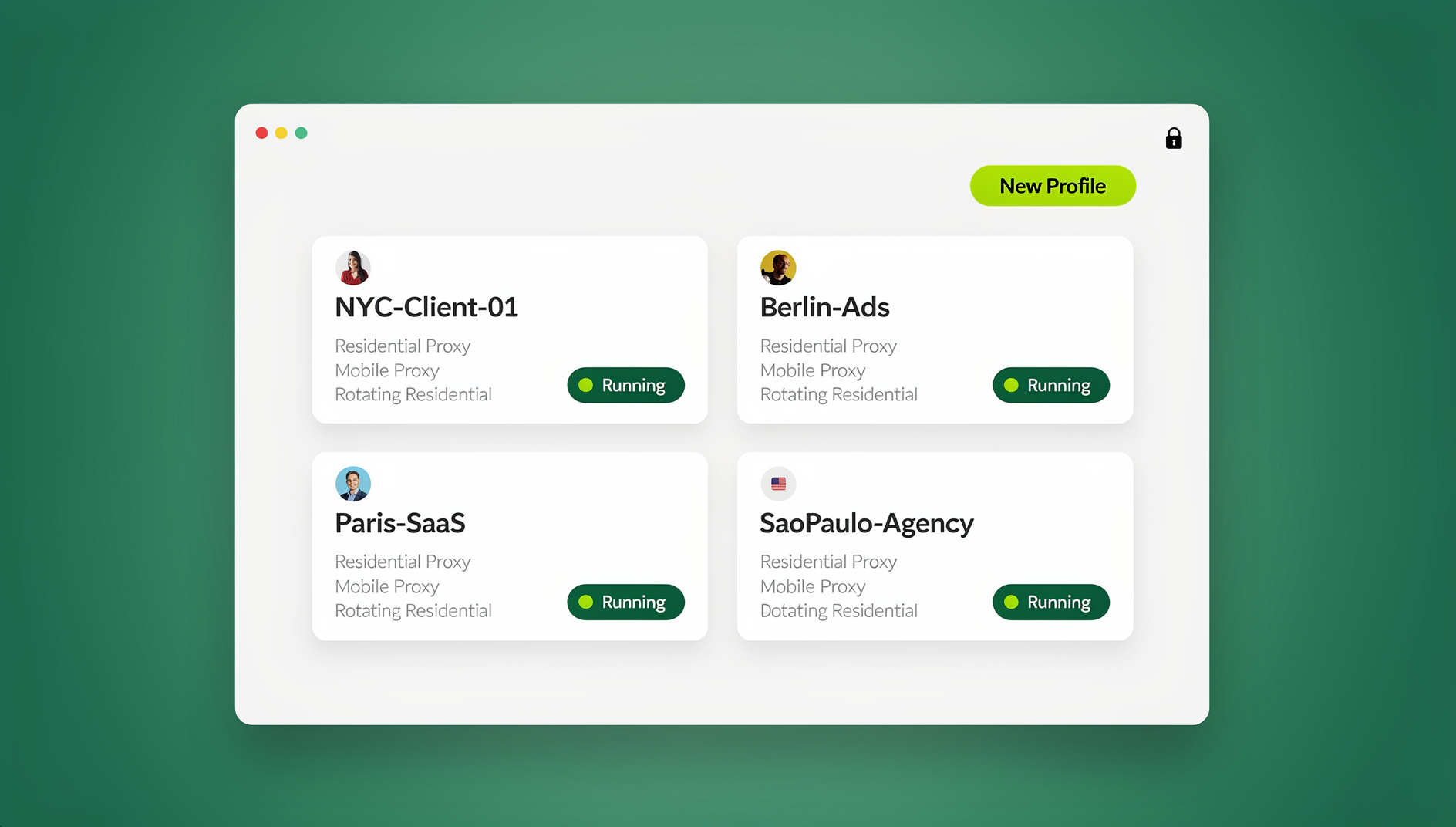
Send.win provides a comprehensive anti-detect solution engineered to prevent hardware-level tracking while maintaining authentic browser behavior. Rather than using fragile extension overlays, Send.win integrates device management directly into its browser container architecture.
Send.win protects your digital privacy through several advanced mechanisms:
1. Isolated Hardware API Environments per Profile
In Send.win, every browser profile operates inside a completely isolated container. The Gamepad API, WebGL renderer, AudioContext, Canvas 2D engine, and WebRTC stack are independently managed for each profile. If physical controllers are plugged into your host computer, Send.win prevents hardware data from leaking into profiles where device visibility is disabled.
2. Authentic Hardware Profile Synchronization
When you create a Send.win profile, all hardware attributes are harmonized. If a profile is configured as a mobile environment or clean corporate workstation, Send.win ensures that hardware API responses naturally match that device type. There are no structural contradictions between User-Agent headers, CPU core counts, device memory, and peripheral capabilities.
3. Desktop App and Cloud Browser Flexibility
Send.win supports two distinct operational workflows to match your operational preferences:
- Sendwin Browser (Native Desktop App): A native Windows, macOS, and Linux application delivering full local profile management, advanced proxy configuration, and low-latency performance.
- Cloud Browser Sessions: Run browser profiles directly inside high-performance cloud environments without installing local software. Cloud browser sessions operate entirely isolated from your local computer’s physical USB peripherals, eliminating physical hardware leaks by default.
Automate Gamepad Api Fingerprinting With Send.win
Send.win pairs isolated, fingerprint-managed browser profiles with a full Automation API, so your scripts run in profiles that look and behave like real, separate users:
- Selenium, Puppeteer & Playwright support – drive any profile programmatically (Team plan)
- Isolated profiles – each with its own fingerprint, cookies, and storage
- Built-in residential proxies – with automatic timezone, locale, and WebRTC matching
- Desktop app for Windows, macOS & Linux – plus cloud sessions when you don’t want a local install
Try the instant cloud browser demo — no install, straight from your browser. Then compare plans: a 30-day free trial with no credit card, and paid plans from $6.99/month billed annually.
4. Automation API for Selenium, Puppeteer, and Playwright
For developers automating web workflows, Send.win includes full Automation API integration available on both Pro ($19/mo, or $6.99/mo annual) and Team ($49/mo, or $20.99/mo annual) plans. You can programmatically launch hundreds of isolated profiles, automate form fills, and control browser sessions via Playwright, Puppeteer, or Selenium without exposing physical hardware footprints.
For detailed guidance on structuring multi-profile workflows, review our guide on session isolation.
Best Practices for Audit and Device Isolation
Follow these essential guidelines to audit your browser environment and eliminate hardware fingerprinting vulnerabilities:
- Audit Your Connected USB Peripherals: Regularly check what USB controllers, drawing tablets, or custom HID devices are plugged into your workstation.
- Use Separate Profiles for Different Persona Accounts: Never run multiple commercial or personal accounts inside a standard browser instance where connected hardware is visible across all tabs.
- Avoid Naive Overrides: Do not rely on basic script injectors that delete `navigator.getGamepads`. Use authentic profile isolation platforms like Send.win.
- Combine Hardware Isolation with Proxy Hygiene: Ensure each isolated profile is paired with a high-quality residential proxy matching the target account’s geographic location.
- Verify Profile Fingerprints: Test your browser setups on diagnostic sites like Browserleaks or CreepJS to ensure no hardware leaks occur before accessing critical accounts.
🏆 Send.win Verdict
Gamepad API fingerprinting allows websites to silently harvest USB hardware identifiers without user consent, creating a persistent tracking vector that survives cookie clearing and incognito modes. Send.win neutralizes hardware tracking by providing authentic profile isolation across both desktop and cloud browser environments.
Try Send.win free today — take advantage of our 30-day free trial with no credit card required and safeguard your browser identities from hardware-level tracking.
Frequently Asked Questions
What is Gamepad API fingerprinting?
Gamepad API fingerprinting is a browser tracking technique where scripts query JavaScript’s navigator.getGamepads() method to collect USB Vendor IDs, Product IDs, hardware device names, and button/axis mapping arrays from connected game controllers or joysticks.
Do websites need my permission to read connected controllers?
No. Standard web browsers do not prompt users for permission before granting web pages access to the Gamepad API. Any website can query connected gamepads in the background as soon as you open a page or press a button.
Does unplugging my controller stop Gamepad API tracking?
Yes. If no gamepads or joysticks are physically connected to your system, `navigator.getGamepads()` returns an array of null values. However, unplugging peripherals does not protect against other hardware fingerprinting vectors such as WebGL, WebAudio, or Canvas tracking.
Can Gamepad API fingerprinting track me in incognito mode?
Yes. Incognito and private browsing modes isolate cookies, local storage, and history, but they leave hardware APIs active. Because your connected USB controller remains plugged into your computer, the exact same hardware ID string is exposed in incognito mode.
Why is Gamepad API fingerprinting dangerous for multi-account managers?
If you manage multiple online accounts using standard browser tabs, all profiles share access to the same physical USB controllers. Anti-fraud systems detect when dozens of different accounts broadcast the identical gamepad hardware signature, flagging them as a coordinated account farm.
How does Send.win prevent Gamepad API leaks?
Send.win isolates hardware APIs within separate browser profile containers. Each profile presents a controlled, consistent hardware signature without exposing your host machine’s physical USB peripherals to tracking scripts.
Are Cloud Browser Sessions immune to local gamepad leaks?
Yes. Send.win Cloud Browser Sessions run profiles inside remote cloud environments. Because the browser instance executes in the cloud, it has zero access to your physical computer’s USB ports, completely eliminating local gamepad hardware leaks.
Can I automate Send.win profiles using Selenium or Playwright?
Yes. Send.win provides an Automation API supporting Puppeteer, Selenium, and Playwright across both Pro ($19/mo, or $6.99/mo annual) and Team ($49/mo, or $20.99/mo annual) plans, allowing automated management of isolated hardware profiles.