To successfully handle autotrader account multiple dealership locations management, dealer groups should integrate their Dealer Management System (DMS) with Autotrader’s portal while utilizing isolated browser sessions to run separate dealership rooftop profiles concurrently. This setup routes leads automatically via a unified CRM, maintains individual inventory feeds per physical lot, and ensures staff can manage distinct dealer locations without cookie conflicts or session mix-ups.

The Evolution of Multi-Store Automotive Dealership Operations
In the modern automotive retail landscape, dealer groups are expanding rapidly. Acquiring new franchise locations and operating multiple pre-owned lots under a single corporate brand is the standard path to scaling. However, this growth introduces operational complexity. Managing automotive inventory, digital marketing, and customer leads across multiple locations is a major challenge, especially on high-traffic platforms like Autotrader.
For dealer groups, Autotrader is a primary source of customer leads. Yet, poor coordination across different locations can result in lost leads, inconsistent pricing, duplicate listings, and slow response times, all of which directly impact monthly vehicle sales. Effective management requires a combination of robust system integration, clear staff roles, and the right browser tools to manage multiple digital workspaces simultaneously.
Maintaining clean session boundaries requires a dedicated cookie management tool to keep logins isolated and prevent browser data leakage across location profiles.
The Mechanics of DMS Inventory Synchronization with Autotrader
A dealership’s inventory is dynamic, with vehicles being acquired, detailed, priced, and sold daily. Doing this manually on Autotrader for three or four rooftops is impossible. Modern dealer groups connect their central Dealer Management System (DMS) to Autotrader. This connection relies on automated data mapping rules. Every few hours, the DMS generates data files containing car specifications, pricing, mileage, and vehicle identification numbers (VINs).
For a multi-location group, the DMS must associate each vehicle with a unique Location ID that matches its physical lot. When Autotrader imports this data, it routes the listings to the correct dealership location page. If this association is misconfigured, a vehicle physically parked at Location A might be listed as available at Location B. This frustrates shoppers, leads to wasted visits, and impacts local showroom credibility. Regular audits of DMS mapping protocols are essential for smooth inventory operations.
How Autotrader Structures Multi-Location Dealership Accounts
Autotrader provides several account structures to support multi-location dealership groups. Understanding which option fits your business model is the first step toward optimization:
- Single Account with Multiple Lots: Best for smaller dealer groups (2-5 locations) operating under the same brand name. A single primary login allows access to multiple physical lots, each with its own inventory feed, street address, and local phone number.
- Dealer Group Parent Account: Designed for larger franchise groups. This structure links separate dealership accounts under a master group dashboard. It provides centralized group-wide billing, consolidated reporting, and shared advertising campaigns while maintaining distinct dealership front-ends for consumers.
- Standalone Individual Accounts: Some groups prefer to keep their locations completely separate, especially when managing different franchise brands (e.g., Toyota vs. BMW). While this offers the maximum brand separation, it requires staff to log in and out of different accounts constantly, introducing operational friction.
While some managers rely on a Chrome multi-account setup, standard profiles can leak local device identifiers, which can cause session mix-ups when toggling between location dashboards.
Configuring Advanced Lead Routing Rules in Automotive CRMs
Attracting vehicle buyers online is only half the battle; the leads must be processed quickly. When an Autotrader shopper clicks “Check Availability” or submits a trade-in request, Autotrader generates a lead file in the Automotive Lead Format (ADF) using XML data. This file is sent directly to your dealership’s CRM. In a multi-location setup, your CRM must parse the incoming vehicle metadata and direct the lead to the local BDC (Business Development Center) or sales representative assigned to that lot.
If routing rules are poorly defined, a sales rep at a Chrysler store in Dallas might receive a lead for a Honda hybrid sitting in a Houston dealership, leading to delays and lost conversion opportunities. Implementing geographic fallbacks—directing general or non-vehicle-specific leads to the store closest to the shopper’s zip code—is a proven best practice to maximize lead close rates across rooftops.
DMS and CRM Integration: The Tech Stack for Multi-Store Operations
Managing inventory manually for multiple locations is inefficient and prone to errors. Successful dealer groups connect their Dealer Management System (DMS) and Customer Relationship Management (CRM) tools to Autotrader to automate the workflow.
Automating Inventory Feeds via DMS
A DMS (such as CDK Global, Dealertrack, or Reynolds & Reynolds) acts as the central database for all vehicle inventory. By configuring a direct data feed from your DMS to Autotrader, newly acquired vehicles are automatically listed online, and sold vehicles are removed immediately. For multi-location setups, the DMS must map each vehicle’s unique stock number to the correct physical location ID on Autotrader. This ensures that vehicles are listed under the correct rooftop and consumers see the accurate address and map location.
Automating Lead Routing via CRM
Autotrader generates high-intent leads via phone calls, emails, and chat messages. To prevent leads from getting lost, set up automated routing rules within your CRM (such as VinSolutions or Elead). The CRM should detect the specific vehicle location associated with the lead and route it instantly to the sales staff or Business Development Center (BDC) at that location. Fast response times are critical—leads responded to within five minutes are significantly more likely to convert into dealership appointments.
For running promotional campaigns across different regions, choosing a suitable browser for ads management is essential to ensure ad profiles are run without session crossover.
Browser-Level Management Challenges for Auto Groups
While CRM and DMS integrations handle background data, dealership managers must still interact with the Autotrader dealer portal directly. They log in to update pricing, highlight featured listings, respond to messages, and view performance reports. This is where browser limitations create issues.
Logging into different Autotrader accounts, regional Google Business profiles, and local Facebook ad dashboards using standard browsers often leads to session conflicts. Logging into Location A’s portal frequently signs you out of Location B. Furthermore, standard browsers share cookies and tracking data, which can result in display errors or mixed reporting metrics.
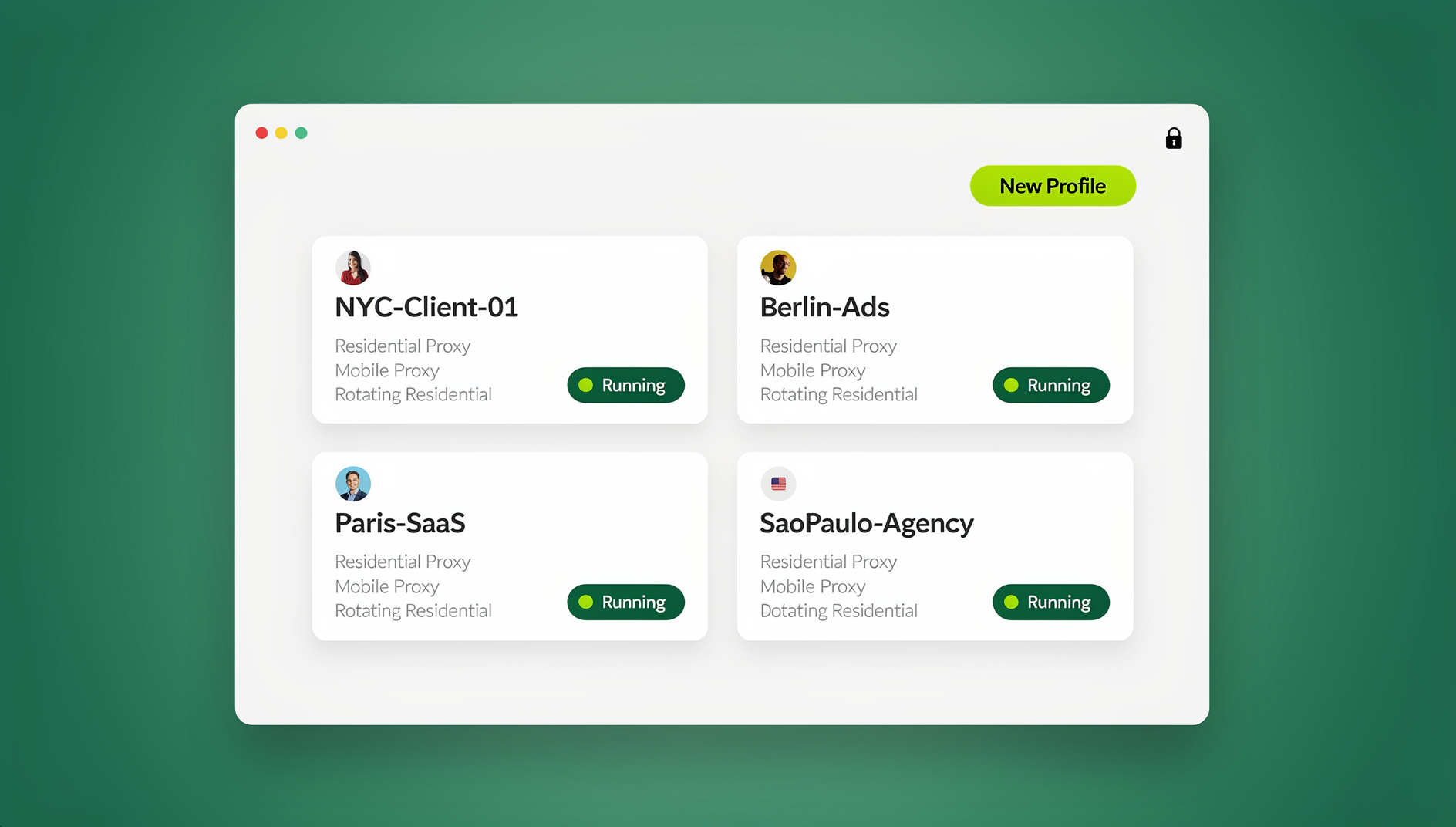
To overcome these challenges, automotive group managers use Send.win. By isolating each location’s session within a sandboxed profile, managers can open multiple Autotrader and CRM tabs side-by-side without interference. This level of location isolation is comparable to running multiple Amazon accounts, where separate business identities must never mix.
Send.win supports two main modes of operation:
- Sendwin Browser (the desktop app): A native client for Windows and macOS, allowing dealership managers to launch and organize unlimited isolated profiles locally. This is the primary desktop client mode.
- Cloud Browser Sessions: Sandboxed browser sessions hosted in the cloud, allowing managers to log in and update inventory from any device (laptop, tablet, or home computer) without installing software.
The Role of Location Isolation in Local Search Engine Optimization (SEO)
Local SEO is a powerful driver of foot traffic for automotive dealerships. Each physical lot must maintain its own Google Business Profile, local Yelp page, and location pages on the main dealership website. When managing these assets, digital marketing teams frequently switch between local Google profiles and local Facebook business managers. If you manage multiple locations from a standard browser using a single IP and shared cookie store, search engines can consolidate or flag these profiles as duplicates, damaging your local visibility.
By using Send.win’s isolated profiles with matched local proxies, you can log into and update each location’s local profiles from an IP address originating in that specific city. This maintains local relevance, ensures search engines view each rooftop as an independent local business, and prevents geographic analytics from getting mixed up in your advertising dashboard.
Dealership Management Setup Comparison
The table below highlights the differences between browser environments when managing multi-location dealership accounts:
| Operational Metric | Standard Browser (Chrome/Edge) | Firefox Containers | Send.win Isolated Browser |
|---|---|---|---|
| Session Separation | No (logging in to one log out the other) | Yes (separate tabs) | Yes (strict containerization) |
| Device Fingerprinting Isolation | No (shared local hardware IDs) | No (shared device signature) | Yes (unique fingerprints per profile) |
| Proxy Matching per Location | No (uses local dealership IP) | No | Yes (assign proxy per dealership lot) |
| Persistent Login State | Yes (until logout/session expiry) | Yes | Yes (remains logged in securely) |
| Centralized Team Session Sharing | No | No | Yes (one-click session sharing) |
| Developer Automation Support | No | No | Yes (Automation API on Pro/Team plans) |
Security, Delegation, and Access Best Practices
As dealership groups grow, protecting administrative credentials while delegating inventory and sales duties to local staff is critical. Implement these four security policies:
1. Enforce Role-Based Permissions
Never share primary admin credentials with local dealership staff. Autotrader’s portal supports granular user roles. Assign local inventory managers access only to the listings of their specific rooftop. Grant sales representatives access to view leads without permissions to delete listings or modify billing details. This limits the blast radius of any human error or credential leak.
2. Use Session Sharing for Remote Management
When general managers or external digital marketing agencies need to review a location’s performance, use Send.win’s secure session sharing. Instead of sending raw usernames and passwords via email or chat, share the specific browser profile. The recipient can open the profile and instantly access the Autotrader dashboard in a logged-in state, protecting credentials and maintaining audit trails.
3. Coordinate Marketing Campaigns Geographically
Ensure that different locations within the same dealer group do not bid against each other on Google Ads or Autotrader featured listings. Set up strict geographic boundaries for search engine marketing (SEM) campaigns so that Location A’s budget targeting a specific zip code does not compete with Location B’s ads, which inflates cost-per-click metrics.
4. Set Up Automated Performance Alerts
Configure weekly reporting summaries to compare performance metrics across all locations. Track key metrics such as average days-on-market, lead-to-sale conversion rates, and VDP (Vehicle Detail Page) views per vehicle. If one location is underperforming, managers can quickly audit listing quality, photos, and pricing models in the Autotrader portal to make adjustments.
Advanced Automotive Automation
Automated inventory updates and listing scrapes are common practices for competitive dealer groups. However, running automated scrapers or updating listings using standard browser automation tools can trigger security blocks on platforms like Autotrader, which monitor for automated traffic.
Send.win’s Automation API, available on both the Pro and Team plans, allows developers to run automation frameworks like Puppeteer, Playwright, or Selenium within isolated, fingerprint-protected browser profiles. This capability allows dealer groups to automate price adjustments, download custom lead reports, and sync vehicle details safely without triggering web application firewalls or security challenges, streamlining operations at scale.
🏆 Send.win Verdict
Auto-dealership groups struggle to manage multiple location-specific accounts across Autotrader, CRM portals, and local marketing platforms without session conflicts. Send.win simplifies multi-store dealership operations by providing isolated browsing profiles for each physical lot. Keep your dealership rooftops separate, log in once, and manage all your dealer locations simultaneously without logging in and out constantly.
Try Send.win free today — Start your 30-day free trial and streamline your multi-location dealership workflows today.
Frequently Asked Questions
Can I manage multiple dealership locations from a single Autotrader login?
Yes. Autotrader supports linking multiple rooftops under a single dealer group parent account. Your Cox Automotive account manager can configure this hierarchy, allowing administrators to toggle between physical lots from a central dashboard.
How does Send.win help dealership groups manage Autotrader profiles?
Send.win isolates cookies, cache, and browser fingerprints into separate browser profiles for each dealership lot. This allows you to stay logged into multiple Autotrader locations and CRM dashboards simultaneously in separate windows without session conflicts.
What is the difference between the desktop app and cloud sessions?
The Sendwin Browser desktop app runs locally on Windows or macOS for high performance. Cloud browser sessions run inside secure, remote sandbox environments on Send.win’s servers, allowing you to access your logged-in profiles from any device without installing software.
Are there extra fees for the Automation API on Send.win?
The Automation API is included in both the Pro plan ($19/month, or $6.99/month billed annually) and the Team plan ($49/month, or $20.99/month billed annually). There are no additional fees for local automation, though cloud usage is metered by your plan’s cloud browsing hours.
How do I route leads from different locations in my CRM?
Configure routing rules within your automotive CRM (like VinSolutions or Elead) using the vehicle’s location metadata. The CRM will identify the physical lot where the vehicle is located and route the lead directly to the sales team at that location.
Does Send.win require me to install a Chrome add-on?
No. Send.win does not offer or use a browser add-on. It is a standalone platform that runs via the native Sendwin Browser desktop client or through cloud browser sessions accessed directly in any standard browser.
How does consolidated billing work for dealer groups on Autotrader?
A dealer group parent account compiles the advertising, listing fees, and feature costs for all linked location lots into a single monthly invoice. This simplifies corporate accounting while providing detailed breakdowns of costs incurred by each physical lot.