What Are Free Cloud Browsers and What Hidden Risks Do They Carry?
A free cloud browser is a remote virtual browsing instance hosted on cloud infrastructure that streams browser sessions directly to a user’s local screen without requiring local software installation. While free virtual browser services promise instant web access, private testing, and unblocked browsing, they inherently suffer from strict session time limits, bandwidth throttling, severe security vulnerabilities, and shared IP address blacklisting. Operating sensitive accounts or workflows inside a free cloud browser exposes users to data logging and frequent account suspensions.
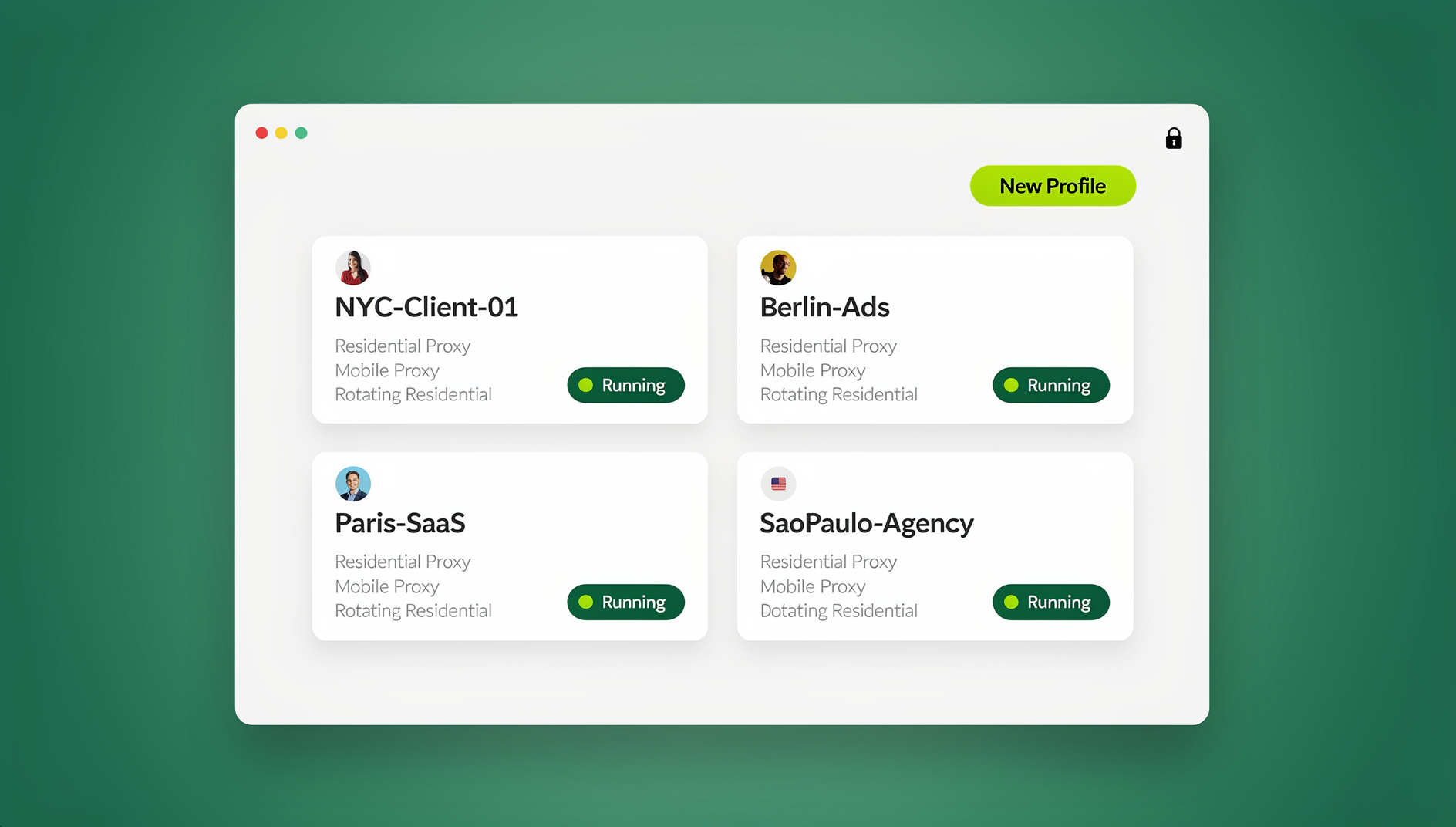

The appeal of virtual cloud browsing has surged as remote work, cross-border digital marketing, and web scraping operations expand. Running a browser inside a cloud container offloads compute rendering, protects local hardware from malware, and provides access from low-powered devices. However, hosting virtual desktop infrastructure requires substantial server, CPU, memory, and bandwidth resources. When cloud browser vendors offer zero-cost free tiers, they must compromise on security, privacy, infrastructure quality, or session persistence to remain operationally viable.
In this guide, we reveal the technical limitations and privacy dangers associated with popular free virtual browser services—such as the free tiers of Browser.lol, Kasm Workspaces, and Neverinstall. We also detail how dedicated cloud virtual browser environments like Send.win deliver enterprise privacy, isolated profile persistence, and high-speed browsing through a 30-day free trial with no credit card required.
The Mechanics of Virtual Cloud Browsers
To understand why free virtual browsers struggle with reliability, it is necessary to examine how cloud browser streaming operates under the hood.
When you start a session in a cloud browser, the service provisions a remote virtual machine or Docker container in a cloud data center. The remote instance launches a headless or display-rendered browser instance (typically Chromium or Firefox). User keystrokes, mouse movements, and click events are transmitted over WebSockets or WebRTC from your local device to the remote cloud server. In turn, the server renders the web page layout and streams the visual output back to your device screen as an H.264 or VP9 HTML5 video stream.
Ephemerality vs. Persistence
Cloud browser architectures fall into two primary categories:
- Ephemeral Cloud Sessions: The virtual container is created on-demand when a user visits the service and is completely destroyed when the connection drops or a timer expires. All browser history, cookies, session tokens, and saved files are permanently wiped.
- Persistent Cloud Sessions: The cloud browser instance is tied to an encrypted storage container. Cookies, local storage, profile configurations, and login states remain saved between sessions, allowing users to return to their work seamlessly.
Almost all free cloud browser services force users into ephemeral sessions. While ephemerality works for basic single-use link testing, it renders free virtual browsers completely unusable for serious multi-account management, social media administration, or e-commerce workflows requiring persistent session isolation.
5 Critical Risks of Using a Free Cloud Browser
While zero-cost virtual browsers may seem like a convenient solution for quick web access, relying on them for sensitive browsing carries significant operational and security risks.
1. Aggressive Session Time Caps and Forced Disconnections
Because cloud rendering consumes continuous server CPU and GPU cycles, free cloud browser providers enforce strict session timers. Services like Browser.lol or Kasm free tiers typically cap free sessions at 15 to 30 minutes. Once the timer expires, the remote container is forcibly killed—instantly discarding any active web forms, logged-in sessions, or unsubmitted work without warning.
2. Severe Bandwidth Throttling and Video Latency
Streaming real-time interactive video requires substantial network throughput. Free cloud browser services aggressively throttle connection bandwidth to reduce server costs. As a result, users experience noticeable input lag, delayed mouse cursor response, low screen resolution (often downscaled to 720p or 480p), and stuttering video playback. This latency makes interactive web tasks frustrating and inefficient.
3. Shared IP Reputations & Frequent CAPTCHA Loops
Free virtual browser platforms route thousands of unverified users through a small pool of shared datacenter IP addresses. Because malicious actors frequently use free cloud browsers for spamming, botting, or abuse, major security systems (such as Cloudflare, Google reCAPTCHA, and Akamai) flag these shared cloud IP ranges. When you access websites through a free cloud browser, you will encounter constant CAPTCHA challenges, Access Denied errors, and immediate account security checks.
4. Telemetry Logging and Security Risks
Hosting cloud servers costs real money. If a service provider does not charge users directly, they frequently monetize free tier users through data telemetry collection, session recording, or third-party ad injection. Operating sensitive accounts inside an unverified free cloud browser exposes your passwords, session tokens, and personal browsing activity to potential interception on the remote server host.
5. Complete Lack of Profile Isolation and Custom Proxy Controls
Free cloud browsers rarely allow users to configure custom proxies or manage multi-profile sandboxes. Every free user connects through whatever default server endpoint the provider assigns. You cannot bind dedicated residential or mobile proxies, customize WebGL hardware fingerprints, or separate client accounts into distinct compartments, undermining basic standards of safe browsing.
Evaluating Popular Free Cloud Browsers vs Paid Alternatives
To provide a clear perspective on the market, let us analyze how popular free cloud browser tiers compare against professional solutions.
Browser.lol (Free Tier)
Browser.lol offers instant ephemeral browser sessions directly in your browser tab. While convenient for opening a single suspicious URL, the free tier caps sessions at roughly 20 minutes, lacks persistent cookie storage, enforces heavy resolution scaling, and does not support custom proxy integration. It is strictly a disposable sandbox tool.
Kasm Workspaces (Community Free Tier)
Kasm provides self-hosted containerized desktop infrastructure. Their free community tier allows users to host virtual browsers on their own server hardware. However, setting up Kasm requires extensive Linux server administration skills, Docker management, and self-managed proxy infrastructure. Furthermore, running Kasm on cheap cloud VPS hosting results in poor GPU rendering performance.
Neverinstall (Free Tier)
Neverinstall streams desktop applications and web browsers from cloud servers. While its UI is modern, the free plan severely restricts available compute hours, queues users during high-traffic periods, and forces session resets that clear user data.
| Evaluation Factor | Free Ephemeral Cloud Browsers | Self-Hosted Free (Kasm Community) | Send.win Cloud Browser Sessions |
|---|---|---|---|
| Session Persistence | ❌ None (Data wiped on disconnect) | ⚠️ Complex Self-Managed Storage | ✅ Fully Persistent Cookie & Profile Storage |
| Session Duration | ❌ Strict Caps (15-30 mins) | ⚠️ Server Hardware Dependent | ✅ Unlimited Continuous Sessions |
| Proxy Customization | ❌ No Custom Proxy Support | ⚠️ Manual Linux Network Config | ✅ Per-Profile HTTP/SOCKS5/Mobile Proxy Binding |
| IP Reputation | ❌ Burned / Blacklisted Datacenter IPs | ⚠️ Tied to Your Server IP | ✅ Clean Custom Proxy Routing & Geo-Matching |
| Setup Complexity | ✅ Instant (One Click) | ❌ Advanced DevOps / Docker Required | ✅ Instant Zero-Install Access |
| Starting Price | Free (High Limitations & Risks) | Free Software ($20+/mo VPS Cost) | $6.99/mo (30-Day Free Trial) |
Why Dedicated Cloud Browser Sessions Beat Free Virtual Browsers
Upgrading from a restrictive free cloud browser to a professional dedicated cloud browser environment completely transforms your online workflows. Dedicated cloud sessions deliver several critical advantages:
1. Guaranteed Compute Resources & Smooth Video Streaming
Professional cloud browser infrastructure allocates dedicated CPU cores, RAM, and hardware-accelerated GPU instances to your session. Web pages load instantly, WebGL animations render at full 60 FPS, and visual latency disappears, giving you the feel of a native local desktop browser.
2. Isolated Profile Containers & Persistent State
With dedicated cloud sessions, your work is never lost. When you close a cloud tab, Sendwin automatically encrypts and saves your cookies, local storage state, and browser history. Reopening the profile hours or days later restores your session exactly where you left off, preserving all authenticated logins.
3. Custom Proxy Routing for Clean Digital Identities
Rather than sharing blacklisted server IP addresses, dedicated cloud browser sessions allow you to attach high-reputation residential, mobile, or datacenter proxies to individual profiles. This enables effortless location spoofing, clean IP isolation, and total compliance with platform security standards for anonymous browsing.
4. Cross-Platform Accessibility (Zero Local Installation)
Dedicated cloud sessions run in any standard HTML5 browser window. You can access your pre-configured, proxy-protected workspace from an iPad, a low-spec Chromebook, a Windows laptop, or a Linux desktop without downloading executable installers or configuring complex browser settings.
How Send.win Delivers Secure Cloud Browsing at Consumer Prices
Send.win redefines cloud browser access by combining high-speed cloud sessions with a native desktop application, offering industry-leading features at prices affordable for freelancers and growth teams alike.
Send.win operates under a transparent hybrid model: users can run profiles locally using the native Sendwin Browser desktop client (available for Windows, macOS, and Linux) or launch instant Cloud Browser Sessions directly in the browser with zero local footprint.
Send.win Plan Structure & Pricing Snapshot
- 30-Day Free Trial: Full 30-day trial with no credit card required. Experience complete access to persistent profile sandboxing, cloud browser sessions, and proxy management.
- Pro Plan ($19/mo or $6.99/mo billed annually):
- 150 Isolated Sandbox Profiles
- 5GB Proxy Bandwidth & Cloud Storage
- Automation API Support (Selenium, Puppeteer, Playwright)
- Full Cloud Session & Desktop Client Access
Run Free Cloud Browser in the Cloud With Send.win
Send.win’s cloud browser runs your isolated profiles on remote infrastructure — open a clean, fingerprint-isolated session from any device without installing anything:
- Instant cloud sessions – launch an isolated browser in seconds, no local install
- Isolated profiles – separate fingerprint, cookies, and storage per session
- Cloud sync & profile sharing – pick up the same profiles on the desktop app (Windows, macOS, Linux) or share them with your team
- Built-in residential proxies – with automatic timezone and locale matching
You can try it right now: the Send.win demo browser opens an isolated cloud session directly in this browser tab. The 30-day free trial needs no credit card, and paid plans start at $6.99/month billed annually — see pricing.
- Team Plan ($49/mo or $20.99/mo billed annually):
- 500 Isolated Sandbox Profiles
- 20GB Proxy Bandwidth & Cloud Storage
- 16 Team User Seats with Granular Permissions
- Automation API Support (Selenium, Puppeteer, Playwright)
- Shared Cloud Profile Workspaces
Best Practices for Secure Cloud Browsing in 2026
Whether you choose cloud sessions or native desktop sandboxes, adopting these security best practices will ensure your digital identities remain safe and unlinked:
Step 1: Assign Dedicated Proxies to Every Cloud Profile
Never run multiple cloud profiles through the same default server IP address. Always attach a unique HTTP or SOCKS5 proxy to each profile. Match your proxy’s geographic location (city, state, country) with the account’s operational context.
Step 2: Verify Session Persistence Before Entering Credentials
Before logging into critical financial, social media, or marketplace accounts inside any cloud browser, confirm that the platform supports persistent storage. Avoid entering sensitive passwords into unverified ephemeral cloud tiers that wipe data upon disconnection.
Step 3: Enable Multi-Factor Authentication (MFA) Safely
When operating accounts across cloud browser profiles, leverage authenticator apps or session cookie preservation rather than SMS verification. Send.win’s profile sharing allows team members to access authenticated sessions directly without needing constant MFA re-verification.
Step 4: Leverage Automation APIs for Programmatic Tasks
If your workflow involves repetitive web scraping, account monitoring, or data entry, do not perform these tasks manually inside a laggy cloud stream. Connect your automation scripts (Selenium, Playwright, Puppeteer) directly to Send.win’s local Automation API on Pro or Team plans for high-speed automated execution.
🏆 Send.win Verdict
Relying on a free cloud browser exposes your data to session time caps, severe video latency, blacklisted shared IPs, and privacy vulnerabilities. Send.win provides a secure, persistent, high-performance cloud browser environment paired with a native desktop app, giving you 150+ isolated profiles, proxy integration, and automation access starting at just $6.99/month.
Try Send.win free today — test secure cloud browsing free for 30 days with no credit card required.
Frequently Asked Questions
What is a free cloud browser?
A free cloud browser is a remote web browser instance hosted on cloud servers that streams the user interface to your device screen. Free tiers typically feature strict time limits, shared IP addresses, lack of persistent storage, and bandwidth throttling.
Why are free cloud browsers risky for managing online accounts?
Free cloud browsers route traffic through shared datacenter IP addresses used by thousands of unverified users, leading to frequent IP blacklisting and CAPTCHA loops. Furthermore, ephemeral free tiers abruptly terminate sessions and lack isolated cookie persistence, risking account lockouts.
How do Send.win Cloud Browser Sessions differ from free cloud browsers?
Send.win Cloud Browser Sessions offer persistent profile storage, dedicated compute resources, custom proxy binding, complete browser fingerprint isolation, and unlimited session lengths without forced disconnections or telemetry harvesting.
Can I use Send.win without installing local software?
Yes. Send.win offers zero-install Cloud Browser Sessions that run directly inside your existing web browser window on any device (including Chromebooks and mobile devices), as well as a native desktop client for Windows, macOS, and Linux.
Is Sendwin available as a browser extension?
No. Send.win operates strictly as a native desktop application and cloud-based virtual browser platform. It does not use browser extensions, ensuring complete operating system and browser runtime isolation that extension switchers cannot provide.
How much does Send.win cost after the 30-day free trial?
Send.win offers a 30-day free trial with no credit card required. Following the trial, the Pro plan is $19/mo (or $6.99/mo billed annually for 150 profiles, 5GB storage, and Automation API). The Team plan is $49/mo (or $20.99/mo billed annually for 500 profiles, 20GB storage, 16 seats, and Automation API).
What is the difference between persistent and ephemeral cloud sessions?
Ephemeral cloud sessions wipe all cookies, history, and logins the moment the session ends or times out. Persistent cloud sessions save your authenticated cookies and local browser state inside an encrypted container, allowing you to return to your logged-in accounts anytime.
Does Send.win support automated scraping and bot workflows?
Yes. Send.win supports Selenium, Puppeteer, and Playwright automation via its local Automation API, available on both Pro and Team plans, allowing users to automate isolated browser profiles safely without detection.