How Institutional Traders Safely Manage Multiple Coinbase Accounts
To safely manage multiple Coinbase accounts for distinct legal entities, family trusts, or trading strategies without triggering automated compliance freezes, traders must isolate each account session inside a dedicated browser sandbox with distinct residential proxies and isolated hardware signatures. Cryptocurrency exchanges like Coinbase enforce automated anti-fraud algorithms that detect shared browser cookies, canvas hashes, and IP subnets to link accounts; utilizing isolated browser profiles or cloud browser sessions guarantees technical separation and protects your capital.

📌 TL;DR Executive Summary
- The Risk: Cryptocurrency exchanges actively monitor browser fingerprints, WebRTC IP leaks, and session tokens to enforce strict KYC/AML compliance.
- The Danger: Toggling accounts in standard tabs causes cookie collisions and geolocation flags, triggering temporary account lockouts and delayed withdrawals.
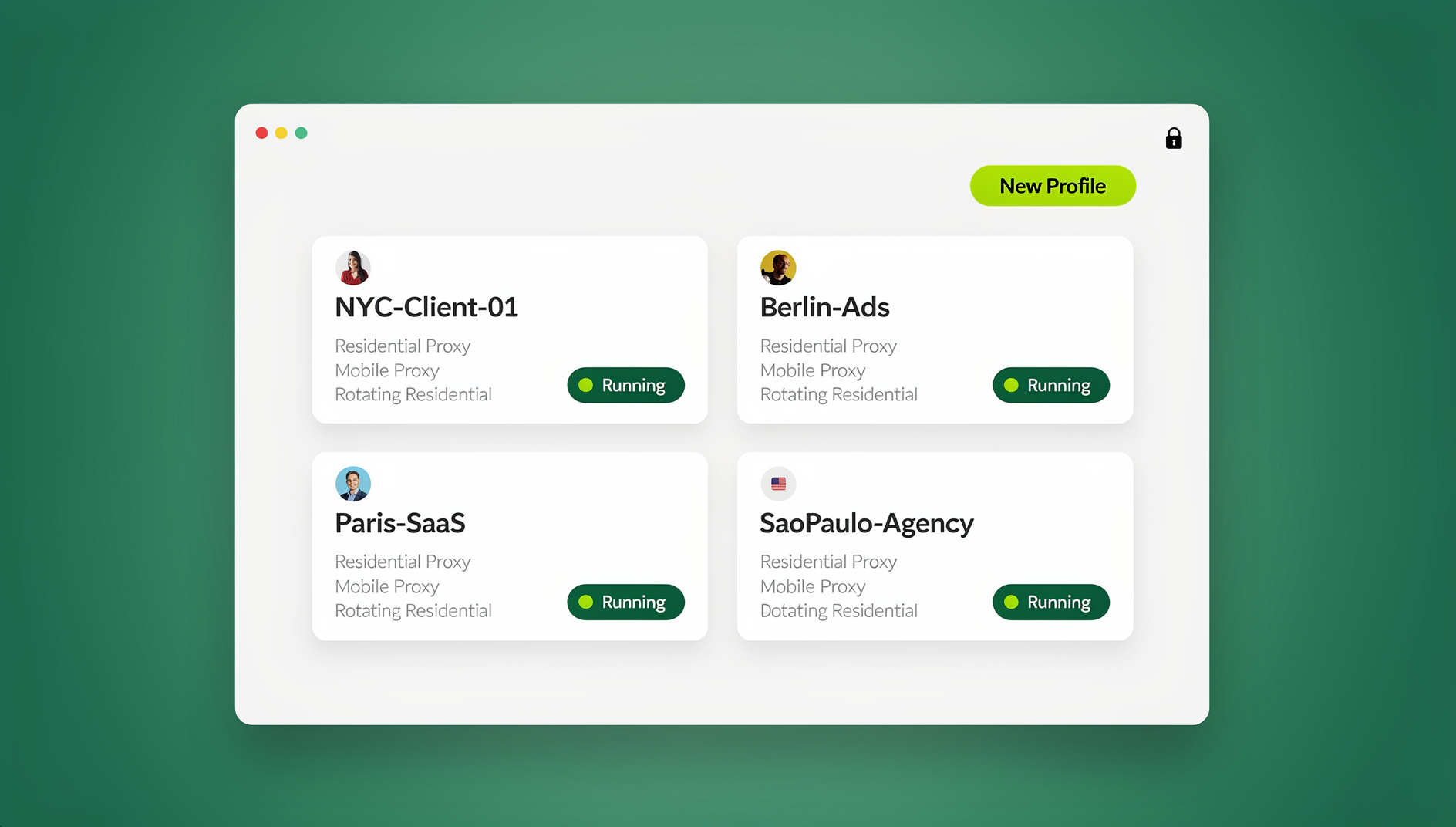
- The Solution: Isolated browser environments (like Sendwin) assign dedicated residential proxies, unique canvas parameters, and isolated cookie jars per account.
Institutional digital asset managers, hedge funds, family offices, and active cryptocurrency traders frequently manage multiple exchange accounts. Segmenting corporate treasury reserves from active algorithmic trading accounts, managing dedicated accounts for distinct LLCs, and segregating personal investments from client funds are standard requirements for professional financial management.
However, major exchanges like Coinbase enforce rigorous Know Your Customer (KYC) and Anti-Money Laundering (AML) monitoring systems. When different accounts access the platform from the same browser profile or share network telemetry, automated security systems flag the activity as suspicious account pooling or unauthorized access. This can result in unexpected withdrawal freezes and protracted compliance investigations. In this guide, we outline the security principles of multi-account crypto management and explore how session isolation protects institutional workflows.
💡 Pro Tip: Dedicated Residential Proxies Per Entity
Always assign a dedicated static residential proxy to each corporate exchange profile matching the jurisdiction of the corporate entity. Avoid accessing financial exchange accounts over shared public VPN nodes, which are frequently blacklisted by exchange firewalls.
Security Vulnerabilities of Accessing Exchanges in Standard Browsers
Modern cryptocurrency web applications execute extensive client-side telemetry to verify device integrity:
1. Browser Fingerprint Correlation
Exchange security scripts analyze the client’s Canvas rendering engine, WebGL graphics card vendor, audio processing buffers, installed system fonts, and WebRTC hardware interfaces. If Account A (an LLC treasury) and Account B (a trading fund) present identical hardware fingerprint hashes, the exchange’s risk engine links them to the same operator.
2. Session Cookie and Token Collision
Switching between exchange profiles in different tabs of the same browser window causes session tokens to overwrite each other. This causes unpredictable authorization errors, sudden sign-outs during volatile market movements, and security flags due to rapid authentication cycling. Traders seeking enterprise-grade security can review our browser security isolation guide to understand sandboxing mechanics.
3. Accidental Trade Execution on the Wrong Portfolio
When multiple tabs are open to the same exchange, it is alarmingly easy for a trader to execute a market order on a long-term treasury account instead of an active trading portfolio. Physical profile sandboxing with color-coded workspaces eliminates dangerous execution mistakes.
4. IP Geolocation Anomalies
If a corporate account registered in New York is accessed through an IP address that abruptly hops across foreign jurisdictions, automated exchange risk algorithms flag the session for potential account takeover, freezing withdrawals until manual identity re-verification is completed.
Comparison Matrix: Crypto Account Management Infrastructure
| Security Layer | Standard Browser Tabs | Commercial VPN + Incognito | Isolated Browser (Sendwin) |
|---|---|---|---|
| Cookie & Storage Isolation | ❌ Shared across tabs | ⚠️ Cleared on close (No persistence) | ✅ Sandboxed & Persistent per profile |
| Hardware Fingerprint Spoofing | ❌ Leaks real OS hash | ❌ Leaks real OS hash | ✅ Unique, consistent engine spoofing |
| Dedicated Residential IP | ❌ Shared local IP | ❌ Shared datacenter subnet (Blacklist risk) | ✅ Dedicated static residential proxy |
| Multi-User Session Sharing | ❌ Requires sharing master passwords | ❌ High risk of credential theft | ✅ Encrypted session handoff without passwords |
⚠️ Security Warning: Protect Hardware 2FA Security Keys
Never rely solely on SMS-based two-factor authentication for exchange accounts due to SIM-swapping risks. Pair your sandboxed browser profiles with hardware security keys (such as YubiKeys) or dedicated authenticator apps.
Best Practices for Institutional Multi-Account Operations
To maintain flawless compliance and operational security across multiple exchange dashboards, adhere to this framework:
Step 1: Fully Documented Legal Separation
Ensure that each distinct Coinbase entity account is registered with its own verified corporate documentation, Articles of Organization, unique Employer Identification Number (EIN), and dedicated business banking relationship.
Step 2: Isolate Workspaces by Strategy or Fund
Create separate, labeled Sendwin profiles for each entity (e.g., “Treasury Reserve – LLC”, “DeFi Arbitrage Fund”, “Staking Operations”). Assign distinct visual themes to make each operational window instantly recognizable.
Step 3: Secure Remote Delegation with Session Sharing
When analysts or junior traders need access to review portfolio performance or execute rebalancing, share the authenticated session through Sendwin. Staff can monitor balances and execute permitted actions without having access to master passwords or withdrawal permissions. For cloud-based setups, examine our cloud browser security analysis.
Step 4: Automated Balance Auditing and Portfolio Aggregation
Leverage the Sendwin Automation API with Puppeteer or Playwright to extract end-of-day balances and transaction ledgers across all corporate exchange accounts automatically, populating centralized accounting spreadsheets securely.
⚡ Quick Win: Screen Blur for Sensitive Portfolio Balances
When conducting video conferences or recording trading tutorials, use Sendwin’s one-click blur feature to redact sensitive wallet balances and account numbers in real time.
Step-by-Step Code Guide: Automated Crypto Portfolio Balancing with Playwright
Institutional digital asset managers and corporate treasury administrators need automated tools to extract daily balance snapshots, confirm staking rewards, and audit ledger transactions across multiple corporate exchange accounts. Sendwin’s Automation API connects seamlessly with scripting frameworks to enable secure balance reporting.
The Python script below illustrates how to connect Playwright to an isolated Sendwin exchange profile to retrieve portfolio valuation:
import asyncio
from playwright.async_api import async_playwright

async def audit_coinbase_treasury(ws_endpoint: str):
    async with async_playwright() as p:
        # Connect to isolated corporate treasury profile
        browser = await p.chromium.connect_over_cdp(ws_endpoint)
        context = browser.contexts[0]
        page = await context.new_page()

        print("Navigating to Corporate Exchange Portal...")
        await page.goto("https://www.coinbase.com/dashboard", wait_until="networkidle")

        # Verify portfolio title
        title = await page.title()
        print(f"Active Account Workspace: {title}")

        # Extract portfolio total balance
        total_balance = await page.inner_text(".portfolio-balance-header")
        print(f"Total Corporate Portfolio Valuation: {total_balance}")

        await page.close()
        await browser.close()

# Execute automated balance audit on Corporate Treasury Profile
asyncio.run(audit_coinbase_treasury("http://127.0.0.1:9222/devtools/browser/coinbase-llc-treasury"))
Institutional Risk Management and Cybersecurity Architecture
Cryptocurrency exchange security demands defense-in-depth across every operational layer:
1. Multi-Signature and Cold Storage Hierarchy
Never maintain all corporate capital inside active exchange accounts. Maintain the majority of digital assets in multi-signature cold storage vaults, utilizing isolated exchange profiles primarily for working capital, active trading, and liquidity rebalancing.
2. Dedicated Static IP Whitelisting
Where supported, configure exchange API keys and dashboard logins with strict IP address whitelisting. By pairing each Sendwin profile with a dedicated static residential IP, unauthorized logins from foreign IPs are automatically blocked at the exchange gateway.
3. Granular Role-Based Access Controls
Segregate duties between trading analysts, compliance officers, and treasury signatories. Junior staff can monitor portfolios through shared Sendwin sessions without having permission to alter withdrawal addresses or master security keys.
🏆 Send.win Verdict
Managing multiple institutional cryptocurrency accounts requires absolute session isolation and robust digital fingerprint control. Sendwin delivers sandboxed browser environments, built-in residential proxies, secure session sharing, and local Automation API support — ensuring financial operations remain secure, compliant, and completely segregated.
Try Send.win free today — start your 30-day free trial and protect your institutional crypto workflows.
Enterprise Treasury Playbook: Managing Multiple Corporate Crypto Wallets
Digital asset fund managers and institutional treasuries require rigorous cybersecurity controls to protect corporate capital:
- Segregated Trading Strategies: Maintain completely separate exchange accounts for market-making, DeFi yield farming, and long-term cold storage custody.
- Hardware Security Key Enforcement: Configure FIDO2/WebAuthn hardware security keys (such as YubiKey 5 Series) for each corporate exchange login, eliminating SMS vulnerability.
- Dedicated Static IP Whitelisting: Lock each Sendwin profile to a dedicated static residential proxy and whitelist that exact IP address inside Coinbase security settings.
- Automated Balance Auditing: Utilize Python scripts with the Sendwin Automation API to extract daily NAV (Net Asset Value) figures across all connected corporate accounts for automated ledger balancing.
How Send.win Helps With Manage Multiple Coinbase Accounts
Send.win is an antidetect browser built for exactly this kind of work — every profile is a clean, isolated identity:
- Isolated profiles – unique fingerprint, separate cookies and storage per profile
- Stealth engine – canvas, WebGL, fonts, and audio spoofed at the engine level
- Desktop app + cloud sessions – native app for Windows, macOS, and Linux, or run profiles in the cloud with no install
- Built-in residential proxies – with automatic timezone, locale, and WebRTC matching
- Team features – share logged-in profiles with teammates without sharing passwords
Try the instant cloud browser demo — no install, no signup — or download the desktop app. The 30-day free trial needs no credit card, and paid plans start at $6.99/month billed annually (see pricing).
The Institutional Compliance Checklist for Multi-Account Crypto Traders
To avoid compliance freezes during regulatory reviews, maintain meticulous documentation across all operational entities:
- Entity Registration: Articles of Organization, Certificate of Good Standing, and unique IRS Employer Identification Number (EIN) for each trading entity.
- Banking Relationships: Dedicated corporate commercial bank accounts matching the legal business entity name for fiat on/off-ramps.
- Digital Environment: Sandboxed browser sessions with persistent cookie isolation, unique hardware fingerprints, and dedicated static residential proxies.
- Audit Trail: Centralized, timestamped records of all internal transfers and rebalancing transactions across corporate accounts.
Institutional Case Study: Corporate Digital Asset Treasury Management
A multi-entity venture fund managed digital asset holdings across five separate corporate LLCs on Coinbase. Managing distinct corporate accounts through standard browsers created continuous security friction, as automated exchange algorithms flagged rapid IP transitions between remote portfolio managers and headquarters.
By implementing Sendwin’s sandboxed browser infrastructure, the fund isolated each LLC’s exchange dashboard into a dedicated profile paired with an IP-whitelisted static residential proxy. Treasury officers delegated read-only access to auditing accountants through secure session sharing, eliminating master credential exposure and ensuring full regulatory compliance during annual audits.
Enterprise Crypto Security Policy: The 5-Stage Access Lifecycle
Institutional investment funds and corporate crypto treasuries must establish a structured security lifecycle for managing exchange accounts across team personnel:
- Provisioning: Create an isolated Sendwin profile paired with a dedicated static residential proxy and hardware 2FA key.
- Authentication: Sign in from a clean environment and whitelist the static proxy IP address inside Coinbase security settings.
- Operational Delegation: Grant read-only access to analysts and portfolio accountants via Sendwin encrypted session sharing.
- Continuous Auditing: Execute daily automated balance reconciliation scripts via the Sendwin Automation API.
- Deprovisioning: Revoke shared session access instantly from the profile management console whenever staff roles change, without needing to reset master exchange credentials.
Frequently Asked Questions
Can one person or institution legally operate multiple Coinbase accounts?
Yes. Coinbase permits individuals and corporate entities to operate multiple accounts provided each account represents a distinct legal entity (such as separate LLCs, trusts, or corporate treasuries) with separate verified KYC documentation.
Why do cryptocurrency exchanges flag accounts using standard VPNs?
Standard VPN services route traffic through shared datacenter IP addresses that are frequently utilized by bad actors. Exchanges maintain automated blacklists of commercial datacenter subnets, triggering immediate security reviews.
How does Sendwin ensure complete isolation between exchange accounts?
Sendwin creates isolated sandbox environments where cookies, cache, local storage, WebRTC configurations, and hardware fingerprint metrics (Canvas, WebGL, AudioContext) are completely segregated between profiles.
Can I automate portfolio reporting across multiple Coinbase accounts?
Yes. Sendwin includes a local Automation API compatible with Puppeteer, Playwright, and Selenium on Pro and Team plans, allowing developers to script automated balance reporting and portfolio tracking.
What is Sendwin’s pricing structure?
Sendwin offers a 30-day free trial. The Pro plan costs $19/month ($6.99/month billed annually — 63% savings) for 150 profiles and 5GB proxy bandwidth. The Team plan is $49/month ($20.99/month billed annually — 57% savings) for 500 profiles, 20GB bandwidth, and 16 team seats.
Can I share access to an exchange session with an accountant safely?
Yes. Sendwin’s one-click session sharing allows you to hand off an active, logged-in browser session to your accountant without disclosing passwords or granting access to withdrawal credentials.
Does Sendwin run in the cloud or as a desktop application?
Sendwin provides both a native desktop application for Windows, macOS, and Linux, and instant cloud browser sessions that run in any web browser without local installation.
How does Sendwin prevent WebRTC IP address leaks?
Sendwin replaces the browser’s default WebRTC interface at the engine level, binding all media stream connections directly to the assigned proxy IP and ensuring your real residential IP is never exposed.
Institutional cryptocurrency management demands uncompromising technical separation. Sandboxing each exchange profile inside an isolated browser session ensures that fund managers, corporate treasuries, and trading desks execute transactions with complete security, compliance, and peace of mind.
By adopting structured sandbox architecture, institutional cryptocurrency traders eliminate the risks of cross-profile data leakage, ensure strict regulatory compliance, and safeguard their digital asset operations.