Why Businesses and Freelancers Need Dedicated Multi-Account Online Banking Platforms
Choosing the best banking services for managing multiple accounts online 2025 is critical for businesses and freelancers looking to consolidate their cash flows, automate accounting, and establish financial sub-accounts under a single interface. Modern platforms like Mercury, Relay, Wise Business, and Revolut are leading the market in multi-account coordination. Below, we review the top multi-account banking services, their native automation capabilities, and how tools like Send.win secure these logins against session conflicts.

For modern digital entrepreneurs, freelancers, and agency owners, the days of relying on a single checking account are long gone. Operating a modern business requires maintaining absolute cash flow clarity, setting aside tax reserves, isolating payroll funds, and managing client retainers. Trying to execute this level of financial organization with a traditional legacy bank often leads to massive frustration: high monthly fees, poor online interfaces, and manual transfer delays that halt business growth.
Fortunately, the financial technology landscape has evolved dramatically. The top modern digital banking platforms are specifically designed to support multi-account architectures. They allow you to create multiple checking and savings sub-accounts under a single login, configure percentage-based transfer rules, and integrate directly with your accounting software. In this comprehensive guide, we will break down the features to look for in multi-account banking, review the best platforms for 2025, and demonstrate how to manage your financial profiles securely.
Key Features of Modern Multi-Account Banking
When searching for the perfect banking platform to manage your business funds, focus on these five core capabilities. These features are what separate high-performance business accounts from basic personal banking portals.
1. Sub-Accounts and Virtual Checking Accounts
Sub-accounts let you partition your cash within a single primary bank account, giving each partition its own dedicated account and routing numbers. This is a game-changer for agencies that hold client retainer funds in escrow, or e-commerce sellers who need to isolate sales tax collections. The best platforms allow you to spin up these sub-accounts instantly in your online dashboard without having to speak to a banker or submit additional business documentation.
2. Auto-Transfer Rules and Percentage Splits
Automation removes human error from budgeting. The best multi-account banking platforms allow you to set up rules that automatically split incoming client payments. For example, you can set a rule that directs 30% of every deposit into a dedicated tax checking account, 10% into a profit savings account, and the remaining 60% into your primary operating account. This ensures you always have funds set aside for quarterly tax payments without having to perform manual calculations.
3. Granular API Access and Developer Tools
As your company grows, your financial operations will become more complex. You will need your banking transaction data to flow programmatically into custom software, payroll platforms, and data dashboards. Look for banking services that provide free, open-banking API access. This allows you to generate custom API keys, automate payouts to contractors, and extract transaction logs without having to rely on manual CSV downloads.
4. Native Accounting and Expense Integrations
Reconciling transactions across ten different checking accounts can be an accounting nightmare if your systems are disconnected. Choose banking services that integrate natively with industry-standard bookkeeping software like QuickBooks Online, Xero, and FreshBooks. This ensures that every transaction is synchronized in real-time, reducing manual entry errors and cutting down your monthly accounting overhead.
5. Multi-Currency Wallets
If your business operates internationally, receiving payments and paying global contractors in local currencies is essential. Traditional banks charge massive conversion markups and wire fees. Modern multi-account banking services provide multi-currency wallets, allowing you to hold balances in USD, EUR, GBP, AUD, and SGD, and convert between them using the real mid-market exchange rate with low, transparent fees.
Top Banking Services for Managing Multiple Accounts Online 2025
We have evaluated the top banking platforms in the market and selected the five best options based on account flexibility, automation rules, and usability.
1. Mercury — Best for Startups and High-Growth Tech Teams
Mercury has built an outstanding reputation as the default business banking choice for technology startups. The platform allows you to create unlimited checking and savings sub-accounts under one dashboard, each with its own account number. Mercury’s user interface is incredibly clean, showing your consolidated cash position and run-rate analytics at a glance. Additionally, Mercury provides free, robust API access, enabling companies to automate their financial workflows. The main drawback is that Mercury does not offer native multi-currency wallets, meaning you cannot hold euros or pounds directly within the platform.
2. Relay — Best for the Profit First Methodology
Relay is purpose-built for businesses that utilize the Profit First cash management system. Relay allows you to open up to 20 individual checking accounts, each with its own master card or debit card. You can configure automated, percentage-based splits that route revenue into separate buckets, such as owner’s salary, taxes, and operating expenses. Relay also allows you to invite your accountant or bookkeeper to the dashboard with read-only permissions, streamlining your monthly reconciliation process.
3. Wise Business — Best for Global Multi-Currency Management
For freelancers and international agencies, Wise Business is an exceptional choice. Wise provides local account details in over ten currencies, allowing global clients to pay you using local bank transfer methods. The Wise multi-currency wallet lets you hold and manage balances in 50+ currencies and convert funds using the real mid-market exchange rate. While Wise is not a licensed bank (it is an authorized electronic money institution), it partners with established banks to safeguard customer funds, making it an excellent global treasury tool.
4. Revolut Business — Best for European and UK Teams
Revolut Business combines multi-currency checking accounts, corporate physical and virtual cards, expense management, and invoicing under a single platform. You can create separate checking sub-accounts for specific team members, projects, or offices, and establish individual spending limits. Revolut’s analytics engine breaks down company spending by category, merchant, and team member, providing managers with real-time financial oversight.
5. Airwallex — Best for E-Commerce and Cross-Border Payouts
Airwallex is designed for e-commerce sellers and digital platforms that move money globally at scale. You can establish local virtual accounts in 60+ countries and accept customer payments directly from marketplaces like Amazon, eBay, and Shopify. Airwallex offers highly competitive foreign exchange rates and batch payment capabilities, allowing you to process contractor or supplier payouts in bulk with minimal administrative effort.
Comparison Table: Best Banking Services Compared
This table compares our top picks across the most critical features for multi-account business banking.
| Banking Service | Sub-Accounts | Multi-Currency | Auto-Splits | API Access |
|---|---|---|---|---|
| Mercury | Unlimited (free) | No (USD only) | Yes | Yes (free) |
| Relay | Up to 20 checking | No | Yes (advanced rules) | Yes |
| Wise Business | 10+ local account numbers | Yes (50+ currencies) | Limited | Yes |
| Revolut Business | Unlimited sub-accounts | Yes (25+ currencies) | Yes | Yes (paid tiers) |
| Airwallex | Unlimited virtual accounts | Yes (60+ currencies) | Yes | Yes |
Proven Framework for Organizing Multiple Business Bank Accounts
Simply opening multiple accounts is not enough; you must establish a clear logical structure to prevent financial confusion. We recommend implementing the following five-step organization plan.
Step 1: Audit and Categorize Your Cash Flow
Map out all your cash flows, detailing every revenue source and recurring operational expense. Establish separate buckets for distinct activities: day-to-day operations, payroll, taxes, marketing, and profit distributions. Keeping these buckets distinct ensures that you do not accidentally spend tax funds on operational campaigns.
Step 2: Establish Consistent Naming Conventions
Clearly name each sub-account to prevent administrative errors. Use a standard format like [Entity Name] - [Account Purpose] - [Currency]. For example: AlphaLLC - Tax Reserve - USD or BetaHoldings - Operating checking - EUR. This makes selecting the correct account for payroll or supplier payouts simple and direct.
Step 3: Automate Transfer Triggers
Set up automated rules inside your banking dashboard to transfer funds between accounts weekly or monthly. Standardize your transfer splits: route 25% of all client revenue to your tax checking sub-account, 10% to savings, and the remaining 65% to your operational account. This takes the discipline out of budgeting, moving cash automatically before it can be spent.
Step 4: Configure Multi-User Roles and Permissions
As your finance team expands, delegate access control using your bank’s built-in role structures. Provide your bookkeeping team with read-only access, allow operations managers to initiate transfers (requiring owner approval), and restrict master administrative settings strictly to the business founders.
Security Challenges of Accessing Multiple Financial Dashboards
Operating multiple bank accounts often requires accessing different online platforms from the same computer. This introduces significant security risks and operational bottlenecks due to how websites track browser fingerprints, cookies, and IP addresses.
For agencies and e-commerce brands, accessing these dashboards in standard web profiles can lead to security alerts, much like logging into a virtual browser to run client tasks. A secure online browser setup allows financial managers to log into multiple banking portals simultaneously without risking database linking. If you run e-commerce storefronts across multiple amazon accounts, keeping your banking logins isolated is essential to prevent system flags. Check out our multiple amazon accounts complete guide for step-by-step antidetect procedures.
Without clean technical separation between your accounts, browser cookie overlaps can lead to session leaks, and shared IP addresses might trigger fraud alert algorithms, resulting in temporary account restrictions. Utilizing specialized isolation tools is the only way to log into Wise, Mercury, and Revolut simultaneously without risking dashboard lockouts.
Send.win: The Ultimate Solution for Secure Multi-Dashboard Banking
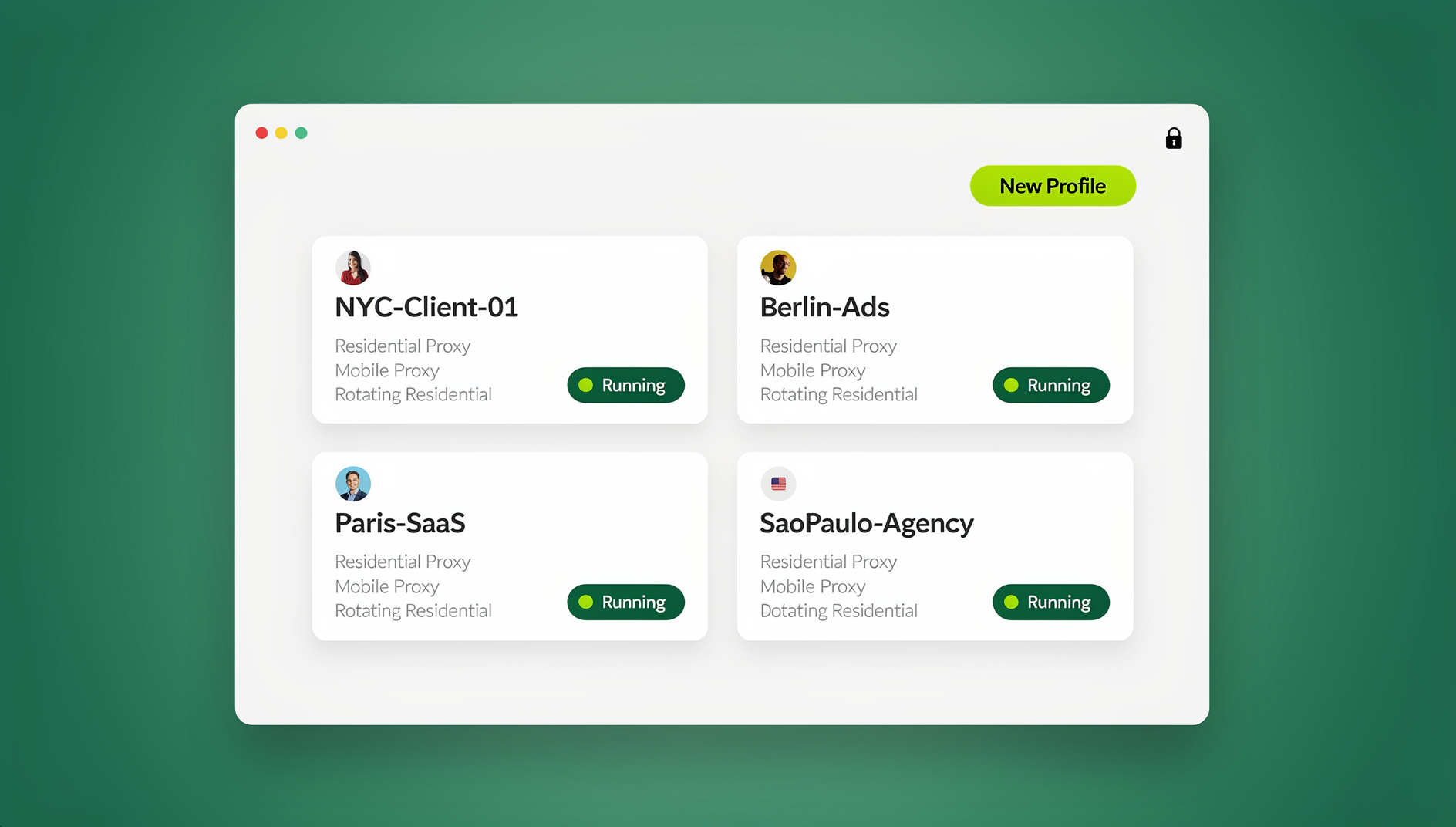
Send.win provides the technical security and session isolation required to manage multiple online banking accounts safely. By separating cookie stores, local data, and digital fingerprints, Send.win allows you to run multiple financial profiles in parallel without any risk of data crossover.
Two Powerful Execution Options
Send.win supports two distinct operational modes tailored to your team’s workflow:
- Sendwin Browser: A native desktop application that installs directly on Windows, macOS, or Linux. It runs profiles locally inside sandboxed container slots, ensuring maximum execution speed while keeping cookies and sessions segregated.
- Cloud Browser Sessions: Run isolated browser tabs on remote cloud servers. This mode requires no local installation and allows you to log into your sensitive financial portals securely from any device, including tablets or mobile phones, while traveling.
Granular Fingerprint Protection and Dedicated Proxy Support
Every profile inside Send.win operates with its own independent canvas, WebGL, WebRTC, and hardware device fingerprints. Send.win automatically adjusts these settings to ensure each portal views your tabs as separate physical computers. Additionally, you can integrate dedicated residential proxies with each profile, ensuring your logins to Mercury, wise, or Revolut originate from distinct local IP addresses, preventing security flag triggers.
Flexible and Transparent Pricing Structures
Send.win offers professional features at a highly affordable price. Every account starts with a 30-day free trial (no credit card required). You can select from two primary plans depending on your business requirements:
- Pro Plan ($19/mo or $6.99/mo annual): Supports up to 150 isolated profiles, includes 5GB of proxy bandwidth, and provides access to the local Automation API, which is perfect for solo founders and freelancers.
- Team Plan ($49/mo or $20.99/mo annual): Supports up to 500 isolated profiles, includes 20GB of proxy bandwidth, allows local Automation API management, and supports up to 16 team seats for agency collaboration.
- Add-on Pricing: You can add extra proxy bandwidth at $6/GB and additional profiles at $0.05 per profile.
Local Automation API Support
For tech-savvy business operations, Send.win supports local Automation APIs on both the Pro and Team plans. This allows your development team to connect frameworks like Puppeteer, Playwright, or Selenium to your isolated profiles, automating payout distributions, transaction reports, and balance reconciliations across different bank dashboards safely.
🏆 Send.win Verdict
Managing money across various banking dashboards is highly sensitive and requires strict session isolation to prevent credential links or account blocks. Send.win provides isolated browser profiles and cloud browsing sessions to log into your best banking services for managing multiple accounts online 2025 securely, without the risk of cross-account data leaks.
Try Send.win free today — keep your financial logins secure with advanced browser isolation.
Frequently Asked Questions
What is the best bank for managing multiple accounts?
For technology startups and digital companies in the US, Mercury and Relay are the top choices. For international operations and multi-currency payouts, Wise Business and Airwallex are the market leaders. The best banking service depends on whether you require advanced sub-accounts, global local bank details, or automated transfer rules.
Can I have multiple bank accounts with different banks?
Yes. There is no legal restriction on the number of checking or savings accounts a business can hold across different banking institutions. In fact, diversifying your funds across two or three providers is an industry best practice for cash risk management and deposit safety.
How many bank accounts is too many for a small business?
If you cannot explain the logical purpose of a checking account, you have too many. Most individuals need 2 to 4 accounts; small businesses and freelancers need 4 to 8 accounts; while large agencies and multi-entity enterprises may require 15 to 20 checking sub-accounts to isolate client funds and budgets.
Are online-only business banks safe for deposits?
Yes. Reputable online business banking platforms partner with established FDIC-insured banks (like Choice Financial Group or Evolve Bank & Trust) to safeguard customer funds. This means your business deposits are insured up to $250,000 per depositor per institution, with some sweep networks extending coverage to several million dollars.
How do I manage multiple bank logins securely?
You should utilize a professional password manager to generate unique passwords for each banking portal, enforce hardware-key two-factor authentication (2FA) on all logins, and use isolated browser environments like Send.win to prevent cross-account cookie leakage and session tracking.
Can I automate transfers between different bank accounts?
Yes. Platforms like Mercury and Relay support native automated transfer rules internally. For automating transfers between different banking institutions, you can utilize Plaid-linked connections, scheduled ACH transfers, or custom scripting via open-banking APIs.
Is there a free trial to test Send.win for business banking management?
Yes. Send.win provides a comprehensive 30-day free trial with no credit card required. This trial allows business owners to create isolated browser profiles, integrate proxies, and run cloud browser sessions to test how their team collaborates across different financial dashboards.