Connected TV Advertising and the Need for Multi-Account Isolation
Running campaigns across various client portfolios requires robust tvscientific multiple ad accounts management to separate client billing, isolate cookies, and prevent cross-account campaign conflicts. While TVScientific offers native multi-advertiser setups, agencies and brands often require advanced browser isolation tools like Send.win to run multiple accounts simultaneously without session overlap. Below, we compare the native options with multi-account browsers and showcase how to manage CTV campaigns without account limitations.
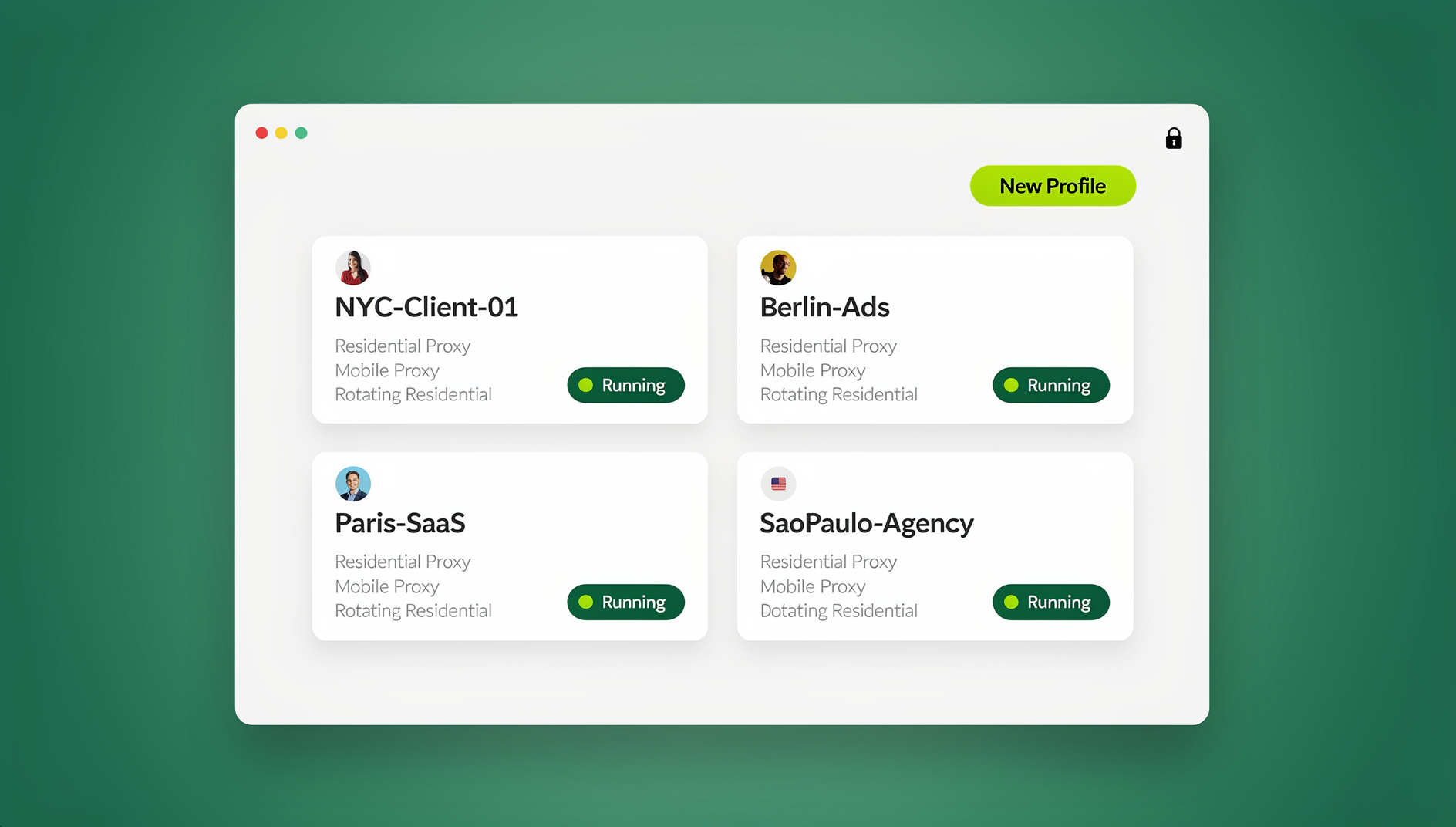

As Connected TV (CTV) advertising continues its rapid expansion, platforms like TVScientific have democratized access to television screens. Once the exclusive domain of massive brands with multi-million-dollar budgets, television advertising is now performance-driven, measurable, and accessible to mid-market agencies and growth brands. TVScientific brings digital precision to CTV, offering self-service attribution, detailed audience segments, and real-time campaign optimization. However, this transition to self-service digital workflows introduces the same operational challenges found in traditional digital ad platforms: managing multiple client logins, handling segregated budgets, and keeping user environments isolated.
For agencies, managing campaigns for ten, twenty, or fifty different clients on TVScientific means dealing with constant administrative overhead. If you rely on a single browser to manage all these clients, you risk mixing cookie data, making errors due to tab confusion, or triggering security warnings. In this comprehensive guide, we will explore the best practices for tvscientific multiple ad accounts management, compare different account management methods, and demonstrate how to utilize modern browser isolation techniques to streamline your agency workflows.
Why TVScientific Multiple Ad Accounts Management is Crucial for CTV Advertisers
Managing multiple ad accounts on Connected TV platforms is not just about keeping campaigns organized; it is a critical security and operational requirement. Digital agencies, multi-brand conglomerates, and franchise networks all face distinct scenarios where account segregation is mandatory.
1. Client Data and Privacy Segregation
Each client’s advertising data is proprietary and sensitive. In a multi-tenant agency environment, keeping client data strictly segregated is paramount. If client profiles or reporting dashboards leak into one another, it represents a massive breach of trust and a potential violation of non-disclosure agreements. Implementing isolated account structures ensures that Client A’s conversion pixel data, retargeting pools, and ad spend reports never mix with Client B’s. This segregation is especially critical on TVScientific, where custom audience lists are built using first-party data, including IP address lists, mobile advertising IDs (MAIDs), and email hashes.
2. Budget and Billing Isolation
CTV campaigns involve significant ad spend, and billing mistakes can be disastrous. Each client account on TVScientific must have its own payment details, insertion orders, and budget caps. Grouping all clients under a single, non-segregated account makes tracking spend pacing and generating accurate invoices incredibly difficult. By separating clients into distinct ad accounts, agencies can assign separate corporate credit cards or billing profiles to each client, eliminating the risk of client budget cannibalization or accidental overspending.
3. Organization-Wide Collaboration and Permission Control
As your advertising team grows, you need granular control over who can modify campaigns, upload creatives, or view billing invoices. Junior media buyers should not have access to billing settings, and clients should have view-only access to their specific dashboards without seeing other clients’ campaigns. Segregating your agency workspace into distinct ad accounts makes it simple to assign roles and permissions on a client-by-client basis, reducing the risk of accidental campaign edits or data deletion.
4. Franchise and Regional Ad Customization
For franchise operations or brands with regional office setups, tvscientific multiple ad accounts management allows local managers to run customized CTV campaigns for their specific markets. A national franchise with hundreds of locations can set up independent ad accounts for each store, letting local managers customize the call-to-action or localized promo codes in their video creatives, while the corporate team maintains global brand guidelines and asset approvals.
Native Account Structure inside the TVScientific Platform
Before implementing third-party management tools, it is essential to understand the native hierarchy and platform architecture that TVScientific provides. The platform organizes campaign assets and configurations in a five-tier hierarchy designed to scale from single brands to large agency operations.
The Five-Tier Account Hierarchy
Understanding this structure helps in designing a clean management workflow:
- Master Account: The top-level folder, typically owned by the agency or corporate brand parent. It manages global billing setups, master user management, and api integrations.
- Advertiser Profile: The primary container for a specific client or sub-brand. All campaigns, pixels, and audience lists belong to this level.
- Campaign: The strategic advertising initiative, defining the overall flight dates, budget pacing, and core conversion goals.
- Ad Group: The targeting container where you define audience demographics, contextual criteria, channel groupings (e.g., specific streaming networks), and bidding strategies.
- Ad Creative: The individual video asset, companion banners, call-to-action overlays, and tracking parameters.
User Roles and Permission Sets
TVScientific supports multiple user roles at both the Master Account and Advertiser levels. When setting up your team, you can assign roles like Account Administrator (full edit access), Campaign Specialist (viewing and editing campaigns/creatives), Analyst (read-only access to reports), and billing manager (access to credit cards and invoices). Standardizing these assignments ensures team members only interact with the dashboards they need to perform their daily duties. This prevents conflicts and guarantees billing remains isolated from daily adjustments.
The Core Challenges of TVScientific Multiple Ad Accounts Management
While TVScientific’s native dashboard is powerful, media buyers managing multiple advertiser profiles face significant technical bottlenecks. These challenges stem from how modern web applications manage browser cookies, session states, and security fingerprints.
1. Browser Session and Cookie Conflicts
Most modern web browsers are designed to maintain a single session per website. When you log into TVScientific’s portal, the browser stores authentication cookies that identify your user profile. If you open a new tab and try to log into a different advertiser profile or client account, the browser will overwrite the existing cookies, automatically logging you out of the first account. This forces media buyers to perform a continuous login and logout dance, wasting hours of productive campaign setup time and increasing the risk of making changes in the wrong client dashboard.
2. Risk of Campaign Mistakes Due to Tab Confusion
When jumping between multiple tabs or using basic multi-profile setups in traditional browsers, it is easy to lose track of which client environment is active. A simple copy-paste error or bid adjustment made in the wrong tab can result in thousands of dollars of wasted ad spend on the wrong client account. Without technical isolation between accounts, keeping track of campaign changes becomes a massive liability for digital agencies.
3. Proxy and IP Location Restrictions
CTV ad platforms and fraud detection systems monitor the IP addresses and geographic locations of users logging into their portals. If your agency is managing dozens of TVScientific accounts from a single office IP address, it can trigger automated fraud alerts. The platform’s security algorithms might flag the activity as suspicious, linking the accounts together and potentially restricting them. To manage accounts safely, media buyers need to assign dedicated, localized proxies to each advertiser profile to simulate natural user logins from different regions.
4. Creative Asset Uploads and Video Processing
CTV ads are heavy video assets, often in high-definition formats that take significant time to upload, transcode, and get approved by publisher networks. When managing multiple accounts, media buyers must coordinate these uploads across separate folders, ensuring that the correct client video asset is matched with the correct ad group. If session issues cause an upload to fail midway through, or if an asset is uploaded to the wrong advertiser dashboard, it delays campaign launch dates and frustrates clients. Standardizing your file storage is the best defense against these issues.
Comparing Management Methods: Native vs. Multiple Browsers vs. Multi-Login Tools
To help you choose the best workflow for your agency, we have compared the four primary methods of managing multiple TVScientific accounts.
| Management Method | Session Isolation | Proxy Support | Fingerprint Masking | Efficiency Score |
|---|---|---|---|---|
| Native Multi-Advertiser Switcher | None (same cookie pool) | None | None | Low (heavy tab switching) |
| Incognito Tabs / Multiple Browsers | Temporary (wiped on close) | Global only | None | Medium (slow setup) |
| Virtual Machines (VMs) | Excellent (fully isolated) | Yes (per VM) | Partial (hardware linked) | Very Low (resource heavy) |
| Send.win isolated profiles | Excellent (sandboxed) | Yes (per profile) | Advanced spoofing | High (one-click access) |
Step-by-Step Guide to Organizing Multiple TVScientific Accounts
To avoid campaign friction and keep client operations running smoothly, we recommend establishing a structured setup process for every new advertiser profile you onboard.
Step 1: Define a Clear Naming Convention
A consistent naming convention prevents confusion when managing multiple campaigns across different brands. Standardize your account, advertiser, campaign, and ad group names using clear tags: [Client Name] - [Product Line] - [Campaign Objective] - [Geo Target]. For example: AcmeWidgets - SummerPromo - Awareness - Northeast. This ensures that any media buyer logging into the dashboard can immediately identify the campaign’s parameters at a glance.
Step 2: Segregate Client Billing Setup
Configure individual billing details for each advertiser profile. Avoid using a single agency credit card across all clients, as a billing issue with one client can cause campaigns to halt for all clients. Link the client’s direct payment method or establish separate credit card lines for each advertiser container. This keeps your finance team organized and prevents cash flow complications.
Step 3: Establish Granular User Permissions
Map out user access for each client dashboard. Only assign full administrator privileges to agency directors or billing managers. Assign campaign specialists or content creators to specific advertiser folders, ensuring they only see the assets and reports they need. If you share dashboard access with client-side managers, set their permissions to read-only or analyst-level to prevent accidental modifications to active ad groups.
Step 4: Use a Dedicated Session Isolation Tool
To avoid cookie crossovers and login issues, implement a professional session isolation workflow. Rather than logging in and out of different accounts, set up isolated browser profiles for each client. This keeps cookies, local storage, and history files separate, allowing you to open multiple TVScientific accounts side-by-side in parallel tabs without data crossover or session timeouts.
Integrating TVScientific with Your Broader Advertising Stack
Modern marketing agencies do not run Connected TV campaigns in a vacuum. A successful client strategy typically integrates TVScientific campaigns with Meta Ads, Google Ads, TikTok campaigns, and programmatic demand-side platforms (DSPs). Coordinating these channels requires cohesive planning, unified reporting, and secure session management across all ad portals.
When coordinating campaigns across search, social, and CTV, using a professional cookie management tool ensures that your team does not accidentally cross-contaminate logins or trigger security flags. For instance, relying on a basic chrome multi account profile setup is insufficient for complex agency work, as it lacks fingerprint spoofing and dedicated proxy configuration. Using a dedicated, secure browser for ads management is the gold standard for marketing professionals looking to scale campaigns. Similar to how retail agencies manage multiple amazon accounts to scale different store brands, CTV media buyers must keep their ad dashboards segregated.
Integrating these channels also requires accurate conversion attribution. TVScientific relies on direct tracking pixels to measure post-view visits and conversions. By keeping each client’s pixel code separate and operating within sandboxed browser environments, you prevent cross-platform tracking anomalies, ensuring your reports show clear ROAS and CPM metrics for every client budget.
Send.win: The Ultimate Platform for TVScientific Multi-Account Operations
Send.win is designed from the ground up to solve the challenges of managing multiple web accounts safely and efficiently. By combining advanced session isolation with a powerful, team-friendly management portal, Send.win allows agencies to scale their TVScientific operations without technical friction.
Two Powerful Operational Modes
Send.win fits into any agency setup by offering two flexible deployment options:
- Sendwin Browser (Desktop Client): A native desktop application available for Windows, macOS, and Linux. This mode runs profiles locally, utilizing your system’s hardware while providing complete isolation between cookie containers. It is perfect for media buyers who spend their entire day inside campaign managers.
- Cloud Browser Sessions: Run profiles entirely in the cloud. This mode requires no local installation and allows you to launch isolated browser sessions from any device, including tablets or mobile phones, making it ideal for client presentations or quick weekend campaign checks.
Advanced Fingerprint Masking and Proxy Support
Every profile created inside Send.win operates with its own unique browser fingerprint. Send.win automatically adjusts your User-Agent, Canvas data, WebGL signatures, audio profiles, and hardware device IDs to ensure platforms view each tab as a separate physical machine. Furthermore, you can assign dedicated residential or datacenter proxies to each profile, ensuring that each client’s TVScientific session originates from a distinct IP address, avoiding automated security triggers.
Flexible, Cost-Effective Pricing Plans
Send.win offers professional features at a fraction of the cost of legacy antidetect browsers. Every account starts with a 30-day free trial (no credit card required), allowing your team to test the features risk-free. The plans are structured to grow with your business:
- Pro Plan ($19/mo or $6.99/mo annual): Supports up to 150 isolated profiles, includes 5GB of proxy bandwidth, and provides full access to the local Automation API, which is perfect for boutique agencies and growth-focused advertisers.
- Team Plan ($49/mo or $20.99/mo annual): Supports up to 500 isolated profiles, includes 20GB of proxy bandwidth, allows local Automation API management, and supports up to 16 team seats for agency collaboration.
- Add-on Options: If you need to scale, you can purchase extra proxy bandwidth at $6/GB and additional profiles at $0.05 per profile.
Local Automation API
For advanced agencies looking to automate repetitive campaign tasks, Send.win supports a local Automation API on both the Pro and Team plans. This allows your developer team to integrate tools like Puppeteer, Playwright, or Selenium with your isolated profiles, automating reports, creative uploads, and budget updates across dozens of advertiser dashboards simultaneously.
🏆 Send.win Verdict
Managing multiple Connected TV campaigns shouldn’t be limited by native session constraints or risk client crossover. Send.win provides isolated browser profiles and cloud browsing sessions to execute your tvscientific multiple ad accounts management strategy safely, without the risk of cookie leaks or dashboard locks.
Try Send.win free today — scale your digital and CTV campaign dashboards with secure browser isolation.
Frequently Asked Questions
How does TVScientific organize multi-account campaign access natively?
TVScientific utilizes a hierarchical platform structure consisting of Master Accounts and sub-level Advertiser Profiles. Natively, users must manually select which advertiser profile they wish to view within the single account switcher dashboard, which can be slow and prevents viewing different client accounts side-by-side.
Can I log into multiple TVScientific accounts in the same standard browser?
Not natively. Because standard browsers share a single cookie store across all open tabs, trying to log into a second TVScientific account in another tab will overwrite your active login cookies and automatically log you out of the first session. You would need to use isolated browser profiles to view them simultaneously.
What is the role of proxies in managing multiple CTV advertising dashboards?
Proxies mask your computer’s actual IP address and replace it with a designated location-based IP. When managing multiple ad accounts, assigning a dedicated proxy to each profile ensures that the ad platform’s security algorithms do not flag the multiple logins from a single agency location as suspicious activity.
Does Send.win support the Automation API for managing ad accounts?
Yes. Send.win provides robust support for local Automation APIs using Puppeteer, Playwright, or Selenium. The Automation API is available on both the Pro plan ($19/mo or $6.99/mo annual) and the Team plan ($49/mo or $20.99/mo annual), allowing you to script programmatic actions across client profiles.
What is the difference between Sendwin Browser and cloud browser sessions?
The Sendwin Browser is a native desktop application that installs on your computer and runs profiles locally using your hardware. Cloud browser sessions run inside isolated sandboxes on remote cloud servers, allowing you to access and manage your sessions through any web browser from any device with no local installation.
What is the cost of using Send.win for managing ad accounts?
Send.win is highly affordable. The Pro plan costs $19/month ($6.99/month on the annual cycle) for 150 profiles, and the Team plan costs $49/month ($20.99/month on the annual cycle) for 500 profiles and 16 team seats. Additional bandwidth can be added for $6/GB, and extra profiles cost $0.05/month.
Is there a free trial for Send.win to test TVScientific multi-account management?
Yes. Send.win offers a comprehensive 30-day free trial with no credit card required. This trial grants full access to both local browser profiles and cloud browser sessions, enabling your agency team to fully test the multi-account isolation workflow before committing to a paid plan.