Learning how to manage multiple currencies in accounting software involves establishing a functional base currency, configuring automated live exchange rate feeds, and setting up separate foreign currency bank accounts. By properly structuring your accounting software, you can track realized and unrealized foreign exchange gains and losses automatically, ensuring accurate global tax compliance and eliminating manual conversion spreadsheets.

The Growing Need for Multi-Currency Accounting
If your business operates internationally — selling to customers abroad, paying overseas vendors, or employing remote workers in different countries — you need to know how to manage multiple currencies in accounting software. What seems straightforward on the surface quickly becomes complicated when exchange rates fluctuate, reporting requirements differ by jurisdiction, and your books need to reconcile in a single base currency.
In 2026, multi-currency operations are no longer limited to multinational corporations. E-commerce sellers serving global customers, software companies with overseas subscribers, and freelancers working with international clients all handle different currencies daily. Setting up your accounting software correctly from the beginning prevents manual reconciliation errors and ensures you comply with local tax regulations. When you sell products in Euros, pay for software in Dollars, and pay remote developers in Rupees, your accounting system must handle all these exchange rate calculations behind the scenes.
Without automated multi-currency tools, business owners are forced to manually look up historic exchange rates and convert transactions in spreadsheets. This manual process is not only time-consuming but also highly prone to errors that can distort your financial reports. By learning how to manage multiple currencies in accounting software, you automate exchange rate conversions, streamline billing, and gain an accurate picture of your global profitability.
How Multi-Currency Accounting Works
Multi-currency accounting is built on the concept of translating all foreign transactions into a single reporting currency. Understanding the core components of this system is essential before enabling the feature in your software.
Base Currency vs. Foreign Currency
Every accounting system has a base currency (also functional currency), which is the primary currency of the country where your business is registered and pays taxes. Any transaction conducted in a currency other than your base currency is considered a foreign currency transaction. Your software must convert these foreign values into your base currency equivalents for financial reporting. Choosing your functional currency correctly during initial setup is vital, as most systems lock this selection once transactions are entered.
Exchange Rate Types
Different transaction types require different exchange rates for accurate conversion. The most common rates used in business accounting include:
| Rate Type | Operational Definition | Typical Accounting Application |
|---|---|---|
| Spot Rate | The current exchange rate in the market at a specific moment. | Used for individual transactions like sales receipts and invoice payments. |
| Daily Average Rate | The average of the exchange rates over a single business day. | Often used for batch processing daily sales or expense logs. |
| Monthly Average Rate | The average exchange rate calculated over a full calendar month. | Used for translating income statement balances for global reporting. |
| Closing Rate | The exchange rate at the final minute of the accounting period. | Used to revalue balance sheet accounts like foreign cash and invoices. |
Realized vs. Unrealized Gains and Losses
Fluctuating exchange rates create differences between the value of a transaction when it is recorded and when it is settled. These differences are categorized as realized or unrealized gains and losses:
- Unrealized Gains and Losses: Occur when the exchange rate changes while an invoice or bill is outstanding. The value has changed on paper, but no money has moved. These are adjusted at month-end to reflect current market value.
- Realized Gains and Losses: Occur when a payment is actually received or made. The exchange rate at payment differs from the rate when the invoice was created, resulting in a real cash gain or loss.
For example, if you invoice a client for €1,000 when the Euro is worth $1.10, the invoice is valued at $1,100. If the Euro drops to $1.08 when the client pays you, you receive $1,080, resulting in a realized foreign exchange loss of $20. The software automatically calculates this difference and records it in a Foreign Exchange Gain/Loss account.
Setting Up Multi-Currency in Popular Accounting Software
Most modern accounting platforms offer multi-currency features, but the setup and capabilities vary. In this guide, we will walk you through exactly how to manage multiple currencies in accounting software like QuickBooks and Xero.
Configuring Multi-Currency in QuickBooks Online
QuickBooks Online supports multi-currency in its Essentials, Plus, and Advanced plans. To enable it, navigate to Account and Settings, click Advanced, and select the Edit icon in the Currency section. Choose your Home Currency and turn on Multi-currency. Note that once you enable multi-currency in QuickBooks, it cannot be turned off. After enabling, you can assign specific currencies to international customers and vendors, and QuickBooks will automatically track their transactions using live market rates.
Configuring Multi-Currency in Xero
Xero provides robust multi-currency features on its established pricing tiers. Navigate to General Settings, select Currencies, and add the foreign currencies your business transacts in. Xero pulls hourly exchange rates automatically from XE.com. You can set up foreign currency bank feeds, issue invoices in foreign currencies, and run detailed reports showing unrealized gains and losses based on real-time revaluations. Xero’s currency revaluation report is highly detailed, showing how foreign currency movements affect your assets and liabilities on any given day.
Comparison: Multi-Currency Accounting Features in Major Software
Different software platforms offer varying levels of multi-currency automation. The table below compares the multi-currency features of the leading accounting tools.
| Feature | QuickBooks Online | Xero | FreshBooks | NetSuite |
|---|---|---|---|---|
| Automatic Rate Feeds | Yes (daily updates) | Yes (hourly updates) | Yes (daily updates) | Yes (real-time feeds) |
| Foreign Bank Accounts | Supported | Supported | Not supported | Fully supported |
| Unrealized Revaluation | Yes, automated adjustment | Yes, automated report | No | Advanced automated revaluation |
| Manual Rate Overrides | Yes | Yes | No | Yes, customizable rules |
| Starting Price | Essentials plan ($30/mo) | Established plan ($42/mo) | Premium plan ($20/mo) | Enterprise custom pricing |
Workflows for Managing International Currencies and Invoices
To keep your books accurate, you must follow consistent workflows when dealing with international transactions. These workflows ensure that your exchange rates, payments, and bank balances reconcile correctly.
Invoicing Clients in Foreign Currency
When you create an invoice for an international client, select their native currency. The software will record the invoice amount in both the foreign currency and your base currency using the daily spot rate. When the client pays, the payment is recorded in the foreign currency. The software automatically compares the exchange rate at the time of payment with the invoice date rate, posting any difference to a designated Foreign Exchange Gain/Loss account. This makes tracking your outstanding receivables simple and transparent.
Paying International Vendors
When you receive a bill from an overseas vendor, enter it in their billing currency. When making payments, you will often need to use a specialized payment platform like Wise or Revolut to get competitive exchange rates. Reconciling these foreign accounts requires a secure browser profile that functions as a dedicated cookie management tool to keep sessions isolated. This session conflicts problem occurs when you try to use a standard chrome multi account configuration for checking different regional banks.
This is a common workflow for dropshippers who manage multiple amazon accounts across different global markets. Just as media buyers need a specialized browser for ads management, accountants need session isolation for international banking. By separating your browser environments, you prevent cookie collisions and ensure that checking your foreign payments doesn’t interfere with your primary business ledger logins.
Month-End Currency Revaluation
At the end of each month, you must revalue any foreign currency assets and liabilities (such as foreign bank balances, unpaid invoices, and unpaid bills) using the month-end closing rate. Your accounting software will generate unrealized gain or loss entries to reflect the current value of these accounts on your balance sheet, reversing them automatically at the start of the next month. This is standard accounting practice, keeping your financial statements compliant with GAAP and IFRS.
Pitfalls to Avoid in Foreign Currency Accounting
Multi-currency accounting introduces unique challenges that can easily lead to compliance issues or reporting errors if not managed carefully.
Neglecting the Revaluation of Foreign Balances
If you fail to run month-end revaluations, your balance sheet will show inaccurate values for your foreign bank accounts and outstanding invoices. This can lead to misleading financial statements and incorrect tax reporting. Ensure your software is configured to run revaluations automatically at the end of each reporting period, allowing you to accurately track your global assets.
Manually Entering Exchange Rates and Introducing Error
Manually looking up exchange rates and typing them into your transactions increases the risk of human error. It also creates inconsistencies across your records. Rely on your accounting software’s automatic rate feeds, and only override them when a specific contract specifies a fixed conversion rate. Automated updates ensure that your transaction conversions are fully auditable and aligned with market standards.
Mixing Foreign Invoices with Incompatible Bank Accounts
Always route foreign payments to the correct bank account. If you deposit Euros into a USD bank account, the bank will perform an automatic conversion at a poor rate, creating complex exchange differences. Use multi-currency business banking accounts to hold foreign balances in their native currency, and sync these accounts individually to your accounting platform. This simplifies reconciliation and saves significant money on conversion spreads.
Reconciling Multi-Currency Platforms Safely via the Browser
Reconciling multiple international accounts requires logging into various regional banking portals, payment processors (like Stripe or PayPal), and accounting tools simultaneously. Standard browsers often trigger security blocks, session timeouts, and cookie collisions when you attempt to manage multiple active logins across these platforms. This slows down the bookkeeping process and increases security risks.
If you want to know how to manage multiple currencies in accounting software efficiently, you must reconcile each foreign currency bank feed independently. Finally, using a secure virtual browser helps you implement how to manage multiple currencies in accounting software by letting you access local and international banking platforms concurrently. This ensures that your team can access domestic and international bank dashboards at the same time without encountering constant login resets.
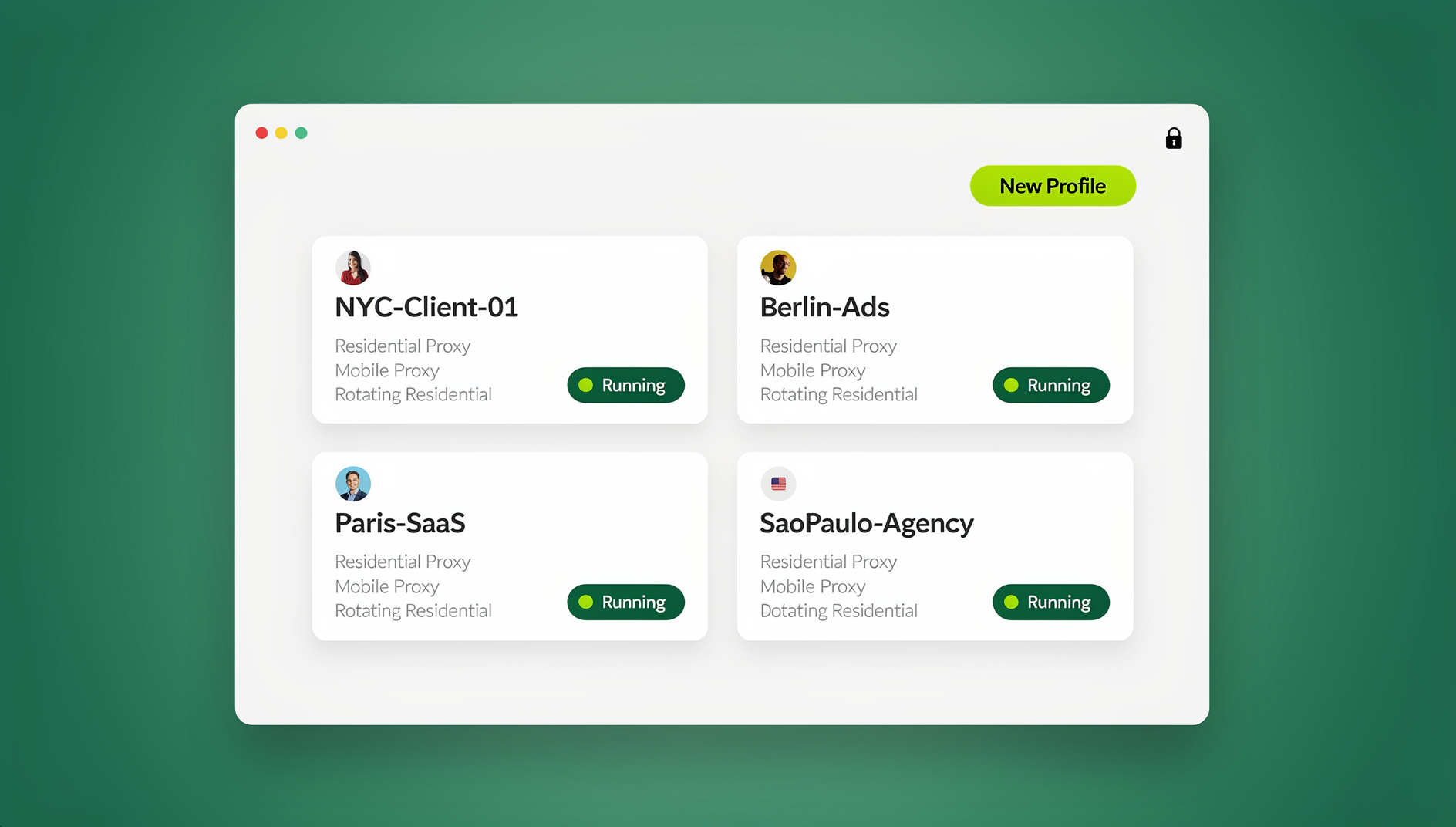
Send.win solves this problem by offering isolated browser sessions. With Send.win, each financial platform runs in a separate, sandboxed environment with its own unique cookies and cache. This allows you to check your USD accounts, convert EUR balances, and reconcile everything in Xero simultaneously without session conflicts. Send.win is available via the Sendwin Browser (a native desktop app) and cloud browser sessions that run instantly in the cloud with no installation required. Paid plans start at $19/mo (Pro plan with 150 profiles and Automation API) or $49/mo (Team plan with 16 seats and 500 profiles), and include a 30-day free trial with no credit card required.
Managing global currencies means handling multiple secure sessions. Using a sandboxed browser environment ensures that your session cookies do not leak across banking platforms, maintaining banking-grade security across all your foreign accounts. This is a critical practice for firms that handle financial bookkeeping for multiple international entities, as it prevents accidental data cross-contamination and ensures strict compliance with security standards.
🏆 Send.win Verdict
Managing multiple currencies in accounting software is essential for international businesses to maintain accurate books and comply with global tax laws. Reconciling these foreign accounts across multiple banking dashboards simultaneously is best done using Send.win’s isolated sessions.
Try Send.win free today — Keep your multi-currency banking and accounting dashboards logged in simultaneously without session timeouts or cookie conflicts.
Frequently Asked Questions
Which accounting software has the best multi-currency features?
Xero is widely considered the best platform for small-to-mid-sized international businesses due to its automated hourly XE.com rate feeds and excellent multi-currency bank reconciliation interface. QuickBooks Online Essentials and Plus are also strong options, while NetSuite is the standard for large global enterprises needing multi-subsidiary consolidation.
Can I change my base currency after setting it up?
No, most accounting software platforms (including QuickBooks Online and Xero) lock your base currency once you enable the multi-currency feature. It is critical to choose your primary functional currency carefully during the initial setup of your company file, as changing it later requires creating an entirely new company database.
How often should I revalue my foreign currency bank balances?
You should revalue your foreign currency bank accounts, outstanding invoices, and bills at the end of every month. This ensures your monthly financial statements accurately reflect the base-currency value of your foreign assets and liabilities. The unrealized gains and losses are typically reversed automatically on the first day of the next month.
Do I need separate bank accounts for each currency I hold?
Yes, it is highly recommended to hold foreign currencies in separate accounts to avoid automatic conversion fees from traditional banks. Modern digital business accounts like Wise Business and Revolut allow you to hold balances in dozens of currencies under one account structure, which you can sync as separate bank feeds to your accounting software.
What is the difference between realized and unrealized currency gains?
Unrealized gains and losses occur on paper when exchange rates fluctuate while an invoice or bill is outstanding. No cash has actually changed hands. Realized gains and losses occur when the invoice or bill is paid. The difference in cash value between the invoice date and payment date represents a real taxable gain or deductible loss.
How does Send.win help with reconciling multiple currency platforms?
Send.win provides fully isolated browser sessions for each financial platform, allowing you to access domestic checking accounts, international payment gateways, and accounting ledgers at the same time in sandboxed tabs. This prevents cookie conflicts, session logs outs, and security alerts, streamlining the month-end reconciliation process.
How are foreign exchange gains taxed under business regulations?
In most countries, realized foreign exchange gains are treated as taxable income, and realized losses are deductible expenses. Unrealized gains and losses are typically adjusting entries for financial reporting and do not trigger tax liabilities until the transactions are settled, though you should consult a qualified accountant for your specific region.
Is multi-currency accounting available on free software?
Most free accounting software, such as Wave, does not support automated multi-currency tracking or foreign bank feeds. Free platforms usually require you to manually calculate and record exchange rates. If your business regularly deals with international currencies, upgrading to a paid platform like Xero or QuickBooks is well worth the investment.