Why Look for a Kameleo Alternative?
Finding a reliable kameleo alternative is essential for digital marketers and privacy professionals who need robust anti-detect browsing features, cloud synchronization, and advanced team collaboration without paying high pricing tiers. While Kameleo offers strong desktop-based fingerprinting, modern tools provide cloud browser sessions and native clients that are more cost-effective and secure. Below, we compare the top alternatives, including Send.win, Multilogin, and GoLogin, detailing how they handle isolated browsing environments.
Kameleo has established itself as a desktop-based anti-detect browsing tool with notable features, such as supporting Chromium and Firefox-based profiles and offering mobile emulation. However, it suffers from severe limitations that make teams look for alternatives. First, running dozens of profiles simultaneously on a local machine consumes an immense amount of CPU and RAM, which can slow down even high-end workstations. This local dependency means that you cannot scale your multi-account campaigns without constantly upgrading your computer hardware. Second, its team features are barebones; sharing profiles requires exporting files manually, which is highly inefficient and creates security risks. Third, its Automation plan, which unlocks API access for Puppeteer and Selenium scripts, costs €199 per month, placing it out of reach for many developers. For these reasons, finding a high-quality replacement has become a priority for teams looking to scale their multi-account operations.
In addition to performance and pricing bottlenecks, Kameleo lacks native web access. Since profiles are stored locally on the host machine, you cannot access your accounts on the go or from mobile devices. If a team member needs to access an active browser session urgently, they must be at their physical desktop. This lack of flexibility is a major obstacle for modern distributed teams that operate across time zones. Modern platforms solve this problem by leveraging cloud-based setups, where virtual browsers run on remote servers and are accessible via standard web applications.
Key Criteria for Selecting a Fingerprint Masking Tool
When searching for a suitable replacement, you must evaluate several factors beyond just profile creation. The quality of browser fingerprinting remains paramount. The software must alter browser headers, canvas hashes, WebGL parameters, and audio contexts at the engine level to prevent websites from detecting inconsistencies. If a website spots a discrepancy between your declared browser version and the underlying hardware parameters, your account will be immediately flagged and banned. A good replacement tool must offer automatic fingerprint configuration that dynamically generates unique and natural fingerprints for every session.
Another major consideration is the platform’s pricing structure. Many traditional desktop clients impose steep fees that increase as you add profiles. Choosing a platform that offers a generous entry-tier plan, like the Send.win Pro tier, can save you hundreds of dollars monthly. Additionally, you should evaluate the deployment options. Some providers only offer desktop clients, while others offer a hybrid approach with cloud browser sessions that run in isolated containers. These cloud-hosted browsers eliminate local resource constraints entirely, allowing you to run hundreds of profiles from a basic laptop or even a smartphone.
Finally, evaluate the collaboration capabilities. Distributed marketing agencies and affiliate teams require the ability to share active sessions instantly and securely. Look for platforms that support passwordless profile sharing, role-based permission settings, and audit logs. This prevents team members from knowing the actual credentials of client accounts while still allowing them to manage those accounts safely. Built-in proxy routing and automatic matching of timezone, language, and geolocation parameters are also essential features for maintaining account longevity.
The 8 Best Kameleo Alternatives Ranked
1. Send.win — The Ultimate Cloud-First Alternative
Send.win represents a paradigm shift in multi-account management. Instead of running modified browsers locally and risking hardware information leaks, Send.win runs real Chromium instances inside isolated cloud containers. This cloud-first architecture ensures that your local machine’s hardware parameters are never exposed, rendering fingerprint tracking completely ineffective. Because the browser instance runs on a remote cloud server, target websites only see the clean, server-side hardware parameters, eliminating the common leakage points associated with local spoofing.
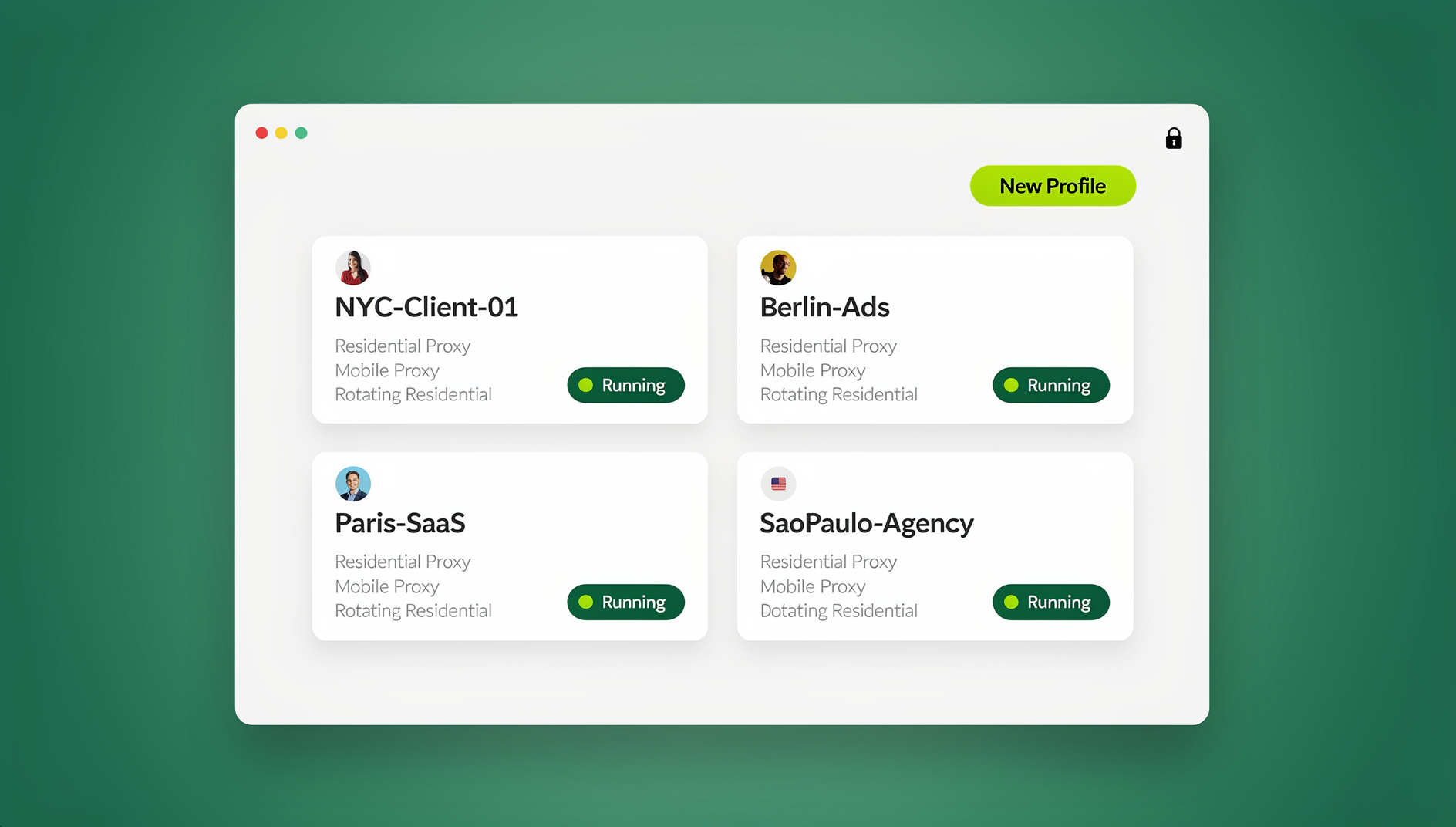
The platform provides two primary modes of operation to accommodate different workflows. The first is the Sendwin Browser, a native desktop app available for Windows, macOS, and Linux that lets you launch and manage profiles locally. The second is cloud browser sessions, which let you open and run isolated browser profiles directly inside your standard web browser. This means you can manage your accounts from any device, including a tablet or phone, with no installation required, offering unprecedented operational flexibility.
Pricing is highly competitive: Send.win offers paid plans starting at $19/month for Pro ($83.88/year) and $49/month for Team ($251.88/year), with the first card purchase covered by a 7-day money-back guarantee. There is no free trial, but you can preview the cloud browser with the free demo at https://send.win/demo-browser/. Send.win has no automation interface — no API, SDK, headless mode or Selenium/Puppeteer/Playwright support on any plan.
2. Multilogin — Premium Fingerprint Spoofing
Multilogin is one of the oldest and most established tools in the anti-detect industry. It provides deep, engine-level modifications through its proprietary browsers, Mimic (Chromium-based) and Stealthfox (Firefox-based). If you are looking for a desktop client that offers exceptional fingerprint consistency for high-value accounts, it is a strong contender. Its developer team spends significant resources reverse-engineering anti-bot systems to keep their browser engines updated.
However, Multilogin remains extremely expensive, starting at $99/month for basic access. It does not offer a free tier, and its team features are locked behind higher payment brackets. For users seeking a budget-friendly Multilogin alternative, Send.win offers comparable fingerprint protection at a fraction of the cost, with paid plans starting at $19/month and the first card purchase covered by a 7-day money-back guarantee. The high entry fee makes Multilogin less suitable for start-ups or solo marketers who need to manage a moderate number of accounts.
3. GoLogin — User-Friendly Desktop and Web Sync
GoLogin is a popular choice for solo operators who need a balance between cost and functionality. Running on its customized Orbita browser, GoLogin offers cloud synchronization, an Android application, and a web-based launcher. Its user interface is polished and easy for beginners to navigate, and it allows users to set up profiles quickly with standard configurations. It includes a built-in proxy service that provides free proxies for testing, although these proxies are often shared and slow.
The main drawbacks of GoLogin include its reliance on local hardware resources for desktop operations and its Chromium-only engine. Furthermore, its fingerprint masking, while good, is not as robust as cloud-hosted options that eliminate hardware leaks entirely. For developers, API automation is supported but requires higher-tier subscriptions. Send.win does not offer an automation interface on any plan. If you are comparing options, you will find that GoLogin works well for basic tasks but struggles with highly secure platforms.
4. AdsPower — Specialized E-Commerce Automation
AdsPower is widely used by e-commerce store owners and social media buyers. Its primary strength lies in its built-in robotic process automation (RPA) templates. These templates allow users to automate repetitive actions—such as scraping data, creating social media posts, and warm-up browsing—without writing any code. AdsPower supports both Sun Browser (Chromium) and Flower Browser (Firefox) engines, giving users some engine flexibility.
While AdsPower is highly affordable, starting at $9/month, it is a desktop client that requires local installation. Running multiple RPA scripts simultaneously puts a heavy load on local hardware. Additionally, its interface is cluttered and has a steep learning curve for users who do not require automated e-commerce workflows. For manual account management, a simpler cloud browser environment is often preferred. The custom pricing model can also become complex, as you are charged based on the exact number of profiles and team seats you select.
5. Incogniton — Developer-Focused Desktop Tool
Incogniton provides a solid desktop client with a generous free plan that includes up to 10 profiles. It includes local API automation on all paid plans, making it attractive for developers who write custom Selenium or Puppeteer scripts. The tool features custom cookie management, bulk profile creation, and basic team profile sharing. It is a popular tool among developers who are just starting out with browser automation.
The limitations of Incogniton are its desktop-only deployment and lack of cloud browser options. Because profiles run locally, users face the same hardware constraint problems as Kameleo. Furthermore, updates can be infrequent, leading to compatibility issues with newer web standards. The support team is also smaller, meaning troubleshooting can take longer compared to larger platforms.
6. Dolphin Anty — Built for Media Buying Teams
Dolphin Anty is optimized specifically for affiliate marketing and digital advertising teams. Its dashboard includes integrations with Facebook Ads and TikTok Ads, enabling users to monitor ad campaigns directly from the browser manager. It offers a free tier of 10 profiles and supports active profile status tagging, which helps teams keep track of which account is active, paused, or banned. It has a modern interface that appeals to younger digital marketers.
Dolphin Anty is a desktop application, meaning it does not offer the flexibility of cloud browser sessions. Its pricing rises sharply for team plans, and the focus on media buying means that generic multi-account users may find many features redundant. It is also limited to Chromium-based profiles, lacking the browser engine diversity found in Kameleo. The team has also experienced server issues in the past, causing downtime for synced profiles.
7. Hidemyacc — Basic Account Management
Hidemyacc is a budget anti-detect browser that offers basic profile isolation starting at $15/month for 30 profiles. It allows users to customize operating system parameters and browser headers. It is a simple tool designed for users who need a basic level of privacy and do not require advanced automation or cloud features. It is relatively easy to use but lacks the advanced features of premium competitors.
The primary issue with Hidemyacc is its lack of advanced fingerprint spoofing depth. It struggles to bypass advanced anti-bot protections on major platforms like Amazon or Google. Its documentation is limited, and support is only available during specific hours, making it difficult for enterprise teams to rely on it for critical business operations. If you need a reliable tool for high-value accounts, you should look for a more robust option.
8. MoreLogin — Dual-Engine Desktop Client
MoreLogin is a newer entry that provides both Chromium and Firefox-based engines, similar to Kameleo. It features competitive pricing and basic profile sharing tools for teams. It focuses on the Asian digital marketing sector, providing localized support and regional proxy integrations. It also features a clean, simple layout that is easy to navigate.
However, MoreLogin is desktop-only and has a smaller track record compared to older platforms. If you are exploring a Sessionbox alternative or a MoreLogin replacement, you will find that cloud-first tools offer much better stability. The lack of web-based access means you cannot manage profiles on the go without your primary desktop computer. There are also reports of fingerprint inconsistencies on highly protected advertising platforms.
Feature Comparison Table
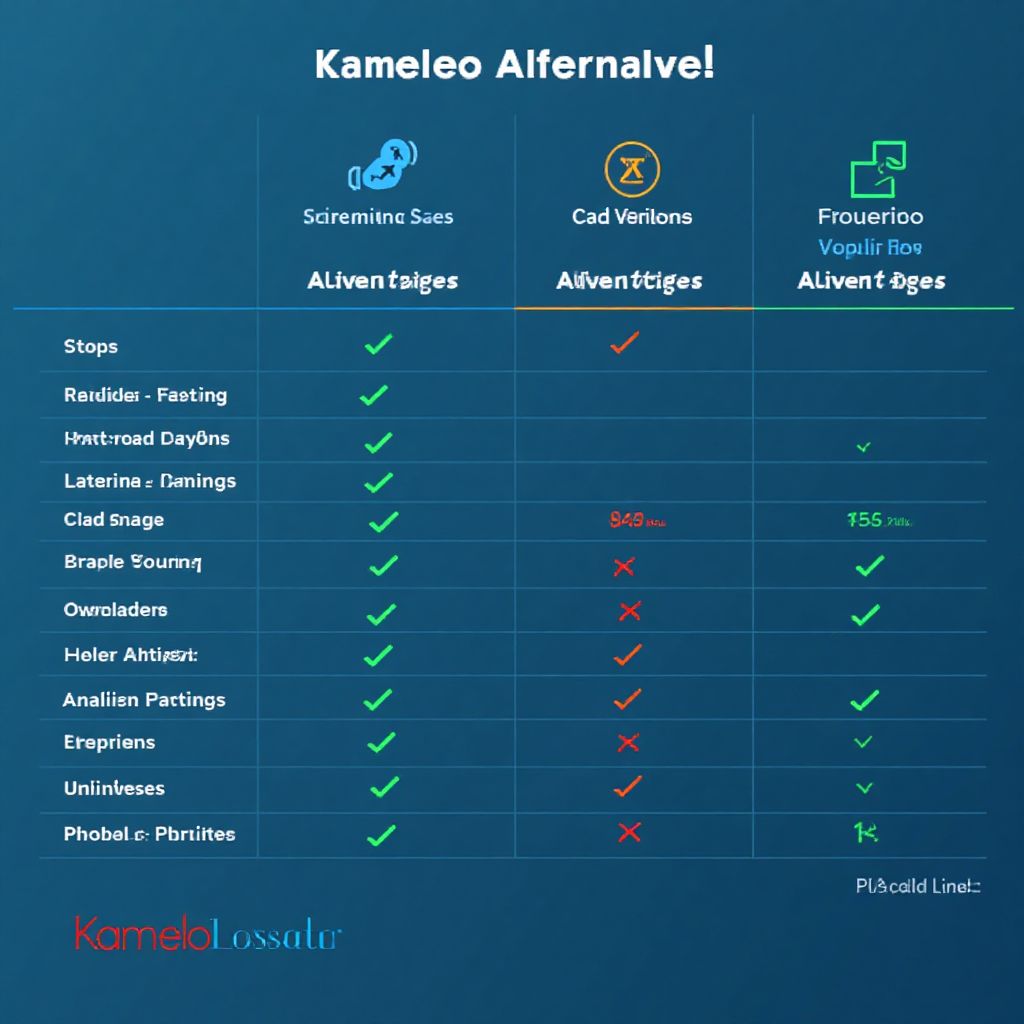
| Provider | Deployment Mode | Starting Price | Free Tier | API Access Included | Team Features |
|---|---|---|---|---|---|
| Send.win | Desktop & Cloud | $19/month | No (7-day money-back guarantee; free cloud demo) | Pro Tier ($19/mo) | Yes (Session Links) |
| Kameleo | Desktop Only | €59/month | No | €199/mo plan only | No |
| Multilogin | Desktop Only | $99/month | No | All Plans | Yes |
| GoLogin | Desktop & Cloud | $49/month | 3 Profiles | Paid Plans | Yes |
| AdsPower | Desktop Only | $9/month | 2 Profiles | Paid Plans | Yes |
| Incogniton | Desktop Only | $49/month | 10 Profiles | Paid Plans | Yes |
Why Cloud-First Architecture Outperforms Desktop Clients
The fundamental issue with traditional desktop anti-detect tools is that they attempt to spoof fingerprints locally. Websites have developed advanced detection techniques that look for inconsistencies between your hardware capabilities and the declared browser headers. Because a desktop application runs on your local machine, it is highly susceptible to hardware leaks, such as graphics card identifiers, audio driver latencies, and CPU thread signatures. If a website runs a script that queries your hardware directly, it can bypass the local browser modifications and read your actual computer profile.
By switching to a cloud-first platform, you run browser profiles on dedicated remote servers. The hardware specifications of these cloud containers are completely genuine, meaning there is no need to spoof or fake hardware indicators. Furthermore, cloud browser profiles require zero local computing power. You can run hundreds of simultaneous profiles on a budget laptop or mobile device without experiencing lag. Cloud-based platforms also facilitate instant profile sharing. Instead of exporting large profile files, you simply share a secure session link, allowing team members to collaborate in real-time. This eliminates the risk of file corruption and simplifies operations.
Additionally, cloud browser environments offer superior security because the browsing sessions are completely sandboxed. If a profile is compromised by malware or a tracking script, it remains confined to the cloud container, keeping your local network and physical machine completely safe. This separation is particularly valuable for research and data scraping operations, where you might visit untrusted sites. Offloading processing to the cloud also reduces electricity consumption and extends the battery life of portable devices, making it a sustainable and efficient solution for modern businesses.
How to Seamlessly Migrate Your Profiles from Kameleo
If you are ready to transition to a more flexible kameleo alternative, following a structured migration plan will prevent account disruptions. First, open Kameleo and export your browser cookies for each profile in Netscape or JSON format. Keeping your cookies is vital because they maintain your logged-in sessions and establish trust with target websites, reducing the risk of verification checkpoints. If you skip this step, target websites will see a login attempt from a new device, which can trigger security challenges or account locks.
Second, document the proxy details assigned to each profile. You must use the exact same proxy IPs in your new setup to avoid triggering location-based flags. Third, when creating new profiles in your replacement tool, select matching operating system profiles (such as matching a Windows user agent with Windows emulation). Fourth, import the saved cookies into your new profiles. Before logging into your accounts, visit a fingerprint analysis site like browserleaks.com to ensure that your IP, WebGL, and canvas hashes are correctly isolated. Once verified, you can safely log into your target platforms and resume operations.
Using isolated browser profiles is also critical if you are comparing different platforms. For example, if you are looking for a Browserling alternative or comparing remote testing tools like a browser.lol alternative, having a secure, cloud-based workspace is the safest way to execute multi-profile operations. By centralizing your workflows inside a reliable cloud manager, you reduce administrative overhead and ensure that all team operators follow the same security protocols, protecting your brand’s digital assets.
🏆 Send.win Verdict
Send.win is the leading kameleo alternative for modern digital teams, replacing resource-heavy desktop tools with secure, isolated cloud browser sessions that simplify team collaboration.
Try the Send.win cloud demo — preview the future of secure cloud-hosted browsing with no signup required, or start a paid plan covered by a 7-day money-back guarantee.
Frequently Asked Questions
What is the best free kameleo alternative available?
Send.win offers a free cloud demo at https://send.win/demo-browser/ that lets you preview cloud browser sessions without signup, and paid plans whose first card purchase is covered by a 7-day money-back guarantee. For permanent free tiers, tools like Incogniton and Dolphin Anty offer 10 free local profiles but lack cloud-based isolation.
How does Send.win prevent local hardware leaks?
Unlike desktop clients that run browser profiles on your local machine, Send.win hosts browser profiles inside remote cloud containers. The hardware parameters run on server infrastructure, meaning your local GPU and CPU signatures are never exposed to target websites.
Can I use my own proxies with these alternative tools?
Yes, all reputable alternatives support the integration of HTTP, HTTPS, SOCKS4, and SOCKS5 proxies. Setting up high-quality residential proxies is essential to ensure that your isolated profiles have unique IP addresses and do not trigger security bans.
Does Send.win include an Automation API in the Pro plan?
No, Send.win has no automation interface: no API, SDK, headless mode or Selenium/Puppeteer/Playwright support on any plan. The Pro plan costs $19/month ($83.88/year), and the first card purchase is covered by a 7-day money-back guarantee. Kameleo, by contrast, restricts API access to their €199/month Automation plan.
Which alternative supports both Chromium and Firefox engines?
AdsPower, Multilogin, and MoreLogin support both Chromium and Firefox-based browser engines. Send.win focuses on highly optimized Chromium-based containers running in the cloud, which provides maximum compatibility with modern web applications.
Can I share browser profiles with team members without sharing passwords?
Yes, Send.win allows you to share active browser sessions securely via session links. Team members can access the profile in real-time from their own devices without needing the login credentials for the underlying accounts.
What is the pricing for the Send.win Team plan?
The Send.win Team plan costs $49/month ($251.88/year) and provides enterprise-grade multi-account management at a fraction of competitors’ costs.
Does Send.win require a software installation?
No, Send.win does not require any installation to run cloud browser sessions, as they launch directly in your standard web browser. However, for users who prefer local execution, the native Sendwin Browser desktop client is available for download on Windows, macOS, and Linux.