Bypassing Footprints and Restoring Control
To manage multiple google plus accounts—or any modern Google accounts—safely in 2026, you should use dedicated session-isolation software like Sendwin Browser or cloud browser sessions. By isolating each profile’s cookies, fingerprints, and IP address, you can prevent Google from linking your different workspaces or triggering unexpected security suspensions. While Google Plus was discontinued, this guide shows you how to manage multiple Google profiles without getting blocked.
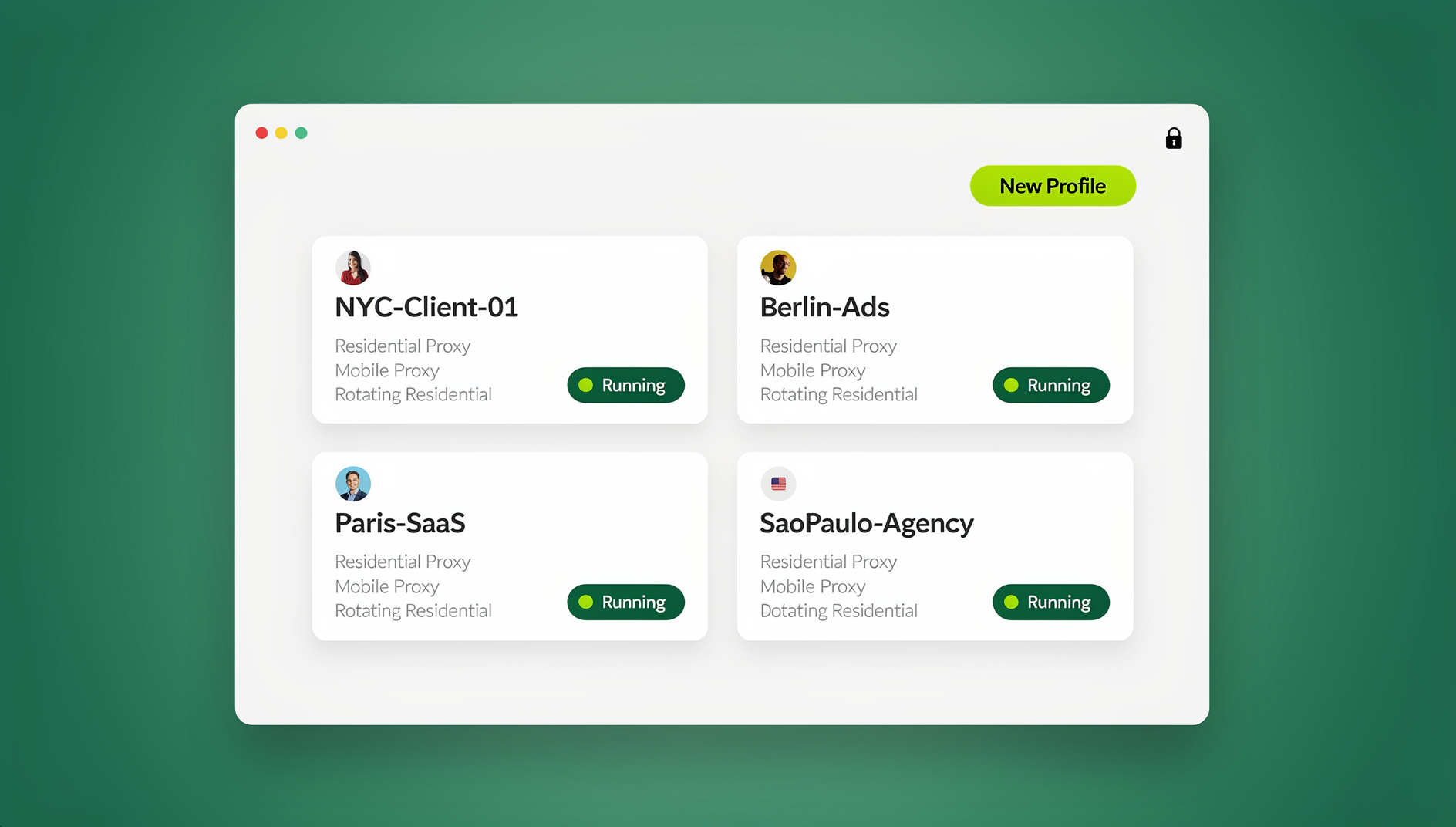

Google’s ecosystem remains one of the most interconnected digital spaces online. When you sign into a Google account, you aren’t just logging into Gmail; you are authenticated across Google Search, YouTube, Google Drive, Google Maps, Google Ads, and a myriad of partner sites that utilize Google Sign-In. For professional digital marketers, social media managers, and agency owners, this deep integration is a double-edged sword. While it offers unparalleled convenience, it creates severe challenges when you need to keep your personal life separate from work or manage dozens of client accounts without cross-contaminating their footprints.
The Evolution from Google Plus to Modern Google Accounts
Historically, the need to manage multiple google plus accounts arose from businesses running local brand pages, circles, and community profiles. Although Google+ for consumers was retired in 2019, the underlying infrastructure of Google profiles and business pages remains. Today, the requirement to run multiple distinct Google accounts has only grown. Modern brands must manage separate YouTube channels, Google Business Profiles (formerly Google My Business), Google Ads managers, and Google Drive storage units.
If you attempt to log into multiple Google accounts using traditional browser tabs, Google’s sophisticated tracking algorithms will instantly link them. They examine your cookies, local storage, IP address, canvas rendering, fonts, and other hardware identifiers. This collective profile forms your browser fingerprint. If Google detects that multiple accounts are being operated by the same machine without proper isolation, they may lock all related accounts or flag them for verification, which can devastate an agency’s operations. This makes understanding the nuances of digital fingerprinting crucial for anyone looking to maintain multiple distinct identities across Google services.
Why Single-Session Browsers Fail Modern Managers
Most standard web browsers are designed for a single user with a single digital identity. They maintain a shared pool of cookies and local storage. When you open a new tab and go to Gmail, the browser automatically sends the active session cookie for the account you are already signed into. To sign into a second account, you must either sign out of the first or use Google’s native multi-account switcher.
Google’s native account switcher allows you to add up to 10 accounts under one session. However, this method is highly insecure for professional multi-account operations because it links the accounts permanently in Google’s database. Google associates all 10 profiles with the same physical device, the same browser configuration, and the same IP address. If one account is suspended for a policy violation, the others are at extreme risk of chain-reaction bans.
Furthermore, standard browser environments do not offer geographic isolation. If you have team members in different parts of the world accessing the same client Google account, the sudden jump in IP address locations will trigger Google’s automated security systems, requiring immediate phone verification or locking the account entirely. This lack of security boundaries is why professional agencies have abandoned standard browsers for their multi-account operations.
Evaluating Chrome Browser Profiles for Multi-Account Separation
A step up from Google’s native account switcher is the use of Chrome browser profiles. Each profile creates a separate directory on your local drive, isolating cookies, browsing history, and saved passwords. This allows you to open two different Chrome windows and log into different Google accounts simultaneously.
While Chrome profiles are suitable for basic work-life separation, they fall short for professional, high-stakes operations. The reasons include:
- Shared Hardware Fingerprints: Chrome profiles do not modify your computer’s canvas, audio, or WebGL fingerprints. Google can still see that these profiles originate from the exact same physical hardware.
- Same IP Address: Unless you use advanced proxy setups, all Chrome profiles share your local network’s IP address. If you manage multiple Google profiles on the same IP, they are easily linked.
- No Centralized Team Sharing: You cannot easily share a Chrome profile with a remote team member. Exporting cookies and profiles manually is complex and insecure.
- Heavy System Resource Usage: Running ten or twenty Chrome profiles simultaneously consumes vast amounts of RAM, causing system lag and crashes.
To overcome these limitations, professional managers utilize a dedicated chrome multi account management workflow that relies on advanced sandboxing tools.
How Session Isolation Protects Your Google Profiles
True session isolation goes beyond separating cookies. It intercepts and modifies the browser’s response to fingerprinting scripts. When you launch an isolated profile, the session isolation tool presents a completely unique set of hardware attributes to Google’s servers. The canvas, screen resolution, operating system version, and audio signatures are altered to look like a completely different device.
Additionally, each session is paired with a specific proxy IP address. If you are managing a client account based in New York, you can route that specific session through a residential proxy in New York. To Google, the connection looks entirely natural—a local user accessing their account from their usual city on their usual device. If you need to manage multiple client properties, matching the proxy location to the client’s actual location is a vital step in avoiding verification loops. This process is highly relevant to other platforms as well. For instance, e-commerce managers facing similar IP and session linking issues often use similar tools to operate multiple amazon accounts without detection, highlighting the universal importance of browser fingerprint masking.
Using a Cookie Management Tool to Streamline Google Access
Maintaining active login states across numerous Google accounts is a major productivity hurdle. In a standard browser, cookies expire, or security alerts force you to log back in. Entering usernames, passwords, and 2FA codes for ten different accounts every morning is a massive waste of time.
With an advanced cookie management tool, your session cookies are securely stored in the cloud and synced across your devices. When you open a profile, the browser automatically injects the active login cookies, allowing you to bypass the login screen entirely. This “persistent session” model means you can access Gmail, Google Drive, and YouTube Studio with a single click, saving hours of administrative overhead every week.
Furthermore, cloud-synced cookies allow team members to access the same profiles without ever knowing the password. You can delegate account tasks to virtual assistants or content creators securely, without the risk of them changing the recovery settings or locking you out of your own brand accounts. It turns a fragmented workflow into a centralized, secure operations hub.
Comparing Multi-Account Management Techniques
Selecting the right workflow requires comparing how each option handles key security features. Standard setups offer convenience but fail to protect against advanced tracking systems. A robust strategy balances ease of access with complete profile security. Below is a detailed breakdown of the different approaches.
| Management Method | Cookie Isolation | Fingerprint Protection | Proxy Integration | Team Collaboration |
|---|---|---|---|---|
| Google Switcher | No (Linked) | No | No | No |
| Chrome Profiles | Yes (Local) | No | Manual Only | No |
| Sendwin Browser | Yes (Isolated) | Yes (Spoofed) | Built-in API | Yes (Cloud Sync) |
| Sendwin Cloud Sessions | Yes (Cloud-run) | Yes (Spoofed) | Yes (Any Location) | Yes (Share Links) |
Managing Google Ads and Analytics Without Flags
For advertising agencies, the stakes are even higher. Operating multiple client Google Ads accounts from a single browser is an invitation for account suspensions. Google Ads monitors payment methods, device IDs, and browser history to prevent fraudulent advertising practices. If you log into two different client ad accounts that are completely unrelated using the same browser profile, Google may flag the accounts for suspicious behavior or billing association.
By using a dedicated browser for ads management, you ensure that every client’s ad dashboard is loaded in a clean, isolated environment. There is zero cookie leakage between profiles, and the browser fingerprints are completely decoupled. You can run ads for different clients, manage their Google Analytics, and track conversions without worrying about cross-account linkings or policy flags. This isolates campaign data and maintains clean client relationships.
Advanced Profiling: The Technology Behind Fingerprint Masking
To truly understand how browser isolation works, one must look at what standard web browsers share with websites. When a webpage loads, it runs scripts that query your browser’s configuration. This includes screen dimensions, timezone settings, system language, operating system kernels, device memory, graphics card drivers, and media devices. By utilizing advanced APIs, scripts can draw complex graphics to an invisible canvas or play synthetic audio tones, capturing how your hardware processes these actions. The minute variations in rendering form your unique device signature.
A professional profile management tool does not just block these scripts, as blocking them looks highly suspicious to automated fraud-prevention tools. Instead, it intercepts the queries and returns realistic, randomized data that matches the simulated operating system. If your profile is configured as a macOS system running Safari, the tool will return WebGL, canvas, and device parameters that are common to Apple hardware, ensuring your profile blends in with millions of other legitimate users.
Best Practices for Setting Up Multiple Google Accounts
If you are setting up a multi-account system for your agency, follow these best practices to ensure long-term stability and prevent security alerts:
- Use Clean Proxies: Always pair your isolated profiles with high-quality residential or mobile proxies. Avoid cheap datacenter proxies, as their subnets are often blocklisted by Google’s automated threat detection. Residential proxies route your traffic through standard home internet connections, making them highly trusted.
- Keep Profiles Consistent: Once you configure a browser profile for a specific Google account, do not change its settings (like user-agent or operating system spoofing). Google expects a user to log in from the same device consistently. Sudden hardware signature changes look suspicious and can trigger immediate security reviews.
- Enable Two-Factor Authentication: Never skip 2FA. Register a separate recovery phone number or use authenticator apps for each account. Do not link all accounts to the same recovery email, as this creates a single point of failure.
- Separate Financial Profiles: If you are running ads or purchasing Google Workspace subscriptions across multiple accounts, use unique billing addresses or virtual credit cards to prevent billing-based association. Shared payment cards are a common trigger for automatic account linked suspensions.
🏆 Send.win Verdict
Managing multiple Google profiles without proper protection is a major risk for digital businesses. Send.win provides absolute security by isolating browser cookies, local storage, and digital fingerprints in independent sandboxed containers.
Try Send.win free today — Get your 30-day free trial now and run up to 150 profiles with the Pro plan.
Frequently Asked Questions
How many Google accounts can I manage on one device?
While Google’s native switcher allows up to 10 accounts, using a multi-login tool like Sendwin Browser enables you to manage hundreds of Google accounts on a single computer by keeping every profile fully isolated at the cookie and fingerprint level.
Will Google suspend my accounts if I use multiple profiles?
Google will not suspend accounts for legitimate multi-account management, but they will lock or restrict accounts if they detect suspicious logins from unexpected IP locations or if they link a healthy account to a banned one. True session isolation prevents this linkage.
What is the difference between Chrome profiles and Send.win?
Chrome profiles separate cookies and browsing history locally, but they do not change your hardware fingerprints or integrate proxies directly. Send.win modifies your digital fingerprint and routes each profile through unique proxies, providing complete isolation.
Can I share access to a Google profile with a team member?
Yes. Send.win cloud browser sessions allow you to share a secure link with team members. They can access the active, logged-in Google profile immediately without needing to know the master password or input 2FA verification codes.
Are datacenter proxies safe for managing Google Ads?
No. Datacenter proxies are easily detected by Google because their IP blocks belong to hosting providers. For sensitive operations like managing Google Ads or Google Business Profiles, you should always use high-quality residential proxies.
Does Send.win require a credit card for the free trial?
No. Send.win offers a 30-day free trial that does not require any credit card information. You can start creating and testing isolated browser profiles instantly on your desktop or via cloud sessions.
Which Send.win plan includes the Automation API?
The Automation API, which supports Puppeteer, Playwright, and Selenium integrations, is available starting on the Pro plan at $19/mo (or $6.99/mo billed annually — 63% off), as well as the Team plan at $49/mo ($20.99/mo billed annually — 57% off).
Can I access Send.win cloud sessions from a mobile device?
Yes. Because Send.win cloud browser sessions run in the cloud, you can access and control your active, logged-in profiles from any modern device, including smartphones and tablets, without installing any local software.