Unlocking Team Access and Avoiding Device Lockouts
Sharing a multiple managers instagram account is best achieved using Meta Business Suite for official agency access or Sendwin Browser for direct, password-free session sharing. While third-party scheduling tools support publishing, only cloud-based browser sessions allow multiple team members to manage direct messages, Reels, and interactive Stories without triggering Instagram’s strict device verification blocks. Here is how to configure secure multi-manager access in 2026.
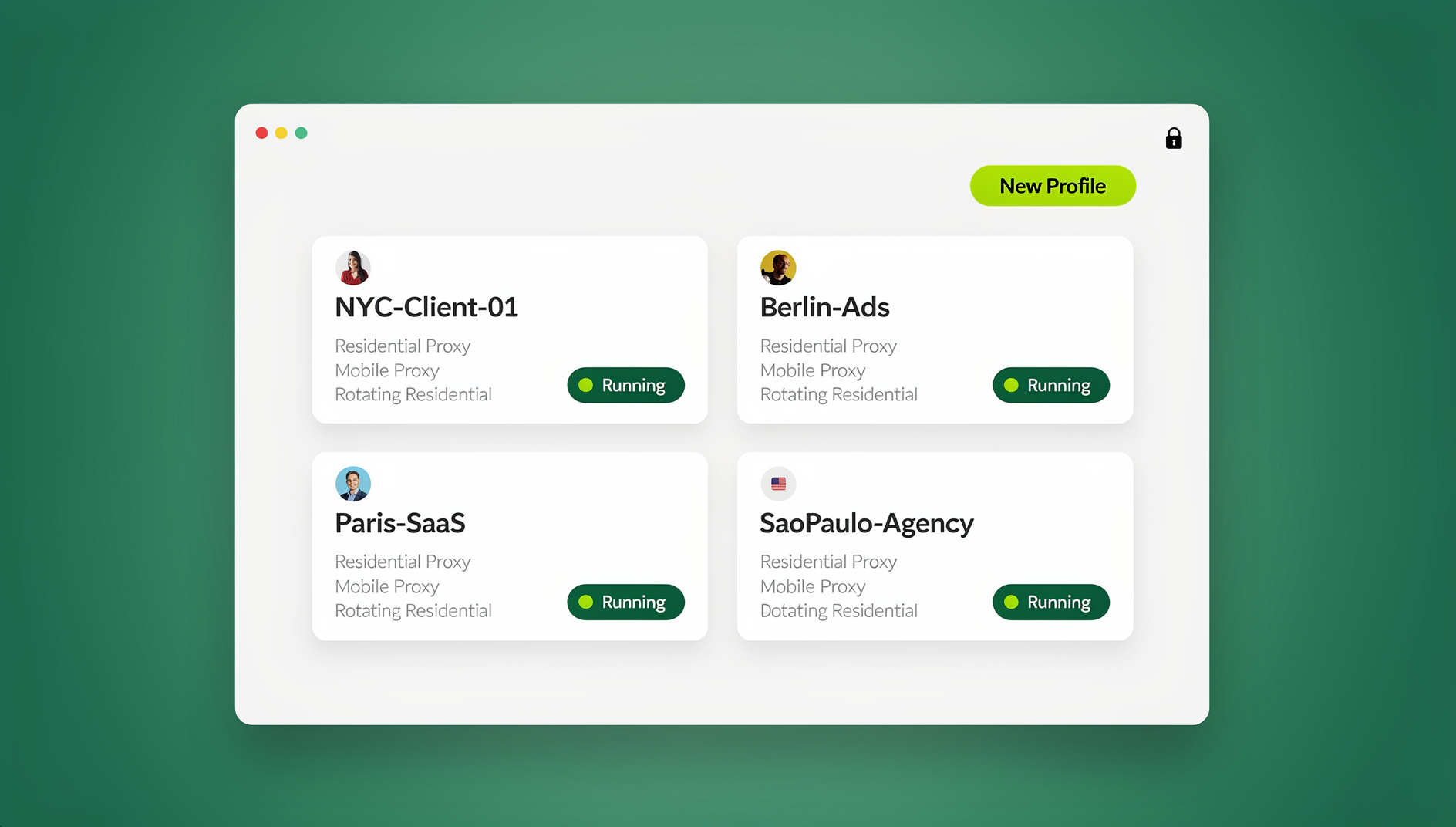
Managing a growing brand on Instagram requires a collaborative effort. From drafting grid posts and editing Reels to answering customer inquiries in the direct messages (DMs) and engaging with comments, the workload is too heavy for a single person. However, Instagram was originally designed as a mobile-first, single-user application. Over the years, Meta has introduced various team tools, but the platform remains notoriously strict regarding account security. If several team members attempt to log into the same Instagram account from different locations, devices, or networks, Instagram’s security algorithms will flag the activity as suspicious, leading to immediate account lockouts and mandatory password resets. This can halt your marketing campaign and cause critical delays in customer communications.
Method 1: Utilizing Meta Business Suite for Official Team Access
For brands operating a Professional account (either Business or Creator), the official and most secure way to add multiple managers is through Meta Business Suite. This tool allows you to link your Instagram account to a Facebook Page and manage both assets under a single Meta Business Manager umbrella.
To configure this setup, follow these steps:
- Switch to a Professional Account: In the Instagram app, navigate to Settings, select Account Type and Tools, and switch to either a Creator or Business profile.
- Link to a Facebook Page: Go to your Instagram profile, click Edit Profile, and select Page under public business information to connect or create a Facebook Page.
- Access Meta Business Manager: Open your web browser and go to business.facebook.com.
- Add Team Members: Go to Business Settings, click on People under the Users menu, and select Add. Enter the team member’s email address.
- Assign Assets and Roles: Select the connected Instagram account and specify the level of access (e.g., Content Creation, Messages, Ads, or Insights) that the team member requires.
By using Meta Business Suite, your team members do not need to know the master password for the Instagram account. They simply log in using their personal Facebook credentials and access the brand’s assets through the Business Suite dashboard, protecting your primary account security and ensuring all actions are logged under their individual user profiles.
Meta Business Suite Roles and Permissions
To maintain high security, you should always apply the principle of least privilege. Assign team members only the permissions they need to complete their assigned tasks. The table below summarizes the core permissions associated with each team member role within the platform.
| Business Suite Role | Publish Content | Manage DMs | Run Ads | View Insights |
|---|---|---|---|---|
| Administrator | Yes | Yes | Yes | Yes |
| Editor | Yes | Yes | Yes | Yes |
| Moderator | No | Yes | No | Yes |
| Advertiser | No | No | Yes | Yes |
The Limits of Official Meta Tools
While Meta Business Suite is the official solution, it has significant limitations that frustrate social media managers daily. First, the interface is often slow and complex, making rapid engagement difficult. Second, and more importantly, Business Suite does not support every Instagram feature. Actions like posting Reels with trending audio, engaging in interactive Stories (using polls, stickers, or links), or performing active outreach are often restricted or unavailable outside the native mobile app or desktop browser interface.
Furthermore, if you are managing personal client accounts or creator profiles that are not linked to a Facebook Page, Meta Business Suite is not an option. In these situations, agencies often default to sharing the password directly with their team. This is a highly dangerous practice. When team members log in from different locations, Instagram flags the sudden changes in IP address and device fingerprint as a security threat. This triggers continuous verification loops, requiring the owner to provide 2FA codes at random hours of the day, or worst of all, causing a temporary account lock.
To avoid these issues, agencies need a workflow that mirrors the advanced isolation strategies used in multi-store retail. For instance, brands managing multiple amazon accounts rely on strict environment separation to prevent account linkings, and the same principle must be applied to social media management. Without this protection, one client’s account warning can compromise your entire agency’s portfolio. Isolating profiles remains the only reliable safeguard.
Solving the Instagram Direct Message (DM) Bottleneck
Customer service has shifted heavily to social media DMs. For brands, responding to customer inquiries, tracking order status updates, and solving support queries in the Instagram DM inbox is crucial for customer retention. When only one person has access to the Instagram mobile application, support requests pile up, leading to high response times and frustrated clients.
Meta Business Suite does offer a unified inbox, but it frequently fails to sync in real-time or drops message attachments. Furthermore, the Business Suite mobile app is prone to bugs that prevent notifications from appearing. This forces teams to seek direct access to the Instagram web interface or mobile application. If three support representatives attempt to sign in to the web interface simultaneously from their respective home offices, Instagram’s system will instantly lock the account due to “suspicious access patterns.” By routing all your support representatives through a shared Send.win session utilizing a single static residential proxy, your support team can log in simultaneously without triggering security alerts. They see the exact same interface, receive real-time updates, and can respond to customers in seconds. This allows you to maintain high customer satisfaction levels without compromising profile security.
Troubleshooting Instagram Verification Challenge Loops
One of the most frustrating experiences for social media agencies is the “verification loop”. This occurs when Instagram’s automated risk models flag a login attempt as anomalous. Instead of allowing standard username and password authentication, the platform requests a security code sent to the owner’s phone or email address, or requires them to log in from a previously verified device. If your team members are scattered across time zones, getting this code in a timely manner is nearly impossible. If the loop is triggered multiple times in a week, Instagram may place a permanent block on the account or shadowban the profile’s content, reducing your organic reach.
These verification checks are triggered by network and device metadata shifts. When Instagram detects a new WebGL rendering fingerprint, a change in browser version, or an IP address that belongs to a different country or internet provider, its system assumes the account is being compromised. Standard browsers do not prevent these shifts, as they pass along raw hardware data. In contrast, using a dedicated profile isolation tool ensures that the hardware fingerprint remains completely static. Every time a team member logs in, Meta’s servers receive the exact same device configuration, suppressing the security triggers. Combined with static residential proxies, this completely eliminates the verification loop, allowing your team to operate smoothly.
Using Isolated Browser Sessions for Password-Free Collaboration
The modern solution to Instagram’s security limits is session-isolation technology. By using a tool like Sendwin Browser, you can create a dedicated browser profile specifically for the brand’s Instagram account. Inside this profile, the account owner logs in once. The session cookies, local storage, and device fingerprints are saved securely in the cloud.
Once logged in, the profile can be shared with team members using a secure sync link. When a team member opens the profile, the browser loads the active Instagram session immediately. The team member can write posts, check DMs, and publish content as if they were sitting at the owner’s desk. They do not need to input the password, and they do not trigger 2FA prompts because the device fingerprint remains completely identical. This is far more secure than using general container solutions like firefox multi-account containers, which do not modify hardware fingerprints or support synchronized cloud access across different physical devices. It ensures that the digital environment remains stable and trusted by Meta’s security crawlers.
This process ensures that your team can collaborate in real-time. If one team member is responding to DMs in New York while another is scheduling posts from London, using residential proxies matched to the profile keeps the connection clean and secure. This matches the security standards needed for complex, high-volume e-commerce profiles, such as those discussed in our guide to safe multi-store operations. By implementing these measures, your agency can grow its social footprint safely.
Transitioning Away from Traditional Multi-Account Systems
Many social media managers attempt to manage their accounts by constantly switching profiles on their mobile devices or using standard desktop profiles. While standard web browsers allow you to open multiple windows, they do not mask your hardware signatures. Instagram can read your device’s WebGL, canvas, and audio fingerprints to link all the accounts back to your machine. If you run multiple client accounts and one client violates Instagram’s terms of service, all accounts operated from your device could face shadowbans or restrictions. It represents a single point of failure for an agency.
Moving your workflow to a dedicated chrome multi account management system or using Sendwin Browser ensures complete isolation. Each client’s profile is separated at the deepest level, keeping your agency assets fully protected from cross-contamination and providing a smooth path for long-term growth.
Security Protocols for Shared Social Accounts
When running a multi-manager Instagram setup, follow these strict security protocols:
- Never Share Master Credentials: Avoid writing passwords in team chat rooms or sharing them via spreadsheets. Use session-sharing links to grant access, keeping the owner credentials completely confidential.
- Deploy Residential Proxies: Pair each social profile with a high-quality residential proxy. Match the location of the proxy to the target audience or client’s physical location to improve content delivery and login trust.
- Establish a Strict Offboarding Checklist: When a contractor or employee leaves, revoke their access to the shared browser profile in your Send.win dashboard immediately. This revokes their active session cookies instantly without requiring a password change, avoiding lockouts.
- Monitor Account Activity: Periodically check Instagram’s Login Activity menu in settings to verify that only authorized, recognized browser profiles are accessing the account and flag any anomalies.
🏆 Send.win Verdict
Managing a collaborative Instagram profile requires both functional access and security. Send.win provides the perfect balance by allowing team members to share active browser sessions without exposing passwords or triggering 2FA blocks.
Try Send.win today — Get your paid plan now and experience password-free team collaboration.
Frequently Asked Questions
Can multiple people manage an Instagram account simultaneously?
Yes. By using Meta Business Suite or Send.win cloud browser sessions, multiple managers can log into the same account and perform tasks like scheduling content and answering DMs at the same time.
How do I give an agency access to my Instagram?
The most secure way is to switch to a Professional account, link it to a Facebook Page, and add the agency as a Partner in your Meta Business Settings. This avoids password sharing completely.
Does Instagram lock accounts for sharing passwords?
While sharing passwords is not explicitly banned, Instagram’s security system will lock the account if it detects logins from multiple different IP locations or unrecognized device profiles in a short timeframe.
How does Send.win prevent 2FA loops?
Send.win stores the active login session cookies in the cloud. When a team member launches the profile, the browser inherits the active login state and the exact same device fingerprint, bypassing the 2FA requirement.
Are third-party social media schedulers safe?
Yes, tools that use the official Instagram API are safe to use. However, they only support scheduling and basic analytics, and cannot access native features like interactive Stories, DMs, or Reels audio customization.
How long is the Send.win trial?
Send.win offers paid plans starting at $19/mo (Pro) or $49/mo (Team), with the first card purchase covered by a 7-day money-back guarantee. You can test all features, including cloud sync and browser profile isolation, on the Pro tier.
Does Send.win include an Automation API on any plan?
No. Send.win does not offer an Automation API, SDK, headless mode, or Selenium/Puppeteer/Playwright support on any plan.
What is the difference between Send.win and standard container plugins?
Standard container plugins only isolate cookies and local storage. Send.win goes further by masking your hardware browser fingerprint and integrating proxy IPs directly, preventing platforms like Instagram from linking accounts.