The best browser isolation software protects your network by executing web code in a secure, remote environment, completely sandboxing threats away from your local device. While enterprise platforms like Cloudflare and Menlo Security offer zero-trust network solutions, Send.win stands out as the best browser isolation software for teams and individuals, running containerized sessions in the cloud with no local footprint. Let’s compare the top tools for 2026.
The Urgent Need for Browser Isolation in Modern Cybersecurity
Traditional security tools—such as firewalls, antivirus, and URL filters—attempt to protect networks by identifying and blocking known threats. However, this detection-based approach is failing. Malicious actors deploy thousands of new zero-day exploits, phishing links, and complex JavaScript attacks daily, which easily bypass signature-based defenses. The web browser has become the primary entry point for corporate malware, making secure execution environments essential.
Browser isolation represents a fundamental shift in cybersecurity. Under a Zero Trust model, it assumes that all web traffic is potentially malicious. Instead of trying to decide which sites are safe and which are dangerous, it executes all web code inside a secure, containerized environment. This ensures that even if a user visits a fully compromised website, the malicious code runs in a remote sandbox—not on the user’s local computer. This eliminates the risk of drive-by downloads, session hijacking, and endpoint compromises.
For organizations with remote teams, this protection is particularly important. Employees frequently access corporate resources from personal devices and public networks, increasing the attack surface. Implementing a robust isolation solution ensures that web-based threats are intercepted and neutralized before they can reach the corporate network. By separating content execution from content presentation, browser isolation provides a secure, friction-free experience that protects sensitive business data.
Furthermore, traditional endpoint detection tools require installing resource-heavy agents on every device, which can degrade system performance and disrupt workflows. Managing these agents across diverse operating systems and personal devices is an ongoing challenge for IT departments. Browser isolation avoids this overhead by shifting security processing to remote servers. This clientless approach protects endpoints without affecting local system resources, providing a seamless experience for end-users.
In addition, advanced malware can capture keystrokes and session tokens directly from local browser memory. By shifting browser execution entirely to a secure cloud container, you create a physical barrier between the untrusted web code and your local RAM. Even if a script runs inside the cloud session, it has no way to read data from your local applications, password manager, or operating system files, providing a higher tier of data protection.
How Browser Isolation Software Works under the Hood
To evaluate the best browser isolation software, it is important to understand the different architectures used to isolate web sessions. There are three main approaches:
- Remote Browser Isolation (RBI): The browser runs on a remote server in the cloud or an on-premises data center. The user interacts with the session via their local browser, but no web code actually executes on their physical device.
- Local Browser Isolation: The browser runs inside a virtual machine or container on the user’s local machine. While this avoids network latency, it consumes local hardware resources and is vulnerable to container escape exploits.
- Cloud Container Isolation: The browser runs inside an ephemeral cloud container. The session is rendered and streamed to the user’s local screen, providing total data segregation and zero local footprint.
Within remote isolation, two primary rendering methods are used to deliver the session to the user. Pixel streaming renders the web page on the server and streams a video of the page to the local browser. While highly secure, it requires significant network bandwidth and can introduce lag. DOM reconstruction attempts to strip malicious code from the web page and recreate the HTML/CSS in the local browser. This is faster but carries a risk of failing to block advanced exploits hidden in complex scripts.
Another emerging approach is network vector rendering. This captures drawing commands on the server and sends them to the local browser to execute. This method reduces latency and bandwidth requirements compared to pixel streaming, while maintaining high security. However, it requires a specialized agent or custom browser interface to process the vectors, which can increase setup complexity. Understanding these architectural details is essential for choosing a solution that aligns with your network infrastructure.
Cloud container isolation represents the most modern evolution. Rather than streaming static screenshots or reconstructing complex page elements, it spawns a full, dedicated virtual browser session in a secure cloud sandbox. The interaction commands (mouse clicks, scrolling, key presses) are sent upstream, and the remote container streams only the visual updates back down. This keeps latency low while maintaining 100% compatibility with interactive web pages, video content, and real-time collaboration suites.
Top Best Browser Isolation Software Solutions Evaluated
The market for browser isolation has matured, with solutions catering to different organization sizes, budgets, and security requirements. Below, we review the top platforms for 2026.
1. Send.win
Send.win is the best isolation software for individuals, small businesses, and growing teams seeking accessible security. Send.win runs browser profiles inside secure cloud containers, ensuring that no web code executes on your local device. In addition to cloud sessions, Send.win offers a native desktop client (the Sendwin Browser) for local workspace isolation. This dual-mode approach provides both high-security cloud containerization and local multi-profile management. This makes it the leading choice in the search for the best browser isolation software.
Send.win is highly affordable. The Pro plan costs $19/mo (or $83.88/yr) and includes 150 profiles, 5GB of proxy bandwidth, and the desktop app for Windows, macOS and Linux. The Team plan is $49/mo (or $251.88/yr) and includes 500 profiles, 20GB of proxy bandwidth, and 16 team seats. Extra bandwidth is priced at $6/GB. The first card purchase is covered by a 7-day money-back guarantee, and the only free option is the cloud demo at https://send.win/demo-browser/.
By leveraging cloud container isolation, Send.win enables users to access their isolated environments from any location. Because the remote containers run on secure cloud infrastructure, your local network is protected from tracking scripts, malware, and browser-based exploits. If you visit a suspicious site, the container absorbs the risk. Once the session is closed, the container is destroyed, ensuring that no malicious files or cookies persist to your next session. This provides complete peace of mind for privacy-conscious users and business operations.
2. Cloudflare Browser Isolation
Cloudflare is a major player in the enterprise security space. Its isolation tool uses proprietary Network Vector Rendering (NVR) to stream drawing commands to the local browser. This provides a fast, native-feeling browsing experience with minimal latency. However, Cloudflare is designed for large enterprises and requires a complete Zero Trust subscription, making it complex and expensive to deploy for smaller teams. It also lacks a standalone option, meaning you must commit to their entire gateway architecture.
3. Menlo Security
Menlo Security is a pioneer in the isolation space, promoting an “isolate everything” philosophy. It strips all active content from web pages and reconstructs them safely in the user’s browser. This eliminates the need to categorize websites as safe or malicious. While highly secure, Menlo is an enterprise-only platform that requires extensive IT administration and carries a high cost per user. It can also break interactive web applications that rely on complex, custom scripts, leading to user frustration.
4. Zscaler Browser Isolation
Zscaler integrates browser isolation into its Secure Internet Gateway (ZIA) and Private Access (ZPA) platforms. It uses smart policies to isolate only risky, uncategorized, or newly registered domains, while letting standard traffic pass through naturally. Zscaler is an excellent choice for large enterprise organizations already utilizing its broader security ecosystem, but it is not available as a standalone product. Smaller organizations may find its administration and license fees excessive.
5. Authentic8 Silo
Authentic8 Silo is a cloud-based isolated browser designed specifically for security researchers, OSINT investigators, and financial compliance teams. It features advanced attribution management, allowing users to browse the dark web or sensitive sites without revealing their corporate identity. Silo is highly specialized and priced as a premium security tool, making it unsuitable for general business browsing. It lacks the performance optimizations needed for daily, high-bandwidth business operations.
Key Considerations for Choosing Your Isolation Software
Selecting the best tool requires evaluating several technical and operational factors. First, consider performance and latency. If the software introduces noticeable lag or breaks complex web applications, your users will search for workarounds to bypass security. Look for platforms that offer low-latency rendering, such as Send.win’s cloud container stream or Cloudflare’s Network Vector Rendering.
Second, review data loss prevention (DLP) controls. The software should allow administrators to restrict clipboard copy/paste, file downloads, uploads, and printing within isolated sessions. This is critical for protecting intellectual property and preventing employees from accidentally downloading malicious files or entering sensitive data on suspicious pages.
Third, assess deployment and management complexity. Enterprise-grade platforms often require installing endpoint agents, configuring complex network routing, and managing extensive policy engines. If your organization lacks a large IT department, a clientless, web-based solution like Send.win is much easier to manage, as it runs instantly in any browser without configuration.
Additionally, evaluate network bandwidth requirements. Pixel streaming solutions typically require 2 to 5 Mbps of active bandwidth per concurrent user, which can strain corporate WAN connections. In contrast, DOM reconstruction or direct container streaming models operate on 1 to 2 Mbps per session. Choosing a bandwidth-efficient tool prevents network congestion and maintains high video quality for remote workers.
Compliance and Regulatory Data Protection Frameworks
For organizations operating in regulated sectors—such as finance, healthcare, or government operations—browser security is not just a best practice, but a legal compliance requirement. Data regulations like GDPR, HIPAA, and PCI-DSS require organizations to implement robust security measures to protect consumer data and prevent data breaches. Because a significant percentage of data breaches originate from web-based phishing and malware downloads, deploying browser isolation software is an effective control to meet these regulatory requirements.
By executing web sessions in containerized cloud sandboxes, you ensure that sensitive data remains isolated from unauthorized applications. Send.win supports granular DLP policies, enabling compliance officers to restrict file uploads containing sensitive data, audit web activities, and block copy-paste commands within high-security profiles. This helps organizations maintain a zero-trust architecture, passing compliance audits easily while reducing the risk of costly data exposure penalties.
Advanced Isolation Techniques for Tech-Savvy Teams
If you have developer resources, you can implement custom sandbox environments. For instance, setting up a secure proxy browser setup allows you to route isolated web traffic through dedicated residential or datacenter IPs. This masks your network origin and protects your corporate IP space from being flagged by security databases.
Additionally, some organizations deploy a containerized docker browser environment. By running web instances inside isolated Docker containers, you ensure that any exploits are contained within the container. If the container is compromised, it can be destroyed and recreated in seconds. This architecture is closely linked to advanced application isolation, which sandboxes individual software components to prevent security breaches.
By integrating these technologies into your security stack, you create a robust defense-in-depth framework. For general productivity, combining proxy configurations and containerization with a managed platform like Send.win simplifies administration. This allows your team to benefit from high-security virtual browsing without having to manually configure and maintain complex server infrastructure.
Furthermore, setting up automated health checks for your container network is recommended. If a docker browser instance experiences high memory usage or crashes during execution, the orchestrator should automatically terminate and spawn a clean replacement. This self-healing architecture prevents resource leaks and guarantees that users always land on a clean, safe, and highly responsive start page.
Step-by-Step Deployment Guide
Implementing browser isolation in your organization can be achieved in a few simple steps:
- Sign Up for Send.win: Register for an account to try the free cloud demo at https://send.win/demo-browser/ (a 3-minute preview without signup, 10 minutes a day with a free account). This allows you to evaluate the platform in a live environment.
- Choose Your Isolation Mode: Decide whether you want to use the native Sendwin Browser client for local profile management, or run isolated cloud browser sessions directly in the cloud.
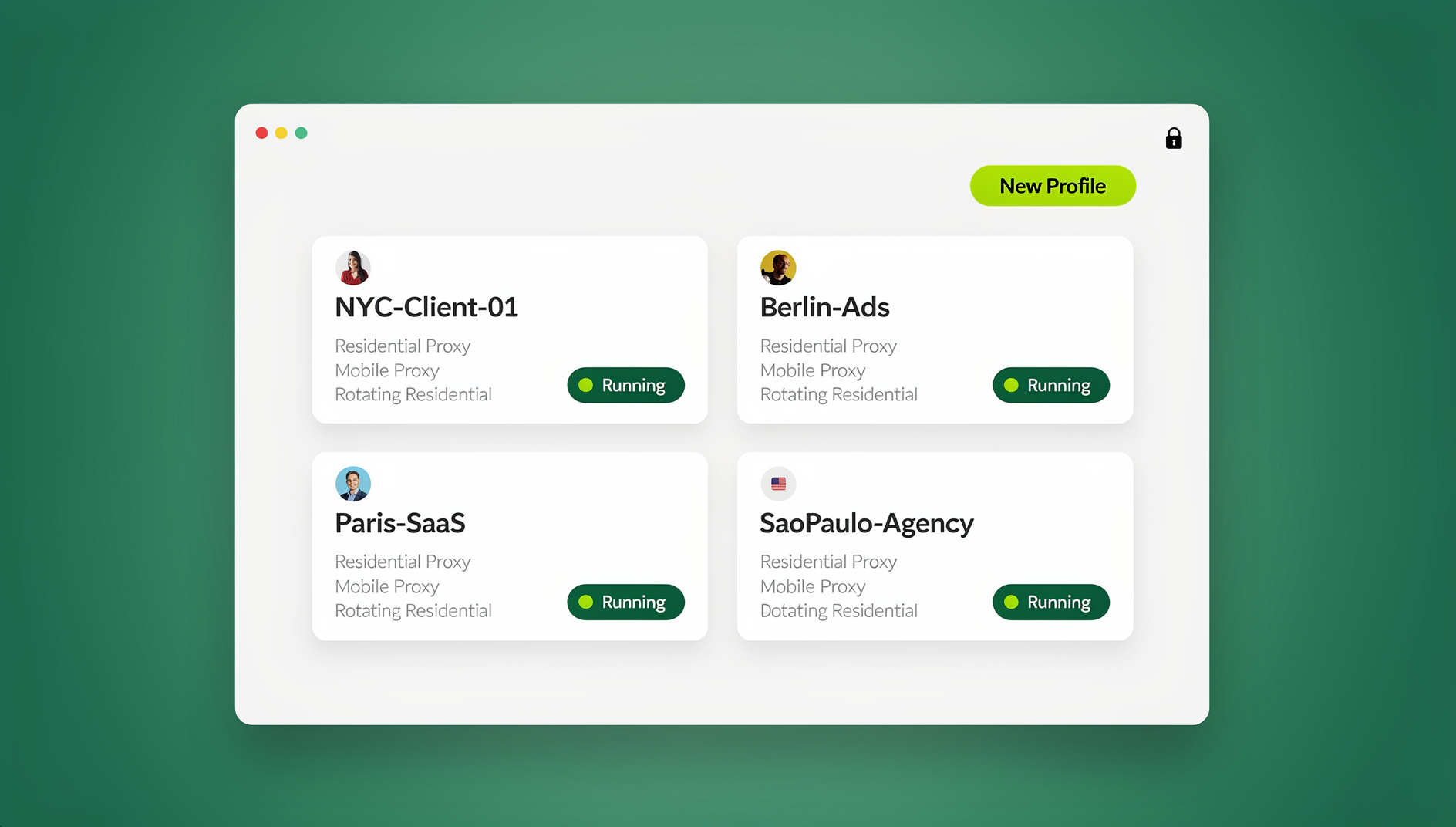
- Create Profiles: In the dashboard, set up separate profiles for different departments or roles (e.g., “Finance Workspace” or “Marketing Sandbox”).
- Configure Network Settings: Assign proxies to your profiles to ensure that all web traffic is routed securely. Send.win automatically syncs timezone and language settings based on the proxy IP.
- Define Security Policies: Set up rules for clipboard sharing, file uploads, and downloads to protect sensitive data.
- Invite Your Team: Share access to profiles on the Team plan, allowing your employees to collaborate in secure, isolated environments without sharing passwords.
🏆 Send.win Verdict
Protecting your network from modern web threats requires executing all web code in a secure, containerized sandbox. Send.win is the best browser isolation software for growing businesses and individuals. By providing both a native desktop client and cloud browser sessions, it delivers advanced security, proxy integration, and isolated browser profiles at a fraction of the cost of traditional enterprise platforms.
Try Send.win free today — secure your web browsing sessions with instant cloud containerization.
Frequently Asked Questions
What makes Send.win the best browser isolation software for teams?
Send.win provides an accessible and affordable isolation platform. Unlike complex enterprise systems, Send.win runs browser sessions inside secure cloud containers that can be accessed from any device with zero installation, while supporting secure profile sharing.
Does remote browser isolation slow down internet speeds?
While some pixel-streaming tools introduce latency, Send.win’s direct cloud stream is optimized for performance, providing a highly responsive browsing experience. Running sessions in the cloud also offloads hardware processing from your local device.
Can browser isolation prevent credential theft and phishing?
Yes. By running phishing pages inside isolated cloud containers, you prevent them from accessing your local device’s credentials or cache files. Some setups also restrict input fields to prevent users from typing passwords on untrusted pages.
Is a native desktop client required to run isolated sessions?
No. While Send.win offers the Sendwin Browser native desktop app for local execution, you can run isolated cloud browser sessions directly from any modern web browser on your computer, tablet, or phone.
How does cloud browser isolation differ from local sandbox tools?
Local sandboxes run browsers in isolated containers on your local machine, consuming CPU and RAM. Cloud browser isolation runs sessions on remote cloud servers, meaning no web code executes on your physical hardware, saving system resources.
Can I automate tasks within isolated browser containers?
No, Send.win does not support local automation using Puppeteer, Playwright, or Selenium. There is no automation interface on any plan.
What are the pricing options for Send.win’s isolation solutions?
There is no free trial. The Pro plan is $19/mo (or $83.88/yr) and the Team plan is $49/mo (or $251.88/yr). The first card purchase is covered by a 7-day money-back guarantee, and the only free option is the cloud demo at https://send.win/demo-browser/. The Team plan adds 16 seats and 500 profiles.
Establishing a Secure Web Gate for Your Operations
As cyber threats become more sophisticated, traditional detection-based security is no longer sufficient to protect corporate networks. Organizations require a proactive security posture that isolates web traffic entirely, preventing exploits from ever reaching local devices.
Whether you are a security team deploying zero-trust policies or an individual looking for secure browsing, choosing the best browser isolation software is essential. Send.win provides a powerful, affordable, and flexible solution that secures your workspace without slowing down your workflow. Start with the free cloud demo at https://send.win/demo-browser/ today to protect your digital assets.