Brave browser fingerprinting protection works by applying standard farbling techniques that inject subtle, randomized noise into browser API outputs like canvas rendering, audio signatures, and WebGL queries. While this prevents tracking scripts from building a stable identifier across sessions, Brave randomizes a single identity rather than isolating separate accounts. For multi-profile campaigns, teams need a dedicated browser isolation tool that maintains distinct, persistent fingerprints.
The Rising Threat of Browser Fingerprinting
In the early days of the web, tracking was relatively simple. Websites relied almost entirely on HTTP cookies to remember users, track their behavior across different pages, and build advertising profiles. However, as users became more privacy-conscious and began clearing their history, blocking third-party tracking, and using private browsing modes, marketers and data brokers developed a much more powerful tracking method: browser fingerprinting.
Unlike cookies, which are stored on your device and can be deleted, browser fingerprinting is a passive tracking technique. When you load a web page, tracking scripts query your browser for dozens of technical details about your device’s hardware, operating system, and browser configuration. Individually, these details seem harmless. However, when combined, they create a highly unique digital signature. Common fingerprinting vectors include canvas rendering, WebGL characteristics, audio processing capabilities, system screen resolution, installed fonts, and language preferences. Studies show that a browser fingerprint is unique to roughly one in nearly three hundred thousand users, making it incredibly easy to track your identity across the web, even if you route your traffic through a VPN. This is why having strong browsing protection is essential for web privacy.
As tracking scripts have grown more intelligent, they have begun collecting micro-details such as device battery status, Bluetooth capabilities, CPU hardware concurrency, and even the specific order in which your browser renders fonts. When a website compiles these parameters, it forms a detailed profile of your physical hardware and operating system. Even if you block cookies, change your IP address, or use private windows, tracking companies can still identify you because your hardware’s signature remains identical. This is why browser fingerprinting has become the tracking method of choice for advertising networks, anti-fraud systems, and analytics providers.
How Brave Resists Fingerprinting: The Farbling Technique
Brave is one of the few mainstream browsers to address browser fingerprinting out of the box. Rather than blocking the APIs that trackers use (which would break a significant portion of the web), Brave uses a technique called “farbling.” Farbling refers to the process of injecting a small amount of randomized noise into the responses of tracking APIs. The web page still receives a response, but the data is modified just enough to ensure the resulting fingerprint hash changes every time the browser is restarted or a new site is visited.
Canvas and WebGL Noise Injection
Trackers frequently use the HTML5 Canvas API and WebGL to render hidden graphics in the background. Because every GPU and driver combination renders colors and shapes with tiny variations, the resulting image hash is unique. Brave’s farbling engine modifies these renderings at the pixel level. To the human eye, the image looks normal, but the digital signature is completely randomized, rendering canvas tracking useless.
This pixel-level noise is mathematical in nature. By changing a few color values by a fraction of a percent, Brave ensures that the resulting image hash is unique to that specific session. Because the variation is so small, it does not interfere with standard graphics rendering on web pages, games, or video players.
AudioContext API Protection
Similar to canvas tracking, audio fingerprinting queries the browser to process a specific sound wave. The browser’s audio processing pipeline varies based on the operating system, hardware, and audio drivers. Brave adds imperceptible noise to the audio output, ensuring that the tracking script receives a randomized audio signature.
This noise is injected directly into the processing buffer of the AudioContext API. While a tracking script will calculate a completely different hash value, a user listening to music or watching a video will hear absolutely no distortion or background noise, creating a seamless experience.
Font Enumeration Limits
Websites can detect your installed system fonts by measuring the exact dimensions of hidden text strings. In standard mode, Brave restricts the list of visible fonts to a common set of web-safe options. In aggressive mode, it introduces random variations in font metrics (character widths and heights) to block metric-based fingerprinting completely.
By restricting font access, Brave makes it difficult for tracking scripts to build a custom list of your system’s fonts, which is one of the most stable identifiers used in hardware tracking. Standard web pages will fallback to standard styles, preserving layout readability.
Understanding Standard vs. Aggressive Shields
Brave allows users to configure the strength of their anti-fingerprinting defenses via its Shields settings. Understanding these levels is key to balancing security and site usability.
- Standard Mode (Default): Brave applies standard farbling to canvas, WebGL, and audio APIs. It randomizes the values across different browsing sessions but tries to minimize website breakage. Most modern web pages load and function normally.
- Aggressive Mode (Strict): Brave applies maximum randomization and blocks access to additional APIs. It rounds screen dimensions to standard resolutions, limits hardware concurrency disclosures, and restricts device enumeration. While this provides maximum protection, it can cause highly interactive web applications, gaming portals, and security check systems to malfunction.
Choosing between these modes depends on your risk tolerance. For standard web surfing, Standard mode offers a great balance. However, if you are performing sensitive research or wish to avoid tracking completely on highly aggressive platforms, Aggressive mode provides stronger defenses, though at the cost of potential site breakage.
The Limits of Brave’s Anti-Fingerprinting Defenses
While Brave offers excellent privacy features for the average consumer, it has several technical limitations that make it unsuitable for professional multi-account operations.
1. Single-Identity Randomization
Brave is designed for a single user navigating the web. It randomizes your fingerprint per session to prevent trackers from building a history of your actions. However, it cannot create multiple isolated profiles, each with its own stable, persistent fingerprint. If you need to manage multiple business accounts, Brave’s constant randomization will look highly suspicious to platforms that expect a consistent browser configuration. A commercial profile must look like a real, stable machine returning identical parameters over time.
2. Lack of Proxy and Location Matching
Your IP address is a fundamental component of your online identity. Brave does not include per-profile proxy management. If you open separate windows in Brave, they still exit through the same local IP address. A mismatch between a randomized timezone fingerprint and your real IP location is an immediate red flag to security algorithms. Setting up a secure proxy browser setup is required to manage location parameters safely.
3. Randomization is Detectable
Advanced fraud-detection systems do not just look at your fingerprint; they check if the values returned make logical sense. If a browser claims to be running a specific version of Chrome on Windows, but its canvas rendering patterns match a macOS device, the system will flag the mismatch. This is a common issue with basic browser isolation technology: randomization patterns themselves can be detected, signaling to platforms that anti-tracking tools are active. Sophisticated checkers can flag a profile for “farble detection,” indicating that the browser is spoofing data.
Comparing Brave, Firefox Containers, and Send.win
Different privacy tools solve different problems. The comparison table below highlights how Brave compares to other popular privacy options:
| Feature | Brave Browser | Firefox Containers | Send.win Cloud Sessions |
|---|---|---|---|
| Primary Goal | General Consumer Privacy | Basic Cookie Separation | Multi-Account Isolation |
| Fingerprint Protection | Farbling (Randomization) | None (Standard RFP) | Unique, Persistent Spoofing |
| Cookie Separation | Session-Based | Separate Tabs | Isolated per Profile |
| Proxy Routing | System-Wide VPN Only | Via Third-Party Add-Ons | Built-in, per Profile |
| Team Sharing | No | No | Yes, secure session links |
Why Advanced Operations Need Cloud-Based Isolation
If you are running digital marketing campaigns, e-commerce stores, or managing client social media profiles, relying on a standard privacy browser is a recipe for account suspensions. These platforms monitor browser configurations closely. A change in canvas hashes or timezone parameters on every login looks like suspicious fraud behavior.
For these workflows, using a secure cloud-based tool is essential. Setting up a remote docker browser or running cloud sessions ensures that your browser profiles run on secure, stable remote servers. Each profile maintains a consistent, realistic fingerprint that matches its assigned proxy IP, timezone, and language. Because the browser executes in the cloud, there are zero local hardware leaks to worry about, providing a massive advantage over standard desktop privacy browsers.
Furthermore, cloud-based browsers eliminate the cat-and-mouse game of local hardware emulation. When a browser runs on a remote server, it possesses actual physical server hardware characteristics. When a tracker queries the GPU or audio stack, the values returned are real and consistent, rather than mathematically fabricated. This reduces the risk of detection by advanced anti-fraud algorithms that block simulated profiles.
Send.win: The Modern Standard for Session Isolation
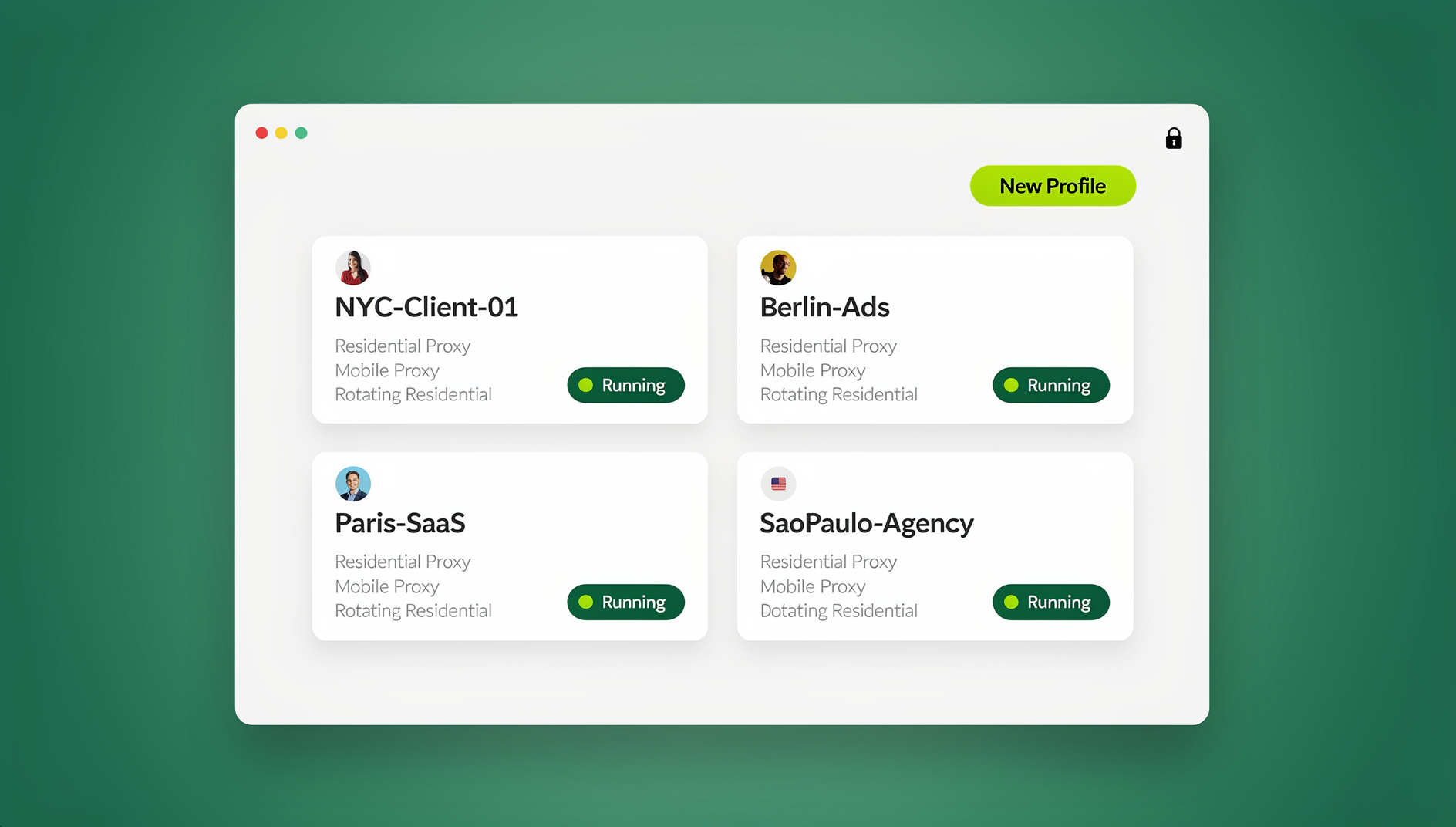
Send.win addresses the limitations of standard privacy browsers by providing complete, multi-layered session isolation. It supports both the native Sendwin Browser desktop client and zero-install cloud browser sessions. Instead of randomizing your identity, Send.win allows you to build unlimited, stable profiles with dedicated proxy configurations and geographically matched fingerprints.
Send.win’s features are designed for professional scalability:
– Pro Plan: Billed at $19/mo (or $83.88/yr), supporting 150 profiles and 5GB of proxy bandwidth.
– Team Plan: Billed at $49/mo (or $251.88/yr), providing 500 profiles, 20GB of proxy bandwidth, and 16 seats.
This allows agencies and individuals to scale their operations securely without the complexity and hardware costs of running multiple virtual machines locally. The first card purchase is covered by a 7-day money-back guarantee, and a free cloud demo is available at https://send.win/demo-browser/.
🏆 Send.win Verdict
Brave browser fingerprinting protection is an excellent choice for daily, personal web browsing where you want to block trackers without breaking pages. However, for managing multiple commercial accounts or client profiles, Brave’s lack of proxy integration and session persistence will lead to account restrictions. Send.win provides a professional-grade alternative, allowing teams to manage isolated, consistent profiles with integrated proxies in a secure cloud environment.
Try Send.win today — plans start at $19/mo, and your first card purchase is covered by a 7-day money-back guarantee.
Frequently Asked Questions
Does Brave browser fingerprinting protection prevent all tracking?
No browser can block all tracking. While Brave is highly effective at blocking canvas, audio, and WebGL fingerprinting, advanced tracking scripts can still collect network-level details, IP addresses, and behavioral data to identify users.
What is farbling in Brave’s privacy settings?
Farbling is Brave’s term for adding subtle, randomized noise to the outputs of browser APIs. This changes your digital fingerprint every time you start a new session or visit a new site, preventing trackers from compiling a long-term profile of your behavior.
Does Brave’s aggressive fingerprint protection break web pages?
Yes, aggressive mode can block essential browser features and round screen resolutions, which often breaks canvas-based CAPTCHAs, web-based games, and interactive banking portals. Standard mode is recommended for normal browsing.
Can I use Brave to manage multiple seller or ad accounts?
No. Brave does not support isolated, persistent profiles with per-profile proxy routing. Running multiple commercial accounts on Brave will expose a single IP address and inconsistent session data, leading to rapid account bans.
What is the difference between Brave and Firefox containers?
Firefox containers separate cookies and local storage across tabs, but they share the same browser fingerprint and IP address. Brave randomizes your fingerprint parameters but does not provide separate, easily shared profile containers.
Does Brave protect my real IP address?
No, Brave does not hide your IP address. To mask your location, you must use a separate VPN or proxy service. Dedicated isolation tools like Send.win integrate proxy management directly into each profile container.
How do I test if Brave’s fingerprinting protection is working?
You can visit a fingerprint testing site like BrowserLeaks. Load the site, note your canvas and WebGL hashes, restart Brave, and reload the page. If the hashes change, Brave’s farbling engine is working as intended.