To manage multiple cloud storage accounts without constant sync errors or login conflicts, the most effective method is using isolated browser profiles on the Sendwin Browser desktop client or via cloud browser sessions. By sandboxing each account’s session data, you can keep Google Drive, OneDrive, and Dropbox accounts open simultaneously in a single interface, bypassing native client installation limits and avoiding file corruption.

The Chaos of Modern Cloud Storage Management
In the early days of cloud computing, most users relied on a single service to store and access their documents. Google Drive was the standard for document editing, Dropbox was the tool of choice for basic file storage, and Microsoft’s OneDrive served enterprise systems. Fast forward to today, and the average professional is forced to juggle files across three or four different services. You might use Google Drive for team collaboration, OneDrive for clients using Microsoft Office, Dropbox for media asset sharing, and iCloud for personal device backups.
This multi-cloud reality is incredibly inefficient. Files become scattered across different platforms, making it difficult to search for documents. Users frequently run into sync conflicts, where updates made on one device fail to sync properly because another cloud client has locked the file. Furthermore, logging into multiple accounts from the same provider—such as a personal Google Drive and a client’s corporate Google Drive—frequently results in permissions errors. To solve this, you need a unified strategy to bring order to your files.
Native Storage Client Limitations: Why Desktops Struggle
The standard way to access cloud files is by installing the official desktop sync clients for each provider. While this works well for a single account, running multiple clients simultaneously presents major drawbacks:
- Heavy System Resource Footprint: Sync engines are resource hogs. Running Google Drive, Dropbox, OneDrive, and iCloud apps at the same time consumes a massive amount of RAM and CPU cycles. If you are working on a laptop, this will drain your battery life rapidly and slow down your other work.
- Hard Drive Space Consumption: While most cloud clients offer “on-demand” file downloading, they still maintain local file databases and cache folders. Over time, these caches grow to take up dozens of gigabytes of storage space on your local drive.
- Database Contamination: When you run multiple sync engines on the same local folders, they can conflict. For example, if you sync a folder on your computer to Google Drive, and then try to sync that same folder to OneDrive, the two applications will fight for read/write file access, leading to corrupted documents and duplicated folders.
- Multi-Account Limitations: Most native clients do not support logging into multiple accounts from the same provider. Google Drive’s desktop app has limits on the number of accounts you can link, and adding a second personal Dropbox account is locked behind expensive business subscriptions.
Aggregation Services vs. Browser Isolation: A Direct Comparison
To bypass native client limits, some professionals use third-party cloud aggregation tools like MultCloud or CloudMounter. These systems link your cloud storage accounts to a single platform, allowing you to manage files from one dashboard. While convenient, they introduce security concerns. To connect your cloud accounts, you must grant these third-party tools complete read and write access to your files, which poses a massive privacy risk if the aggregation platform is ever compromised.
Browser isolation represents a far safer approach. Instead of giving a third-party service access to your documents, you access the official web portals of Google, OneDrive, and Dropbox directly. By isolating each account’s session data in sandboxed browser profiles, you can run multiple accounts concurrently without security risks. Here is how these three methods compare:
| Evaluation Metric | Native Desktop Clients | Third-Party Aggregation Tools | Browser Profile Isolation |
|---|---|---|---|
| Third-Party File Access | None (direct connection). | High (aggregator reads your data). | None (direct to official web portal). |
| System Resource Usage | High (multiple sync engines running). | Low (cloud-based transfers). | Low (standard browser tab weight). |
| Multi-Account Support | Very limited or blocked. | Supported, but requires account mapping. | Unlimited concurrent profiles. |
| Local Storage Drag-and-Drop | Fully supported (native filesystem). | Varies by tool integration. | Fully supported via browser drop. |
How Browser Profile Isolation Solves the Multi-Cloud Problem
Every major cloud storage provider offers a full-featured web portal. However, standard browsers restrict you because they share session data. If you log into your business OneDrive, you cannot access your personal OneDrive in another tab without getting logged out of the first. Standard users sometimes attempt to manage this with a Chrome multi-account setup. While Chrome profiles separate basic cookies, they lack advanced fingerprint masking and consume a large amount of memory, slowing down your machine.
Using a dedicated cookie management tool and session isolation engine solves this problem. Each browser tab is completely containerized. The browser fingerprint, cache, and session cookies are separate. This means you can open ten different Google Drive accounts side-by-side on your desktop without any logins crossing over or expiring. Because this runs via the web, it does not sync files to your local disk, saving your hard drive space and preserving CPU resources.
Step-by-Step: Streamlining Your Cloud Storage with Send.win
Send.win is designed to host your isolated browsing sessions securely. It offers two real modes: Sendwin Browser (the native desktop app) and cloud browser sessions for zero-install access. Send.win does not require you to install any browser add-ons, ensuring a clean and secure browsing environment.
Here is how to set up a unified cloud storage workspace in Send.win:
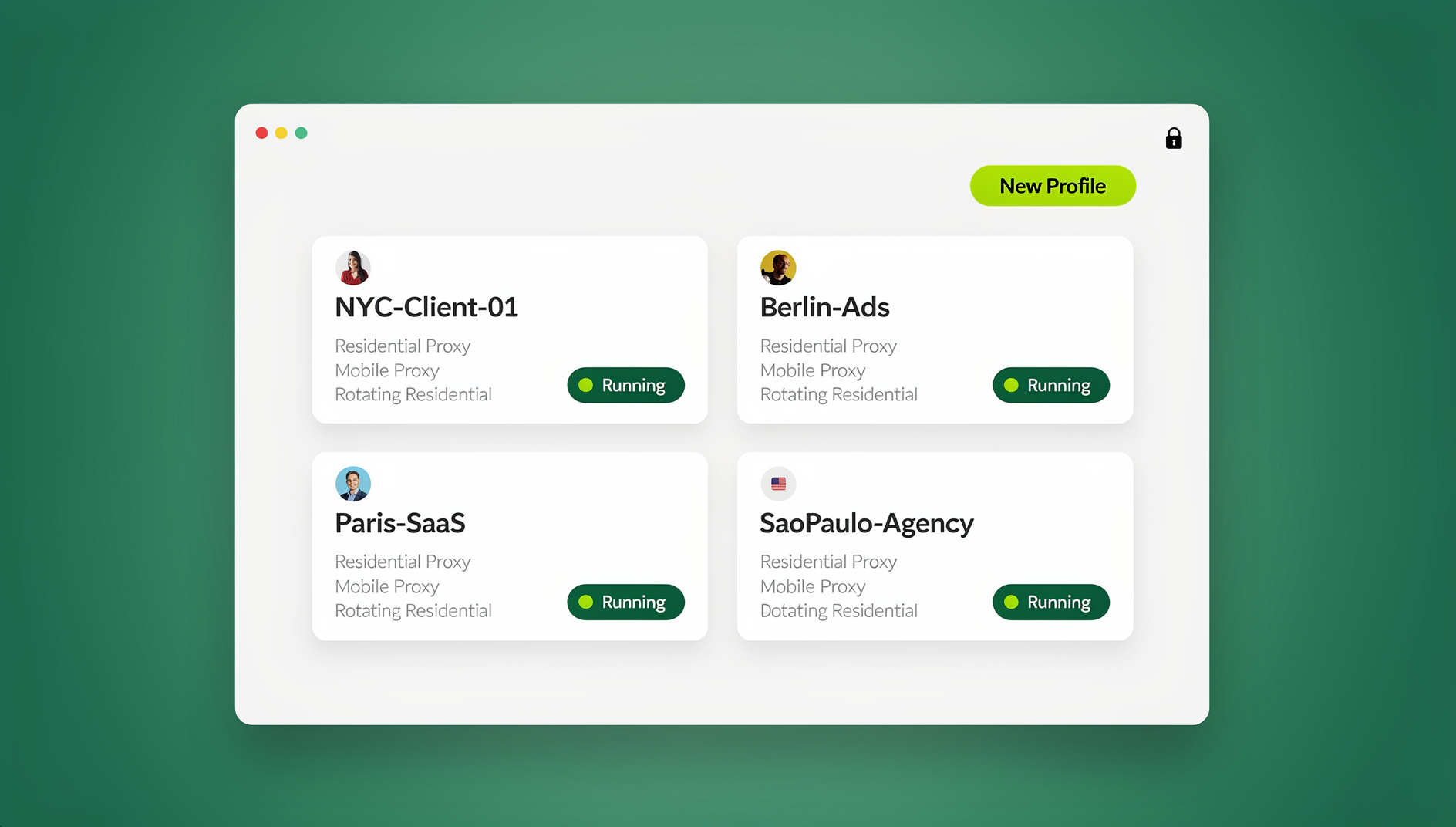
- Create Cloud Profiles: Open the Sendwin Browser and create a new profile for each cloud storage account you want to access (e.g. “Work Drive”, “Personal Drive”, “Client Archive”).
- Assign Proxies: If you are managing cloud data for corporate clients who restrict access based on geographic IP location, assign a proxy to that profile. This aligns with a browser for ads management setup, allowing you to access location-restricted portals safely.
- Log In and Save: Open each profile and sign in to the respective web dashboards (drive.google.com, dropbox.com, or onedrive.live.com). Send.win will save your session cookies. The next time you open these profiles, you will log in instantly without typing passwords or waiting for 2FA.
- Organize and Manage: Open your profiles in adjacent tabs. You can drag and drop files from your computer into any tab to upload them, or download files directly from one tab and upload them to another.
If you run an agency, you can organize these cloud accounts next to other client portals. For instance, if you manage multiple Amazon accounts, you can keep each client’s Amazon storefront open in the same profile as their specific OneDrive and business email. This keeps all client-related files, data sessions, and uploads strictly separated, avoiding account link flags.
Maximizing Storage Efficiency and Organization
When you have multiple cloud accounts, keeping your files organized is essential to prevent wasting storage. We recommend using a “hub-and-spoke” file management system. Designate one primary provider (such as Google Drive) as your central hub, where you keep active projects and key directories. Use your other accounts as spokes for dedicated tasks—for example, using Dropbox exclusively for large client file transfers, and OneDrive for archive storage.
Additionally, Send.win offers a range of pricing plans to help you scale your operations efficiently:
- 30-Day Free Trial: Test Send.win’s profile isolation, proxy configurations, and session management features for 30 days without entering a credit card.
- Pro Plan ($19/mo or $6.99/mo billed annually): Run up to 150 profiles. This is ideal for freelancers and small teams, offering full session sync and the local Automation API.
- Team Plan ($49/mo or $20.99/mo billed annually): Support for up to 500 profiles and 16 team seats. This plan includes advanced session sharing, profile transfer tools, and access to the Automation API.
🏆 Send.win Verdict
Running multiple cloud storage sync clients will quickly slow down your desktop and clutter your filesystem. Instead of installing heavy apps or using risky third-party aggregators, Send.win’s isolated browser profiles offer a lightweight, secure way to run all your cloud storage accounts concurrently from your web browser. With instant session loading, proxy integration, and zero disk sync delay, you can keep your files organized in a single interface.
Try Send.win free today — unify your cloud storage, email, and social media accounts in one secure workspace with a 30-day free trial.
Frequently Asked Questions
What is the most secure way to manage multiple cloud storage accounts?
The most secure method is using isolated browser profiles. Unlike third-party cloud aggregation services, which require full read and write API access to your folders, isolated profiles connect you directly to the official web portals of Google, OneDrive, and Dropbox. This ensures no third party ever handles your documents.
Can I access multiple Google Drive accounts simultaneously on my computer?
Yes. While Google’s native web portal supports account switching, it does not support simultaneous, isolated operations. By using browser profile isolation, you can open different Google Drive accounts in side-by-side tabs, allowing you to manage files concurrently without session crossover.
Does Send.win require me to install a browser add-on?
No. Send.win does not require you to install any browser add-ons or modifications. It runs as a native desktop application called Sendwin Browser or as secure cloud browser sessions with zero installation required, which keeps your session data completely sandboxed.
How can I copy files directly from Google Drive to OneDrive?
You can open Google Drive and OneDrive in adjacent Send.win profiles. Since the sessions are isolated, you can drag and drop files from one web dashboard to your local folder, and then immediately drop them into the other window to upload, keeping the process fast and visual.
How do I prevent my computer from running slowly when using multiple cloud drives?
Instead of installing the desktop sync applications for Google Drive, OneDrive, and Dropbox—which run continuous sync engines in the background—access your storage through Send.win’s isolated profiles. This keeps the resource footprint limited to standard web tab usage and saves your local hard drive space.
Can my team collaborate on client cloud storage accounts safely?
Yes. With Send.win’s Team plan, you can share isolated profiles with your team members. They can launch the profile and access the client’s shared OneDrive or Google Drive folders without ever seeing or needing to input the login credentials, protecting account access.
How much do Send.win plans cost for professional users?
Send.win offers a 30-day free trial. The Pro plan is priced at $19/month ($6.99/month on the annual plan) for up to 150 profiles. The Team plan costs $49/month ($20.99/month on the annual plan) and supports up to 500 profiles and 16 team seats.