What Are the Best Browser Isolation Tools in 2026?
The best browser isolation tools 2026 include Send.win, Authentic8 Silo, Zscaler RBI, Cloudflare Browser Isolation, Menlo Security, Kasm Workspaces, and Symantec RBI. While traditional enterprise Remote Browser Isolation (RBI) platforms focus exclusively on high-cost malware defense, modern solutions like Send.win combine isolated browser profiles with per-profile fingerprint settings, multi-account session management, and proxy isolation starting at just $19 per month.
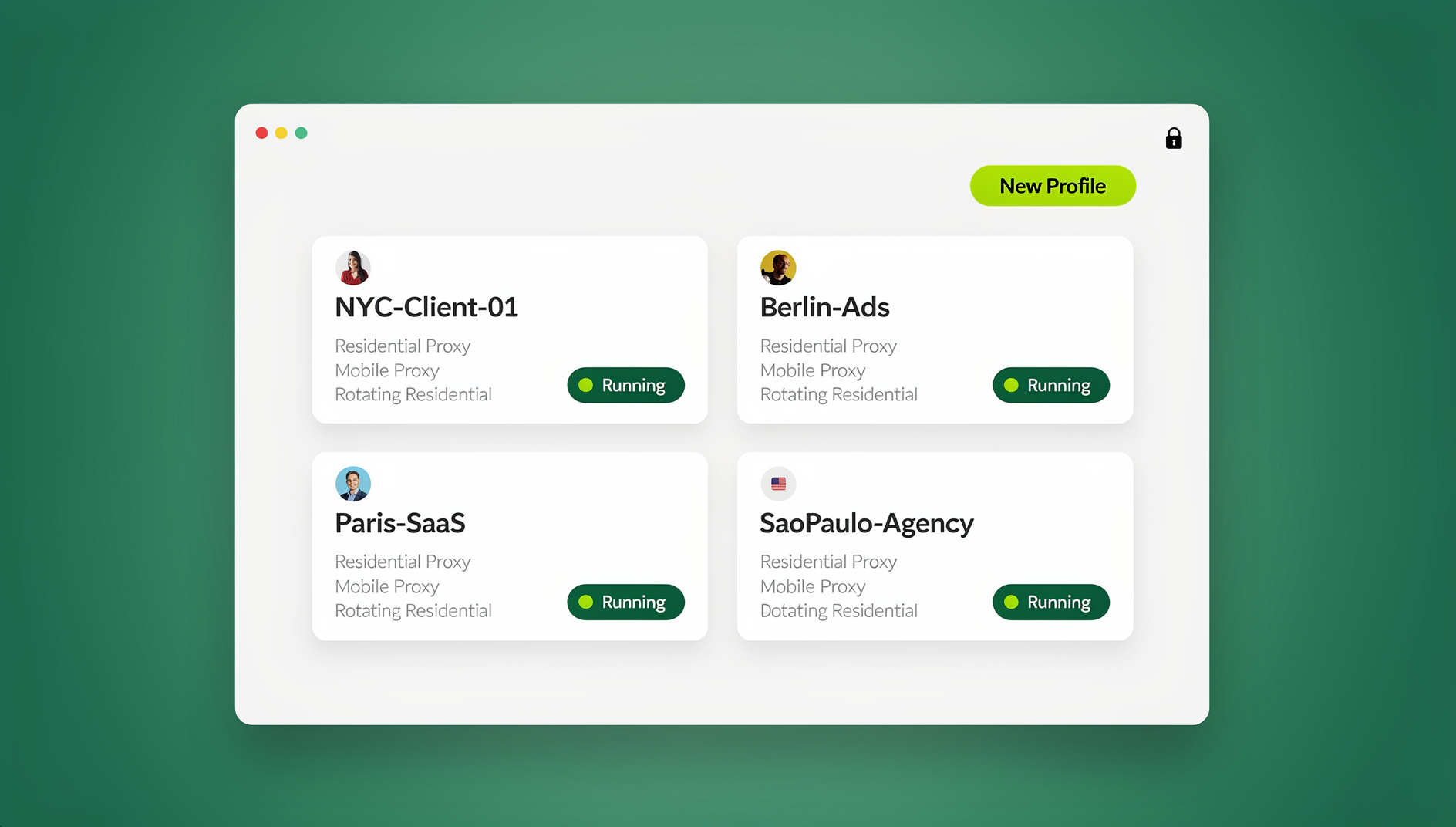
Browser isolation has evolved from a niche defense mechanism for cybersecurity teams into a fundamental infrastructure component for digital operations. Whether your goal is protecting corporate networks from zero-day web exploits or managing hundreds of isolated digital identities without cross-contamination, selecting the right browser isolation technology determines both your security posture and operational speed.
In this comprehensive guide, we review and compare the top remote browser isolation and session isolation platforms in 2026, evaluating their architecture, fingerprint protection, developer capabilities, and pricing structures.
Comprehensive Comparison of Browser Isolation Platforms
Selecting the optimal isolation tool requires balancing security boundaries, session persistence, multi-account capabilities, and cost. The comparison table below highlights how the leading platforms stack up across critical feature sets in 2026.
| Platform | Deployment Model | Anti-Fingerprinting | Multi-Account Sessions | Developer API | Pricing Model |
|---|---|---|---|---|---|
| Send.win | Desktop Client & Cloud Sessions | Per-Profile Fingerprint Settings | Native Profile Manager & Proxy Isolation | No | From $19/mo (Pro); 7-Day Money-Back Guarantee |
| Authentic8 Silo | Cloud-Rendered Container | Basic Ephemeral Profiles | Supported (Enterprise Managed) | Limited Administrative API | Enterprise Quote (~$240+/user/year) |
| Zscaler RBI | Cloud Pixel Streaming | Standard Browser Standardized | Not Specialized for Identity Management | Policy & Admin APIs | Enterprise Licensing (SASE Bundle) |
| Cloudflare Isolation | Edge Vector Streaming | Generic Cloud Edge User-Agent | Single User Workspace Focus | Cloudflare Zero Trust API | Included in Zero Trust ($7+/user/month) |
| Menlo Security | Cloud DOM Mirroring | DOM Sanitization (No Profile Spoofing) | Enterprise Session Handling | Security Operations API | Enterprise Quote (Custom per seat) |
| Kasm Workspaces | Self-Hosted / Cloud Docker | Containerized Standard Instances | Manual Container Instances | Robust REST & Webhook API | Free Community; Community & Enterprise Tier |
| Symantec RBI | Cloud / Hybrid Gateway | Corporate Policy Masking | Enterprise Web Access Only | Symantec Gateway API | Enterprise License Add-on |
Understanding Remote Browser Isolation (RBI) vs. Session Isolation
To choose among the best browser isolation tools 2026, it is vital to understand the technological split in the browser isolation market. Isolation platforms generally follow one of two core architectural paradigms depending on whether their primary objective is malware mitigation or session management.
1. Remote Browser Isolation (RBI) for Threat Defense
Enterprise RBI platforms—such as Zscaler, Menlo Security, and Cloudflare—focus on executing web code inside a secure, air-gapped container running in the cloud. Instead of allowing external HTML, JavaScript, and CSS to execute directly on the user’s endpoint device, the remote server processes the webpage and streams a safe visual representation (via pixel streaming or sanitized DOM elements) back to the user’s local monitor.
- Pros: Complete protection against zero-day drive-by downloads, malicious JavaScript execution, and browser exploits.
- Cons: High bandwidth utilization, potential input latency, high per-user enterprise pricing, and lack of specialized tools for multi-account management.
Run Best Browser Isolation Tools 2026 in the Cloud With Send.win
Send.win’s cloud browser runs your isolated profiles on remote infrastructure — open a clean, fingerprint-isolated session from any device without installing anything:
- Instant cloud sessions – launch an isolated browser in seconds, no local install
- Isolated profiles – separate fingerprint, cookies, and storage per session
- Cloud sync & profile sharing – pick up the same profiles on the desktop app (Windows, macOS, Linux) or share them with your team
- Built-in residential proxies – with automatic timezone and locale matching
You can try it right now: the Send.win demo browser opens an isolated cloud session directly in this browser tab. The cloud demo is free, and paid plans start at $19/month — see pricing.
2. Session & Anti-Fingerprint Isolation for Identity Management
Session isolation platforms—pioneered by Send.win—focus on isolating browser environments at the identity, cookie, and hardware signature level. Rather than streaming raw video pixels from a distant cloud datacenter to block web malware, session isolation constructs fully isolated browser environments equipped with unique browser fingerprints (Canvas, WebGL, AudioContext, WebRTC, fonts, and client hints) and custom network proxies.
Using a cloud virtual browser or native isolated client, operators can maintain hundreds of distinct online identities simultaneously without cookie leakage, IP overlap, or cross-account correlation. For a full breakdown of workspace separation, refer to our comprehensive guide on session isolation techniques.
In-Depth Reviews of the 7 Best Browser Isolation Tools in 2026
1. Send.win: Best Overall Value for Multi-Account & Cloud Isolation
Send.win stands out in 2026 as the most versatile and cost-effective browser isolation platform available. Designed for growth teams, affiliate marketers, e-commerce managers, cybersecurity analysts, and developers, Send.win offers dual-mode execution: the native Sendwin Browser desktop client (Windows, macOS, Linux) and cloud browser sessions that require no local software installation.
Every profile inside Send.win operates as a strictly isolated sandbox. Cookies, local storage, browser cache, and hardware parameters (Canvas, WebGL, Audio fingerprints, WebRTC IP leaks, and OS parameters) are segregated down to the process level. Users can assign dedicated residential, mobile, or datacenter proxies to individual profiles, guaranteeing total identity separation.
Crucially, Send.win breaks the industry mold regarding developer automation. While competing platforms charge $100 to $500 per month just for headless automation features, Send.win has no automation interface on any plan: there is no API, SDK, headless mode or Selenium/Puppeteer/Playwright support. Its paid plans are Pro ($19/mo or $83.88/yr) and Team ($49/mo or $251.88/yr), and the first card purchase is covered by a 7-day money-back guarantee.
Key Strengths:
- Flexible Dual Architecture: Run profiles via native Sendwin Browser desktop client or zero-install cloud browser sessions.
- Advanced Anti-Fingerprinting: Complete customization of browser fingerprints to bypass strict fraud detection algorithms.
- Transparent Pricing: No free trial; the first card purchase is covered by a 7-day money-back guarantee. Pro is $19/mo or $83.88/yr.
2. Authentic8 Silo: Premium Enterprise Security Cloud Browser
Authentic8 Silo is a veteran remote browser isolation platform built specifically for military, government, financial, and legal intelligence teams. Silo executes all browsing sessions inside an isolated cloud container hosted in Authentic8’s secure infrastructure, delivering zero web content directly to the endpoint.
Silo for Research (Silo ORCB) allows OSINT researchers and analysts to conduct attribution-free web investigations by masking their origin IP, geographic location, and device details. However, Silo is heavily geared toward corporate compliance and administrative security policies rather than automated multi-account management or developer workflows.
Key Strengths:
- Military-grade cloud container isolation with non-persistent session destruction.
- Built-in audit trails, data loss prevention (DLP) controls, and policy enforcement.
- Excellent for non-technical OSINT researchers needing anonymous browsing environments.
Limitations:
- High enterprise cost structure with steep per-user licensing fees.
- Restricted automation and limited flexibility for high-volume programmatic tasks.
3. Zscaler Remote Browser Isolation: Zero-Trust Network Integration
Zscaler RBI is an integral component of the Zscaler Zero Trust Exchange platform. It isolates high-risk web traffic (such as uncategorized websites, social media, or personal webmail) by rendering web pages inside cloud containers and streaming sanitized pixel feeds to corporate endpoints.
Zscaler excels at enterprise network perimeter protection. By decoupling web browsing from the local device, malware, phishing kits, and malicious scripts cannot compromise internal company assets. However, Zscaler RBI is an infrastructure security tool sold as part of enterprise SASE packages, making it unsuitable for freelancers, independent agencies, or teams needing customized anti-detect browser capabilities.
Key Strengths:
- Seamless integration with Zscaler Internet Access (ZIA) and Zero Trust Architecture.
- Air-gapped pixel rendering blocks zero-day attacks instantly.
- Centralized administrative policies across thousands of corporate endpoints.
Limitations:
- Requires enterprise Zscaler ecosystem adoption.
- No support for browser fingerprint spoofing or multi-account management.
4. Cloudflare Browser Isolation: Edge-Rendered Vector Streaming
Cloudflare Browser Isolation leverages Cloudflare’s global edge network to execute web pages close to end users. Using Network Vector Rendering (NVR) technology, Cloudflare streams lightweight vector commands to the user’s local browser instead of heavy video pixels, resulting in significantly lower latency compared to legacy RBI tools.
Integrated directly into Cloudflare Zero Trust, it allows IT administrators to enforce zero-trust policies for high-risk users or unmanaged devices. While Cloudflare delivers exceptional speed and protection against malicious web code, all isolated sessions present standardized Cloudflare edge headers and fingerprints, making it unviable for managing multiple independent social media, marketplace, or advertising accounts.
Key Strengths:
- Network Vector Rendering provides near-native browsing speed and low latency.
- Deep integration with Cloudflare Access and Gateway policies.
- Cost-effective for existing Cloudflare Zero Trust enterprise subscribers.
Limitations:
- Designed for security compliance, not multi-account session management.
- Lacks individual profile fingerprint controls and proxy management per tab.
5. Menlo Security Isolation Platform: Enterprise DOM Mirroring
Menlo Security pioneered the cloud browser isolation market with its patented Adaptive Clientless Rendering (ACR) technology. Rather than streaming video frames, Menlo inspects and sanitizes DOM elements in the cloud, transmitting clean HTML/JS to the user’s browser without requiring client-side endpoint software or browser plugins.
Menlo Security effectively eliminates credential harvesting, ransomware injection, and weaponized PDF downloads for large enterprise workforces. It is a enterprise-tier web gateway replacement that focuses purely on zero-trust threat prevention.
Key Strengths:
- Clientless DOM mirroring maintains authentic web user experiences.
- Robust protection against credential phishing and malicious document downloads.
- Enterprise scale with high availability across global datacenters.
Limitations:
- Expensive custom enterprise contracts.
- Not designed for identity isolation, proxy routing, or programmatic browser automation.
6. Kasm Workspaces: Open-Source Containerized Desktop & Browser Isolation
Kasm Workspaces is a modern web-native container streaming platform. It allows organizations to deploy isolated Docker-based browser environments (Chrome, Firefox, Tor, Brave) and full Linux desktops directly within any modern web browser via KasmVNC technology.
Because Kasm is available as open-source or self-hosted software, IT teams and DevOps engineers can deploy containerized browser isolation on their own cloud infrastructure (AWS, DigitalOcean, or bare metal servers). Kasm provides a powerful REST API and webhook framework, allowing developers to orchestrate disposable browser containers on demand.
Key Strengths:
- Self-hosted control over data, network routing, and container images.
- Disposable, ephemeral container sessions destroyed upon disconnect.
- Strong open-source community and customizable Docker workspaces.
Limitations:
- Requires significant technical expertise to set up, maintain, and scale server infrastructure.
- Lacks built-in canvas/WebGL browser fingerprint spoofing for anti-bot evasion.
7. Symantec RBI (Broadcom): Enterprise Web Security & DLP Integration
Symantec Remote Browser Isolation (now part of Broadcom) integrates closely with Symantec Web Security Service (WSS) and Secure Web Gateway (SWG). It creates an air-gapped boundary between external web threats and enterprise devices by executing risky web sessions in cloud sandboxes.
Symantec RBI excels at enforcing strict Data Loss Prevention (DLP) controls, preventing employees from pasting sensitive corporate code or confidential files into unauthorized web forms or AI tools. Like other legacy RBI security appliances, it targets corporate risk compliance rather than commercial session management.
Key Strengths:
- Comprehensive DLP inspection for upload, download, and copy-paste events.
- Tight integration with Broadcom Symantec security infrastructure.
Limitations:
- Complex setup and legacy enterprise licensing structures.
- No features for managing multiple online identities or localized proxy profiles.
Key Evaluation Criteria for Selecting a Browser Isolation Tool
When searching for the best browser isolation tools 2026, evaluating solutions based on your organization’s specific operational needs is essential. Here are the five key criteria to consider before deploying a platform:
1. Security & Threat Prevention Model
If your sole mandate is preventing enterprise endpoints from downloading malware or falling victim to drive-by exploits, traditional RBI platforms utilizing pixel streaming or DOM sanitization (such as Zscaler or Menlo) provide true air-gapped network boundaries. For everyday secure web browsing and multi-session separation, practicing safe browsing through localized sandboxing offers equal protection with far superior performance.
2. Anti-Fingerprinting & Identity Separation
Many online platforms employ complex fingerprinting scripts to identify users across websites, tracking canvas rendering signatures, WebGL contexts, hardware concurrency, and media device IDs. Enterprise RBI platforms use generic cloud browser signatures that stand out to modern anti-bot algorithms. If your workflow requires managing multiple accounts on platforms like Amazon, Google, Facebook, or Etsy, you need a browser profile manager like Send.win, where each profile keeps its own consistent browser fingerprint, cookies and storage.
3. Session Persistence & Proxy Integration
Enterprise threat isolation tools destroy session state immediately upon tab closure. For multi-account management, session persistence is vital. Modern session isolation tools save cookies, local storage, and session tokens within encrypted cloud profiles while allowing custom residential or datacenter proxies to be bound to each profile. To learn more about maintaining privacy online, review our complete guide on anonymous browsing.
4. Developer API & Automation Capabilities
Automating browser tasks inside isolated environments is a major requirement for developers and growth teams. Check whether the isolation tool provides programmatic API endpoints supporting industry-standard frameworks like Selenium, Puppeteer, and Playwright. Beware of vendors who hide headless API access behind high enterprise pricing tiers.
5. Total Cost of Ownership (TCO)
Enterprise RBI tools frequently cost upwards of $15 to $45 per user per month with strict minimum seat commitments, bringing total yearly costs into thousands of dollars. Send.win offers a far more accessible pricing structure starting at $6.99/mo (annual Pro plan) for 150 isolated profiles, making high-grade isolation accessible to individual creators, small teams, and growing enterprises alike.
How Send.win Redefines Browser Isolation for Growth Teams
Send.win bridges the gap between high-security browser sandboxing and high-performance multi-account session management. By offering both the Sendwin Browser desktop app (native Windows, macOS, and Linux client) and zero-install cloud browser sessions, Send.win provides complete flexibility for modern digital workflows.
- Complete Environment Isolation: Each profile operates in its own sandboxed container with segregated cookies, storage, cache, and canvas/WebGL hardware fingerprints.
- Seamless Cloud & Local Operations: Access profiles locally on your computer via Sendwin Browser or launch cloud browser sessions directly from any device.
- Money-Back Guarantee: There is no free trial, but the first card purchase is covered by a 7-day money-back guarantee.
🏆 Send.win Verdict
While enterprise RBI solutions like Authentic8 Silo and Zscaler charge thousands of dollars annually for secure web isolation, Send.win delivers powerful session isolation and per-profile fingerprint settings starting at just $19/month. Whether you need isolated cloud browser sessions or a native desktop client, Send.win is a strong value choice for individuals, agencies, and growth teams in 2026.
Try the Send.win cloud demo — a 3-minute preview without signup, or 10 minutes a day with a free account.
Frequently Asked Questions
What is the difference between Remote Browser Isolation (RBI) and Send.win session isolation?
Traditional RBI platforms focus on streaming video pixels or sanitized DOM elements to protect corporate networks from web malware. Send.win session isolation focuses on isolating browser profiles, hardware fingerprints, cookies, and network proxies so users can run multiple distinct online sessions securely without cross-account tracking or detection.
Does Send.win require installing a local desktop application?
No. While Send.win offers the native Sendwin Browser desktop client for Windows, macOS, and Linux, it also supports cloud browser sessions that run entirely inside cloud servers without requiring any local software installation.
Can I automate browser tasks inside isolated profiles?
No. Send.win has no automation interface — no API, SDK, headless mode or Selenium/Puppeteer/Playwright support on any plan. Its Pro plan is $19/mo or $83.88/yr, and its Team plan is $49/mo or $251.88/yr.
How does browser isolation prevent account bans and identity correlation?
Browser isolation segregates local storage, cookies, canvas/WebGL signatures, WebRTC IPs, and device parameters into independent sandboxes. When paired with dedicated proxies, target websites view each isolated profile as an entirely separate physical device and user.
Is Remote Browser Isolation suitable for small businesses and freelancers?
Enterprise RBI tools like Silo and Zscaler are typically cost-prohibitive for small teams. However, platforms like Send.win provide affordable browser isolation starting at just $6.99 per month, bringing enterprise-grade sandboxing to freelancers and growth teams.
What pricing plans does Send.win offer?
Send.win has no free trial; the first card purchase is covered by a 7-day money-back guarantee. The Pro plan costs $19/mo or $83.88/yr. The Team plan costs $49/mo or $251.88/yr. The only free option is the cloud demo at https://send.win/demo-browser/ — a 3-minute preview without signup, 10 minutes a day with a free account.
How does Cloudflare Browser Isolation differ from Send.win?
Cloudflare Browser Isolation streams vector rendering commands to protect corporate networks from malicious web code. Send.win lets you configure per-profile fingerprint settings, proxy bindings, and session cookie management tailored specifically for multi-account management.
Does Send.win offer a browser extension?
No. Send.win operates exclusively as a standalone native desktop app (Sendwin Browser) and zero-install cloud browser sessions. Send.win does not provide or require any browser extensions.