Why Investigative Newsrooms Need Specialized Anti-Detect Technology
An antidetect browser for journalism is a specialized security environment that generates isolated, spoofed browser profiles with unique hardware and network signatures to protect investigative reporters, whistleblowers, and newsroom security desks from digital surveillance. By spoofing canvas hashes, WebGL parameters, timezone configurations, and HTTP headers, an anti-detect solution prevents targeted entities, intelligence agencies, and commercial tracking networks from identifying journalists or tracing confidential source communications back to newsroom infrastructure.
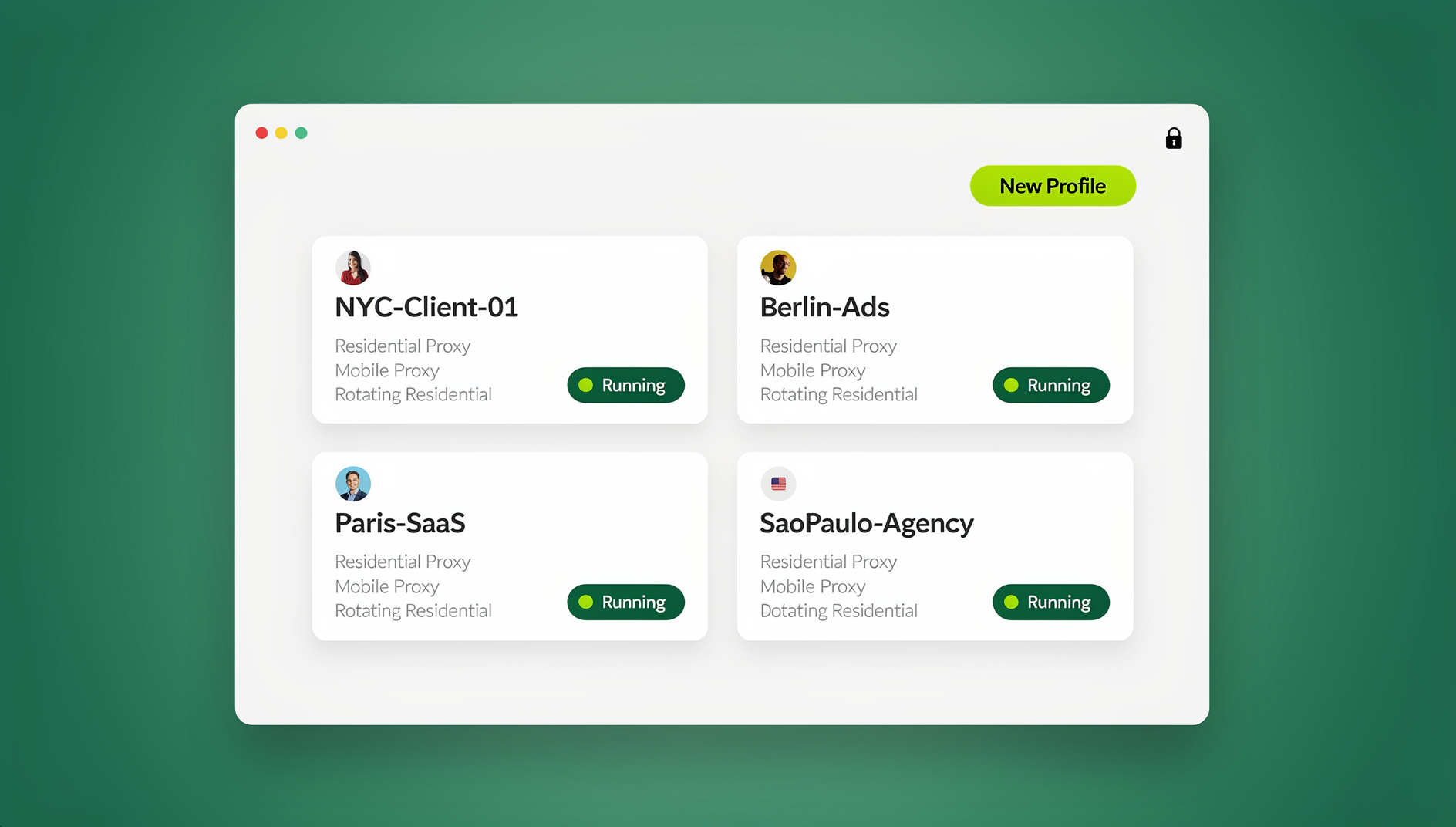
The Modern Digital Surveillance Threat to Investigative Reporting
Investigative journalism has shifted almost entirely into digital environments. While encrypted messaging applications like Signal and SecureDrop safeguard direct communications, the act of researching targets, verifying corporate registries, analyzing leaked databases, and interacting with sources online creates a trail of metadata. Modern surveillance networks no longer rely solely on IP addresses to track individuals across the web. Instead, advanced passive and active fingerprinting techniques map the unique physical and software configuration of a reporter’s workstation.
When an investigative reporter visits a website operated by a hostile corporate entity, a oppressive regime, or a cybercrime network, that target’s web server can execute client-side scripts to collect hundreds of system parameters. These parameters include GPU rendering behavior, installed system fonts, screen resolution, audio processing micro-variations, and browser engine quirks. When combined, these data points form a persistent browser fingerprint that identifies the specific device—even if the reporter connects through a Virtual Private Network (VPN) or clears cookies between sessions.
For newsrooms, cross-site identity leakage presents catastrophic operational security risks. If a reporter investigates a sanctions-evading corporation using a standard browser, the target can cross-reference the site visitor’s fingerprint with analytics data gathered from other web properties. If that same fingerprint was previously logged on a newsroom’s public staff portal or personal social media account, the reporter’s anonymity is compromised instantly. To prevent such exposures, newsrooms must implement strict anonymous browsing protocols backed by hardware-level browser isolation.
7 Security Rules for Investigative Journalists Operating Online
Rule 1: Eliminate Canvas and WebGL Fingerprint Signatures
Every graphics card processes 2D canvas instructions and 3D WebGL rendering calls with microscopic variations in sub-pixel geometry and color blending. Surveillance scripts exploit these hardware-level idiosyncrasies to generate an immutable hash of the user’s display system. Standard privacy extensions typically block scripts or introduce random noise into canvas renders, but defensive security systems immediately flag canvas manipulation as suspicious activity.
An effective anti-detect browser for newsroom operations handles canvas and WebGL parameters by generating authentic, self-consistent hardware profiles. Rather than blocking scripts outright, the software presents realistic rendering outputs matching genuine consumer devices, ensuring that investigative browsing blends seamlessly into standard traffic pools.
Rule 2: Enforce Strict Session and Storage Isolation
Local storage, IndexedDB, session cookies, and browser cache files act as persistent identifiers. When a journalist investigates multiple entities within a single browser instance, cross-origin scripts can read shared storage states or correlate session lifetimes. Robust newsroom security demands complete session isolation, where every investigation runs in a totally independent container with zero shared memory, storage, or cache states.
Rule 3: Match IP Geolocation with System Timezone and WebRTC Shields
Using a proxy or VPN without configuring local system parameters creates an immediate detection signal. If a reporter routes traffic through an IP address in Berlin while their browser’s JavaScript engine reports System Timezone: UTC-5 (New York) and system language as en-US, automated tracking algorithms flag the session as a proxy connection. Furthermore, unshielded WebRTC protocols can leak the local network IP address past the VPN interface.
Journalists must utilize profile environments that automatically sync the browser’s internal clock, locale parameters, and WebRTC candidate pools to match the external proxy’s geographic location.
Rule 4: Conduct High-Risk Research in Disposable Cloud Sessions
When investigating volatile targets—such as malware operators, illicit marketplace vendors, or state-backed hacking groups—loading web content on a physical work device introduces zero-day exploit risk. Local browser sandboxes can be breached by advanced browser exploit chains. Utilizing disposable cloud browser profiles removes executable code execution from physical endpoints. The website renders inside a remote cloud session, transmitting only a secure visual stream to the journalist’s screen.
Rule 5: Spoof Device Fonts and Media Hardware Queries
Websites can query the operating system’s font enumeration API and WebRTC media device list to inspect connected microphones, cameras, and audio output channels. Standard workstations in newsrooms often share identical software builds, but custom font installations or specific peripheral configurations create unique signatures. Anti-detect profiles neutralize this vector by randomizing or mocking the listed system fonts and media inputs to match common baseline devices.
Rule 6: Centralize Team Access Controls and Source Portals
Newsroom security desks require granular oversight of sensitive research profiles. When multiple reporters collaborate on a global investigation, credentials for whistleblower upload portals, target monitoring accounts, and regional news databases must be shared securely without exposing raw password strings or multi-factor session tokens over insecure chat channels. Team-based browser isolation platforms allow administrators to grant profile access to authorized journalists while keeping underlying session cookies encrypted.
Rule 7: Audit Third-Party Tracking Resistance Regularly
Security postures must be verified continuously against evolving surveillance capabilities. Journalists should audit active browser profiles against public and internal fingerprinting test suits to verify that WebGL, Canvas, AudioContext, Navigator object parameters, and HTTP header order remain fully masked. Detailed technical information on how tracking scripts assemble these data vectors can be explored in our breakdown of how a browser fingerprint explained for privacy specialists.
Comparing Security Tools for Newsrooms and Media Organizations
Newsroom IT departments and security desks utilize several technologies to protect staff. The table below illustrates how traditional privacy tools compare against dedicated anti-detect browser platforms for investigative reporting applications:
| Security Dimension | Standard VPN / Proxy | Tor Browser | Antidetect Browser (Send.win) |
|---|---|---|---|
| IP Masking | Changes external IP address | Multi-hop onion routing | Dedicated residential/datacenter proxy integration |
| Fingerprint Protection | None (uses real device fingerprint) | Uniform baseline (highly recognizable) | Spoofed, unique authentic device profiles |
| Target Perception | Looks like standard user on VPN | Flagged immediately as Tor exit node | Appears as regular residential commercial browser |
| Multi-Account / Profile Isolation | Manual profile switching required | Single identity circuit | Unlimited isolated persistent browser containers |
| Cloud / Zero-Footprint Option | No (runs on local OS) | No (runs on local OS) | Cloud browser sessions with zero local disk footprints |
| Newsroom Team Sharing | Manual credential sharing | Not supported | Encrypted profile & session sharing with seat controls |
Operational Case Study: Investigating Cross-Border Financial Corruption
Consider an international investigative team analyzing shell companies across multiple jurisdictions. The investigation requires accessing regional corporate registries in South America, Eastern Europe, and Southeast Asia, while monitoring private messaging forums used by financial intermediaries.
If the reporters attempt this research using standard web browsers:
- Corporate registry portals log access requests originating from a known media organization’s IP block or a commercial VPN node.
- Target entities deploy anti-bot and fingerprinting scripts to identify the specific hardware signatures of visiting devices.
- Visiting a suspicious forum exposes the reporter’s local browser cache and network session to potential cross-site tracking or drive-by download exploits.
By implementing a dedicated anti-detect strategy, the newsroom constructs dedicated research profiles for each region. The Eastern European investigation runs inside a profile configured with local language headers, a Bucharest residential proxy, and a Windows/Chrome hardware fingerprint. The South American team operates through a separate profile configured for Spanish locale and an Argentina residential proxy. Neither environment shares cache data, cookies, or device hashes, rendering the newsroom’s overarching research operation completely invisible to target entities while maintaining strict adherence to safe browsing standards.
Send.win Architecture for Newsrooms and Investigative Desks
Send.win provides investigative journalists, whistleblowers, and newsroom security officers with an enterprise-grade multi-profile browser infrastructure engineered to eliminate cross-site identity leaks and simplify remote research workflows.
Two Flexible Modes of Operation
Send.win supports two distinct operational modes tailored to newsroom security requirements:
- Sendwin Browser (Native Desktop Client): A lightweight native application for Windows, macOS, and Linux. It allows reporters to launch hundreds of isolated, fingerprint-spoofed browser environments locally on their workstations. Every profile operates independently with isolated cookie stores, localStorage, and proxy settings.
- Cloud Browser Sessions: For ultra-sensitive investigations involving hostile web environments, Send.win allows reporters to launch profiles entirely in the cloud. Cloud sessions run on secure remote servers and require zero local installation. Visual interfaces stream directly to the user’s screen, ensuring that malicious code, tracking cookies, and local cached artifacts never touch the reporter’s physical device.
Powerful Automation API for Data Verification
For data journalism teams conducting automated research, web scraping, or public record indexing, Send.win features a built-in Automation API compatible with Puppeteer, Playwright, and Selenium. Data journalists can programmatically launch spoofed browser instances, bypass complex anti-bot screens, and collect public research data without exposing newsroom IP addresses or encountering automated rate limits.
Transparent and Cost-Effective Pricing
Send.win offers transparent subscription tiers structured for independent journalists, freelance investigative teams, and large news organizations:
- 30-Day Free Trial: Full access to explore anti-detect profile management with zero credit card required.
- Pro Plan: $19/month ($6.99/month billed annually — 63% savings). Includes 150 active browser profiles, 5GB storage, full cloud sync, and local Automation API access. Perfect for independent reporters and desk researchers.
- Team Plan: $49/month ($20.99/month billed annually — 57% savings). Includes 500 active browser profiles, 20GB storage, Automation API, and 16 team seats with encrypted profile sharing and permission controls. Ideal for investigative newsrooms and security desks.
- Flexible Add-Ons: Extra bandwidth at $6/GB and additional profiles at $0.05/profile.
🏆 Send.win Verdict
For newsrooms, investigative reporters, and whistleblower protection desks, traditional VPNs and privacy extensions no longer guarantee anonymity against modern browser fingerprinting surveillance. Send.win delivers an essential defense system combining local native desktop profile isolation with zero-footprint cloud browser sessions, ensuring your investigative research remains completely private, secure, and untraceable.
Try Send.win free today — protect your newsroom’s digital footprint with a 30-day risk-free trial.
Frequently Asked Questions
What is an antidetect browser for journalism?
An antidetect browser for journalism is a multi-profile software application that allows reporters to create isolated web browsing environments with customized hardware fingerprints, IP addresses, and session storage. It prevents target organizations, surveillance networks, and foreign governments from identifying journalists or linking research activity back to a newsroom.
How does browser fingerprinting threaten investigative reporters?
Browser fingerprinting collects hardware details—such as Canvas rendering performance, WebGL parameters, screen resolution, and audio processing configurations—to build a unique ID for your device. If a target entity logs this fingerprint on an investigative query site and matches it to your personal or newsroom browsing activity, your anonymity is lost even when using a VPN.
Is Tor Browser sufficient for investigative newsrooms?
Tor Browser provides strong anonymity through onion routing, but its exit nodes are publicly listed and widely blocked by corporate registries, financial databases, and news sites. Furthermore, Tor’s recognizable uniform fingerprint alerts targets that an anonymous user is inspecting their site. An antidetect browser uses realistic residential profiles that appear as standard commercial web traffic.
Can cloud browser sessions prevent malware infection on work devices?
Yes. Send.win cloud browser sessions render web pages on remote, disposable servers and stream only interactive visuals to your physical workstation. If an investigative target attempts a drive-by browser exploit or malicious download, the execution occurs entirely inside the isolated cloud server, keeping your work device completely clean.
Does Send.win require a browser extension to operate?
No. Send.win does not use or require any browser extensions. It operates either as a standalone native desktop application (Sendwin Browser) for Windows, macOS, and Linux, or directly via cloud browser sessions that run entirely in your web browser with zero local software installation.
How do newsroom teams share research profiles securely using Send.win?
Send.win Team plans include encrypted profile sharing across up to 16 seats. Desk editors can configure research profiles with pre-authenticated sessions, proxies, and cookies, then share them with field reporters without exposing raw login credentials or triggering multi-factor re-authentication flags.
Can automated web scrapers be used with Send.win for data journalism?
Yes. Send.win includes a local Automation API supported on both Pro and Team plans. Data journalists can integrate Puppeteer, Playwright, or Selenium scripts to automate public record data collection across spoofed browser profiles without triggering bot detection systems.
How Send.win Helps With Antidetect Browser For Journalism
Send.win is an antidetect browser built for exactly this kind of work — every profile is a clean, isolated identity:
- Isolated profiles – unique fingerprint, separate cookies and storage per profile
- Stealth engine – canvas, WebGL, fonts, and audio spoofed at the engine level
- Desktop app + cloud sessions – native app for Windows, macOS, and Linux, or run profiles in the cloud with no install
- Built-in residential proxies – with automatic timezone, locale, and WebRTC matching
- Team features – share logged-in profiles with teammates without sharing passwords
Try the instant cloud browser demo — no install, no signup — or download the desktop app. The 30-day free trial needs no credit card, and paid plans start at $6.99/month billed annually (see pricing).