To manage multiple brands and sub accounts in texting tool platforms, you must configure isolated workspaces or sub-profiles within your SMS provider dashboard and combine them with isolated browser sessions. This multi-layered isolation separates API keys, message templates, contact databases, and campaign analytics, keeping each brand’s sender reputation, compliance documentation, and user permissions independent.
The Crucial Role of Workspace Separation in SMS Marketing
Texting and SMS campaigns yield some of the highest engagement rates in digital marketing, often exceeding 98% open rates. However, with high engagement comes strict oversight. When managing multiple storefronts, clients, or product lines, attempting to route all text messages through a single master account is a recipe for operational failure. You face significant compliance risks, billing complications, and brand voice contamination.
Using sub-accounts creates an administrative firewall between your brands. If one brand experiences a sudden spike in opt-out requests or is flagged for sending promotional links that violate carrier guidelines, the carrier filter will block only that specific sub-account’s phone numbers. Your other brands, operating on different sub-accounts with their own sender reputations, will continue sending messages without interruption. Furthermore, dividing resources by sub-account allows you to track conversions, verify delivery rates, and run audits on distinct contact databases.
Without proper isolation, carrier filtering can cause catastrophic damage to your outreach. When major telecommunication networks detect spam indicators from one subset of messages, they often place blocks on the entire parent account. This means that a minor billing or content issue on a small sub-brand can bring down communication channels for your flagship business, halting order confirmations, registration alerts, and time-critical marketing campaigns.
Overcoming Dashboard Fatigue and Session Overlaps
While texting tools like Twilio or MessageBird offer sub-account APIs, switching between these sub-accounts in a web browser is incredibly tedious. Most texting tools require you to log in and out, switch workspaces via slow dropdown menus, or manage multiple sets of credentials. If you attempt to open multiple brands in different tabs of a standard browser, cookies and local storage will conflict, leading to session timeouts and lost drafts.
Marketers often attempt to resolve these session issues using basic utilities. Looking at a Cookie Management Tool Complete Guide 2026 shows how tracking tokens can be managed, but cookie-level tools cannot prevent browser fingerprinting or coordinate proxy IPs. Many also attempt to configure profiles using standard browsers, but as details in the Chrome Multi Account Multi Account Management Guide 2026 illustrate, these setups do not isolate hardware signatures or separate network configurations.
To keep high-stakes marketing dashboards secure, agencies rely on dedicated browser isolation. Consulting a Browser For Ads Management Browser Isolation Guide 2026 explains how sandboxing browser sessions protects accounts from cross-verification and security checkpoints. This is the exact same strategy used to run ecommerce stores; review the Multiple Amazon Accounts Multi Account Management Guide 2026 to see how multi-profile setups maintain clean boundaries between different business operations.
10DLC Compliance and Brand Registration in 2026
In the United States and Canada, mobile carriers enforce 10DLC (10-Digit Long Code) registration for all business messaging. If you run multiple brands, you cannot register them under a single company name. Each brand must undergo its own registration process to verify its legal identity, tax registration, and opt-in consent mechanisms. The table below outlines the core requirements for registering multiple brands under a master texting tool account:
| Registration Step | Required Information | Impact on Multi-Brand Operations |
|---|---|---|
| Brand Verification | Legal Company Name, EIN/Tax ID, Address, and Website URL. | Ensures that carriers associate the outgoing messages with a legitimate business. |
| Campaign Submission | Sample messages, opt-in details, and privacy policy links. | Determines the carrier vetting score and per-minute sending throughput. |
| Number Assignment | Dedicated local or toll-free numbers associated with the verified campaign. | Prevents cross-brand messaging and keeps communication threads clean. |
Managing Opt-In and Opt-Out Consent Streams
A major compliance failure in multi-brand operations is the handling of user consent. Under the Telephone Consumer Protection Act (TCPA), consent is non-transferable. If a customer opts into receiving promotional messages from Brand A, you cannot legally send them updates for Brand B, even if both brands are owned by the same parent corporation. Your SMS manager must maintain completely independent consent logs and databases.
When a subscriber replies with a standard opt-out keyword like “STOP,” the texting tool must automatically process the request and apply the block to that specific sub-account only. If a user opts out of Brand A but still wants updates from Brand B, a shared single-account setup will frequently block them across all channels, damaging the customer relationship and reducing overall campaign efficacy. Dedicated sub-accounts resolve this by segregating suppression lists.
Resolving Billing Attribution Challenges
For marketing agencies and multi-brand enterprises, tracking costs is a complex administrative task. When multiple brands share a single credit card and invoice, calculating the cost of outgoing SMS segments, carrier fees, and number rentals for each client requires hours of manual ledger checks. In worst-case scenarios, billing errors can lead to incorrect client billing or campaign downtime.
Advanced texting tools address this through parent-child billing systems. Sub-accounts allow you to set up separate billing profiles, assign unique credit cards, or establish custom usage limits. This ensures that each brand or client pays exactly for what they consume, eliminating financial discrepancies and making client reporting seamless. This clarity is vital for financial compliance and direct operational ROI reviews.
Automating Multi-Brand Provisioning and Workflows
When operating at scale, manually adding and verifying brands is highly inefficient. Successful agencies automate these tasks. For example, using Python to interact with Twilio’s sub-account APIs allows you to generate new sub-accounts programmatically whenever a new client or brand is onboarded. Below is a sample script demonstrating how to provision a sub-account under your master credentials and purchase an available local phone number:
# Programmatic provisioning of texting sub-accounts and phone numbers
import os
from twilio.rest import Client

# Initialize credentials from environment variables
account_sid = os.environ.get('TWILIO_ACCOUNT_SID')
auth_token = os.environ.get('TWILIO_AUTH_TOKEN')
client = Client(account_sid, auth_token)

# Step 1: Provision a new sub-account for a new marketing brand
new_brand_name = "Apex Retail - SMS Campaign"
sub_account = client.api.v2010.accounts.create(friendly_name=new_brand_name)

print("Sub-account provisioned successfully!")
print(f"Friendly Name: {sub_account.friendly_name}")
print(f"Account SID: {sub_account.sid}")
print(f"Auth Token: {sub_account.auth_token}")

# Step 2: Initialize a client for the new sub-account to purchase a number
sub_client = Client(sub_account.sid, sub_account.auth_token)

# Search for available local numbers in the 212 area code
local_numbers = sub_client.available_phone_numbers('US').local.list(area_code=212, limit=1)

if local_numbers:
    number_to_buy = local_numbers[0].phone_number
    # Purchase the phone number under the sub-account
    purchased_number = sub_client.incoming_phone_numbers.create(phone_number=number_to_buy)
    print(f"Purchased number {purchased_number.phone_number} under sub-account!")
else:
    print("No numbers found in the specified area code.")
Once the sub-account is created, you can use the same API structure to purchase local phone numbers, configure webhooks for incoming messages, and link the profile to a verified 10DLC campaign registry. This programmatic pipeline allows agencies to onboard dozens of clients in seconds, ensuring compliance is handled instantly.
Scalability and Client Onboarding Efficiencies
When scale is the goal, manual provisioning is the primary bottleneck. Standard operating procedures that require creating manual email addresses for each sub-account slow down operations and lead to security keys being lost. Utilizing an automated API provisioning system solves this. Additionally, when you can run multiple texting tool dashboards in side-by-side isolated browser profiles, onboarding new remote agents becomes seamless. You do not need to walk them through complex security clearances or distribute master credentials. You simply share the specific browser profile within your workspace, and the agent is ready to start responding to client texts immediately.
Standard Operating Procedures for Multi-Brand SMS Teams
To run multi-brand SMS operations without errors, your team should follow a strict set of procedures. First, establish unique templates for each brand to ensure the tone and style remain consistent. Second, set up automated notifications so that administrators are alerted when delivery rates fall below 95% or opt-out rates rise above 1.5%. Finally, implement quiet hours to prevent campaigns from sending messages during restricted times, ensuring full compliance with TCPA local guidelines.
Using Send.win to Streamline Texting Workflows
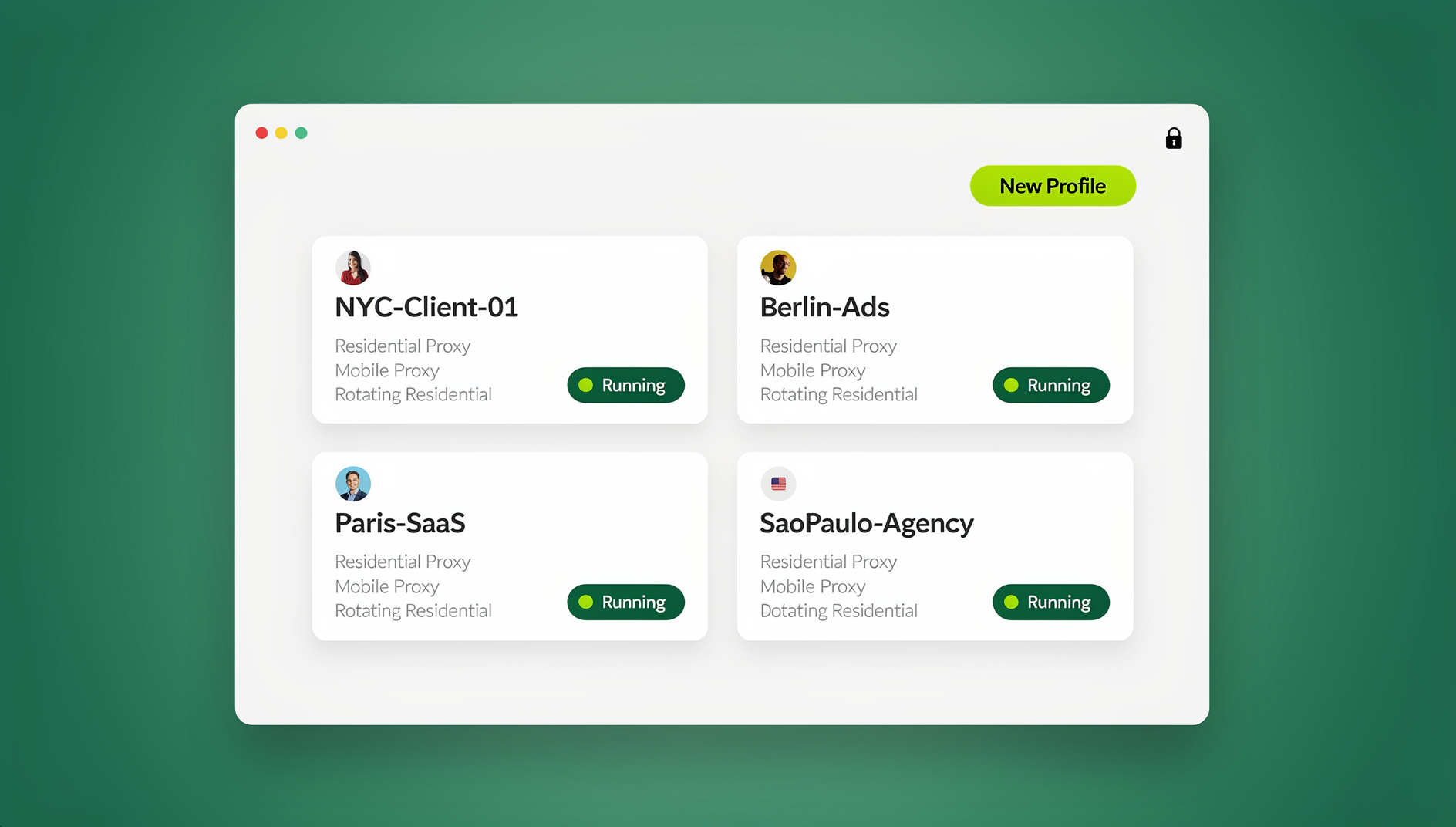
To eliminate login fatigue, Send.win offers a powerful framework to manage all your SMS dashboards side-by-side. Instead of repeatedly logging in and out, you can set up a dedicated browser profile for each brand’s texting dashboard. You have two flexible ways to run these profiles:
- Sendwin Browser: A native desktop app for Windows, macOS, and Linux. It runs isolated browser windows directly on your machine, using local hardware resources for maximum speed. This is perfect for community managers who keep multiple brand chats open all day.
- Cloud Browser Sessions: A remote browser environment that runs on cloud servers. Because no local installation is required, you can open, monitor, and run campaigns from any tablet or mobile device. Session states and logs are synced to the cloud automatically.
Both methods ensure complete isolation, meaning cookies and session data are sandboxed. You can manage 20 separate brand dashboards simultaneously without cookie cross-talk or authentication errors. This is an essential tool for agencies scaling their client portfolios.
Send.win Pricing and Trial Structure
Send.win is designed to scale with your business. All paid accounts include a 30-day free trial with no credit card required. The current plans in 2026 are structured as follows:
- 30-Day Free Trial: Full platform access to create profiles and test isolation quality before payment is required.
- Pro Plan ($19/month, or $6.99/month billed annually): Provides up to 150 isolated profiles, 5GB of residential proxy bandwidth, and the local Automation API. This is ideal for managing small portfolios of brand dashboards.
- Team Plan ($49/month, or $20.99/month billed annually): Offers up to 500 isolated profiles, 20GB of proxy bandwidth, 16 team member seats, and the Automation API. Perfect for larger agencies running multi-brand marketing teams.
- Add-ons: Extra proxy bandwidth is available at $6.00/GB, and extra isolated profiles can be added for $0.05/profile.
Having the Automation API included on the Pro plan ($19/mo) is a massive benefit for developers, enabling cost-effective script integration with isolated browser sessions without requiring an enterprise upgrade. This makes it possible to build robust, budget-friendly marketing solutions.
🏆 Send.win Verdict
To manage multiple brands and sub accounts in texting tool dashboards, Send.win is the ultimate workflow solution, allowing you to access all your distinct provider consoles simultaneously through sandboxed desktop profiles or cloud browser sessions.
Try Send.win free today — eliminate login fatigue, protect your sender reputation, and manage multiple sub-accounts without conflicts.
Frequently Asked Questions
Can I use a single phone number to text on behalf of multiple brands?
No, you cannot. Doing so violates TCPA compliance guidelines and CTIA regulations. Every brand must have its own dedicated phone numbers. This is critical because carrier filters track user opt-out rates, brand-specific templates, and response rates. Using a single number for different brands confuses subscribers and will quickly result in the number being blocked.
What is 10DLC compliance and how does it affect brand sub-accounts?
10DLC stands for 10-Digit Long Code, a system enforced by mobile carriers to register business SMS traffic. Under 10DLC rules, every business entity or brand must register its legal identity (EIN) and define its campaign templates. Separating your brands into sub-accounts allows you to submit individual TCR registrations, ensuring compliance and maximizing delivery speeds.
How does Send.win prevent login fatigue across texting dashboards?
Send.win creates independent, isolated browser profiles. Each profile stores its own cookies, session tokens, and local storage. By setting up one profile per brand, you can open and run all your SMS dashboards simultaneously in side-by-side windows. You never have to log out or verify 2FA codes repeatedly.
Does Send.win require me to install a browser add-on?
No. Send.win does not use or require any browser add-ons. It is operated either via the Sendwin Browser native desktop app or via cloud browser sessions that run entirely on remote servers, keeping your system fast and secure without local software bloat.
Can I automate campaigns across different sub-accounts?
Yes. By utilizing Send.win’s Automation API, you can write automation scripts in Python or Node.js using Puppeteer, Playwright, or Selenium. The Automation API is available starting on the Pro plan ($19/mo) and is also fully supported on the Team plan ($49/mo).
How long is the Send.win trial and does it require a credit card?
Send.win offers a 30-day free trial for all plans. You do not need to enter credit card details to start the trial, allowing you to test profile isolation and proxy speeds risk-free.
How do I invite team members to collaborate on brand dashboards?
Using Send.win’s Team plan, you can add up to 16 team members. You can share profiles directly with specific colleagues. Since the session state is synced to the cloud, they can open the dashboard and manage messages without needing the master password or triggering security alerts.