How to Master Managing Multiple Google Ads Accounts
Successfully managing multiple google ads accounts requires setting up a Google Ads Manager Account (MCC) hierarchy to unify billing and reporting, combined with separate local browser sessions for direct account operations. Agencies and advertisers must isolate account access, implement standardized naming conventions, and utilize automated scripts to monitor daily budget pacing and CPA performance across all campaigns without cross-account contamination.
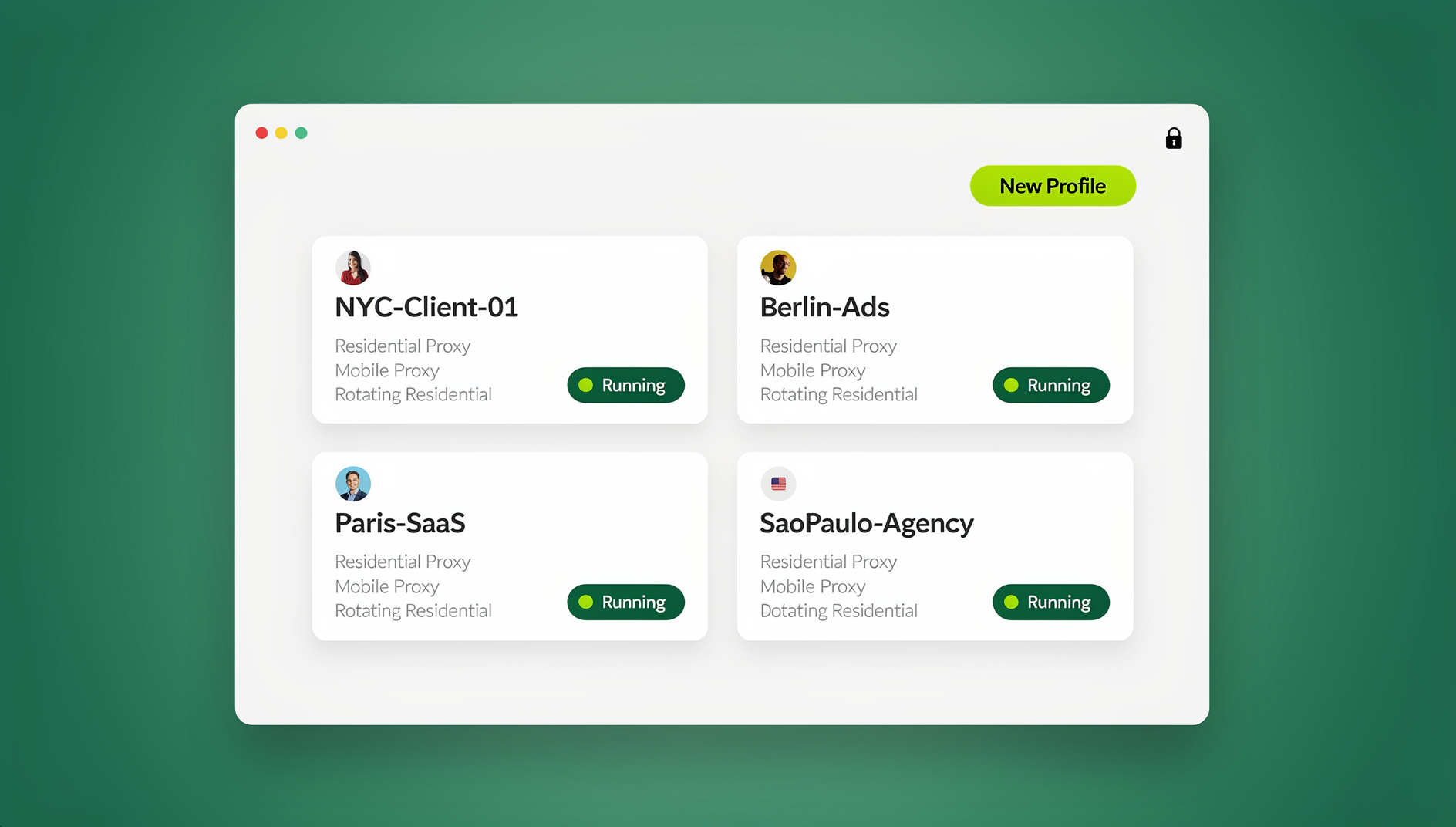
For pay-per-click (PPC) agencies, advertising consultants, and in-house marketing teams running multiple brands, search engine marketing is rarely confined to a single Google Ads ID. You likely run distinct ad campaigns for different clients, handle multiple storefronts with separate billing profiles, or manage localized campaigns across different international regions. Managing these setups individually can be time-consuming. Without a structured workflow, you will spend your day logging in and out of Google profiles, struggling to compare performance, and dealing with billing issues.
Juggling several ad accounts presents significant operational risks. If you do not have a robust system, it is easy to make mistakes like overspending on a client’s campaign, applying incorrect targeting rules, or accidentally triggering account suspensions due to shared logins. In this guide, we will discuss Google’s built-in manager accounts, outline essential organization strategies, cover automated script setups, and explain how browser session isolation secures your ad operations.
Why Multi-Account Google Ads Management is Essential
Segmenting your advertising efforts into separate Google Ads accounts is critical for maintaining organization, budget control, and security. Juggling multiple ad profiles is standard practice across several business models:
- Advertising Agencies: Agencies must keep client ad spend, conversion tracking, and billing completely separate. This ensures client data remains private and billing stays accurate.
- Multi-Brand Enterprises: Large companies with separate sub-brands use distinct accounts to prevent campaigns from competing against each other in the auction pool.
- International Campaigns: Running separate accounts for different countries allows teams to manage regional budgets, target localized audiences, and use native currencies.
- Asset Protection: Separating ad accounts shields your business from cascading suspensions. If one account is flagged for a policy issue, your other brand campaigns will remain active.
If you also run retail operations alongside ads, see our Multiple Amazon Accounts Multi Account Management Guide 2026 to secure your digital storefronts and run multi-store operations safely alongside your advertising setups.
Understanding the Google Ads Manager Account (MCC)
The Google Ads Manager Account (formerly My Client Center or MCC) is Google’s native tool for linking and managing multiple individual ad accounts from a single login.
Setting Up Your MCC
You can create an MCC by visiting the Google Ads home page, selecting “Manager Accounts,” and clicking “Create a manager account.” Give the account a name, select “Manage other people’s accounts” (if you are an agency) or “Manage my accounts” (if you are an in-house team), and complete the setup. Once created, you can link individual ad accounts by entering their 10-digit customer IDs and approving the access request in the client’s account settings.
Key MCC Features:
- Consolidated Dashboard: View core metrics (clicks, impressions, cost, conversions) for all linked accounts in a single view.
- Hierarchy Management: Link sub-manager accounts to organize campaigns by client vertical, brand, or regional team.
- Consolidated Billing: Group billing profiles to pay for multiple ad accounts with a single monthly invoice.
- Shared Resource Library: Share negative keyword lists, remarketing audiences, and placement exclusions across multiple accounts, saving setup time.
Using Google Ads Editor for Bulk Multi-Account Operations
While the web-based Google Ads interface is ideal for day-to-day monitoring, bulk adjustments across multiple accounts are best handled offline using Google Ads Editor. Google Ads Editor is a free, downloadable desktop application from Google that allows you to download your campaign data, make changes offline, and then upload those changes to Google Ads in bulk.
For agencies managing dozens of accounts, making changes to search bids, swapping out ad creatives, or adding negative keywords across multiple profiles in the web interface is slow and repetitive. With Google Ads Editor, you can download all your accounts simultaneously, make changes in seconds using advanced search-and-replace or copy-and-paste tools, and review your modifications before publishing them. For example, if you need to add a list of brand exclusions to campaigns in ten different client accounts, you can copy the negative keyword list, select all ten accounts, paste the keywords into the campaign target panels, and upload the changes in a single operation. This offline approach reduces errors, prevents page reload delays, and makes bulk adjustments across multiple accounts highly efficient.
A Step-by-Step Guide to Safely Onboarding Client Ad Accounts
Step 1: Request Access via Customer ID
To link a client’s Google Ads account to your MCC, obtain their 10-digit Customer ID (displayed in the top-right corner of their dashboard). In your MCC dashboard, click the “+” icon, select “Link existing account,” and enter the ID. Google will send an authorization request to the client’s account.
Step 2: Client Approval and Permissions Setup
The client must log into their Google Ads account, navigate to Tools and Settings, select Access and Security, and accept the pending request from your manager account. During this step, clarify the level of management access required (usually Standard or Admin) to prevent authorization issues.
Step 3: Establish Isolated Browser Sessions for Onboarding Audit
Before running campaigns, perform an onboarding audit. Since you may need to access their billing settings or check local ad appearances, log into their account using separate containerized browser sessions rather than a standard browser window. This separates their tracking cookies and digital fingerprints from your other client profiles, keeping their account secure.
Step 4: Set Up Shared Assets and Campaign Standards
Apply your agency’s standard negative keyword lists and placement exclusions to the newly linked account from your MCC dashboard. Configure shared remarketing lists or manager-level conversion tracking to ensure consistent campaign optimization from day one.
Key Strategies for Standardizing Multiple Accounts
Maintaining consistency across accounts makes reporting and campaign optimization much easier. Establish these standards from day one:
1. Consistent Naming Conventions
Use a template campaign naming structure across all accounts. This allows you to filter and analyze campaigns quickly in reporting dashboards. A standard template might look like: `[Brand_Name] | [Campaign_Type] | [Target_Audience] | [Location]` (e.g., `BrandA | Search | Generic | US`).
2. Cross-Account Negative Keyword Lists
Create negative keyword lists at the manager level and apply them across all relevant accounts. This prevents your ads from showing on low-quality search terms (such as “free,” “cheap,” or “jobs”) across all client campaigns simultaneously.
3. Unified Conversion Tracking
Use manager-level conversion tracking to measure performance consistently. This is especially useful for companies running multiple websites under a single brand, allowing Google’s smart bidding models to learn from conversions across all properties.
Automating Multi-Account Operations with Scripts and Rules
Google Ads Scripts allow you to write Javascript to automate tasks and monitor performance across your entire MCC portfolio. For example, you can write a script to check account balances daily and alert you if any campaign is spending too fast:
function main() {
  var accountIterator = AdsManagerApp.accounts()
    .withCondition("Impressions > 0")
    .forDateRange("THIS_MONTH")
    .get();

  while (accountIterator.hasNext()) {
    var account = accountIterator.next();
    AdsManagerApp.select(account);

    var stats = AdsApp.currentAccount().getStatsFor("THIS_MONTH");
    var cost = stats.getCost();
    var conversions = stats.getConversions();

    Logger.log(account.getName() +
      " | Spend: $" + cost.toFixed(2) +
      " | Conversions: " + conversions);
  }
}
You can also configure automated rules in Google Ads to pause underperforming keywords, increase bids on high-converting ads, or send email alerts when quality scores drop.
Security, Access Controls, and Session Isolation
Managing multiple ad accounts increases your security exposure. A compromised user profile can put dozens of client ad budgets at risk. Protect your operations by implementing these security standards:
- Enforce 2FA: Require two-factor authentication for all users with access to your manager account.
- Assign Scoped Roles: Use Google’s granular access levels (Admin, Standard, Read-Only, Billing) and grant team members the minimum level of access they need to perform their tasks.
- Isolate Browser Sessions: Never log into multiple client Google accounts within the same browser session. Standard browsers share local cookies, which can link your client profiles and trigger security blocks or account suspensions.
Security is paramount; if your agency runs diverse client assets, read the Multiple Amazon Accounts Complete Guide To Safe Multi Store Operations 2026 to see how multi-store merchants structure their operations.
Managing multiple ad setups is part of a larger administrative workload. Check our Managing Multiple Accounts Multi Account Management Guide 2026 for broader operations strategy on managing business accounts safely.
Browser-Level Isolation vs. MCC Access
While Google’s MCC console is helpful, certain actions require you to log into individual client profiles directly (such as managing billing credentials, checking local ad appearances, or handling accounts that clients have not yet linked to your MCC). Juggling these logins in a standard browser is risky because Google tracks IP addresses, browser fingerprints, and cookie history to link profiles.
To avoid these risks, agencies use specialized multi-account browsers that isolate cookie storage and digital fingerprints. Sendwin provides a secure solution, letting you run separate ad accounts side-by-side using the Sendwin Browser native desktop app or secure cloud browser sessions. Each tab operates in a sandboxed environment, preventing cross-site tracking and keeping your client ad accounts completely separate.
Choosing the correct tool for this task is detailed in the Best Browser For Multiple Accounts Expert Review Comparison 2026 guide, which analyzes modern options for multi-profile workflows.
🏆 Send.win Verdict
Managing multiple Google Ads accounts requires a structured approach that combines Google’s MCC console with secure session isolation. Send.win provides a clean, secure environment to log into individual client ad dashboards without the risk of cookie leaks or IP tracking. Using the Sendwin Browser native desktop client or zero-install cloud browser sessions, you can run isolated ad profiles side-by-side. Paid plans start at $19/month (Pro) or $49/month (Team), and your first card purchase is covered by a 7-day money-back guarantee. You can also try the free cloud demo at https://send.win/demo-browser/.
Try Send.win free today — run your ad accounts securely without session crossovers.
Frequently Asked Questions
How many individual accounts can I link to a single MCC?
A single MCC manager account can link up to 85,000 individual ad accounts, which is more than enough for most advertising agencies.
Will a suspension on one client account affect my other ad accounts?
Usually, no. If the suspension is due to a policy violation specific to that client’s landing page, it will not affect other accounts. However, if Google detects that multiple accounts share the same login cookies, billing cards, or IP addresses in a standard browser, it may issue a blanket block.
Can I use different credit cards for different linked accounts?
Yes, you can configure billing settings individually for each account, or set up consolidated billing to pay for multiple profiles from a single agency card.
What is manager-level conversion tracking?
Manager-level conversion tracking allows you to create a single conversion action at the MCC level and apply it across multiple linked accounts to measure performance consistently.
Can I link an individual Google Ads account to more than one MCC?
Yes, an individual account can be linked to up to five different manager accounts simultaneously, which is helpful if multiple agencies need access.
How does Sendwin help prevent ad account suspensions?
Sendwin isolates each browser tab into a sandboxed environment with separate cookies and local storage. This prevents Google from linking your client profiles and flags them as separate, independent sessions.
Do I need a credit card to try Sendwin?
No, Sendwin has no free trial; paid plans start at $19/month, and your first card purchase is covered by a 7-day money-back guarantee. You can also try the free cloud demo at https://send.win/demo-browser/ to test session isolation and proxy integration.
Conclusion
Successfully managing multiple google ads accounts requires combining Google’s MCC console with strong security practices. Setting up a structured MCC hierarchy, using consistent naming rules, and sharing negative keyword lists helps streamline your workflow. To protect your operations from cookie crossovers and account flags, manage your client portals inside secure, isolated browser environments. Implementing these practices keeps your campaigns organized, secures client data, and helps you scale your advertising efforts safely.