Can You Really Get a Virtual Browser Online for Free?
Accessing a virtual browser online free is entirely possible using cloud-based sandboxes like Send.win, which offer isolated sessions without local installation. These tools protect your device by rendering web pages on secure remote servers and streaming the visual interface back to you. While free plans often have usage limits or resource caps, they provide an excellent starting point for basic privacy, safe link testing, and multi-account management.
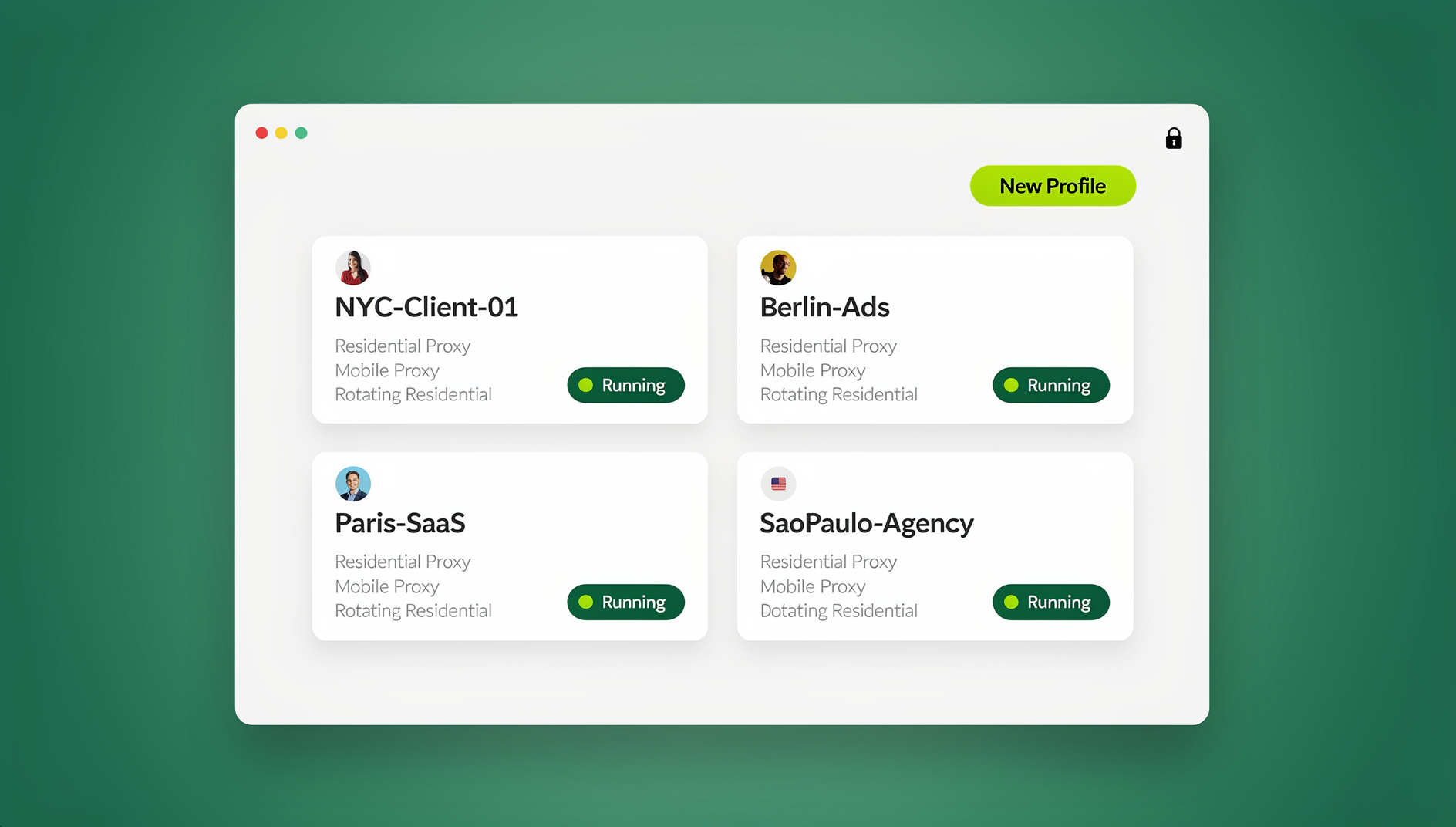
A virtual browser online free operates by shifting the burden of web execution from your personal computer to a remote virtualized server. When you enter a web address or click a link, the remote machine fetches the page, executes the interactive scripts, processes the media files, and renders the layout. It then translates this rendering into a continuous visual stream, which is displayed in real-time on your screen. This architecture acts as a secure buffer. No malicious files can cross the boundary from the cloud session to your local system, making it a perfect environment for web security testing and safe browsing.
For many users, starting with a free virtual browser online free tier is a great way to understand the technology before purchasing more advanced multi-account plans. Below, we explore the architectures, platforms, and strategies that let you run isolated web environments without spending a dime.
What is a Remote Cloud Browser?
A remote cloud browser is a web application that runs inside an isolated container on a secure remote host. Unlike your local Chrome or Firefox setup, which executes Javascript and caches cookies on your actual physical drive, a remote browser isolates all activities in a virtual sandbox. Every action you perform is relayed to the remote container, and only the visual output is streamed back. Because the session is hosted externally, your native operating system remains untouched by any activities inside that session.
This isolation is highly valuable when deal-making or testing. Many cybersecurity professionals use these tools to analyze dangerous URLs because the sandbox prevents any zero-day browser exploits from compromising their work network. It is also ideal for marketers who need to run different accounts without their local machine storing conflicting cookie data or hardware footprints. By keeping all resources remote, you achieve a level of safety that local privacy controls simply cannot replicate.
The Architecture of Remote Rendering: Pixel Streaming Explained
The magic behind any virtual browser online free tool is pixel streaming. In this process, the remote server acts as a digital canvas. When you load a website, the server’s graphics processor renders the page layout. It then converts this visual rendering into a continuous, highly compressed visual stream, which is sent directly to your web client. When you click, scroll, or type, your local input commands are packaged and sent back to the remote server, which executes them in milliseconds.
This process means the website you visit never sees your real hardware details. Instead, it only interacts with the remote server’s browser environment. It sees the server’s GPU, CPU architecture, screen resolution, and operating system. Your real browser fingerprint is completely hidden, preventing trackers from compiling a profile about your device. If you want to configure your network settings to match this setup, our guide on proxy browser setup provides step-by-step instructions.
Furthermore, because the connection between your device and the remote sandbox is encrypted, local network administrators or internet providers can only see that you are connected to a cloud session. They cannot monitor the specific pages you visit or the data you enter, providing an extra layer of privacy. This form of protection is part of a broader security strategy described in our article on browser isolation technology, which outlines how remote isolation blocks advanced malware threats.
Top Free Virtual Browsers Available Online in 2026
1. Send.win Cloud Sessions
Send.win is a premier solution in the multi-account and privacy space. It offers two primary modes of operation: the Sendwin Browser (a native desktop app) and cloud browser sessions. For users searching for a virtual browser online free option, Send.win provides cloud browser sessions that run entirely in the cloud and require no local software download. This makes it perfect for secure access from any device, including tablets and mobile phones. The service is highly optimized to run smoothly on low-bandwidth connections.
The Send.win platform allows you to create isolated browser profiles, each with its own persistent cookie storage, proxy settings, and unique browser fingerprint. For users ready to scale, Send.win offers competitive pricing: the Pro plan costs $19/month (or $83.88/year) and the Team plan costs $49/month (or $251.88/year). The first card purchase is covered by a 7-day money-back guarantee. You can also preview Send.win for free with the cloud demo at https://send.win/demo-browser/ — a 3-minute preview without signup, or 10 minutes a day with a free account.
2. Browserling
Browserling is a popular developer tool designed for quick cross-browser testing. It allows you to run virtualized versions of different browsers on various operating systems. While it provides an instant virtual browser online free access, its free tier has severe constraints. Free sessions are limited to three minutes, and during peak hours, users must wait in a queue. There is no session persistence, meaning all cookies, logins, and settings are wiped immediately when the session ends. It is useful for a quick check but cannot support daily workflows.
3. Kasm Workspaces Community Edition
Kasm Workspaces offers a robust container streaming platform. Their Community Edition is free to use, but it requires self-hosting. You must purchase your own virtual private server (VPS), configure Linux, and run the workspaces via Docker. While the software itself is free, the infrastructure and maintenance costs are not. It requires significant technical expertise to set up and keep secure, making it less accessible for non-technical users. For self-hosted setups, check out our guide on deploying a custom docker browser container.
4. SquareX Disposable Browser
SquareX focuses on security and privacy by offering temporary, disposable browser instances in the cloud. It is designed to let users open suspicious attachments or visit unverified links in a sandboxed environment. The free tier offers a limited number of daily sessions. However, it does not support session persistence or advanced multi-account management, so it cannot be used for daily workflows or maintaining long-term log-ins. For users seeking to isolate individual web applications instead of full desktops, see our guide on application isolation.
Comparison: Free vs. Paid Isolated Browsers
While a free virtual browser online free can handle basic tasks, paid options provide the reliability needed for professional work. Below is a detailed feature comparison:
| Feature | Free Cloud Sandbox | Paid Virtual Browser (Send.win) |
|---|---|---|
| Session Duration | Highly restricted (often 3-10 minutes) | Unlimited, persistent sessions |
| Session Persistence | Usually disabled (wipes on exit) | Full persistence of cookies and logins |
| Multi-Account Support | Limited or single session only | Hundreds of unique, sandboxed profiles |
| Proxy Integration | Rarely supported on free tiers | Built-in per-profile proxies and routing |
| Fingerprint Masking | Basic or standardized server signature | Advanced canvas, WebGL, and hardware masking |
| Team Collaboration | None | One-click secure profile sharing |
| Automation API | None | None |
Security Risks and Disadvantages of Free Remote Browsers
When using a virtual browser online free, you must be aware of the inherent risks of free cloud services. Because you are routing your web traffic through another entity’s servers, data privacy is a primary concern. Some free providers may log your activities, capture account credentials, or inject advertising into your sessions to monetize their free tools. Always research the provider’s reputation and privacy policies before entering sensitive information. Never input bank details or critical corporate passwords into unverified free platforms.
Performance throttling is another common issue. Free cloud sandboxes are typically hosted on shared server infrastructures with strict resource caps. This can lead to high latency, laggy visual streams, low-resolution rendering, and slow page load times. Furthermore, most free tiers do not allow you to integrate your own proxies, forcing you to share blacklisted IP addresses with other free users, which can trigger verification prompts and account suspensions on major platforms. This makes them unsuitable for tasks that require absolute location consistency.
Common Use Cases for Free Isolated Sandboxes
Free cloud sandboxes are highly effective when used for specific, low-risk tasks. The most common use cases include:
Inspecting Unverified and Suspicious Links
If you receive a suspicious link in an email, opening it directly on your device can expose you to malware or drive-by downloads. Opening it inside a temporary virtual browser online free container ensures that any malicious payload is executed on a remote server. When you close the session, the container is destroyed, keeping your local system completely safe. Security analysts use this method to dissect phishing pages without risking their workstation’s integrity.
Safe Browsing on Public and Shared Workstations
When using public computers at hotels, library hubs, or shared workspaces, your login details and browsing history can easily be captured by local keyloggers or tracking software. By launching a virtual browser online free session, all your web activity, history, and logins remain in the cloud, leaving no digital footprint on the physical machine. Once you close the tab, your session data is wiped from the local client memory.
Multi-Account Management Onboarding
For individuals new to digital marketing or e-commerce who want to learn the basics of profile isolation, a free tier is a great learning sandbox. It allows you to test how to configure different sessions and understand how proxy routing works before upgrading to a premium platform. This experimental phase is critical to understanding how websites identify returning users.
Choosing the Right Setup: Cloud Sessions vs. Local Clients
When selecting a remote browser system, it is vital to understand the difference between local clients and cloud sessions. A local client, such as a desktop antidetect browser, runs on your physical computer. It uses local resources to modify your browser fingerprints, which means you must install software and have a powerful machine with sufficient RAM to run multiple profiles simultaneously.
In contrast, cloud sessions run entirely on remote servers. They do not require local installations, making them highly flexible. You can access your persistent browser sessions from any device, including Chromebooks, tablets, or phones. The server handles all the processing, which saves your local computer’s battery and CPU. For individuals who travel frequently or work on lightweight devices, cloud sessions represent the most convenient option. It allows you to log into your work profiles from a coworker’s device without leaving any local traces.
For users who want both options, Send.win provides the ultimate flexibility. It includes a native desktop app for high-performance local multi-accounting, alongside metered cloud browsing sessions for on-the-go access without local installations. This ensures you always have the right tool for your specific workflow. By using both, you can handle intensive tasks locally and quick checks in the cloud.
When to Upgrade to a Paid Professional Solution
While a virtual browser online free is useful for temporary tasks, professional digital operations require a paid plan. As your business grows, several factors will make an upgrade necessary:
- High-Volume Profile Management: If you run multiple stores on Amazon or eBay, or manage client ad accounts, you need persistent, separate environments that save your cookies and stay logged in. Send.win’s Pro plan handles 150 profiles easily.
- Advanced Proxy Management: Premium plans allow you to bind dedicated proxies to each profile, ensuring that your accounts always connect from the same clean IP address. This prevents platforms from linking and blocking your profiles.
- Secure Team Collaboration: Sharing account logins with remote employees using passwords is a major security risk. Upgrading to a Team plan allows you to share isolated profiles with colleagues with a single click, keeping your credentials secure.
🏆 Send.win Verdict
Free virtual browsers are great for quick security checks and disposable tasks, but they lack the speed, persistence, and reliability needed for serious work. Send.win bridges this gap with paid plans covered by a 7-day money-back guarantee on your first card purchase, and a free cloud demo at https://send.win/demo-browser/ so you can try a premium virtual browser online free of risk, combining robust security with professional-grade profile management.
Try Send.win today — start with a paid plan covered by a 7-day money-back guarantee, or preview it free in the cloud demo, and experience professional cloud browser isolation.
Frequently Asked Questions
Is it safe to enter passwords in a virtual browser online free?
It depends entirely on the provider you choose. Reputable, secure services like Send.win encrypt your session stream and do not log your sensitive inputs. However, you should avoid unknown or unverified free providers, as they may monitor sessions or log credentials to monetize their free tools.
Can I use a free virtual browser on mobile devices?
Yes. Cloud-based virtual browsers run their processes on remote servers and stream the visual output, which means they can be accessed through any standard web client on smartphones and tablets. The performance will depend on the speed of your mobile network connection.
What is the difference between a virtual browser and a VPN?
A virtual private network (VPN) encrypts your network connection and changes your IP address, but the browser still runs locally on your computer. A virtual browser runs entirely on a remote server, which isolates you from malware and prevents tracking through browser fingerprinting. For the best security, you can use both together.
Will a virtual browser online free slow down my internet connection?
Because the remote server is streaming video or image frames to your screen, you may experience slight visual latency. On a stable broadband connection, the difference is negligible for normal browsing, but free plans may run on shared servers that experience slowdowns during peak hours.
Can I watch videos or stream media in a virtual browser?
Yes, standard video playback works in most virtual browsers. However, because the video must be rendered on the remote server, compressed, and streamed to your device, high-definition streaming or fast-paced gaming may experience lag and buffering, especially on free plans with bandwidth caps.
Do free virtual browsers save my browsing history?
Most free disposable browsers wipe all history, cookies, and cached data the moment your session is closed. If you require your history and login sessions to be saved, you need a persistent virtual browser solution like Send.win, which preserves your profile data across sessions.
Can I use my own proxy with a virtual browser online free?
Most free, ad-supported virtual browsers do not allow you to configure custom proxies, forcing you to use the server’s default IP address. Premium services like Send.win allow you to bind dedicated proxies to individual browser profiles to maintain IP consistency and prevent account bans.
Related Products & Resources
- For a complete walkthrough on routing your isolated profiles, see our proxy browser setup guide.
- To understand the core mechanisms of remote rendering, read about browser isolation technology.
- If you want to explore self-hosting your own cloud sandboxes, read our guide on setting up a docker browser.
- To discover how security teams isolate web traffic, check out our guide on application isolation.