Why Social Teams Need Shared Instagram Management
If you want to know how to have multiple people manage an instagram account safely, the best approaches are to configure role-based access in Meta Business Suite, employ third-party tools, or share secure login environments via Sendwin Browser. Directly sharing passwords triggers security lockouts, but these methods maintain account security. Here is exactly how to set up each option for your social team.
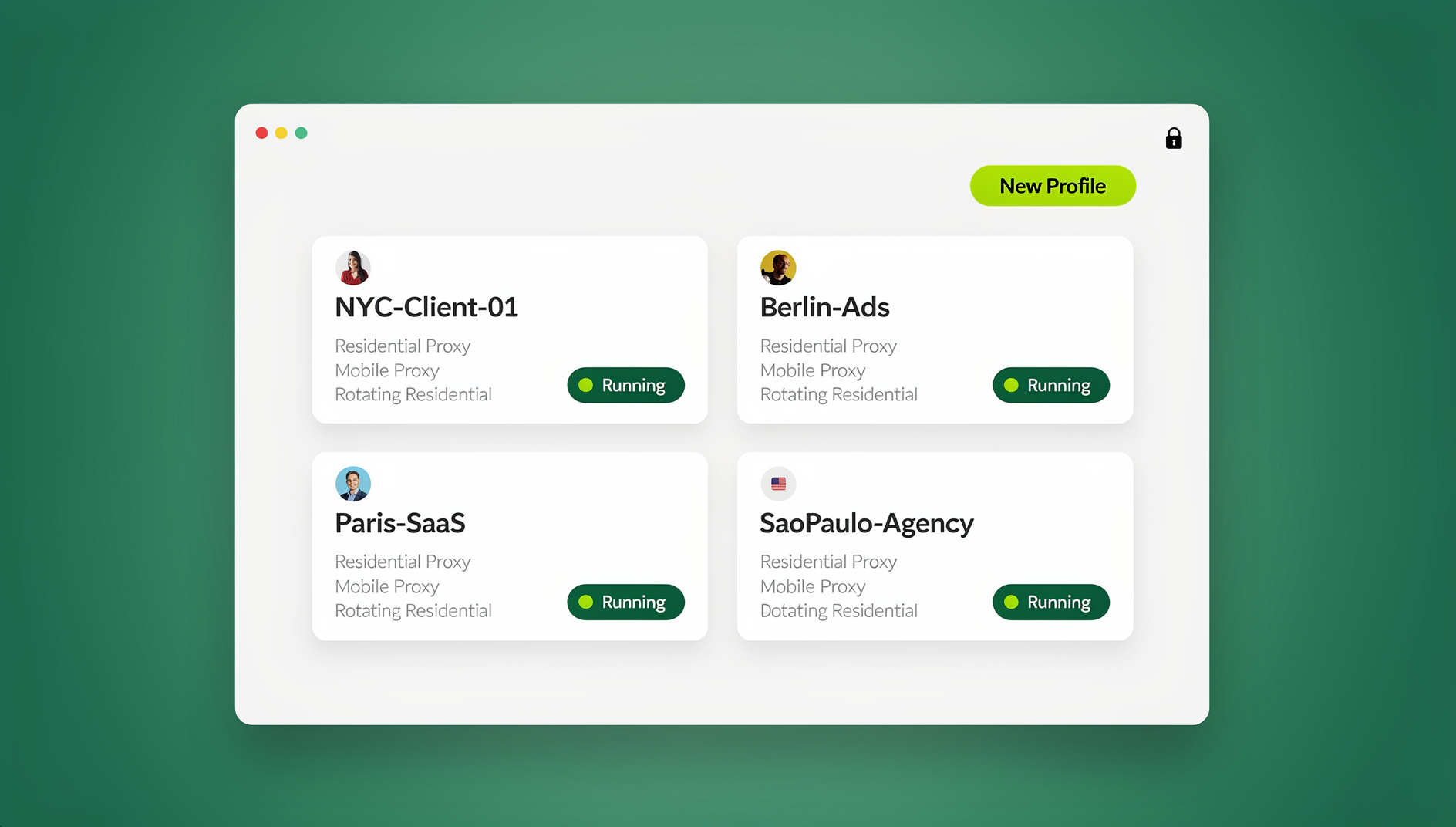
In modern digital marketing, an active social media presence requires constant monitoring. Capturing trending topics, posting Reels at high-traffic hours, responding to user comments, and handling customer service inquiries via Direct Messages (DMs) cannot be managed by a single person without causing burnout or operational delays. Collaborative account management is essential for agencies and businesses that want to scale. However, because Instagram was designed as a mobile-first, single-user platform, establishing shared access without compromising security presents major hurdles.
In this guide, we will cover the risks of direct credential sharing, explore official and third-party tools, and explain how browser session isolation offers the safest and most complete method for team collaboration. By implementing these practices, you can ensure your team maintains high engagement levels without triggering account suspensions.
The Pitfalls of Traditional Password Sharing
For many small teams, the default approach to sharing an Instagram account is simply giving the password to everyone on the team. While this is fast, it is highly insecure and creates significant operational friction. If you rely on this practice, you will run into several critical security issues:
- Account Access Blocks: Instagram monitors the location and device fingerprint of every login. If team members attempt to access the account from different locations (or even different computers on the same network) in a short period, Instagram flags the activity as suspicious, triggers identity verifications, and can lock the account.
- Two-Factor Authentication (2FA) Friction: If you have 2FA enabled (which is mandatory for brand security), the verification code is sent to a single phone number or email address. When a team member attempts to log in, they must contact the owner of that phone to retrieve the code before it expires, slowing down the workflow.
- Lack of an Audit Trail: When everyone uses the same username and password, you cannot track which team member posted a specific update, replied to a customer query, or modified account settings. This makes troubleshooting errors almost impossible.
- Offboarding Challenges: When a employee or freelancer leaves your team, you must change the shared password and distribute the new credentials to all remaining team members. This creates constant disruptions and leaves security gaps if the password isn’t updated immediately.
To avoid these vulnerabilities, you must implement a structured, role-based sharing system. Let’s look at the available methods.
Method 1: Meta Business Suite (The Official Role-Based Path)
For brands with an Instagram Business or Creator profile, Meta offers a free, officially supported way to distribute access. By linking your Instagram account to a Facebook Business Page, you can manage permissions via Meta Business Suite.
To set up this configuration, follow these steps:
Step 1: Link Instagram to Your Facebook Page
Ensure your Instagram account is converted to a Business or Creator profile. Open your Facebook Page settings, navigate to Linked Accounts, select Instagram, and log in with your credentials to establish the connection.
Step 2: Add Team Members in Meta Business Manager
Go to business.facebook.com and access your Settings. Under the Users menu, click on People, then select Add. Enter the business email addresses of your team members and send invitations.
Step 3: Assign Specific Permissions
Assign the appropriate permissions based on each team member’s role:
- Full Control (Admin): Best for agency owners or team leads. Grants access to billing, settings, role delegation, and all publishing tools.
- Partial Control (Editor/Moderator): Best for content creators and community managers. Allows them to create posts, schedule Reels, check insights, and reply to DMs without accessing page settings.
- Task Access (Advertiser/Analyst): Best for media buyers and auditors. Grants access to run campaigns or view reports without publishing rights.
While this official method is highly secure, it has a major drawback: it requires every team member to link their personal Facebook profile to the business manager, which many employees dislike. Additionally, Meta’s interface is notoriously slow and does not support all native Instagram features (such as editing interactive elements in Stories or Reels).
Method 2: Third-Party Social Media Dashboards
Another common strategy is using third-party social media management platforms like Buffer, Later, Sprout Social, or Hootsuite. These platforms connect to your Instagram account via Meta’s Graph API, allowing your team to draft, schedule, and analyze content without accessing Instagram directly.
Here is a summary of the features and structures of popular third-party tools:
| Platform | Key Collaboration Features | API Limitations | Target Audience |
|---|---|---|---|
| Buffer | Draft sharing, approval flows, calendar planning. | No direct DM routing on lower tiers; limited Story options. | Small teams and startups. |
| Sprout Social | Advanced asset libraries, assignment tracking, CRM logs. | Requires expensive per-seat licenses to scale. | Agencies and enterprise marketing teams. |
| Later | Visual planning board, media storage, grid previews. | Interactive Reel stickers and music are not supported. | Visual brands and e-commerce stores. |
While these tools are excellent for scheduling posts, they do not provide full native access. If your strategy relies on real-time engagement, interactive Stories, and direct interaction in DMs, the API limitations will hinder your team’s workflow.
Method 3: Browser Session Isolation for Social Teams
To get full native access to Instagram without sharing passwords or suffering from login challenges, agencies are moving to browser session isolation. Instead of logging in from new browsers every time, team members access a pre-configured browser session that remains persistently authenticated.
This is where specialized tools excel. Whether you manage marketing profiles via a specialized browser for ads management or run multiple amazon accounts, isolation is crucial for protecting your digital identity. Use a dedicated cookie management tool like Sendwin Browser.
By shifting your team’s social media operations to a specialized chrome multi account management alternative like Sendwin Browser, you can create isolated, sandboxed browser profiles. The administrator logs into the Instagram account once within the profile. Team members can then launch that profile on their own devices. Because the cookie state and browser fingerprints remain completely consistent, Instagram does not register a new login attempt, eliminating suspicious login blocks and verification checks.
Comparing the 4 Shared Access Methods
To help you determine the best setup for your social team, we have compared all four methods in a detailed matrix:
| Method Name | Pricing | Security Level | Native Feature Access | Setup Complexity |
|---|---|---|---|---|
| Shared Password | Free | Very Low | Full Access | Instant |
| Meta Business Suite | Free | High | Moderate (API limitations) | Medium |
| Third-Party API Tools | $6 to $249+/month | Very High | Low (No advanced editing/music) | Medium |
| Sendwin Browser Profiles | $19/month (or $6.99/mo annual) | Very High | Full Access (All native features) | Low |
Security Best Practices for Social Media Collaboration
Regardless of which option you choose to manage your Instagram profile, your team must adhere to strict security protocols to prevent account hijackings and data leaks:
- Use Authenticator App 2FA (TOTP): Never use SMS-based 2FA. Instead, use an authenticator app (like Google Authenticator or Microsoft Authenticator) that supports shared vaults. You can store the TOTP secret key in a shared password manager vault (such as 1Password or Bitwarden) so that team members can generate active verification codes directly on their devices.
- Establish a Strict Offboarding Workflow: When a team member leaves, their access must be revoked immediately. If you are using Meta Business Suite, remove their name from the People list. If you are using Sendwin Browser, simply terminate their seat permission or delete their access to the shared profile. This instantly revokes their session without requiring you to change the underlying account password.
- Audit Activity Regularly: Review the account history logs in Meta Business Suite or your social scheduler. Look for unrecognized posts, modifications in profile bios, or changes in linked payment methods. Regular audits protect your brand against internal and external threats.
🏆 Send.win Verdict
Direct password sharing exposes your social accounts to bans, while official Meta tools and third-party dashboards limit your ability to use native Instagram features. Sendwin Browser offers the ideal solution by combining full feature access with complete session security. By utilizing isolated profiles with matching fingerprints, Sendwin Browser allows multiple team members to manage your Instagram account natively and simultaneously with zero login conflicts.
Try Send.win today — Paid plans start at $19/mo (Pro) or $49/mo (Team), and your first card purchase is covered by a 7-day money-back guarantee, so you can establish secure, isolated shared profiles for your marketing team. You can also preview it for free in the cloud demo.
Frequently Asked Questions
Can multiple people log into one Instagram account at the same time?
Yes. However, if you use standard browsers or devices from different locations, Instagram’s security algorithms will flag the multiple concurrent connections, prompting verification challenges or temporarily locking the account. Using consistent browser fingerprints via Sendwin Browser solves this problem.
Is it against Instagram’s terms of service to share account access?
Sharing your raw login credentials violates Instagram’s community guidelines, which forbid sharing account details with others. However, using officially supported tools like Meta Business Suite is fully compliant. For native access, sharing session states through secure browser profiles preserves security compliance.
Does Meta Business Suite let you manage Instagram DMs?
Yes. Meta Business Suite features a unified Inbox tab where team members with appropriate permissions can view, reply to, and archive DMs and comments from both Facebook and Instagram. However, it lacks advanced filtering and direct contact notes available in the native mobile app.
Does Send.win offer an Automation API?
No. Send.win does not have an automation interface: there is no API, SDK, headless mode or Selenium/Puppeteer/Playwright support on any plan. The Automation API was retired.
What is the benefit of cloud browser sessions over the desktop app?
The native desktop client (Sendwin Browser) runs profiles locally on your computer using local resources. Cloud browser sessions run entirely on our secure cloud servers, requiring no local installation and allowing you to access isolated profiles from any device, including tablets and mobile phones.
How do I share a Send.win profile with a team member?
On the Team plan, you can assign profiles to specific team seats. The administrator shares the profile from the dashboard, and it instantly appears in the team member’s console. The team member can then launch the profile and access the pre-logged session without ever seeing the raw username or password.
What should I do if Instagram locks my account due to shared access?
If your account is locked, wait 24 hours to let the security flags clear. Do not make multiple login attempts. Have the primary owner verify their identity using the registered email or phone number. Once unlocked, switch to Meta Business Suite or browser session isolation to prevent future blocks.