Why Your Google Ads Account Was Suspended for Circumventing Systems
When Google Ads suspended circumventing systems appears on your account, it means Google detected behavior that violates its policy against evading ad review, account restrictions, or detection mechanisms. Common triggers include cloaking landing pages, recreating banned accounts, running multiple accounts with linked footprints, or serving misleading ad content. Recovery requires a structured appeal with documented evidence of compliance — and prevention starts with properly isolated browser environments for each legitimate business.
What Does the “Circumventing Systems” Policy Actually Mean?
Google’s circumventing systems policy falls under its Enabling Dishonest Behavior category. It covers any attempt to bypass Google’s ad review processes, evade enforcement actions, or help others do the same. Unlike a simple disapproval where a single ad gets flagged, a circumventing systems suspension affects your entire account — all campaigns stop immediately, and your ads balance may be frozen.
Google defines circumventing systems broadly. It includes technical evasion (like cloaking), procedural evasion (like creating new accounts after a ban), and even indirect facilitation (promoting tools explicitly designed to deceive Google’s systems). The policy applies whether the circumvention was intentional or accidental — Google’s automated systems don’t distinguish between the two.
The Difference Between Suspension and Disapproval
A disapproval affects a single ad or asset. You fix the issue, resubmit, and move on. A circumventing systems suspension is an account-level action. Google considers the pattern of behavior serious enough to shut down everything associated with that advertiser identity. This is why it feels so severe — there’s no “fix one ad and get back online” option.
Common Triggers That Lead to This Suspension
1. Cloaking or Misleading Redirects
Cloaking means showing Google’s review crawlers one version of your landing page and real users a different version. This includes server-side redirects based on user agent, JavaScript-based content swapping, or geo-targeted page variations specifically designed to hide non-compliant content from Google. Even unintentional cloaking — like a CDN configuration that serves different content to bots — can trigger this flag.
2. Multiple Accounts to Evade Enforcement
If Google suspended one of your accounts and you create a new one to keep running ads, Google will eventually link the accounts through shared payment methods, IP addresses, browser fingerprints, device identifiers, or billing addresses. When they connect the dots, the new account gets the same circumventing systems suspension — often faster than the original.
3. Misleading Ad Content
Ads that make claims your landing page doesn’t support, use bait-and-switch tactics, or imitate system notifications (“Your computer is infected!”) fall under this policy. Google’s reviewers check whether the ad’s promise matches the landing page experience, and automated systems monitor post-click behavior for signs of deception.
4. Recreating Suspended Campaigns
Submitting the same or substantially similar ad content that was previously disapproved — even from a different campaign within the same account — signals to Google that you’re trying to circumvent their review process rather than genuinely fixing the problem.
5. Coordinated Inauthentic Behavior
Running ads across multiple accounts that appear independent but serve the same business, especially when those accounts share infrastructure, can trigger circumventing systems flags. Google monitors for patterns suggesting an advertiser is splitting activity across accounts to avoid per-account policy enforcement. This is particularly common in competitive niches like finance, health supplements, and online gambling.
How Google Detects Circumvention
Google uses a layered detection system that combines automated scanning with human review:
- Account fingerprinting: Payment instruments, login IP addresses, device fingerprints, and behavioral patterns are all cross-referenced against known suspended accounts
- Landing page crawling: Google re-crawls landing pages regularly, not just at ad submission. They compare what their crawler sees versus what real user traffic encounters
- Post-click analytics: Abnormal bounce rates, redirect chains, or user behavior patterns that suggest bait-and-switch trigger deeper review
- Cross-account signals: Shared billing, shared domains, similar ad copy, overlapping audiences, and even similar account creation patterns get flagged for review
Understanding these detection methods is crucial because your appeal needs to address whichever signal triggered the suspension — and your prevention strategy needs to ensure those signals don’t fire for managing multiple accounts across legitimate, separate businesses.
Step-by-Step Appeal Process
Step 1: Identify the Exact Violation
Before appealing, determine exactly what triggered the suspension. Review every ad, landing page, and redirect chain in the account. Check your landing pages from multiple geographic locations and devices. Look for any JavaScript that modifies content based on referrer or user agent. If you run multiple Google Ads accounts, check whether any shared infrastructure could have created a cross-account link.
Step 2: Fix the Underlying Issue
Do not appeal until the problem is resolved. If the issue was cloaking, remove any conditional content serving. If it was a recreated account, accept that you can only operate from one verified account. If it was misleading content, update your landing pages to match your ad claims exactly.
Step 3: Document Your Compliance
Build a compliance document that includes:
- Screenshots of your current landing pages (timestamped)
- Server configuration showing no user-agent-based redirects
- Explanation of what caused the initial issue
- Specific changes you’ve made to prevent recurrence
- Business verification documents (business license, registration, website ownership proof)
Step 4: Submit the Appeal
Navigate to your Google Ads account notification center. Click on the suspension notice and select “Appeal.” Include your compliance documentation. Be specific and factual — avoid emotional language or accusations. Google’s review team processes hundreds of appeals daily, so clear and structured submissions get better results.
Step 5: Wait and Prepare Alternatives
Appeal reviews typically take 3 to 7 business days. Do not submit multiple appeals — this can delay your review further. While waiting, prepare your account for reactivation by reviewing all remaining ads and landing pages for potential issues.
What to Do If Your Appeal Is Rejected
A rejected appeal isn’t necessarily the end. You have a few options:
- Request a second review: If you’ve made additional changes since your first appeal, submit a new one with updated documentation
- Contact Google Ads support: If you have a dedicated account manager or Google Partner status, escalate through your support channel
- Engage a compliance consultant: Some agencies specialize in Google Ads policy compliance and have established communication channels with Google’s policy team
If repeated appeals fail, you may need to accept the suspension and focus on alternative advertising channels while ensuring any future Google Ads accounts are operated with strict compliance measures from day one.
Prevention: How to Run Multiple Accounts Legitimately
Many businesses have legitimate reasons to manage multiple Google Ads accounts — agencies running campaigns for different clients, e-commerce sellers with distinct brands, or companies with separate regional divisions. The key is ensuring Google can identify each account as a genuinely separate business entity.
Proper Business Verification
Each Google Ads account should be tied to a distinct, verified business:
- Separate business registrations or DBAs
- Distinct payment methods (different cards or bank accounts)
- Unique landing page domains
- Separate Google Workspace or email accounts
Where Send.win Fits
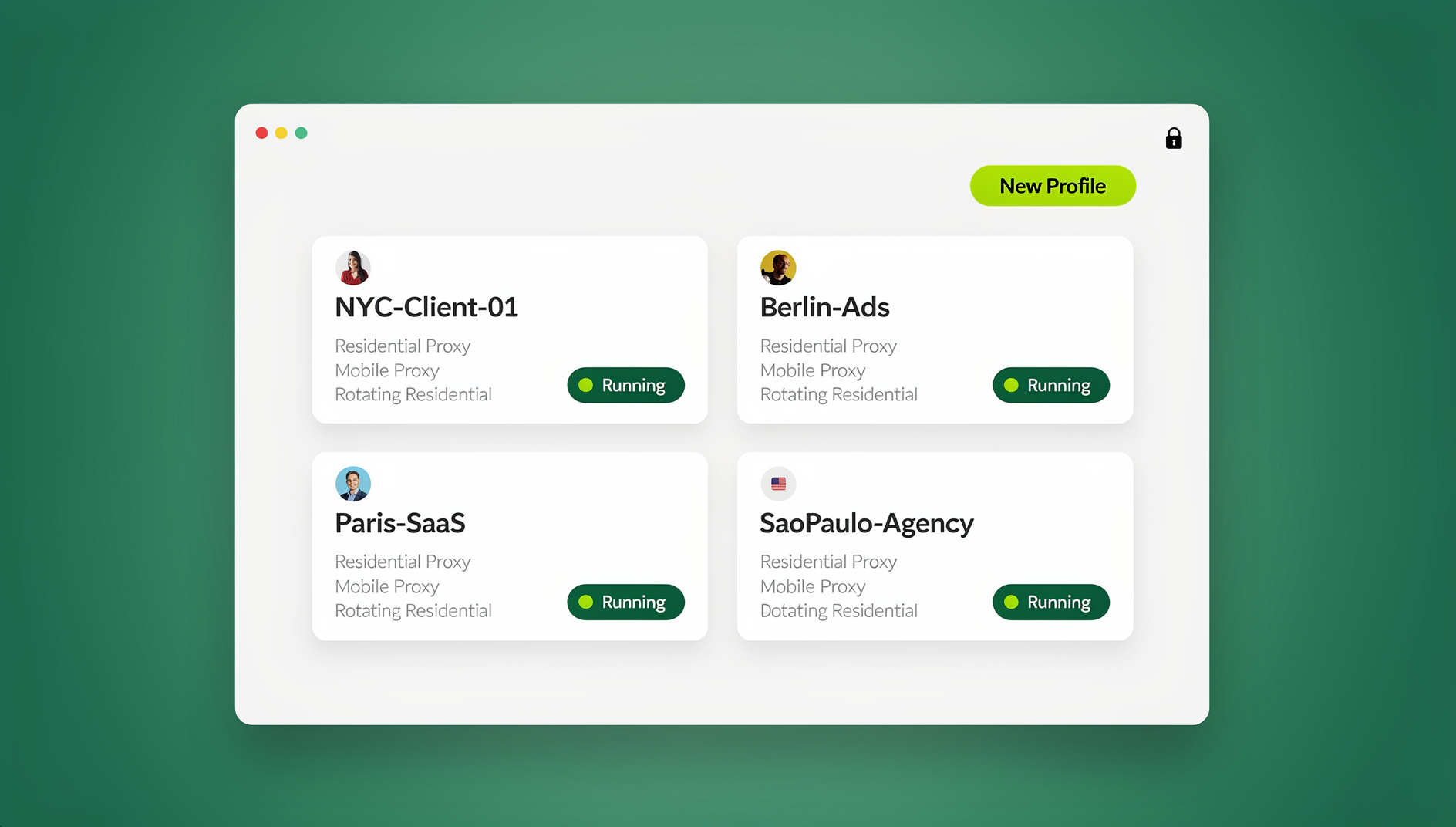
Send.win is a browser profile manager built for exactly this kind of work — every profile is a clean, isolated identity:
- Isolated profiles – unique fingerprint, separate cookies and storage per profile
- Fingerprint settings – each profile keeps its own consistent browser fingerprint, so profiles do not share one browser identity
- Desktop app + cloud sessions – native app for Windows, macOS, and Linux, or run profiles in the cloud with no install
- Built-in residential proxies – with automatic timezone, locale, and WebRTC matching
- Team features – share logged-in profiles with teammates without sharing passwords
Try the instant cloud browser demo — no install, no signup — or download the desktop app. There is no free trial; paid plans start at $19/month, and the first card purchase is covered by a 7-day money-back guarantee (see pricing).
Isolated Browser Environments
One of the most overlooked triggers for circumventing systems flags is browser fingerprint overlap between accounts. When you log into multiple Google Ads accounts from the same browser — even in different tabs or incognito windows — Google can detect shared fingerprints including canvas rendering, WebGL data, installed fonts, screen resolution, and timezone settings.
Session isolation solves this by running each account in a completely separate browser profile with its own unique fingerprint, cookies, and local storage. This isn’t about hiding — it’s about ensuring Google correctly identifies each account as belonging to a separate business context, which is exactly what they are.
Clean IP Management
Don’t access multiple Google Ads accounts from the same IP address unless they’re legitimately managed by the same entity (like an agency using a manager account). For separate businesses, use different network connections or properly configured residential proxies that match each business’s geographic location. Combined with anonymous browsing profiles, this creates the authentic operational separation that Google expects.
Use Manager Accounts for Agencies
If you’re an agency managing ads for multiple clients, use Google’s MCC (My Client Center) structure. This is Google’s official method for multi-account management and explicitly signals to Google that one entity legitimately manages multiple advertising accounts. It’s transparent, compliant, and won’t trigger circumventing systems flags.
How Isolated Browser Profiles Prevent Future Suspensions
The most common path to an accidental circumventing systems suspension for multi-account operators is fingerprint bleed. Here’s how it happens:
- You manage Google Ads for Business A in your normal browser
- You open an incognito window and log into Google Ads for Business B
- Both sessions share the same underlying browser fingerprint, timezone, language settings, and often the same IP
- Google’s cross-account detection links the two accounts
- If either account has any policy issue, both get flagged for circumventing systems
Browser profile managers like Send.win solve this by creating completely isolated browser profiles. Each profile operates as a genuinely separate browser instance with its own fingerprint configuration, cookie jar, and proxy connection. Each profile keeps its own separate cookies, storage and fingerprint, so profiles do not share one browser identity.
| Method | Fingerprint Isolation | Cookie Isolation | IP Separation | Risk Level |
|---|---|---|---|---|
| Same browser, different tabs | ❌ None | ❌ Shared | ❌ Same IP | 🔴 Very High |
| Incognito / Private mode | ❌ None | ✅ Separate (session only) | ❌ Same IP | 🔴 High |
| Multiple browser brands | ⚠️ Partial | ✅ Separate | ❌ Same IP | 🟡 Medium |
| Sendwin Browser profiles | ✅ Full | ✅ Separate | ✅ Per-profile proxy | 🟢 Low |
🏆 Send.win Verdict
A circumventing systems suspension often stems from accidental account linking through shared browser fingerprints, cookies, and IP addresses. Sendwin Browser eliminates this risk entirely by giving each Google Ads account a fully isolated browser profile with unique fingerprinting, dedicated proxy connections, and separate session data. For agencies and multi-brand businesses, this isn’t just protection — it’s proper operational hygiene that mirrors how Google expects separate businesses to behave online.
Try the free Send.win cloud demo — a 3-minute preview without signup, 10 minutes a day with a free account. Pro plan at $19/month or $83.88/year, or Team plan at $49/month or $251.88/year. The first card purchase is covered by a 7-day money-back guarantee.
Frequently Asked Questions
How long does a Google Ads circumventing systems suspension last?
A circumventing systems suspension is permanent unless successfully appealed. Unlike temporary account holds or limited ad serving, this suspension type removes your ability to run any ads until Google’s policy team reviews and approves your appeal. The appeal review itself typically takes 3 to 7 business days.
Can I create a new Google Ads account after a circumventing systems suspension?
Creating a new account to replace a suspended one is itself a violation of the circumventing systems policy. Google actively cross-references new accounts against suspended ones using payment methods, device fingerprints, IP addresses, and behavioral patterns. If caught — and detection rates are high — the new account will be suspended immediately, and it becomes significantly harder to appeal either account.
Will using a VPN help me avoid a circumventing systems suspension?
A VPN only changes your IP address. Google’s cross-account detection uses dozens of additional signals including browser fingerprint, payment instruments, landing page domains, and account behavior patterns. A VPN alone provides minimal protection against account linking and can actually raise additional flags if the VPN IP is associated with a datacenter rather than a residential connection.
Is managing Google Ads for multiple clients considered circumventing systems?
No — Google provides Manager Accounts (MCC) specifically for agencies managing multiple client accounts. Using the official MCC structure is fully compliant. The circumventing systems policy targets accounts that appear independent but are actually operated by the same suspended entity, or accounts that use technical methods to evade Google’s ad review processes.
What’s the difference between circumventing systems and a policy violation?
A standard policy violation typically results in ad disapproval or limited ad serving — your account stays active but specific ads are paused. Circumventing systems is an account-level suspension triggered when Google believes you’re actively trying to evade their enforcement mechanisms rather than simply running a non-compliant ad. The intent distinction makes circumventing systems suspensions harder to appeal.
Does using antidetect browsers for Google Ads violate Google’s policies?
Using isolated browser profiles for legitimately separate businesses does not violate Google’s policies. Google’s circumventing systems policy targets deceptive behavior — accounts that pretend to be independent to evade enforcement on a banned entity. If you’re managing genuinely separate businesses with proper verification, isolated profiles simply ensure that legitimate operational separation is maintained at the technical level, preventing false-positive account linking.
Can I recover suspended ad spend balance after a circumventing systems ban?
If your appeal is successful, your remaining ad balance becomes available again when the account is reinstated. If the suspension stands, Google typically issues a refund for any unused prepaid balance, though the timeline varies. Active campaign spend from before the suspension is generally not refunded. Contact Google Ads billing support directly for specifics about your account’s balance.
How can I tell if my accounts are being linked by Google?
Google doesn’t proactively notify you about cross-account detection before taking action. Warning signs include: multiple accounts receiving the same policy warning simultaneously, new accounts being flagged unusually quickly after creation, or suspension notices that reference “related accounts.” Proactive prevention through isolated browser sessions, separate payment methods, and distinct business verification is the only reliable approach.