Can You Run Multiple Shopee Seller Accounts Without Getting Banned?
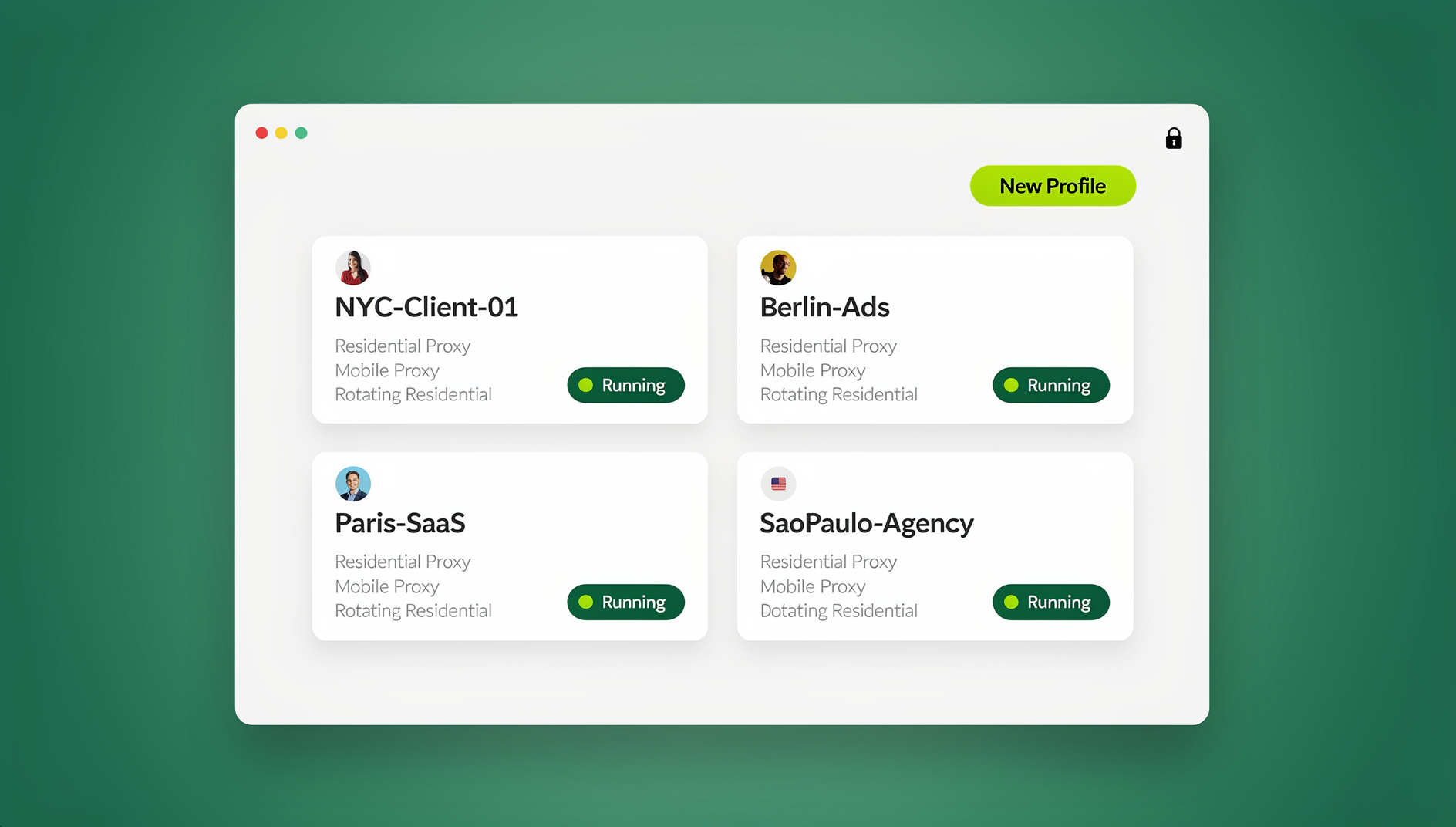
Yes, you can safely manage multiple shopee accounts without triggering account suspensions, but only if you isolate each store’s digital identity across hardware fingerprints, regional IP addresses, and payment profiles. Shopee’s fraud detection engine actively links seller accounts operating from the same browser environment or network subnet. To scale cross-border multi-store operations across Singapore, Malaysia, the Philippines, Thailand, Vietnam, and Indonesia, sellers must deploy dedicated anti-detect browser containers paired with country-matched residential proxies.
📌 TL;DR Executive Summary
- Core Takeaway: Running multiple Shopee stores requires complete technical and operational separation to prevent automated algorithmic linkage.
- Key Risk/Challenge: Shopee uses advanced browser fingerprinting, IP geolocation matching, and behavioral clustering to detect and permanently freeze linked seller accounts.
- Recommended Solution: Use Sendwin Browser to create sandboxed browser containers with isolated cookies, local storage, hardware parameters, and dedicated residential proxies.
Understanding Shopee Seller Risk Controls and Account Linking Algorithms
Shopee has grown into Southeast Asia’s dominant e-commerce marketplace, processing billions of dollars in gross merchandise volume across regional markets. With massive transaction volume comes rigorous fraud prevention. Shopee employs sophisticated risk controls to identify duplicate storefronts, prevent policy circumvention, and stop merchant collusion. When merchants attempt to manage multiple shopee accounts from a standard web browser, automated security systems immediately flag the operational overlap.
Shopee’s risk engine analyzes hundreds of data points collected every time a seller accesses the Shopee Seller Centre or webchat interface. These detection vectors fall into three primary categories: hardware fingerprinting, network telemetry, and administrative linkages.
1. Browser Fingerprinting and Hardware Telemetry
Modern e-commerce platforms do not rely solely on simple tracking cookies. Shopee extracts complex device parameters directly from your browser engine through client-side JavaScript APIs. These parameters combine to produce a virtually unique digital signature known as a browser fingerprint. Key fingerprinting components monitored by Shopee include:
- HTML5 Canvas Hash: Renders hidden graphical shapes in the background to measure minuscule variations in your GPU’s rendering pipeline.
- WebGL Renderer and Vendor: Identifies the exact graphics card model, driver version, and rendering capabilities of your workstation.
- AudioContext Fingerprinting: Measures how your machine processes low-level sound signals through the Web Audio API.
- Font Enumeration: Scans the system fonts installed on your operating system, creating a distinct profile unique to your machine.
- Screen Resolution and Color Depth: Logs display dimensions, scaling ratios, available workspace, and active monitor configurations.
- Hardware Concurrency and Memory: Queries the number of logical CPU cores and available device RAM via Navigator APIs.
2. IP Address Geolocation and Subnet Analysis
Shopee operates distinct localized platforms for Singapore (SG), Malaysia (MY), the Philippines (PH), Thailand (TH), Vietnam (VN), Indonesia (ID), Taiwan (TW), and Brazil (BR). Each country’s Seller Centre expects traffic originating from legitimate local residential or commercial internet service providers (ISPs). When multiple seller accounts log in from the same public IP address, or when accounts switch erratically across datacenter IP subnets, Shopee’s fraud detection engine raises critical risk flags.
3. Administrative and Financial Cross-Association
Beyond device parameters, Shopee cross-references business registration details, tax identification numbers, bank account details, and warehouse pickup addresses. If two distinct seller accounts share an identical withdrawal account or registered phone number, the system automatically binds them under the same operational umbrella.
Why Traditional Multi-Account Methods Fail on Shopee
Many online sellers attempt to run secondary and tertiary stores using conventional workarounds. Unfortunately, standard consumer browsing tools lack the cryptographic and session isolation required to defeat contemporary e-commerce anti-fraud algorithms.
The Failure of Chrome User Profiles and Incognito Windows
Google Chrome’s built-in user profiles separate bookmarks, history, and cookies into separate directories on your hard drive. However, they execute on the same browser binary and expose identical hardware parameters. When you switch between Chrome Profile A and Chrome Profile B, both instances report the exact same Canvas hash, WebGL renderer, audio profile, and screen geometry. Incognito mode is even less effective; it merely discards cookies upon window closure while exposing your machine’s identical hardware fingerprint and public IP address throughout the active session.
The Vulnerability of Commercial VPNs and Datacenter Proxies
Commercial VPN services assign shared IP addresses belonging to commercial data centers (such as AWS, DigitalOcean, or OVH). E-commerce fraud filters actively inspect the Autonomous System Number (ASN) of incoming connections. Data center ASNs carry low trust scores on e-commerce platforms. Furthermore, hundreds of other internet users share the same VPN exit nodes, meaning bad behavior by another user on that IP can trigger collateral bans for your legitimate Shopee accounts.
| Management Method | Hardware Fingerprint Isolation | IP & Geolocation Matching | Ban Risk Level |
|---|---|---|---|
| Chrome User Profiles | None (Identical Hardware) | None (Shared Local IP) | Critical Risk (95%) |
| Incognito Windows | None (Identical Hardware) | None (Shared Local IP) | Critical Risk (99%) |
| Standard VPN + Chrome | None (Identical Hardware) | Poor (Datacenter ASN Flag) | High Risk (80%) |
| Physical Laptops / PCs | High (Unique Devices) | Moderate (Requires Multi-SIM/4G) | Low-to-Medium (Expensive & Inflexible) |
| Sendwin Browser Isolation | Complete (Custom Canvas, WebGL, Audio) | Dedicated Static Residential Proxies | Ultra-Low Risk (<1%) |
Architecture of a Safe Multi-Store Shopee Operation
To scale your e-commerce enterprise sustainably, you must establish an isolated operating environment for each individual storefront. Clean technical architecture ensures that even if one store encounters listing disputes or account reviews, your other revenue-generating stores remain untouched.
A robust multi-account architecture relies on rigorous session isolation. Every store must run inside a containerized sandbox containing independent cookie jars, cache stores, local storage partitions, and synthetic hardware parameters. When you operate inside an isolated container, Shopee’s verification scripts perceive a distinct physical machine connected to a legitimate local residential network.
Pairing these isolated containers with dedicated proxy browsers ensures that network packets route through high-trust residential internet service providers. For instance, if you operate a store registered on Shopee Malaysia, your traffic must route through a static residential proxy in Kuala Lumpur or Selangor. The browser environment’s system timezone, language headers, and WebRTC public IP must align precisely with the proxy’s geographic location.
Step-by-Step Guide to Manage Multiple Shopee Accounts with Sendwin
Implementing an institutional-grade multi-store workflow does not require purchasing dozens of physical computers. By leveraging Sendwin Browser, e-commerce sellers can configure, launch, and organize hundreds of independent Shopee seller sessions from a single dashboard.
Step 1: Create Dedicated Profile Containers in Sendwin Browser
Download and launch the native Sendwin Browser desktop client on Windows, macOS, or Linux. Create a new browser profile for each Shopee storefront. Assign distinct labels indicating the store name and target marketplace (for example, “Shopee_MY_Electronics” or “Shopee_PH_Fashion”). Sendwin automatically generates a unique, authentic hardware profile with randomized Canvas noise, custom WebGL vendor strings, and realistic audio signatures.
Step 2: Assign Country-Matched Static Residential Proxies
Navigate to the proxy configuration tab within the profile settings. Input your dedicated static residential proxy credentials (HTTP, HTTPS, or SOCKS5). Ensure the proxy matches the country of the Shopee marketplace you intend to access. Enable automatic timezone matching and geolocation spoofing so that your browser runtime synchronizes seamlessly with the proxy’s IP coordinates.
Step 3: Organize Cookies and Account Warm-Up
Launch the newly configured profile. The browser opens in a completely clean, sandboxed state. Before jumping directly to the Shopee Seller Centre registration or login page, spend 10 to 15 minutes browsing local regional websites (such as local news portals or lifestyle blogs) to populate the profile’s cookie store with authentic browsing history. This warm-up activity builds initial behavioral trust.
Step 4: Centralize Daily Store Operations
Log into Shopee Seller Centre within the designated container. Because Sendwin Browser retains session cookies and storage state between launches, you remain logged in across all your stores. You can keep multiple regional Shopee stores open side by side in independent tabs, responding to live customer chats, processing orders, and updating inventory without cross-pollinating account sessions. This structured setup is the foundation of managing multiple accounts efficiently across global e-commerce channels.
Operational Strategies for Cross-Border E-Commerce and Dropshipping
Operating multi-brand stores across Southeast Asia presents operational complexities beyond browser setup. Top-tier cross-border sellers and agencies deploy standardized operational protocols to maintain clean business separation across their entire digital footprint.
1. Segregating Financial Gateways and Payment Instruments
Shopee enforces strict payout controls. Never link the same local bank account, Payoneer account, or Airwallex receiving account across multiple seller profiles within the same national marketplace. Utilize virtual corporate debit cards with unique card numbers and distinct corporate entity structures for ad spend top-ups and vendor payments.
2. Decentralizing Customer Service and Chat Response Rate
Shopee algorithms heavily penalize stores with chat response rates below 85%. When scaling past 10 storefronts, managing webchat across multiple regional portals becomes challenging. Utilizing team collaboration features allows team administrators to share access to isolated browser sessions without exposing raw account passwords to virtual assistants or support contractors.
3. Catalog Differentiation and Asset Protection
If you run multiple stores in the same product vertical to capture greater market share, avoid copying product titles, descriptions, and SKU images verbatim. Modify main hero images, rewrite product titles, and vary pricing structures slightly. Shopee’s catalog indexing system detects duplicate media assets, which can lead to shadowbans or algorithmic suppression in search results.
4. Automation and Programmatic Management
For high-volume operations requiring automated price adjustments, order synchronization, and inventory tracking, Send.win offers an integrated Automation API compatible with Puppeteer, Playwright, and Selenium. Available on both the Pro ($19/mo or $6.99/mo annual) and Team ($49/mo or $20.99/mo annual) plans, the Automation API allows developers to orchestrate automated routines directly within fingerprint-protected browser profiles.
Practicing comprehensive safe browsing practices ensures that administrative workflows remain immune to session leaks and network vulnerabilities.
Advanced Troubleshooting: Handling Verification Loops and Account Reviews
Even with rigorous technical safeguards in place, rapid sales velocity or unusual order spikes can trigger secondary seller verification checkpoints on Shopee. Knowing how to navigate these security checkpoints without exposing your multi-store architecture is crucial for operational longevity.
Handling SMS OTP Verification and Secondary Phone Verification
Shopee frequently prompts for One-Time Password (OTP) verification upon login from new IP addresses or during sensitive account operations like updating bank payout details. Maintain dedicated SIM cards or private virtual numbers tied exclusively to each specific seller account. Never recycle telephone numbers across different stores, as phone number reuse is one of the fastest automated triggers for multi-store linking.
Managing KYC Identity Verification and Business Documentation
When scaling beyond standard individual seller tier limits, Shopee requires identity verification (KYC). Ensure each storefront is backed by distinct documentation: separate business entities, unique registered directors, or distinct national identity documents. Cross-border sellers should establish corporate entities in regional trading hubs such as Singapore or Hong Kong to facilitate clean documentation management across multiple national stores.
What to Do If One Account Receives a Warning or Suspension
If a specific store receives an intellectual property infraction, late shipment penalty, or policy warning, container isolation ensures the issue remains localized. Immediately audit the affected profile’s logs within Sendwin Browser to confirm no proxy leaks occurred. Because each store operates in a self-contained container with its own storage partition and proxy tunnel, Shopee’s risk algorithms cannot trace the infraction back to your other profitable storefronts.
Best Practices for Cross-Border Logistics and Inventory Management
Logistical operations represent another critical link point that e-commerce algorithms monitor closely. When operating multi-store networks across Southeast Asia, merchants must ensure physical order fulfillment matches the digital footprint established in their browser containers.
Using localized third-party logistics (3PL) fulfillment centers in target markets like Malaysia, the Philippines, or Indonesia allows sellers to maintain fast delivery times while diversifying return addresses. Stagger pickup times and ensure packaging branding reflects the specific store entity rather than a generic master warehouse label. By pairing logistical separation with digital browser sandboxing, your multi-account e-commerce enterprise achieves comprehensive operational resilience.
Operational Checklist for Multi-Store Shopee Sellers
Follow this operational checklist before launching and scaling multiple seller accounts across Shopee’s regional platforms:
- Profile Isolation: Every Shopee seller account is assigned to an independent container in Sendwin Browser.
- Dedicated IP Allocation: Each profile uses a dedicated static residential proxy matched to the store’s operating country (SG, MY, PH, TH, VN, ID).
- Fingerprint Masking: WebGL, Canvas, AudioContext, and font signatures are verified and isolated per profile.
- Financial Independence: Distinct bank accounts, payment cards, and billing addresses are assigned to each storefront.
- Logistics Separation: Return addresses and pickup locations are diversified or routed through distinct fulfillment hubs.
- Listing Uniqueness: Image metadata, product titles, and SKU codes are modified to prevent duplicate listing penalties.
- Team Access Management: Virtual assistants and store managers are granted workspace permissions without direct password sharing.
🏆 Send.win Verdict
Managing multiple Shopee storefronts without detection requires absolute separation of hardware fingerprints, cookies, and network IP addresses. Send.win delivers an all-in-one solution featuring the native Sendwin Browser desktop client, cloud browser sessions, and an Automation API that integrates seamlessly with Puppeteer, Playwright, and Selenium on both Pro and Team plans.
Try Send.win free today — start your 30-day free trial with no credit card required and scale your Shopee e-commerce empire securely.
Frequently Asked Questions
Is it legal to manage multiple Shopee accounts?
Yes, operating multiple business entities or stores across distinct categories is legally permissible. However, Shopee’s platform terms restrict individual users from operating redundant storefronts to manipulate search results or abuse seller vouchers. Using Sendwin Browser ensures that legitimate multi-brand operations maintain technical isolation.
Can Shopee detect if I log into multiple accounts from the same computer?
Yes. If you use standard browsers like Chrome, Edge, or Safari, Shopee can detect your shared device through Canvas fingerprinting, WebGL hardware parameters, AudioContext signatures, and shared local storage, resulting in linked accounts and bans.
What type of proxies should I use for Shopee multi-store management?
You should always use dedicated static residential proxies located in the specific country where your Shopee store is registered. Avoid datacenter proxies and free VPNs, as their IP ranges are flagged by Shopee’s anti-fraud systems.
How does Sendwin Browser prevent account linking on Shopee?
Sendwin Browser generates completely isolated browser container environments. Each container maintains independent cookies, local storage, cache, and distinct hardware fingerprint parameters (Canvas, WebGL, audio, and font fingerprints), making each profile look like an entirely separate physical computer to Shopee’s fraud detection engine.
Can I manage Shopee stores in different countries at the same time?
Yes. With Sendwin Browser, you can simultaneously operate Shopee stores in Singapore, Malaysia, the Philippines, Thailand, Vietnam, and Indonesia. Each profile is assigned a proxy matching that specific country’s geolocation, timezone, and language parameters.
Does Send.win support automated store management via scripts?
Yes. Send.win provides an Automation API with full support for Selenium, Puppeteer, and Playwright. The Automation API is included on both the Pro ($19/mo or $6.99/mo annual) and Team ($49/mo or $20.99/mo annual) plans, allowing developers and store operators to automate repetitive seller tasks safely.
Can my team members access our Shopee profiles without sharing passwords?
Yes. Send.win offers robust team collaboration features on the Team plan (featuring 16 seats and 500 profiles), enabling store administrators to share isolated browser sessions with staff members while keeping core login credentials secure.
How Send.win Helps With Manage Multiple Shopee Accounts
Send.win is an antidetect browser built for exactly this kind of work — every profile is a clean, isolated identity:
- Isolated profiles – unique fingerprint, separate cookies and storage per profile
- Stealth engine – canvas, WebGL, fonts, and audio spoofed at the engine level
- Desktop app + cloud sessions – native app for Windows, macOS, and Linux, or run profiles in the cloud with no install
- Built-in residential proxies – with automatic timezone, locale, and WebRTC matching
- Team features – share logged-in profiles with teammates without sharing passwords
Try the instant cloud browser demo — no install, no signup — or download the desktop app. The 30-day free trial needs no credit card, and paid plans start at $6.99/month billed annually (see pricing).
{
“@context”: “https://schema.org”,
“@type”: “FAQPage”,
“mainEntity”: [
{
“@type”: “Question”,
“name”: “Is it legal to manage multiple Shopee accounts?”,
“acceptedAnswer”: {
“@type”: “Answer”,
“text”: “Yes, operating multiple business entities or stores across distinct categories is legally permissible. However, Shopee’s platform terms restrict individual users from operating redundant storefronts to manipulate search results or abuse seller vouchers. Using Sendwin Browser ensures that legitimate multi-brand operations maintain technical isolation.”
}
},
{
“@type”: “Question”,
“name”: “Can Shopee detect if I log into multiple accounts from the same computer?”,
“acceptedAnswer”: {
“@type”: “Answer”,
“text”: “Yes. If you use standard browsers like Chrome, Edge, or Safari, Shopee can detect your shared device through Canvas fingerprinting, WebGL hardware parameters, AudioContext signatures, and shared local storage, resulting in linked accounts and bans.”
}
},
{
“@type”: “Question”,
“name”: “What type of proxies should I use for Shopee multi-store management?”,
“acceptedAnswer”: {
“@type”: “Answer”,
“text”: “You should always use dedicated static residential proxies located in the specific country where your Shopee store is registered. Avoid datacenter proxies and free VPNs, as their IP ranges are flagged by Shopee’s anti-fraud systems.”
}
},
{
“@type”: “Question”,
“name”: “How does Sendwin Browser prevent account linking on Shopee?”,
“acceptedAnswer”: {
“@type”: “Answer”,
“text”: “Sendwin Browser generates completely isolated browser container environments. Each container maintains independent cookies, local storage, cache, and distinct hardware fingerprint parameters (Canvas, WebGL, audio, and font fingerprints), making each profile look like an entirely separate physical computer to Shopee’s fraud detection engine.”
}
},
{
“@type”: “Question”,
“name”: “Can I manage Shopee stores in different countries at the same time?”,
“acceptedAnswer”: {
“@type”: “Answer”,
“text”: “Yes. With Sendwin Browser, you can simultaneously operate Shopee stores in Singapore, Malaysia, the Philippines, Thailand, Vietnam, and Indonesia. Each profile is assigned a proxy matching that specific country’s geolocation, timezone, and language parameters.”
}
},
{
“@type”: “Question”,
“name”: “Does Send.win support automated store management via scripts?”,
“acceptedAnswer”: {
“@type”: “Answer”,
“text”: “Yes. Send.win provides an Automation API with full support for Selenium, Puppeteer, and Playwright. The Automation API is included on both the Pro ($19/mo or $6.99/mo annual) and Team ($49/mo or $20.99/mo annual) plans, allowing developers and store operators to automate repetitive seller tasks safely.”
}
},
{
“@type”: “Question”,
“name”: “Can my team members access our Shopee profiles without sharing passwords?”,
“acceptedAnswer”: {
“@type”: “Answer”,
“text”: “Yes. Send.win offers robust team collaboration features on the Team plan (featuring 16 seats and 500 profiles), enabling store administrators to share isolated browser sessions with staff members while keeping core login credentials secure.”
}
}
]
}