Why Bookmarking a Session in Send.win Is Different From a Normal Browser Bookmark
If you manage more than one account on the same website — a client’s Amazon seller account, three Instagram profiles, or a dozen Gmail inboxes for outreach — you already know the pain of a regular browser bookmark. Click it, and Chrome opens whatever account happens to be logged in at that moment. It doesn’t know which “session” you meant. Send.win solves this by letting you bookmark a session, not just a URL — so the bookmark itself remembers exactly which isolated browser profile, cookies, and fingerprint it belongs to.
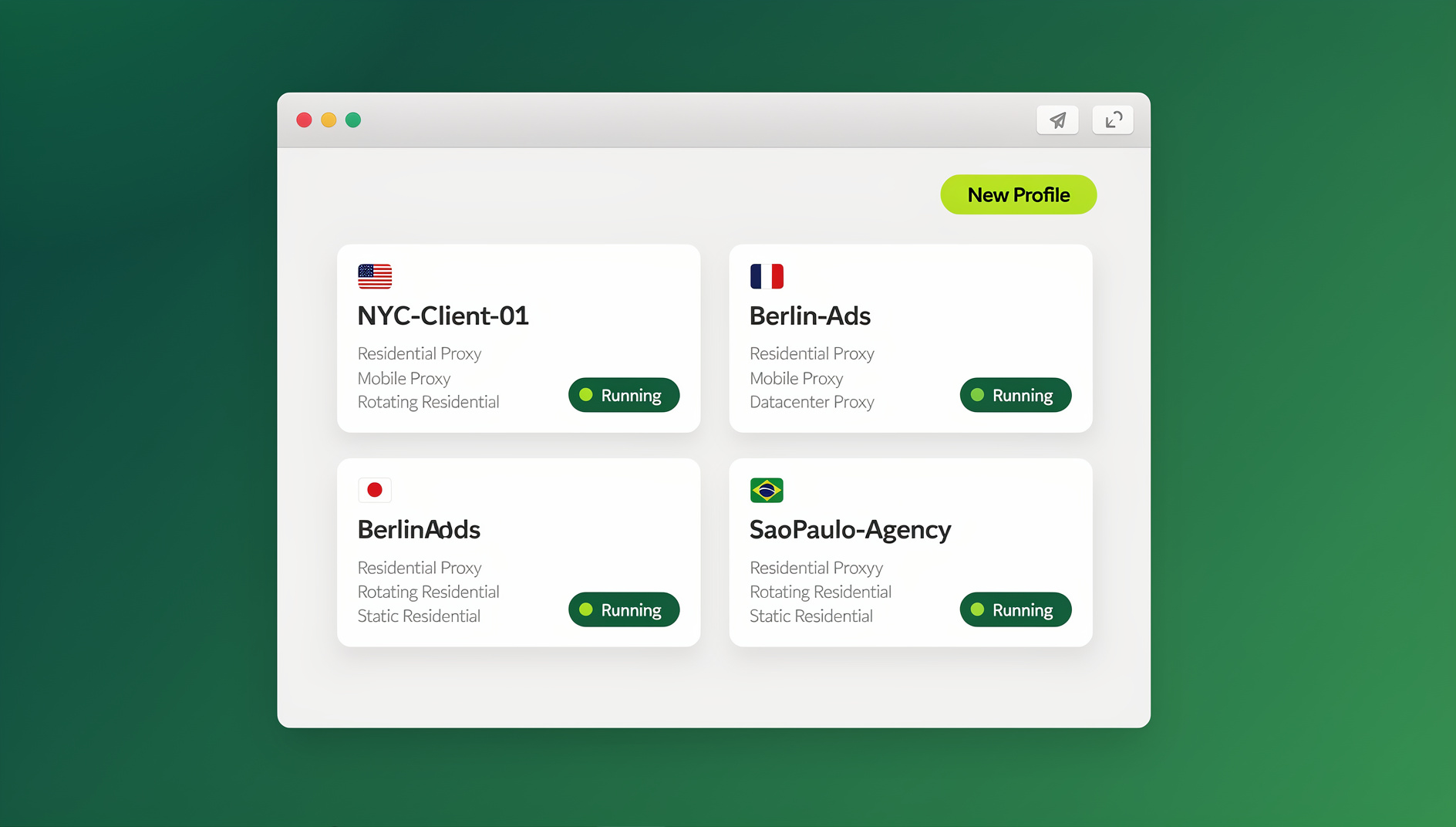
This guide covers everything about creating, organizing, and using session bookmarks in Send.win in 2026: the exact steps in the native Desktop app and in a cloud browser session, how bookmarked sessions differ from ordinary bookmarks, how to keep them organized once you have dozens of them, and how teams can use them. If you landed here from the old 2022 version of this post, the core steps below are still the fastest way to do it — we’ve simply brought the walkthrough current for the 2026 Send.win interface, including Desktop app and Team-plan detail that didn’t exist in the original write-up.
What Is a Session Bookmark in Send.win?
In Send.win, a “session” is an isolated browser profile — its own cookies, local storage, cache, and a unique, consistent digital fingerprint (canvas, WebGL, fonts, timezone, and more) so each profile looks like a genuinely different device to the sites you visit. Instead of juggling multiple physical browsers or wiping cookies between logins, you create one session per account and switch between them in a click.
A bookmark of a session is a saved shortcut that opens that specific session directly — skipping the step of opening the Send.win dashboard, scrolling through your session list, and clicking “Launch.” It lives either in your browser’s Bookmarks Bar or in a folder you choose, exactly like any other bookmark, except this one is tied to a session ID rather than a raw URL.
This matters most once your session count grows past 10–15. Freelancers managing five client accounts, agencies running multi-login browser setups for ad accounts, and e-commerce sellers juggling multiple storefronts all reach a point where scrolling the Send.win session list every time becomes friction. Bookmarks remove that friction entirely.
How to Create a Bookmark of a Session in Send.win (Step-by-Step)
Before bookmarking a session, you need at least one session already saved. If you haven’t created your first one yet, walk through our dedicated guide on how to create sessions in Send.win first, then come back here.
Once you have a session saved, here’s the full process:
- Open Send.win. Launch the Send.win Desktop app if you use the native client, or start a cloud browser session from your Send.win account if you’d rather not install anything.
- Locate the session you want to bookmark. Find it in your session list — use the search bar at the top if you have many saved sessions.
- Click the three-dot menu (⋮) next to that session’s name. This opens the session’s action menu.
- Select “Create Bookmark” from the dropdown options.
- Enter a name for the bookmark. Use something specific — “Client A – Amazon Seller Central” is far more useful six months from now than “Session 1.”
- Choose a destination — either the Bookmarks Bar (for sessions you open daily) or a specific folder (for sessions you open weekly or occasionally, grouped by client, platform, or project).
- Click “Add.” The bookmark is created instantly and will appear in your browser’s bookmark bar or the folder you selected.
That’s it — from now on, clicking that bookmark launches the exact session directly, with its proxy, fingerprint, and saved logins already attached. No dashboard detour required.
Bookmarking a Session Using the Send.win Desktop App
If you run Send.win as the native Desktop app — available for Windows, macOS, and Linux — the flow is nearly identical to bookmarking from a cloud browser session. Open the session list inside the app, click the same three-dot menu next to the session card, and choose “Create Bookmark.” The Desktop app additionally lets you pin sessions to a quick-launch sidebar, which behaves like an OS-level bookmark that survives even if you close and reopen the app. This is worth setting up if you run Send.win as your daily driver — many agencies and teams prefer the Desktop app specifically because it keeps profile switching outside the browser entirely, reducing the chance of cross-contaminating sessions during a busy workday.
Bookmarked Session vs Traditional Browser Bookmark: What’s the Difference?
It’s worth understanding exactly what a session bookmark does differently from a plain URL bookmark, because the distinction is the entire reason this feature exists.
| Feature | Traditional Browser Bookmark | Send.win Session Bookmark |
|---|---|---|
| What it points to | A URL only | A specific isolated session (cookies, fingerprint, proxy, and login state) |
| Which account opens | Whichever account is currently logged in | Always the exact account tied to that session |
| Fingerprint consistency | None — same browser fingerprint every time | Unique, stable fingerprint per session |
| Proxy/IP used | Whatever your system is connected to | The proxy assigned to that specific session |
| Risk of mixing accounts | High — one wrong click can log you out of another account | Near zero — each bookmark is isolated from every other session |
| Best for | General browsing, single-account sites | Multi-account platforms (social, ad accounts, marketplaces, email) |
The key line in that table is fingerprint and proxy consistency. A regular bookmark can’t guarantee which “you” shows up to the website — but a session bookmark in Send.win always opens the same digital identity, which is exactly why platforms are far less likely to flag repeated logins as suspicious activity.
Organizing Bookmarked Sessions With Folders and the Bookmarks Bar
Once you’re managing more than a handful of accounts, an unorganized bookmark bar becomes just as chaotic as an unorganized session list. A few organizational patterns that work well in practice:
- Group by platform. A folder for “Amazon Sessions,” another for “Instagram Sessions,” another for “Ad Accounts.” This works well for agencies running the same handful of platforms across many clients.
- Group by client or project. One folder per client containing every platform they need (their Facebook page, their Gmail, their Shopify admin). Better for freelancers and agencies billing per client.
- Pin your daily drivers to the Bookmarks Bar directly. Reserve the visible bar for the 3–5 sessions you open every single day, and push everything else into folders one click away.
- Use consistent naming. A pattern like “[Client] – [Platform] – [Account #]” keeps bookmarks scannable even when you have 50+ of them.
If bookmark management in general is new territory for you, our broader guide on chrome extension for bookmark management covers folder structures, syncing, and cleanup habits that pair well with session bookmarks specifically.
Bookmarking Sessions for Team Workflows
Session bookmarks aren’t just a personal convenience — they matter for teams too. When you share sessions to your team in Send.win, each teammate can bookmark the sessions relevant to their role without needing to remember credentials or dig through a shared dashboard every time. A social media manager can bookmark just the client accounts they personally handle; a media buyer can bookmark only the ad accounts assigned to their campaigns. Because the underlying session still carries its own proxy and fingerprint, bookmarking a shared session doesn’t change any of the isolation or security properties — it’s purely a shortcut layer on top of access that’s already been granted.
This is particularly useful on the Team plan, where dozens of sessions might be shared across a roster of people with different responsibilities. Bookmarks turn “which of these 40 sessions is mine again?” into a one-click launch from a personalized bookmark folder.
Bookmarking, Proxies, and Session Consistency
A session bookmark is only as reliable as the session behind it. Before you build out a large bookmark library, it’s worth confirming each session has the right proxy attached — especially for geo-sensitive platforms like marketplaces, streaming services, or region-locked ad accounts. If you haven’t set this up yet, see our walkthrough on how to add a proxy to any session. Once the proxy is attached at the session level, every bookmark pointing to that session automatically inherits it — you never have to reconfigure networking per bookmark.
Bookmarks and the Send.win Desktop App
Manually clicking a bookmark works well for day-to-day human use, and on the Team plan you can share bookmarked sessions across roles so everyone opens the same isolated profile with its own cookies, storage, fingerprint and proxy. This is useful for QA teams running scheduled checks against multiple client accounts, agencies handling repetitive reporting logins, or teams building internal processes that need to open a specific isolated profile without mixing up accounts. It’s worth thinking of your bookmarked sessions as a single entry point into the same underlying session — preserving the identical fingerprint and proxy configuration for every person who opens it.
Common Use Cases for Session Bookmarks
Agencies Managing Multiple Client Accounts
Agencies running ad accounts, social pages, or SEO tools for dozens of clients bookmark each client’s core logins so account managers never have to guess which session belongs to which client.
E-Commerce Sellers With Multiple Storefronts
Sellers running several Amazon, eBay, or Shopify storefronts bookmark each store’s dashboard session, avoiding the serious risk of accidentally logging into the wrong store with the wrong identity attached.
Freelancers Juggling Client Logins
Freelancers who log into client CMS panels, ad dashboards, or analytics tools daily save time by bookmarking each client’s session instead of requesting fresh credentials or navigating shared password managers each time.
Social Media Managers
Anyone handling multiple Instagram, Facebook, LinkedIn, or Twitter/X accounts benefits from bookmarks that guarantee the right account opens instantly, every time, without a platform flagging repeated device switching as suspicious.
QA and Testing Teams
Teams testing how a web app behaves under different accounts, permission levels, or regions bookmark a matrix of test sessions so any team member can reproduce a specific test state in one click.
Troubleshooting Session Bookmarks
| Issue | Likely Cause | Fix |
|---|---|---|
| Bookmark opens the wrong session | Bookmark was created against the wrong session, or the session was later renamed/duplicated | Delete the bookmark and recreate it from the correct session’s three-dot menu |
| Bookmark no longer launches anything | The underlying session was deleted from Send.win | Recreate the session, then create a new bookmark pointing to it |
| Bookmark missing after reinstalling Send.win | Browser bookmarks weren’t synced, or the Desktop app was freshly reinstalled | Enable browser sync (Chrome/Edge account sync) for browser-based bookmarks, and sign back into the Desktop app to restore your quick-launch sidebar |
| Team member’s bookmark stopped working | Their access to that shared session was revoked | Re-share the session with that team member, then have them recreate the bookmark |
Best Practices for Managing Bookmarked Sessions at Scale
- Audit bookmarks quarterly. Remove bookmarks for sessions tied to closed accounts, offboarded clients, or completed projects.
- Don’t bookmark sessions you rarely use. A cluttered bookmarks bar defeats the purpose — reserve bookmarking for sessions you actually open on a recurring basis.
- Pair naming conventions with folder structure. Consistent names inside well-labeled folders scale far better than either one alone.
- Combine with session isolation, not instead of it. A bookmark is a shortcut, not a substitute for proper account separation — make sure the underlying Send.win sessions are correctly configured with their own fingerprints and proxies before you start bookmarking them.
- Use the Desktop app for heavy daily switching. If you open 10+ bookmarked sessions a day, the native Desktop app’s quick-launch sidebar is noticeably faster than digging through a browser bookmarks menu.
🏆 Send.win Verdict
Bookmarking a session in Send.win turns a multi-step account switch into a single click — and because each bookmark is tied to an isolated profile with its own fingerprint and proxy, you get the speed of a normal bookmark while keeping your accounts separate. Whether you’re a solo freelancer juggling five client logins or a team sharing dozens of sessions across roles, session bookmarks (paired with the Desktop app for power users, or shared Team-plan sessions for collaborative workflows) are one of the simplest ways to save real time every day.
Try the Send.win cloud demo — a 3-minute preview without signup, or 10 minutes a day with a free account, and start bookmarking your sessions in minutes.
Frequently Asked Questions
How do I bookmark a session in Send.win?
Open Send.win, find the session in your session list, click the three-dot menu next to it, select “Create Bookmark,” give it a name, choose the Bookmarks Bar or a folder, then click “Add.” The bookmark now opens that exact session directly.
What’s the difference between a session bookmark and a regular browser bookmark?
A regular bookmark only saves a URL and opens whatever account happens to be logged in. A Send.win session bookmark is tied to a specific isolated session — its cookies, fingerprint, and proxy — so it always opens the exact same account, configured exactly the same way, every time.
Can I bookmark a session in the Send.win Desktop app, or only in a cloud browser session?
Both. Send.win is not a browser extension — it’s the native Desktop app (available for Windows, macOS, and Linux) plus cloud browser sessions you can run with zero local install. Both support the same “Create Bookmark” option from a session’s three-dot menu, and the Desktop app additionally lets you pin sessions to a quick-launch sidebar for even faster access.
Will a bookmarked session still use its assigned proxy and fingerprint?
Yes. The bookmark is just a shortcut to the session — all proxy, fingerprint, cookie, and login settings attached to that session remain fully intact every time you open it via the bookmark.
Can my team members bookmark sessions I’ve shared with them?
Yes. Once you share a session with a teammate, they can create their own personal bookmark for it from their own Send.win view. Bookmarks are individual — one person bookmarking a shared session doesn’t affect anyone else’s bookmarks.
What happens to a bookmark if I delete the underlying session?
The bookmark will no longer launch anything meaningful once its session is deleted. You’ll need to remove the old bookmark and create a new session (and a new bookmark) if you need that account back.
Can I use bookmarked sessions with automation tools like Selenium or Playwright?
Bookmarks themselves are a browser/UI convenience for humans, letting you open a specific isolated profile with its own cookies, storage, fingerprint and proxy in a single click.
Is session bookmarking available on the free account?
Yes. Session bookmarking is a core feature available from your first session onward. Send.win has no free trial, but the first card purchase is covered by a 7-day money-back guarantee, and you can preview the cloud browser for free at the cloud demo before deciding on a paid plan.