What Is the Send.win Blur Feature?
The Send.win Blur feature lets you hide sensitive information on any website with a single right-click — no screenshot editing, no third-party redaction tool, no cropping in Photoshop before you can safely share a screen. If you’ve ever needed to demo a dashboard on a client call, record a tutorial, or take a support screenshot without exposing account numbers, API keys, customer names, or email addresses, the blur feature was built exactly for that moment.
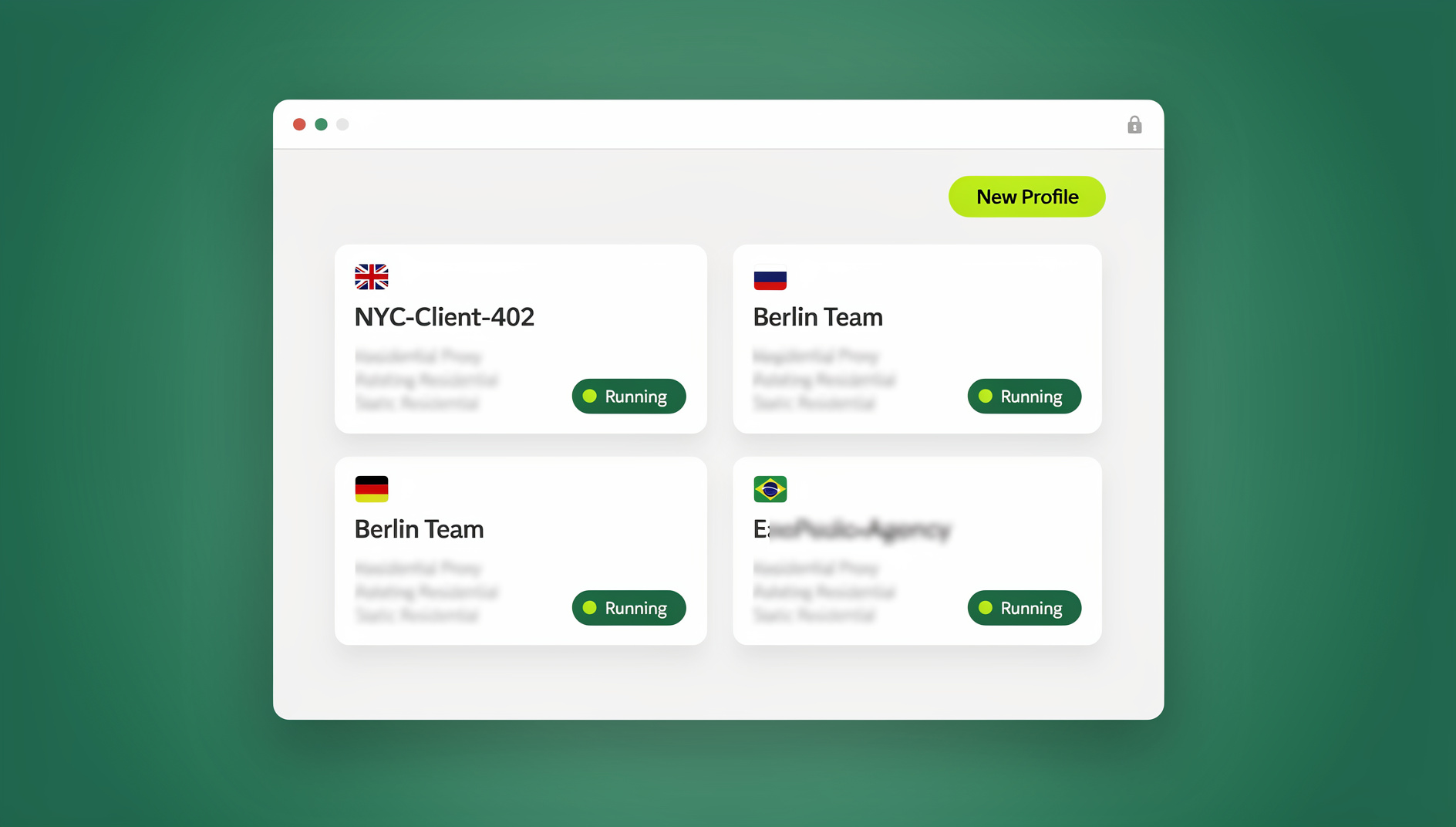
Originally launched as a simple one-click privacy toggle inside Send.win sessions, the blur feature has become one of the most-used tools for teams who work inside live browser sessions all day — support agents, marketers managing client ad accounts, developers debugging production dashboards, and content creators recording how-to videos. This guide walks through exactly how it works today, how to set it up in minutes, and where it fits alongside Send.win’s broader privacy and multi-account toolkit.
Why On-Screen Privacy Matters More Than Ever in 2026
Most data leaks aren’t caused by hackers — they’re caused by an unblurred browser tab left visible during a screen share, a support screenshot pasted into a public ticket, or a tutorial video that accidentally shows a real customer’s email address in the background. As remote work, screen recording, and live-streamed demos have become the default way teams communicate, the surface area for accidental exposure has grown enormously.
Common ways sensitive data leaks by accident
- Screen shares on Zoom, Meet, or Teams — a notification, an account balance, or an open tab reveals information nobody meant to share.
- Tutorial and training videos — creators recording “how to” content often forget a real order ID, address, or ticket number is visible in the frame.
- Support and bug-report screenshots — QA and customer support teams routinely paste screenshots into Slack, Jira, or a public forum without redacting personal data first.
- Client and stakeholder demos — agencies presenting live ad dashboards or analytics often need to hide competitor budgets or unrelated client data mid-demo.
- Social media and marketing screenshots — a “results” screenshot posted to Twitter/X or LinkedIn can accidentally show revenue figures nobody intended to publish.
Manually blurring these images after the fact means opening an editing tool, drawing a box, exporting, and re-uploading — every single time. The Send.win blur feature removes that entire workflow by letting you blur content live, inside the browser, before you ever take the screenshot or start recording.
How the Blur Feature Works
The blur feature lives inside your Send.win browser session — the isolated, fingerprint-protected profile you already use to manage logins, proxies, and cookies for a specific account or client. Once a session is active, Send.win adds a right-click context menu option that lets you paint a blur directly over any element on the page: text, images, numbers, tables, or entire sections of a dashboard.
Unlike a browser extension that blurs an entire tab or applies a fixed filter, Send.win’s blur is selective — you choose exactly what gets hidden and everything else on the page stays fully visible and interactive. That distinction matters a lot for anyone doing a live demo, because you can keep working normally in the unblurred parts of the page while sensitive fields stay permanently masked underneath.
Step-by-Step: How to Blur Sensitive Content in Send.win
Setting up the blur feature takes less than a minute once you have an active session. Here’s the full walkthrough:
- Open Send.win — launch the Sendwin Browser desktop app (available for Windows, macOS, and Linux), or start a cloud browser session that runs entirely in the cloud with no install at all, depending on how your team works.
- Start or open a session — the blur feature works inside an active session, so you’ll need one already running for the site you want to redact. If you haven’t set one up yet, see our guide on creating a saved session in Send.win’s cloud browser first.
- Navigate to the page with sensitive content — this could be a CRM dashboard, an ad account, an admin panel, or any website showing information you don’t want visible on screen.
- Right-click on the page — this opens the browser’s context menu with the Send.win icon added at the top.
- Hover over the Send.win menu item — a submenu appears with several session tools, including “Blur content.”
- Click “Blur content” — your cursor switches into blur-selection mode.
- Draw a box over anything you want hidden — click and drag over text, numbers, images, or entire page sections. You can add as many blurred regions as you need.
- Keep working normally — the blur persists for the rest of the session. Screenshot, record, or screen-share the tab and the blurred areas stay hidden automatically.
Because the blur is tied to the session rather than to a single screenshot, it stays active every time you return to that tab — you don’t have to re-blur the same fields every time you open the page again.
What You Can (and Can’t) Blur
The blur tool is designed to work on almost anything rendered in the browser window, but it’s worth understanding exactly what it covers before you rely on it for a live presentation.
| Content Type | Can Be Blurred? | Notes |
|---|---|---|
| Plain text (names, emails, IDs) | Yes | Select the exact text block or a wider region around it |
| Numbers and financial data | Yes | Account balances, revenue figures, pricing tables |
| Images and avatars | Yes | Profile photos, uploaded documents, screenshots embedded in a page |
| Entire dashboard widgets | Yes | Draw the blur box around the whole widget or chart |
| Video content playing on the page | Partial | Static frames blur; fast-moving video may need a larger region |
| Content outside the browser window | No | Blur only applies to what’s rendered inside the Send.win session, not your OS desktop or other apps |
Blur Feature vs Other Privacy Methods
Teams typically try a few different approaches before landing on a built-in browser blur. Here’s how they compare:
| Method | Speed | Reusable? | Works Live (screen share)? | Extra Tools Needed? |
|---|---|---|---|---|
| Send.win Blur feature | Seconds, one right-click | Yes — persists per session | Yes | None |
| Manual screenshot editing | Minutes per image | No — redo every time | No | Photoshop, Preview, Snagit, etc. |
| Blurring a whole browser tab | Instant | Yes, but blurs everything | Yes, but you lose visibility of the whole page | Separate extension |
| Hiding fields with browser zoom/scroll | Unreliable | No | Risky — easy to slip | None, but low reliability |
| Using a second “clean” test account | Slow to set up | Requires maintaining fake data | Yes | Duplicate accounts and data |
The key advantage of a native, session-based blur is that it’s selective and persistent — you’re not hiding the whole screen or maintaining a fake account just to demo safely.
Real-World Use Cases for the Blur Feature
Customer support and QA teams
Support agents troubleshooting inside a customer’s account can blur personal identifiers — name, email, billing address — before pasting a screenshot into an internal ticket or a public help-center article. It’s also useful for QA teams filing bug reports that include screenshots of production data.
Agencies presenting client dashboards
Agencies managing several client ad accounts or analytics dashboards often need to jump between accounts during a single presentation. Rather than logging in and out or opening separate profiles for every screen share, the blur feature lets you keep other clients’ data visible in the background but permanently hidden from view — especially useful when combined with sharing browser access without handing over credentials to junior team members.
Content creators and tutorial makers
Anyone recording “how to” videos for YouTube or a course platform can blur real order numbers, ticket IDs, or personal fields that would otherwise need to be edited out frame-by-frame in post-production.
Remote and distributed teams
When a support ticket, an onboarding call, or a debugging session needs a teammate to look at your screen live, the blur feature is a fast way to protect data that isn’t relevant to the task at hand. This pairs well with Send.win’s broader approach to secure session sharing for remote teams, where an entire session — not just a screenshot — can be handed off safely.
Marketing and social proof screenshots
Marketers publishing “results” screenshots (revenue dashboards, ad spend, conversion numbers) can blur out unrelated figures — competitor comparisons, internal notes, or client names — before the image goes public.
Blur Feature and the Send.win Desktop App
Send.win ships as a native Desktop app for Windows, macOS, and Linux — a full local-first application, not a browser add-on. Running your sessions through the desktop client gives you the full session toolkit — proxies, fingerprint isolation, cookie management, and the blur feature — in one dedicated application, with encrypted cloud sync keeping your sessions in step if you also run them as cloud browser sessions.
For teams, this also means the blur feature travels with the session itself. If you set up a blurred region and then use Send.win’s team tools for sharing sessions with your team, teammates who open that shared session inherit the same blurred areas — so sensitive fields stay hidden no matter who’s driving the browser that day.
Blur Feature for Automation, QA, and Screenshot Pipelines (Team Plan)
Blurring isn’t only a manual, click-driven feature. Teams on the Team plan can apply blur regions to sessions used in their workflows. That’s particularly useful for:
- Automated QA scripts that capture screenshots of a staging or production environment for regression testing, without exposing real customer records in the resulting image artifacts.
- CI/CD pipelines that generate visual snapshots for design review, where blurred fields keep sensitive test data out of shared build logs.
- Scheduled reporting bots that capture dashboard screenshots on a timer and post them to Slack or email — with personal data already masked before the image is ever generated.
Combining the blur feature with your existing screenshot or recording workflow means privacy protection happens at the session level, not as an afterthought bolted onto whatever screenshot tool your pipeline happens to use.
Best Practices for Using the Blur Feature
- Blur before you record, not after. Set up your blurred regions before starting a screen share or recording — it’s far easier than trying to catch and re-edit a leak after the fact.
- Blur slightly larger than the field itself. A little extra padding around a number or name protects against the page shifting slightly when data loads.
- Re-check after page reloads. If a dashboard re-renders dynamically (e.g., a single-page app), confirm the blurred region still lines up with the sensitive content.
- Combine with session sharing for teams. When handing a session to a colleague or new hire, blur first so they never see data outside their need-to-know scope.
- Use it alongside proxies and fingerprint isolation. Blur protects what’s visible on screen; Send.win’s built-in proxies and unique fingerprints protect what the destination website can detect about your session. Together they cover both sides of privacy — visual and technical.
Troubleshooting: Blur Feature Not Working?
| Issue | Likely Cause | Fix |
|---|---|---|
| Right-click menu doesn’t show Send.win option | No active session on this tab | Start or open a Send.win session first, then right-click again |
| Blur box doesn’t stay in place | Page content shifted after reload | Re-draw the blur region, sizing it slightly larger than the field |
| Blur disappears when session is shared | Shared session settings not saved | Confirm the blur was applied before sharing, and that the recipient opened the same session (not a new one) |
| Blur not visible on screen recording software | Recording software captures a different rendering layer | Test with a short recording first; most standard screen recorders (native OS tools, Zoom, Loom) capture the blur correctly |
| Feature missing entirely | Outdated Desktop app version | Update to the latest Send.win Desktop app release |
🏆 Send.win Verdict
If you regularly screen-share, record tutorials, or hand browser sessions to teammates, the blur feature alone justifies keeping Send.win in your toolkit — it turns a multi-step redaction chore into a single right-click, and it’s built into the same session manager that already handles your logins, proxies, and fingerprint isolation. Pair it with the Desktop app for a dedicated workspace to keep sensitive data out of screenshots and recordings. Send.win has no free trial; paid plans are Pro at $19/mo or $83.88/yr and Team at $49/mo or $251.88/yr, with the first card purchase covered by a 7-day money-back guarantee. You can also preview it with the free cloud demo at https://send.win/demo-browser/.
Try the free Send.win cloud demo — blur your first sensitive field in under a minute, no signup needed.
Frequently Asked Questions
What is the Send.win blur feature used for?
The blur feature hides sensitive information — text, numbers, images, or entire page sections — directly inside a Send.win browser session with a single right-click. It’s designed for screen shares, tutorials, support screenshots, and client demos where part of the page needs to stay hidden while the rest remains visible and usable.
Do I need a paid plan to use the blur feature?
The blur feature is available inside Send.win sessions. There is no free trial; paid plans (Pro at $19/mo or $83.88/yr and Team at $49/mo or $251.88/yr) unlock more profiles and proxy bandwidth, and the first card purchase is covered by a 7-day money-back guarantee. You can also preview it with the free cloud demo at https://send.win/demo-browser/.
Is Send.win a browser extension, or does it require the Desktop app?
Send.win isn’t a browser extension — it’s a native Sendwin Browser desktop app for Windows, macOS, and Linux, and you can also run a session entirely in the cloud with no local install at all. The right-click “Blur content” tool works the same way in both modes inside an active session.
Can I blur content before a live screen share?
Yes. In fact, that’s the recommended workflow — draw your blur regions before you start recording or sharing your screen, rather than trying to catch and fix an exposure after the fact. Once applied, the blur persists for the rest of the session.
Will the blurred content still be visible to someone I share the session with?
No. When you use Send.win’s session-sharing tools to hand a session to a teammate, any blurred regions you’ve applied stay blurred for whoever opens that same session — the underlying data isn’t exposed unless they have permission to remove the blur themselves.
Can I blur multiple sections on the same page?
Yes. You can draw as many blur regions as you need on a single page — individual text fields, whole tables, images, or entire dashboard widgets can all be blurred independently within the same session.
Does blurring affect page performance or functionality?
No. The blur is a visual overlay applied within the session — it doesn’t modify the underlying page code, so forms, buttons, and links underneath a blurred region continue to work normally if you need to interact with them.
Can the blur feature be used with automated testing tools?
Yes, on the Team plan. Send.win lets QA and engineering teams apply blur regions to sessions where sensitive fields are already blurred — keeping personal or production data out of screenshots and recordings.