Why Most “Best Chrome Extensions for Productivity” Lists Are Outdated
If you’ve searched for chrome extensions for productivity before, you’ve probably landed on a list from 2020 or 2021 that recommends tools which no longer exist, no longer get updates, or quietly got acquired and shut down. A lot has changed since the original version of this guide: Mozilla discontinued Pocket in 2025, Chrome’s move to Manifest V3 broke or crippled several older ad blockers, and LastPass’s repeated security breaches pushed most security-conscious users toward other password managers. An extension list that isn’t refreshed regularly isn’t just stale — it can actively waste your time chasing dead download links.
This 2026 update keeps the same goal as the original post: helping you reclaim hours every week by installing the right small tools instead of fighting your browser. But every entry below has been re-checked for whether it’s still actively maintained, whether it works cleanly under Manifest V3, and whether it actually earns a permanent spot in your extensions bar rather than just looking good on a list.
What Actually Makes a Browser Extension “Productive” in 2026
Before jumping into the list, it’s worth being specific about what “productivity” means for a browser extension. Not every popular extension qualifies — plenty of browser add-ons are entertaining, useful, or clever without actually saving you time. The extensions that made this list all satisfy at least one of these criteria:
- They remove a repetitive manual task (retyping passwords, re-opening the same 40 tabs, re-logging into the same account five times a day).
- They protect your focus by blocking distractions or making it harder to drift into time-wasting sites.
- They’re still actively maintained — checked against the Chrome Web Store’s last-updated date and Manifest V3 compliance.
- They have a genuinely useful free tier, so you can test them without committing to a subscription first.
- They don’t quietly harvest more browsing data than the feature justifies — a real concern given how many “free” extensions monetize through data resale.
With that filter applied, here’s the refreshed lineup — including one entry that solves a productivity problem none of the others touch: the time lost switching between accounts, profiles, and logins every single day.
Quick-Reference: 15 Best Chrome Extensions for Productivity (2026)
| # | Extension | Category | Free Plan? | Best For |
|---|---|---|---|---|
| 1 | Google Keep | Notes | Yes, fully free | Quick notes and voice reminders |
| 2 | Send.win | Browser Profile Manager | No | Managing multiple accounts/profiles without re-logging in |
| 3 | uBlock Origin | Ad & Tracker Blocking | Yes, fully free | Fast, lightweight, Manifest V3-friendly ad blocking |
| 4 | OneTab | Tab Management | Yes, fully free | Saving RAM by collapsing dozens of open tabs |
| 5 | StayFocusd | Focus / Site Blocking | Yes, fully free | Limiting time spent on distracting sites |
| 6 | Clockify | Time Tracking | Yes, generous free tier | Tracking billable hours and project time |
| 7 | Bitwarden | Password Manager | Yes, fully free | Secure password storage and autofill |
| 8 | Grammarly | Writing Assistant | Yes, limited free tier | Grammar, clarity, and tone checks everywhere you type |
| 9 | Momentum | New Tab Dashboard | Yes, limited free tier | A calmer, focused new-tab page |
| 10 | Toby | Tab & Workspace Organizer | Yes, fully free | Grouping and sharing collections of tabs |
| 11 | Raindrop.io | Bookmark / Read-Later | Yes, generous free tier | Saving articles and links (Pocket’s best replacement) |
| 12 | Loom | Screen Recording | Yes, limited free tier | Async video instead of long meetings or emails |
| 13 | Checker Plus for Gmail | Email Notifications | Yes, fully free | Managing Gmail without keeping the tab open |
| 14 | Todoist | Task Management | Yes, limited free tier | Turning browser tasks into a real to-do list |
| 15 | Notion Web Clipper | Content Saving | Yes, fully free | Clipping web pages straight into your Notion workspace |
The 15 Best Chrome Extensions for Productivity in 2026
1. Google Keep
Google Keep remains one of the simplest ways to capture a stray thought before it disappears. Its color-coded notes, checklists, and voice-to-text reminders sync instantly across every device signed into your Google account.
Why use Google Keep?
If you take a lot of quick notes and constantly switch between tasks, Keep’s lightweight organization system means you can find what you need in seconds instead of digging through a messy notes app.
2. Send.win
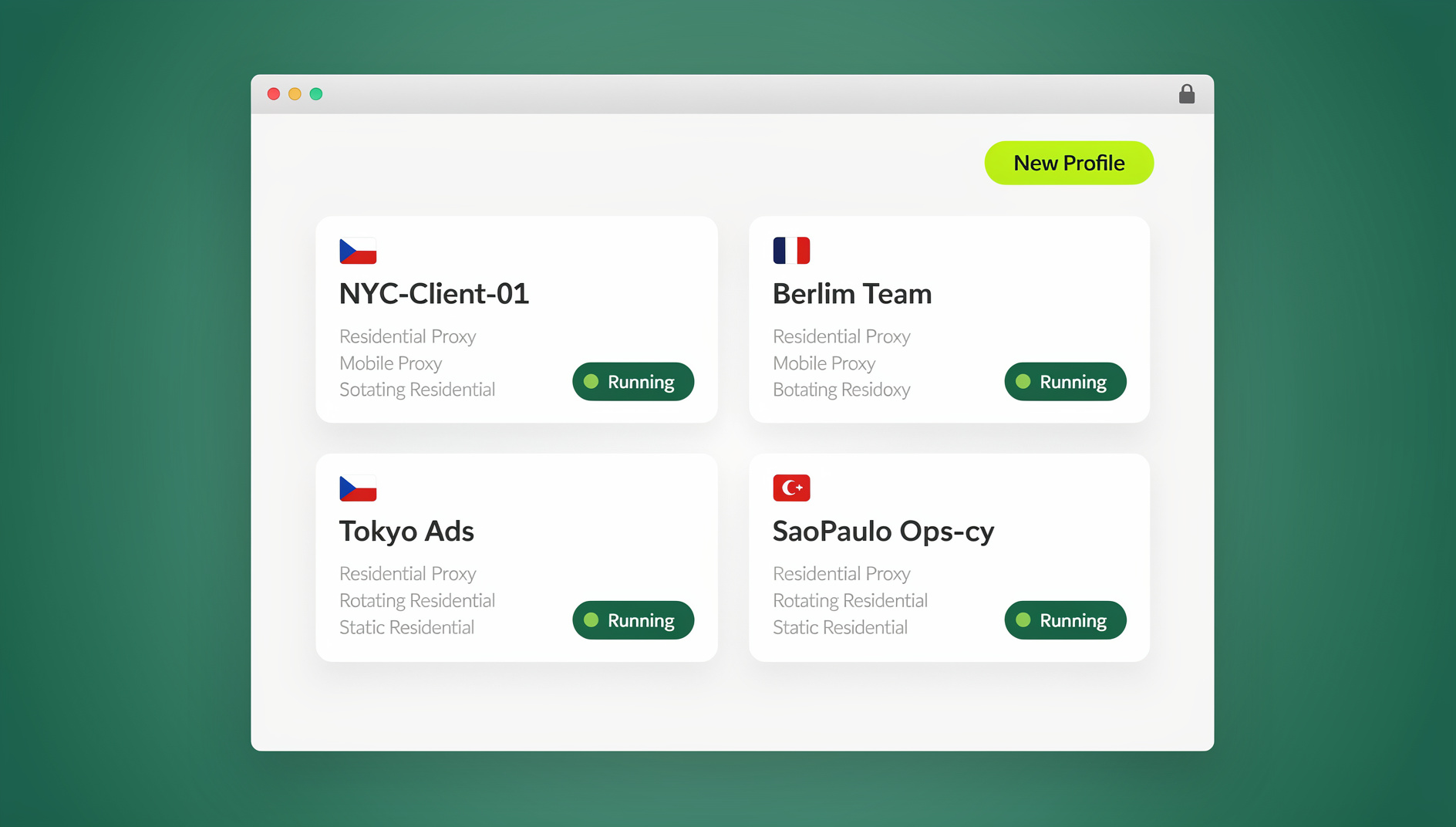
Here’s the productivity killer that most “best extensions” lists never address: how much time you lose every day logging in and out of accounts, opening incognito windows, or switching browser profiles just to manage two Gmail accounts, three ad accounts, or a handful of client logins. Send.win is a browser profile manager built specifically to solve that problem — not with a workaround, but with true browser isolation.
Each Send.win profile runs in its own isolated container with a unique browser fingerprint, so sites see every profile as a genuinely separate device rather than the same browser logged in twice. That means no forced logouts, no flagged “suspicious activity” warnings, and no more juggling five different browsers just to stay logged into everything you need at once. If you’re regularly opening a second browser, a private window, or a separate device to manage more than one account on the same site, that’s exactly the workflow a multi-login browser replaces.
Why use Send.win?
Beyond isolation, Send.win bundles in the infrastructure that usually requires three separate tools:
- Built-in proxies so each profile can have its own IP/location without a separate proxy subscription.
- Team sharing — hand a profile to a teammate or client without ever sharing the actual password.
- A native Desktop app for Windows, macOS, and Linux, so profiles run in a real, persistent local environment rather than only inside a browser tab.
Getting started takes a few minutes: install the Desktop app, create a profile, optionally attach one of the built-in proxies for the location you need, and log in once. From that point on, that profile keeps its own cookies, fingerprint, and session — you just click into it like any other browser tab. Send.win has no free trial, but your first card purchase is covered by a 7-day money-back guarantee, and paid plans start at $19/mo for Pro (150 profiles, 5GB proxy bandwidth) and $49/mo for Team (500 profiles, 20GB bandwidth, and 16 seats). If you want to try it first, there’s a free cloud demo at https://send.win/demo-browser/.
3. uBlock Origin
Adblock Plus was the standard recommendation for years, but Chrome’s Manifest V3 rules limited how aggressively older-style ad blockers can filter network requests. uBlock Origin (and its lighter Manifest V3 sibling, uBlock Origin Lite) has taken over as the community-trusted choice because it stays fast, stays free, and doesn’t run ads of its own through an “acceptable ads” program.
Why use uBlock Origin?
It blocks ads, pop-ups, and trackers across nearly every site, including YouTube, without slowing page loads — and it’s open-source, so there’s no hidden monetization model to worry about.
4. OneTab
When your tab bar turns into a tiny row of unreadable icons, OneTab converts every open tab into a single, organized list with one click. You get the memory back immediately, and you can restore all the tabs — or just the ones you need — whenever you’re ready.
Why use OneTab?
It can cut Chrome’s memory usage dramatically by consolidating dozens of open tabs into one lightweight list. If tab overload is your specific problem, it’s worth comparing OneTab against other OneTab alternatives to see which fits your workflow best, since a few newer tools now add tagging and search on top of the same core idea.
5. StayFocusd
StayFocusd limits how much time you’re allowed to spend on specific sites each day. Once your allotted minutes run out, the site becomes inaccessible until the timer resets — a simple mechanic that works because it removes the decision-making in the moment you’re most tempted to procrastinate.
Why use StayFocusd?
It forces a hard stop on doomscrolling and habitual tab-checking, which is often the single biggest daily time sink for knowledge workers.
6. Clockify
Clockify tracks time spent on tasks and projects directly from the browser, then rolls it up into reports you can export for invoicing or team analysis. It syncs across web, desktop, and mobile in real time.
Why use Clockify?
It remains one of the only genuinely free (not just “freemium”) time trackers for teams, making it a natural fit for freelancers and small agencies who need billing accuracy without a subscription.
7. Bitwarden
LastPass suffered multiple serious breaches in recent years, and a lot of security-conscious users have since moved to Bitwarden, an open-source password manager with a genuinely free tier that includes unlimited passwords and cross-device sync.
Why use Bitwarden?
You stop reusing weak passwords or typing them manually, autofill works across nearly every site, and because Bitwarden’s core is open-source, its security claims can actually be independently audited.
8. Grammarly
Grammarly checks grammar, tone, and clarity in real time wherever you type — emails, docs, Slack messages, social posts — and suggests rewrites rather than just flagging errors.
Why use Grammarly?
It cuts the time spent proofreading and rewriting, which matters most right before you hit send on something that actually counts, like a client email or a job application.
9. Momentum
Momentum replaces Chrome’s blank new-tab page with a personal dashboard — a daily focus goal, to-do list, weather, and a calming photo — instead of a screen that invites you to search for a distraction.
Why use Momentum?
Every new tab becomes a small nudge back toward what you said you’d focus on today, instead of an empty invitation to open something unrelated.
10. Toby
Toby organizes tabs into named, shareable collections instead of a single unbroken row. You can group “Client A research,” “Q3 reports,” and “Personal” into separate boards, then switch contexts in one click without losing anything.
Why use Toby?
It solves the same tab-overload problem as OneTab but adds structure and sharing on top, which is especially useful for teams that hand off research or reference material to each other. If you want a deeper side-by-side, this roundup of Toby alternatives compares it against a few other tab-workspace tools.
11. Raindrop.io
When Mozilla shut down Pocket in 2025, a lot of “save it for later” workflows broke overnight. Raindrop.io has become the most common replacement — it saves articles, images, and links into organized, taggable collections, with full-text search and a clean reading view.
Why use Raindrop.io?
It covers everything Pocket used to do (and more, with nested folders and highlighting) without the uncertainty of relying on a service that’s already been discontinued once.
12. Loom
Loom records your screen, webcam, and voice together, then instantly generates a shareable link — no file exports, no email attachments. It’s become a default for async explanations that used to require a live meeting.
Why use Loom?
A two-minute video walkthrough is often faster to make and easier for the recipient to follow than a written explanation of the same steps, especially for bug reports, design feedback, or onboarding.
13. Checker Plus for Gmail
Checker Plus for Gmail shows new email previews, lets you read, archive, or delete messages, and can even read subject lines aloud — all without ever opening a Gmail tab.
Why use Checker Plus for Gmail?
You stop the reflexive “just checking Gmail” tab-switch, since you can see and act on new mail from a small popup instead.
14. Todoist
Todoist’s Chrome extension lets you turn any webpage, email, or piece of text into a task with due dates, labels, and priority levels in a couple of clicks, syncing instantly with the Todoist apps on every other device.
Why use Todoist?
It closes the gap between “I should do something about this” and actually having it captured on a real task list, instead of leaving it open in a tab as a reminder (which is exactly how tab overload starts in the first place).
15. Notion Web Clipper
Notion’s official clipper saves any webpage — article, product page, or research — directly into a chosen Notion database, tagging it automatically so it’s searchable later.
Why use Notion Web Clipper?
If your team or personal system already lives in Notion, this keeps web research in the same place as your notes and tasks instead of scattered across bookmarks, screenshots, and a dozen open tabs.
Chrome Extensions vs. a Dedicated Multi-Profile Browser: When to Upgrade
Most of the extensions above make an existing single-browser workflow faster. But there’s a specific category of productivity problem that no ad blocker, note app, or tab manager can fix: needing to be logged into the same platform as more than one account at the same time — a second Gmail address, several ad accounts, multiple client dashboards, or a handful of social profiles.
Chrome’s own multiple-profiles feature and “incognito” windows can technically separate sessions, but they share enough underlying browser fingerprint data that sites frequently detect the pattern and flag or lock the accounts anyway. That’s the gap a purpose-built chrome extensions for productivity stack alone can’t close — and it’s the specific problem Send.win’s isolated profiles, built-in proxies, and team-sharing were designed around.
| Need | Best Fit |
|---|---|
| Note-taking, time tracking, writing help, focus limits | Standard Chrome extensions (Google Keep, Clockify, Grammarly, StayFocusd, etc.) |
| Managing 2+ accounts on the same site without bans or forced logouts | Send.win (isolated profiles, unique fingerprints, built-in proxies) |
| Sharing account access with a team without sharing passwords | Send.win Team plan (profile sharing, 16 seats) |
| Scripting repetitive logins/testing across profiles | No Send.win option — Send.win has no automation interface (no API, SDK, headless mode or Selenium/Puppeteer/Playwright support) |
Best Practices for Managing Productivity Extensions Safely
- Audit permissions before installing. A notes app that requests “read and change all your data on every website” is asking for more access than it needs.
- Remove extensions you haven’t used in 30 days. Each active extension is one more thing Chrome has to load and one more potential attack surface.
- Prefer open-source or independently audited tools for anything touching passwords or sensitive data (Bitwarden over closed-source alternatives, for example).
- Check the “last updated” date on the Chrome Web Store listing — an extension that hasn’t been updated in two years may not survive Chrome’s next Manifest V3-style policy change.
- Separate personal and work accounts at the browser level rather than relying on logging in and out repeatedly, since repeated logins are both slower and more likely to trigger security flags on the platform’s end.
🏆 Send.win Verdict
Note apps, ad blockers, and tab managers each save you a few minutes here and there. But if the real drag on your productivity is switching between accounts, re-logging in, or juggling separate browsers just to manage multiple profiles on the same platform, none of those extensions actually fix it — Send.win does. Isolated profiles with their own cookies, storage, fingerprint settings and proxies, a native Desktop app, and team sharing turn a daily source of friction into a one-click switch.
Try Send.win today — paid plans start at $19/mo, with a 7-day money-back guarantee on your first card purchase, or preview it free in the cloud demo.
Frequently Asked Questions
Are Chrome extensions safe to use for productivity work?
Most well-reviewed, actively maintained extensions from reputable developers are safe, but every extension you install is still a piece of third-party code with some level of browser access. Stick to extensions with a large install base, recent updates, transparent permissions, and — ideally — open-source code for anything touching passwords or financial data.
Do these extensions still work with Chrome’s Manifest V3 changes?
Yes — every extension on this list has been checked against Manifest V3 compatibility. This is exactly why a few 2020-era favorites (like the original Adblock Plus recommendation) were swapped for actively maintained alternatives like uBlock Origin, which was rebuilt specifically to work within Manifest V3’s rules.
What happened to Pocket, and what should I use instead in 2026?
Mozilla officially shut down Pocket’s save-for-later service in 2025. Raindrop.io has become the most popular replacement, offering similar (and in some ways more powerful) bookmarking, tagging, and read-later functionality with a generous free tier.
Can I use these extensions on Chromium-based browsers like Edge, Brave, or Opera?
Yes. Since Edge, Brave, Opera, and Vivaldi are all built on Chromium, virtually all Chrome Web Store extensions — including every one listed here — install and run the same way on those browsers.
How many productivity extensions should I install without slowing down Chrome?
There’s no hard number, but a good rule of thumb is to keep active extensions under 10-15 and periodically remove ones you haven’t opened in the last month. Each extension adds a small amount of memory and startup overhead, and it adds up faster than most people expect.
Is Send.win a Chrome extension or a full browser?
Send.win is a browser profile manager with its own native Desktop app for Windows, macOS, and Linux — not a lightweight Chrome add-on. That’s precisely why it can do something a standard extension can’t: give each profile its own isolated cookies, storage, sessions, fingerprint settings, and (optionally) proxy location.
Does Send.win work with automation tools like Selenium or Playwright?
No. Send.win has no automation interface — no API, SDK, headless mode or Selenium/Puppeteer/Playwright support on any plan. Teams that need to script logins, testing, and repetitive workflows need a separate tool for that.
Are there free plans for these productivity extensions?
Most of the extensions listed here — Google Keep, uBlock Origin, OneTab, StayFocusd, Bitwarden, Toby, Checker Plus for Gmail — are entirely free. Clockify, Grammarly, Momentum, Raindrop.io, Loom, Todoist, and Notion Web Clipper all have functional free tiers with optional paid upgrades. Send.win has no free trial; Pro starts at $19/mo and Team starts at $49/mo, with a 7-day money-back guarantee on your first card purchase.