How to Streamline Access to Multiple Microsoft Tenants
The easiest way to manage multiple Office 365 accounts without login conflicts or Microsoft Teams logging you out is to use isolated browser environments, such as Edge profiles, or a dedicated multi-login tool like Sendwin Browser. Microsoft’s native switcher often triggers single sign-on (SSO) loops between different corporate tenants. By separating each client or company account into a sandboxed session, you can access Outlook, SharePoint, and Teams concurrently.
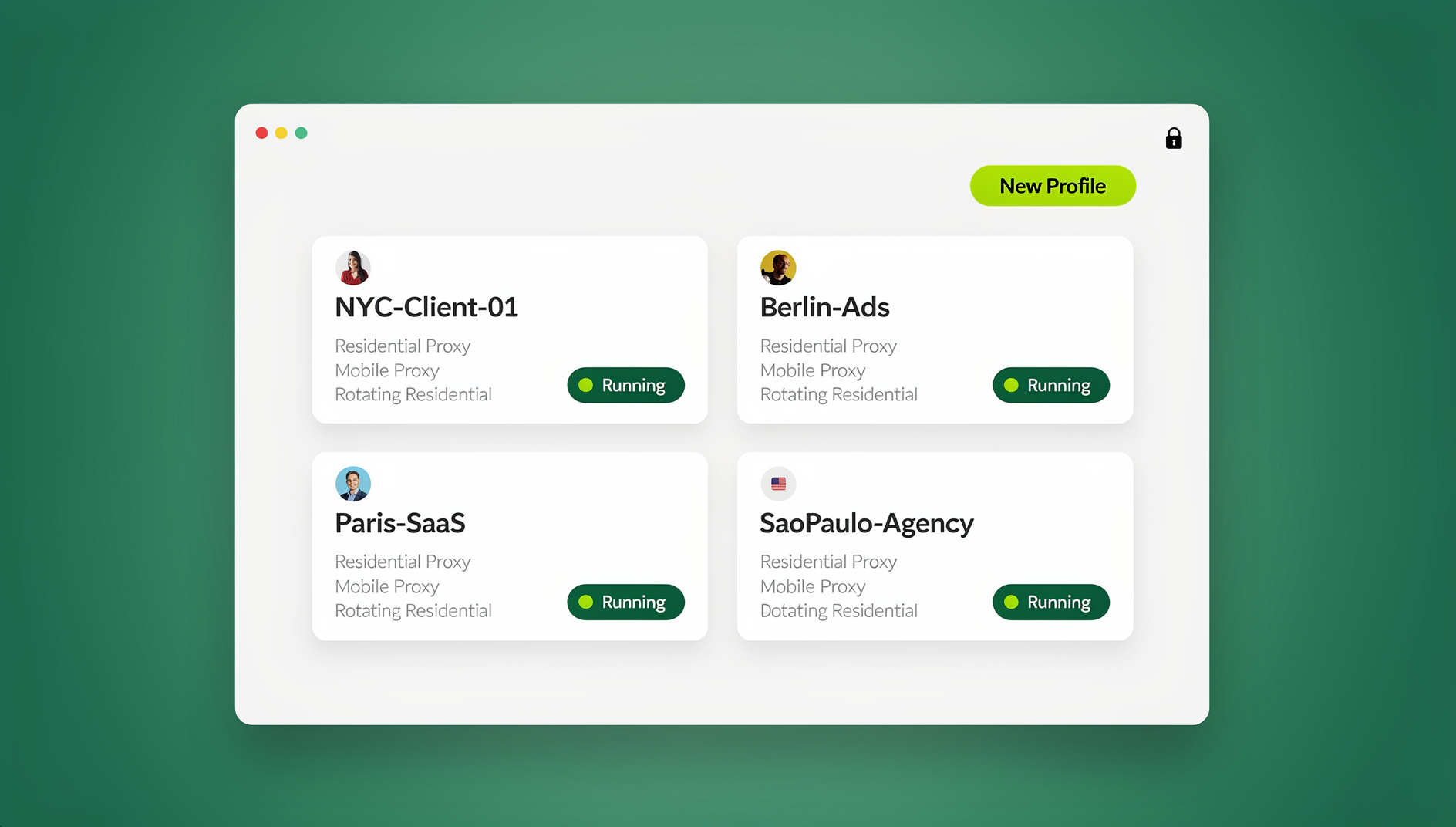
Working across multiple Microsoft organizations is a standard workflow for consultants, freelancers, Managed Service Providers (MSPs), and IT administrators in 2026. When you log into one company’s SharePoint site, the browser often caches that credential, which can prevent you from opening documents from another client’s workspace. Learning how to properly isolate these environments is crucial for keeping your work organized and secure.
The Challenge of Multi-Tenant Microsoft Environments
Microsoft has a complex identity ecosystem. There are two primary types of accounts: personal Microsoft accounts and work or school accounts (formerly Azure Active Directory, now Microsoft Entra ID). These account types handle authentication in very different ways, and using both on the same machine often leads to conflicts.
When you sign into a work account, your organization may enforce policies such as Conditional Access, which checks your device compliance, IP address, and browser security. If your browser contains active sessions from other organizations, it can trigger security policies, causing authentication failures or blocking your access entirely. To keep your work secure, you need a workflow that guarantees complete separation between your client profiles, allowing you to session isolation to safeguard your client sessions.
Microsoft Entra ID Authentication and the Single Sign-On Dilemma
Microsoft Entra ID uses primary refresh tokens (PRT) and session cookies to provide single sign-on across corporate portals. When you log in, Microsoft places cookies in your browser that tell other Microsoft sites who you are. While this is helpful for a single company, it backfires when you need to access client portals. The cookies from Tenant A get sent to Tenant B, causing authentication loops, incorrect directory routing, and session crashes. Manually deleting cookies or using private tabs only provides temporary relief, as the moment you need to open a second portal, the conflict returns. This makes the SSO experience highly frustrating for users managing multiple corporate logins.
Why Teams and Outlook struggle on desktop with multiple corporate domains
The desktop version of Microsoft Teams is historically bad at handling multiple work accounts. If you belong to different organizations, switching between them on the desktop app requires you to sign out of one tenant and sign into the other. This process resets your active chats, stops notifications from the logged-out tenant, and takes several minutes. Similarly, while Outlook desktop handles multiple inboxes, adding several Exchange profiles can slow down your system and cause sync delays.
Method 1: Microsoft’s Built-In Switcher in Desktop Apps
Microsoft has introduced some account switching features inside its desktop apps. In applications like Word, Excel, and PowerPoint, you can click your profile avatar and add another account. This allows you to open and save files directly to different OneDrive paths.
However, this method does not solve the Teams multi-tenant problem. Switching tenants still forces a reload. Furthermore, if you are managing admin centers for different clients, you cannot rely on desktop switchers because they do not cover web-based administrative consoles, leaving you exposed to session mixing.
Method 2: Browser Profiles for Web-Based Access
Many IT professionals prefer accessing Microsoft 365 services via a web browser using different profiles. Microsoft Edge and Google Chrome support user profiles, allowing you to run separate browser windows for each client. This helps you to productivity hacks with Sendwin or other tools by separating your logins. However, managing ten different browser profiles locally is resource-heavy, and your computer can run low on memory quickly.
Method 3: Native Desktop Clients (Sendwin Browser) and Cloud Sessions
For MSPs, consultants, and IT admins who manage several Microsoft tenants daily, the most efficient approach is to use a professional multi-login browser. Sendwin Browser provides a sandboxed environment where each profile runs in its own container, separating cookies, caches, and storage. This allows you to manage multiple accounts easily without conflicts.
Sendwin allows you to run your profiles in two different ways:
- Sendwin Browser (Desktop Client): A native client for Windows, macOS, and Linux that runs on your local machine. It offers native desktop speed, supports local proxy configurations, and keeps your sessions persistent.
- Cloud Browser Sessions: Sandboxed browser sessions that run on remote servers in the cloud. You can open and control these sessions from any device without installing software. This is perfect for access on the go or when using client hardware.
Pricing and Core Features
Sendwin offers two primary paid plans depending on your scale, with the first card purchase covered by a 7-day money-back guarantee. You can also preview it for free with the cloud demo:
- Pro Plan: $19/month or $83.88/year. This plan includes isolated browser profiles with their own cookies, storage, sessions and fingerprint settings, plus proxy support.
- Team Plan: $49/month or $251.88/year. This plan includes isolated browser profiles with their own cookies, storage, sessions and fingerprint settings, plus proxy support and team seats, allowing you to share active sessions with colleagues without exposing the login credentials.
Managing Microsoft 365 Tasks Across Isolated Profiles
MSPs and IT administrators often need to perform repetitive tasks across multiple client environments. With Sendwin’s isolated browser profiles, each client environment keeps its own cookies, storage and sessions, so you can switch between Microsoft 365 tenants without multi-tenant login deadlocks or having to write complex cookie management protocols into your code, as Sendwin manages the profile environment natively.
Comparison Table: Office 365 Management Workflows
To help you evaluate the best workflow, here is a comparison of the primary methods for managing multiple Microsoft accounts:
| Feature | Desktop Switcher | Browser Profiles | Sendwin Browser |
|---|---|---|---|
| Teams Concurrency | No (One work account active) | Yes (Web version in profiles) | Yes (Lightweight sandboxed tabs) |
| M365 Admin Safety | Not supported | Good separation | Excellent (Named & isolated containers) |
| Team Collaboration | No | No | Yes (Shared profile access) |
| Hardware footprint | Medium | High (Multiple Chrome processes) | Low (Single interface container) |
| Device Portability | No (Local files only) | No | Yes (Cloud browser runs on Send.win’s servers in the EU) |
Specific Multi-Account Pain Points: Teams, Outlook, and OneDrive
To keep your Microsoft environment running smoothly, you should implement specific strategies for each application:
Solving Teams’ multi-tenant deadlock
Instead of wrestling with the Teams desktop app, run Teams inside Sendwin profiles. Since each profile has its own cookie space, you can have five different Teams sessions active at the same time. You can monitor chats, receive real-time notifications, and join video calls for five different organizations in parallel from a single window. In modern remote team environments, real-time collaboration is vital. Juggling multiple organizations on Teams means you cannot afford to miss direct messages or client calls. When you use the Teams web application inside isolated profile sessions, you can pin each tab inside your browser interface. This gives you a side-by-side view of all active company channels. You can configure individual desktop notification preferences for each session, ensuring you are instantly alerted to urgent requests regardless of which tenant is currently active on your screen. This workflow allows you to maintain continuous presence across all client workspaces, which is impossible with the default single-login desktop application.
Outlook Mail and Calendar overlay issues
While desktop Outlook allows you to connect multiple Exchange accounts, the calendars can quickly become cluttered. By using web-based Outlook inside isolated browser profiles, you keep each mailbox completely separate. This prevents you from accidentally sending client emails from your personal address or mixing up meetings.
OneDrive sync client folder conflicts
If you connect multiple OneDrive accounts to your desktop, the sync client will create separate local folders. You must label these folders clearly (e.g., “OneDrive – Client A”, “OneDrive – Client B”) to prevent saving sensitive files to the wrong cloud directory. If you are handling sensitive intellectual property, managing files directly in isolated web sessions is safer than syncing them locally. When syncing multiple corporate OneDrive repositories, it is common to experience synchronization stalls due to credential collisions in the local Windows Credential Manager. Because Windows tries to associate the active OneDrive sync processes with a single primary Microsoft identity, having multiple sync engines running in parallel can corrupt the local cache files. Users often have to manually unlink their accounts, clear the Office Document Cache via the Upload Center, and resync everything from scratch. Using sandboxed web browser sessions inside Sendwin Browser avoids local sync clients entirely, which eliminates this common cause of filesystem lockups.
Managing Microsoft Teams PWAs vs. Sandboxed Sessions
Some users install Teams as a Progressive Web App (PWA) under different browser profiles to run separate instances. While this provides a semi-native window experience, it does not bypass the limitations of your physical device’s environment. Teams PWAs still share the same local hardware characteristics and IP address, which can trigger flags under strict corporate security setups. Sandboxed sessions inside a multi-login client isolate your cookies, cache, and system fingerprints, which ensures you comply with security parameters without device-based conflicts.
How MSPs Scale Operations Across 50+ Clients
For Managed Service Providers (MSPs), efficiency and security must go hand in hand. Managing admin consoles for 50 or more clients is an operational nightmare under traditional setups. Using standard browser profiles leads to slow PC performance and constant logout problems. Sendwin Browser allows MSPs to structure their operations systematically. By setting up a dedicated profile for each client tenant and assigning clean residential proxies, engineers can jump between dashboards with one click. Team features allow administrators to onboard new engineers, assign specific clients, and instantly revoke permissions when someone leaves the company. Full audit logs track which engineer opened which console, providing accountability and compliance reports.
Common Security Pitfalls in Office 365 Multi-Tenant Environments
When running multiple Office 365 accounts, users often overlook basic security hygiene. One major pitfall is data residency. If you are managing accounts in different jurisdictions (e.g., one in the European Union under strict GDPR guidelines and one in the United States), sharing files, copy-pasting customer details, or utilizing a shared browser clipboard can lead to serious compliance violations. Furthermore, standard browsers store cached attachments locally in a shared Temp folder. If you open a sensitive financial spreadsheet from Client A and then open a document from Client B, those files could be cached in the same temporary local directory. Sendwin’s sandboxed architecture separates the cache directories completely, keeping your files isolated at the local system level.
Detailed Step-by-Step Security Audit for Microsoft Multi-Account Setups
If you are responsible for maintaining corporate security across multiple Microsoft tenants, you must implement a structured auditing workflow. A typical security checklist should include the following actions performed on a regular cycle:
- Review Active Entra ID Devices: Access the Entra ID console for each tenant and check the list of registered devices. Remove any obsolete or unrecognized endpoints immediately to prevent unauthorized access tokens from remaining active.
- Monitor Tenant Login Logs for Location Hops: Watch out for “impossible travel” alerts, where a single user credentials list registers a login from different geographic areas within a short timeframe. Pairing your profiles with static proxies ensures your sign-ins always show a consistent IP history.
- Manage Third-Party OAuth Grants: Go to the admin portal and audit the list of apps that have received permissions to read mail or access SharePoint files. Phishing attacks often target users to trick them into granting access to malicious OAuth apps.
- Enforce High-Privilege Isolation: Make sure that anyone with Global Administrator rights uses a completely dedicated sandboxed browser session that is never used for general web browsing, email checking, or daily operations. This keeps credentials isolated from standard attack vectors.
By integrating these security audits into your weekly routine, you drastically reduce the risk of a multi-tenant breach spreading across your clients. Regular checks on external sharing settings in SharePoint and OneDrive will also identify folders that were inadvertently shared publicly, ensuring that client data boundaries are strictly respected at all times.
🏆 Send.win Verdict
Managing multiple Office 365 accounts does not have to result in constant sign-out loops and Teams connection errors. While standard Edge profiles offer basic separation, they struggle to scale and do not support team sharing. Sendwin Browser provides a professional solution with its native desktop client, cloud sessions, and proxy integration. It ensures each tenant remains completely isolated, allowing you to focus on your work instead of authentication problems.
Try the Send.win cloud demo — preview it free without signup, log into your Microsoft accounts, and streamline your multi-tenant admin workflow instantly.
Frequently Asked Questions
Can I log into two different Office 365 work accounts on the same computer?
Yes. You can add both accounts to your Office desktop apps like Outlook and Word. However, for web applications and Teams, you will face session conflicts. To run them simultaneously without errors, you should use separate browser profiles or isolated sessions in Sendwin Browser.
How does Microsoft Teams handle multiple accounts on the desktop client?
The desktop version of Teams only supports one active work account at a time. To switch organizations, you must log out and sign in again, which reloads the client. To avoid this, you can run the Teams web app in separate, isolated browser profiles or Sendwin cloud sessions.
Does Sendwin require a local installation?
No, a local installation is not strictly required. While the native Sendwin Browser desktop client offers the best performance for Windows, macOS, and Linux, you can also run your profiles entirely in the cloud via Sendwin cloud browser sessions. This allows you to manage your accounts from any standard browser.
Does Send.win offer an Automation API?
No. Sendwin does not offer an automation interface: there is no API, SDK, headless mode or Selenium/Puppeteer/Playwright support on any plan. Sendwin is a browser profile manager, with paid plans at $19/month or $83.88/year (Pro) and $49/month or $251.88/year (Team), and the first card purchase is covered by a 7-day money-back guarantee.
Can I connect multiple OneDrive accounts to one sync client?
Yes, the native OneDrive desktop client allows you to add multiple business and personal accounts. The client will create separate synced folders in your system. Be sure to label these folders clearly to avoid drag-and-drop errors.
Will my client know if I access their Office 365 tenant through Sendwin?
No. Sendwin Browser is a browser profile manager: each profile keeps its own consistent browser fingerprint, so profiles do not share one browser identity. When you pair each profile with residential proxies, the client’s admin logs will see a standard web browser logging in from a clean residential location.
How does the Team plan help MSPs manage client accounts?
Sendwin’s Team plan ($49/month or $20.99/month annual) includes 16 seats, allowing you to share specific profile sessions with your engineers. They can access the client’s Microsoft admin center directly without needing to know the credentials, and you can revoke access at any time.
What type of proxies should I pair with my Office 365 profiles?
For Office 365, residential proxies are highly recommended, especially when clients enforce location-based conditional access. Residential proxies assign clean, residential IP addresses to your sessions, preventing security alerts and login blockages that frequently occur when using datacenter networks.