How to Manage Multiple Teams Accounts Without Logging Out
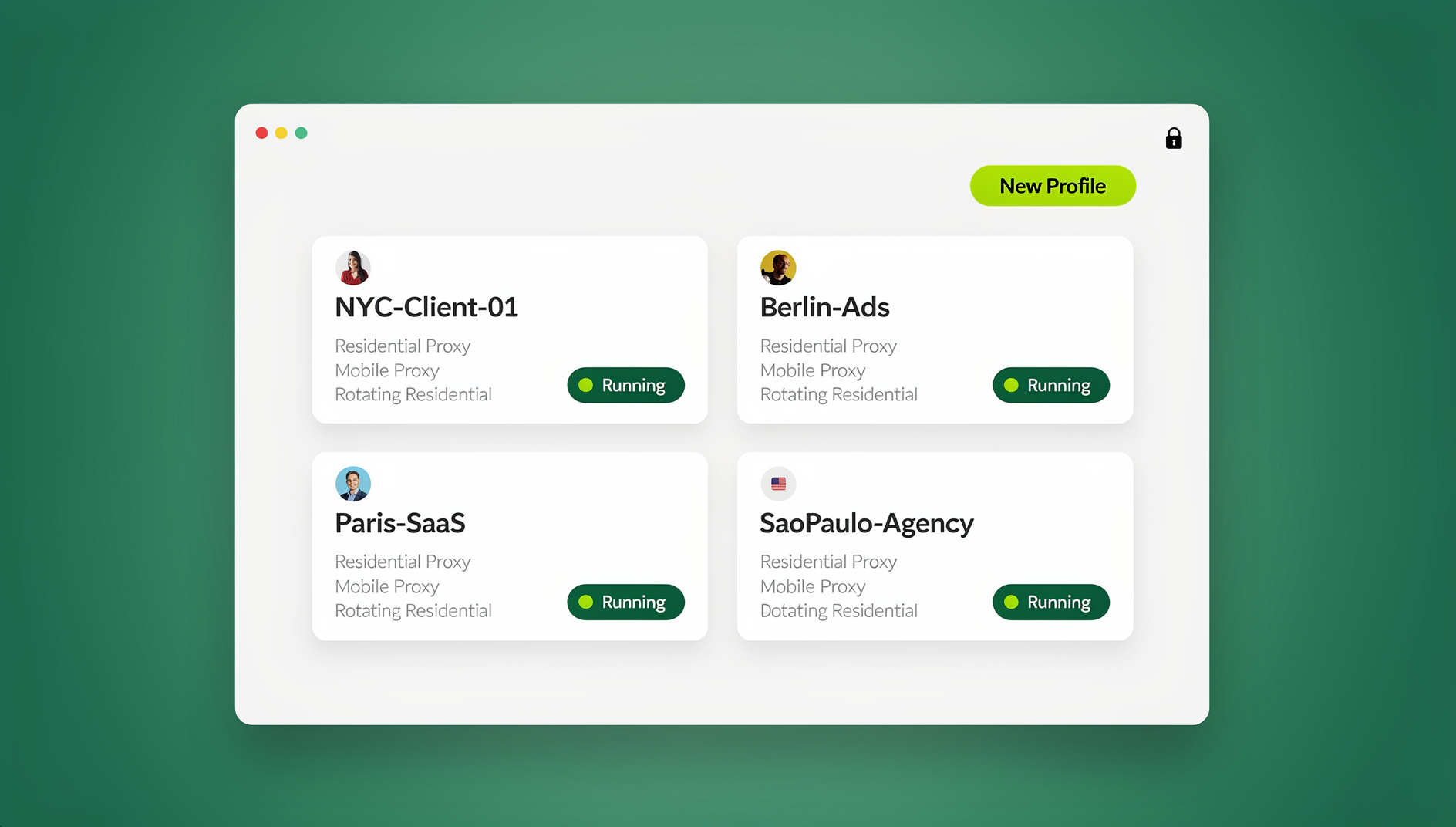
To efficiently manage multiple Teams accounts simultaneously without signing out, you can set up separate browser profiles or utilize a specialized multi-login browser such as the Sendwin Browser desktop client or secure cloud browser sessions. Standard web browsers share identity states and cookies, leading to constant authentication conflicts, but isolated profiles store distinct credentials, cache files, and browser identifiers. This enables you to run multiple Teams tenants side-by-side concurrently without friction.
Microsoft Teams has established itself as the central communication hub for organizations worldwide, connecting colleagues, project groups, and client bases in one workspace. However, for Managed Service Providers (MSPs), IT administrators, freelance consultants, and corporate directors, working is rarely confined to a single domain. You might need to participate in the corporate chat of three separate companies, monitor a client’s support channel, and manage internal company meetings all in the same morning. Juggling these separate domains is a common operational necessity.
When you attempt to operate across these separate tenants, the software’s architecture quickly presents major obstacles. Microsoft Teams was fundamentally designed around a single-tenant identity model. Juggling separate organizational accounts simultaneously is one of the most persistent user experience gaps in modern enterprise software. In this guide, we will analyze the technical limitations of standard setups, explore the strengths and weaknesses of popular workarounds, and demonstrate how advanced session isolation offers the ultimate professional solution.
Why Juggling Teams Accounts is a Modern Business Reality
The modern workplace is collaborative, decentralized, and highly integrated. The need to manage multiple Teams accounts spans across several professional roles and business scenarios, each with its own workflow requirements:
- Managed Service Providers (MSPs) and IT Admins: Supporting IT infrastructure, user provisioning, and communication channels for dozens of client companies. Admins need rapid access to different client Teams environments to troubleshoot issues and update configurations.
- Independent Consultants and Freelancers: Collaborating with multiple external client organizations. Each client usually provisions a separate corporate email and Teams identity for the contractor to ensure compliance and track deliverables.
- Mergers and Acquisitions: Coordinating operations between two merging corporate entities. During the transition phase, integration teams must monitor communication in both legacy organizations simultaneously.
- Multi-Brand Enterprises: Overseeing communications across subsidiary companies. Executives and shared-service employees (like HR or finance) frequently hold official roles and separate accounts in each subsidiary brand.
Operating in these roles means that missing a single chat or call can delay a project or violate a service-level agreement. Ensuring that all communication channels remain active, responsive, and secure is critical to professional success.
The Core Technical Constraints of the Teams Ecosystem
Understanding why it is difficult to run multiple accounts simultaneously requires looking at how identity and session states are managed in standard software environments.
Single-Tenant Design and Session Conflict
Web applications and desktop clients store credentials, cookies, and session tokens in a centralized directory. When you sign into Microsoft Teams, the application writes active authentication cookies to this directory. If you try to log into a second Teams account in another tab of the same browser window, the new authentication flow will attempt to overwrite the existing cookies, triggering automatic sign-outs, account switching loops, or identity conflicts.
Single Sign-On (SSO) and Active Directory Loops
Most corporate Microsoft accounts are protected by Single Sign-On (SSO) configurations managed through identity providers like Okta, Ping Identity, or Microsoft Entra ID. These systems enforce conditional access policies and set persistent session states. If you try to authenticate with two different corporate credentials that utilize separate Okta configurations within the same browser session, the identity provider will detect the conflict, invalidate your session tokens, and lock you out of both accounts.
Local Workstation Resource Exhaustion
Microsoft Teams is famously resource-intensive, relying on framework designs that consume significant RAM and CPU cycles. When you attempt to run multiple standalone instances of the Teams client or keep dozens of browser windows open to monitor different tenants, your computer’s performance can degrade rapidly. This leads to laggy audio during calls, delayed chat notifications, and overall system instability.
To protect your machine and your data, setting up clean session isolation is the primary step toward a reliable multi-tenant setup.
Method 1: Native Teams Desktop App Account Switching
Microsoft has introduced multi-account and multi-tenant capabilities in its rewritten Teams desktop client. While this represents progress, it falls short for power users.
How to Configure the Native Switcher
- Launch the Teams desktop client on your workstation.
- Click your profile picture in the top-right corner of the application window.
- Select Add another account from the dropdown menu.
- Enter the credentials for your secondary organization and complete the authentication flow.
- Once added, you can switch between accounts by clicking your profile picture and selecting the target organization.
The Core Limitations of the Native Switcher
The native switcher is convenient for users who only need to switch accounts occasionally, but it is not built for active multi-tasking. Firstly, the app only designates one account as the “active” profile. When you are focused on Account A, your presence status in Account B may not update correctly, showing you as offline or away to your other clients. Furthermore, background accounts often experience severe notification delays, meaning you may miss real-time direct messages or call alerts.
Additionally, third-party integration apps, shared calendars, and meeting features are tied to the active profile. If you receive a call on Account B while active in a meeting on Account A, the client cannot bridge the gap, forcing you to disconnect and switch profiles manually. This overhead makes the native client unsuitable for IT professionals and consultants who must remain active in multiple workspaces simultaneously.
Method 2: Multi-Profile Browsing via Standard Web Browsers
For users who need simultaneous, side-by-side access to their workspaces, running the Teams web app inside separate browser profiles is a popular workaround.
Setting Up Dedicated Browser Profiles
Google Chrome and Microsoft Edge allow you to create isolated browser profiles, each with its own local cookie storage.
- Open your browser and click your profile icon in the top-right corner.
- Click Add or Add Profile at the bottom of the list.
- Label the profile clearly with the client or organization name (e.g., “Client X – Teams”).
- Launch the new profile window, navigate to
teams.microsoft.com, and sign in. - Repeat this process for each Teams tenant, arranging the windows on your screen for simultaneous monitoring.
Why Local Profiles Fall Short for Teams
While local browser profiles prevent immediate cookie conflicts, they introduce significant hardware overhead. Each profile launches a complete, independent browser process on your machine, quickly draining your RAM. If you are running four Teams web sessions across four Chrome profiles, your laptop’s battery life and processing speed will drop significantly.
Furthermore, these profiles are bound to your physical device. If you log in from a home computer, a mobile device, or a replacement workstation, you must rebuild the entire profile configuration and pass multi-factor authentication (MFA) prompts again. There is also no way to securely share access with a colleague during support shifts or time-off coverage. Using standard multi-login profiles for teams is a useful starting step, but it lacks the portability and security needed for enterprise operations.
Method 3: Session Isolation with Sendwin
For professionals managing multiple Teams environments, Sendwin offers a professional multi-login browser built for security, speed, and collaborative work. It isolates browser sessions at both the cookie and hardware fingerprint levels, eliminating login conflicts and local resource drain.
Sendwin provides two distinct modes of operation:
- Sendwin Browser Desktop Client: A specialized desktop application for Windows, macOS, and Linux that runs isolated browser profiles locally. This provides maximum speed and native hardware acceleration for video calls.
- Cloud Browser Sessions: A zero-install solution that runs browser profiles on secure, remote cloud servers. This lets you access your Teams consoles from any device, including tablets and mobile phones, without running heavy web processes locally.
With Sendwin, you can create a dedicated session for each client tenant. Each session operates in a sandboxed container, preventing okta or active directory cookies from cross-contaminating. You can pair each session with a dedicated proxy, matching your IP address to your client’s geographical location to satisfy strict conditional access policies.
For collaborative groups, Sendwin supports secure session sharing. You can delegate a client’s Teams session to a coworker without sharing the underlying password or triggering MFA challenges. This makes Sendwin the ultimate tool for remote teams session sharing. By using this centralized platform, technical workers can manage multiple accounts easily and securely.
Teams Account Management Comparison Matrix
The table below outlines the core differences between the three main methods of managing multiple Teams tenants.
| Feature | Native Desktop App | Standard Browser Profiles | Sendwin Sessions | |
|---|---|---|---|---|
| Simultaneous Login | No (requires switching) | Yes (limited by memory) | Yes (unlimited profiles) | Yes (unlimited profiles) |
| SSO Isolation | Poor (session loops) | Moderate (local only) | Excellent (sandboxed) | |
| Resource Overhead | Moderate | High (multiple processes) | Low (cloud session option) | |
| Proxy Support | System-wide only | System-wide only | Yes (per-session proxies) | |
| Credential Sharing | No | No | Yes (secure session sharing) | |
| Device Portability | No | No | Yes (cloud sync profiles) |
Best Practices for Configuring Multi-Tenant Microsoft Teams
Operating across multiple organizations requires setting up clear administrative policies to maintain focus, prevent notifications from becoming overwhelming, and secure corporate data.
Organizing Notification Preferences
Receiving notifications from multiple organizations simultaneously can quickly become distracting. To maintain focus, open each Teams session and adjust your notification settings. Turn off banner alerts for general channels, and limit notifications to direct mentions and replies. This ensures you are only interrupted for high-priority messages that require your direct action.
Presence Management Across Environments
Since Microsoft Teams does not sync your presence status across different tenants, you can appear “Available” in one tenant while in a call in another. To prevent clients from thinking you are ignoring them, set a custom status message in your secondary tenants (e.g., “Working with client group – expecting delayed replies”). This sets clear expectations for response times.
Managing Guest Access vs. Dedicated Accounts
If you only need to collaborate occasionally on shared projects, ask the host organization to add your primary account as a guest. Guest access allows you to switch channels without logging out. However, if you require administrative access to their tenant, need to manage phone directories, or must use custom integration apps, you must have a dedicated tenant account managed inside an isolated Sendwin session.
Security and Compliance Guidelines
Managing credentials for multiple corporate entities introduces major security responsibilities. Technical professionals must follow strict security protocols to prevent data leaks and stay compliant:
- Isolate Data Directories: Never download client files from one Teams tenant and upload them to another. Keep all downloads organized in separate folders on your local drive to prevent compliance violations.
- Enforce Multi-Factor Authentication (MFA): Set up MFA on every account. Utilize the Microsoft Authenticator app on your mobile device to manage multiple MFA tokens securely in one place.
- Clear Inactive Sessions: When completing a client project, log out of the tenant completely. Revoke active session tokens in your browser or application to ensure no orphan credentials remain active.
- Understand Data Residency: Different organizations may store data in different geographical regions. Ensure your connection methods comply with corporate policies regarding data routing and residency.
🏆 Send.win Verdict
Managing multiple Teams accounts across separate client organizations does not have to mean constant login loops or missed notifications. While the native client has limitations and local browser profiles consume excessive memory, Sendwin offers a professional multi-tenant solution. By utilizing isolated profiles in the Sendwin Browser desktop client or cloud sessions, you can run all your Teams tenants side-by-side with full performance, distinct identity directories, and team-sharing capabilities starting at just $6.99/month on our annual Pro plan.
Try Send.win today — start with a paid plan covered by a 7-day money-back guarantee, or preview it free in the cloud demo, to unify and isolate your workspace accounts instantly.
Frequently Asked Questions
Can I run multiple Teams accounts simultaneously on the desktop client?
Microsoft’s new Teams desktop client allows you to add multiple accounts and switch between them, but it only keeps one profile active at a time. To run multiple accounts side-by-side with real-time notifications and active statuses, you must use separate browser profiles or Sendwin’s isolated sessions.
How do I get notifications from multiple Teams organizations in real time?
To monitor notifications from multiple tenants simultaneously, open each Teams account in an isolated browser session or profile. Keeping these windows active ensures that each instance receives its own web notifications and direct messaging alerts as they happen.
Will my presence status sync automatically across all my Teams accounts?
No, presence status is managed independently by each tenant’s active directory. If you are in a call on Account A, your status in Account B will still show as available unless you manually change it or set a custom status message.
Can I attend two Microsoft Teams meetings from different organizations at the same time?
Yes. By running the Teams web app in separate browser profiles or Sendwin sessions, you can join separate meetings simultaneously in different windows. However, you will need to manage your system microphone and speaker inputs carefully to prevent audio loops.
Is it possible to share a Teams browser session with a coworker?
Yes, Sendwin supports secure session sharing. You can share your isolated Teams session with a colleague, allowing them to access the workspace during your absence without sharing your password or triggering MFA prompts.
What is the pricing for Sendwin profiles?
Sendwin has no free trial. The Pro plan costs $19/month (or $83.88/year) and the Team plan costs $49/month (or $251.88/year). The first card purchase is covered by a 7-day money-back guarantee, and the only free option is the cloud demo at https://send.win/demo-browser/.