The Workspace Friction of Juggling Multiple Teams Accounts
To succeed in managing multiple Teams accounts simultaneously, you should install Microsoft Teams as separate Progressive Web Apps (PWAs) for each account, or leverage a secure multi-login browser like Sendwin to keep your sessions fully isolated in sandboxed browser profiles. This prevents tenant credential conflicts, eliminates constant logouts, and ensures you receive real-time notifications across all your accounts. Pair this setup with a unified calendar bridge to coordinate meetings and keep client communications cleanly organized.
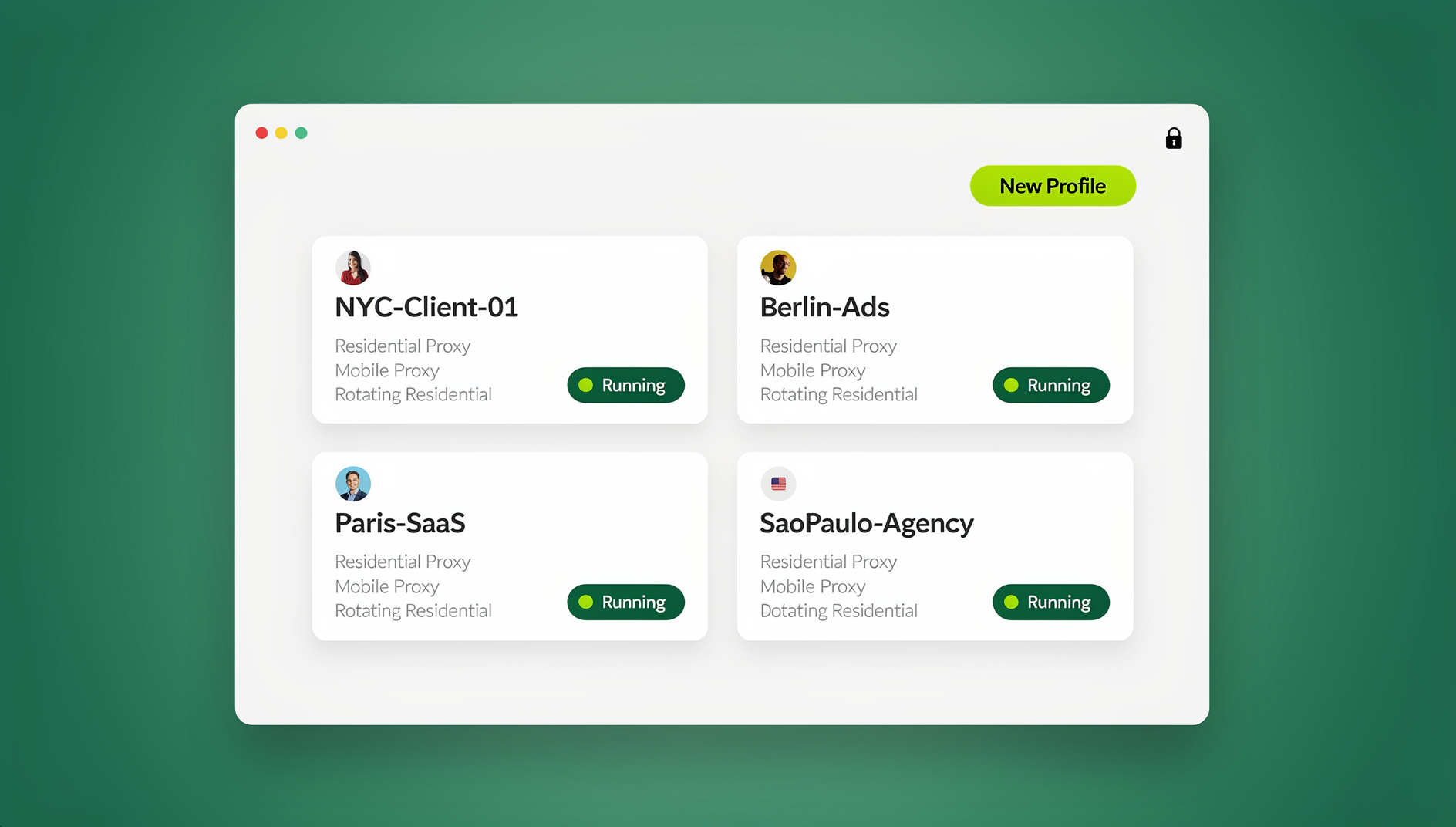
As corporate structures diversify and remote collaboration becomes the norm, the average knowledge worker is no longer tied to a single corporate workspace. Consultants, agencies, freelancers, and multi-tenant administrators face the daily headache of coordinating meetings, chat notifications, and file structures across multiple distinct Microsoft Teams setups. Managing these accounts efficiently is crucial to avoid missing important updates or accidentally sharing data between clients.
The Workspace Friction of Juggling Multiple Teams Accounts
Microsoft Teams is deeply integrated into the Windows operating system and the broader Microsoft 365 (Office 365) ecosystem. While this integration is convenient for single-organization employees, it creates massive technical hurdles for external professionals who work with multiple client organizations.
The Identity Dilemma: Single-Sign-On and Tenant Restrictions
Microsoft 365 relies heavily on Single Sign-On (SSO) and Azure Active Directory (Azure AD). When you sign into a Microsoft product on your local PC, Windows registers that account as the primary identity. When you launch Microsoft Teams, it attempts to use that primary identity to log you in automatically. If you need to access a client’s Teams workspace that uses a completely different Azure AD tenant, the platform often locks you out or demands multi-factor authentication (MFA) loops, because it gets confused by your primary Windows identity.
Common Errors: Cached Credentials and \”Already Logged In\” Warnings
Anyone who has tried to switch accounts on standard web browsers or the Teams desktop application is familiar with the dreaded \”You’re already signed in\” error or loops of redirecting login pages. This happens because Microsoft stores authentication tokens, active cookies, and local database cache files in shared folders. When you log out of one account and attempt to sign in with another, trace files from the previous session remain active, causing security conflicts that lock you out of your client’s tenant.
Accidental Data Leakage Risks
Juggling client files is risky when your environments are not separated. If you are signed into two client tenants in the same browser, a clipboard slip or an automated download folder overlap can lead to sending Client A’s confidential files into Client B’s chat room. Maintaining strict data boundaries is an absolute operational necessity to comply with corporate security standards.
Method 1: Native Teams Desktop Account Switcher
Microsoft has made efforts to improve multi-account support in newer versions of the Teams desktop client. While it provides a basic level of switcher utility, it falls short for heavy daily users.
Step-by-Step Native Switcher Setup
To add a secondary account to your Teams desktop client, click on your profile picture in the top-right corner and select Add another account. Enter the credentials for the client tenant, complete the MFA verification, and the account will appear in your switcher list. You can switch between active tenants by clicking your profile picture and selecting the tenant you wish to view. Teams will reload the interface to display that organization’s channels and chats.
Core Limitations of Microsoft’s Native Solution
While the native switcher is a step forward, it has significant drawbacks for power users:
- Sequential Access Only: You cannot view two different accounts side-by-side. If you are talking to Client A and need to reference a document in Client B’s workspace, you must switch accounts, wait for the interface to reload, find the file, and then switch back.
- Interrupted Workflows: Any active call, screen share, or file download is terminated immediately if you switch accounts, making real-time collaboration across organizations impossible.
- Notification Delays: Although Microsoft attempts to show badged notifications for inactive accounts, they are notoriously unreliable and often delayed, leading to missed client messages.
Method 2: Separate Browser Profiles (Chrome & Edge)
To view multiple Teams accounts simultaneously, many professionals abandon the desktop app in favor of web-based Teams run inside separate browser profiles.
Setting Up Chrome/Edge Profiles for Teams
You can create separate profiles in Google Chrome or Microsoft Edge by clicking the profile icon in the top-right corner of the browser and selecting Add. Name the profile after the client organization and sign in to teams.microsoft.com with their credentials. By creating distinct profiles, you isolate the cookies and cache for each account, allowing you to open multiple browser windows side-by-side, each signed into a different Teams environment.
By utilizing multi-login profiles for teams, you can run separate Microsoft Teams profiles in parallel.
Drawbacks of Browser Profiles
While browser profiles solve the side-by-side view problem, they require significant system memory (RAM). Standard browsers launch separate processes for every tab and extension, quickly consuming 16GB or 32GB of RAM. Furthermore, browser profiles do not mask your hardware fingerprint, meaning Microsoft’s security protocols can still link your active profiles to the same physical machine, which can trigger MFA challenges or organizational access logs.
Method 3: Teams Progressive Web App (PWA) Installations
A Progressive Web App (PWA) allows you to turn a website into a standalone application that behaves like a native desktop client.
How to Install Teams PWA per Account
To set up PWAs, you must first open a dedicated browser profile as described in Method 2. Navigate to teams.microsoft.com and sign in. In the browser’s address bar, look for the small icon that looks like a monitor with a plus sign, or open the browser menu and select Install Microsoft Teams. The PWA will install as a separate window with its own taskbar icon. You can pin these icons to your taskbar, allowing you to launch each client’s Teams workspace directly without opening the main browser interface. This approach consumes slightly fewer system resources than the full desktop client but still depends on underlying browser engines.
Method 4: Sendwin’s Isolated Browser Sessions
For consultants and agencies managing multiple client spaces, the most efficient and secure approach is utilizing dedicated multi-login browser sessions.
Isolating Teams Workspaces via Sendwin
Using Sendwin, you can create separate browser sessions for each Microsoft Teams account. Sendwin is built on powerful sandboxing technology that isolates cookies, local databases, and session storage per profile. Under the hood, session isolation guarantees that cookies and local storage are partitioned, so Microsoft’s servers see each tab as a completely unique browsing environment. This eliminates redirects, loops, and cached credential conflicts.
Sendwin offers two distinct modes for running these profiles: the native desktop client (Sendwin Browser) and cloud browser sessions. The Sendwin Browser desktop client runs locally with encrypted cloud sync, while cloud browser sessions run entirely in the cloud, meaning you can access all your client’s Teams spaces from any device without installing software. With these tools, developers and product managers can manage multiple accounts easily.
For agencies and remote workers, utilizing remote teams session sharing allows team members to access client environments without sharing passwords. Teammates can log into the shared Sendwin session and collaborate in the client’s Teams channels, keeping all project files secure and compliant.
Optimizing Your Teams Multi-Account Workflow
Setting up your technical workspace is only half the battle. To maintain high productivity while running multiple accounts, you must organize your operational workflow:
Notification Tuning and Muted Chats
Receiving notifications from five different Teams workspaces simultaneously will destroy your focus. Open the settings for each account and adjust your notification rules. Keep desktop banner notifications enabled only for high-priority channels and direct messages. For general channels and group chats, change notifications to \”Only show in feed\” or mute them entirely, checking them manually during dedicated focus blocks throughout the day.
Calendar Consolidation Strategies
When you have meetings scheduled across three different Microsoft 365 accounts, calendar conflicts are inevitable. Clients inside Tenant A cannot see that you are booked for a meeting in Tenant B. Use calendar bridging software (like CalendarBridge) to sync your availability across all your accounts. These tools block out time slots as \”Busy\” on your secondary calendars automatically, preventing clients from booking overlapping meetings.
Comparing Teams Multi-Account Methods
Review the comparison table below to determine which method fits your organization’s workflow requirements:
| Feature | Native Switcher | Browser Profiles | Progressive Web App | Sendwin Isolated Sessions |
|---|---|---|---|---|
| Simultaneous Login | ❌ No | ✅ Yes | ✅ Yes | ✅ Yes |
| Side-by-Side Views | ❌ No | ✅ Yes | ✅ Yes | ✅ Yes |
| Memory Consumption | Low | Very High | High | Low (Cloud or optimized local) |
| Session Persistence | Yes | Yes | Yes | Yes (Permanent sync) |
| Secure Team Sharing | No | No | No | Yes (No password shared) |
| Platform Overhead | Medium | High | Medium | Low |
🏆 Send.win Verdict
Managing multiple Teams accounts efficiently requires total isolation of login cookies and browser profiles to prevent authentication conflicts and credential redirects. Sendwin provides this isolation seamlessly across both its native desktop client and cloud browser sessions, allowing you to run all your Teams accounts side-by-side without performance lag. With prices starting at $19/mo (or $83.88/yr) and no automation interface, Sendwin is the ultimate choice for remote professionals and agencies.
Try the Send.win cloud demo today — streamline your team communications and manage all your clients securely with a 3-minute preview without signup.
Frequently Asked Questions
How open two Microsoft Teams accounts at the same time on desktop?
The native Teams desktop application does not support displaying two accounts side-by-side. To run multiple accounts simultaneously on your screen, you must run Teams through separate browser windows (using Chrome or Edge profiles) or utilize Sendwin’s isolated browser sessions.
Why does Microsoft Teams keep redirecting me to the wrong login page?
This common redirection loop occurs when your browser’s cookie cache stores authentication tokens from a previous session. When you try to log into a different Teams account, the system attempts to use the stored tokens, causing a conflict. Clearing your cookies or using Sendwin’s sandboxed sessions resolves this issue completely.
Does Sendwin require a local installation to run Teams?
No. Sendwin features cloud browser sessions that run entirely on cloud infrastructure. This allows you to log into all your client’s Teams spaces from a standard web browser on any device (including Chromebooks or tablets) without installing any local applications or packages.
How many Teams accounts can I manage inside Sendwin?
There is no limit to the number of Teams accounts you can run. The Sendwin Pro plan supports up to 150 profiles, and the Team plan scales to 500 profiles. Both plans allow you to organize, label, and launch your Teams sessions with a single click from the main dashboard.
Will I receive push notifications for all my Teams accounts?
If you use Sendwin, each isolated session tab will receive real-time notifications as long as the tab remains open. You can enable standard desktop notification banners for each session, allowing you to monitor chat alerts across all clients simultaneously.
How does session sharing work in Sendwin?
Sendwin allows Team plan users to share active browser sessions with other team members. Teammates receive access to the pre-logged session, allowing them to participate in client chats and retrieve files without needing to enter the password or request an MFA verification code.
Which plan is best for a consultant managing multiple Teams accounts?
For independent consultants, the Pro plan ($19/mo or $6.99/mo annual) is excellent as it provides up to 150 profiles and includes local automation. If you work in an agency or need to share client sessions with other engineers or writers, the Team plan ($49/mo or $20.99/mo annual) is recommended for its 16 seats and sharing capabilities.
Can I automate Microsoft Teams tasks inside Sendwin?
No. Sendwin has no automation interface: there is no API, SDK, headless mode or Selenium/Puppeteer/Playwright support on any plan.
Conclusion
Effectively managing multiple Teams accounts is critical to maintaining a professional client relationship and ensuring high productivity. While Microsoft’s native switcher and standard browser profiles offer basic workarounds, they introduce performance bottlenecks and redirection loops.
Using Sendwin’s sandboxed sessions allows you to keep all your client environments open side-by-side, securely separate confidential files, and eliminate SSO credential loops. Take advantage of Sendwin’s paid plans, covered by a 7-day money-back guarantee on your first card purchase, to simplify your corporate workflow and organize your digital workspace.