Securing relay multiple administrators account management requires establishing clear role-based access levels, configuring dual authorization rules for high-value transfers, and performing regular user audits. By partitioning access rights among owners, admins, managers, and bookkeepers, you can prevent internal financial fraud, streamline payment approvals, and maintain a clear audit trail for all business banking activities.
Why Multiple Administrators Matter in Relay Banking
Relay has become a dominant player in the digital business banking space, especially for companies implementing Profit First budgeting. Because Relay allows you to open up to 20 individual checking accounts for free, it provides excellent visual budgeting capabilities. However, as your team grows, managing these accounts becomes more complex. Relying on a single person to handle all transactions creates operational bottlenecks and increases security risks. Setting up relay multiple administrators account management allows you to delegate financial tasks safely.
When you add co-founders, operations managers, and external accountants to your business banking dashboard, you cannot simply share a single username and password. Sharing credentials violates security standards, compromises your two-factor authentication, and destroys your audit logs. If an unauthorized transfer occurs, you will have no way of knowing who initiated it. A structured multi-admin setup solves this problem by giving every user their own unique credentials and custom permission limits. Each user’s actions are documented in the system’s log, establishing complete accountability.
By implementing relay multiple administrators account management, you can ensure that team members only have access to the specific accounts and features they need to perform their duties. A bookkeeper only needs read-only access to reconcile bank statements in QuickBooks, while a marketing manager only needs access to the advertising card budget. Isolating these permissions protects your company’s core capital from mistakes or internal fraud. Visualizing who has what access prevents the accumulation of stale privileges and keeps your organization secure.
Understanding Relay’s Team Access Structure
Relay provides a robust, tiered permission system that allows business owners to customize what each team member can see and do within the banking dashboard. Understanding these roles is the first step in setting up a secure administration structure.
Relay’s Team Roles and Capabilities
Relay supports four main roles for team members, each with varying levels of administrative control. You can assign these roles globally or restrict managers and bookkeepers to specific sub-accounts.
| Relay Role | Account Visibility | Initiate Payments | Approve Transfers | Manage Users | Primary Target Audience |
|---|---|---|---|---|---|
| Owner | Full visibility of all sub-accounts. | Yes, unlimited. | Yes, unlimited. | Yes, can invite and delete all users. | Business founders and majority shareholders. |
| Admin | Full visibility of all sub-accounts. | Yes, unlimited. | Yes, unlimited. | Yes, can invite admins, managers, and bookkeepers. | Co-founders, CFOs, and trusted chief operating officers. |
| Manager | Restricted to assigned accounts only. | Yes, within assigned accounts and limits. | No (unless configured in approval workflows). | No. | Operations managers, department heads, and HR leads. |
| Bookkeeper | Restricted to assigned accounts only. | No, read-only access. | No. | No. | External accountants, tax advisors, and virtual assistants. |
Mapping Real-World Roles to Relay Permissions
To keep your bank secure, follow the principle of least privilege. Only grant Owner or Admin roles to the absolute minimum number of people (ideally just the founders). An external CPA or contract bookkeeper should always be assigned the Bookkeeper role, giving them read-only access to transaction histories without any ability to transfer money. An operations manager who needs to purchase inventory should be invited as a Manager with access restricted strictly to the Operating Expenses checking account and card controls.
Step-by-Step: Setting Up Multiple Administrators in Relay
Configuring team members in Relay is simple, but it must be done through individual invitations to ensure security. This setup guide covers everything you need to know about setting up relay multiple administrators account management for your growing business.
Inviting and Configuring New Team Members
Log into your Relay dashboard, click Settings in the left sidebar, and select the Team tab. Click the Invite Team Member button in the top right corner. Enter the user’s full name, business email address, and select their primary role (Admin, Manager, or Bookkeeper). If you choose Manager or Bookkeeper, the dashboard will prompt you to select which specific checking accounts they are allowed to view. Send the invitation once configured. The dashboard will track the status of the invitation until it is accepted.
Activating Security Settings for High-Value Transfers
The invited team member will receive an email containing a secure link to set up their own profile. Relay requires all users to establish unique passwords and configure two-factor authentication (2FA) via an authenticator app. Once their profile is verified, their access becomes active. You can monitor their login activity and revoke access at any time through the Team settings dashboard. Keeping an active audit trail of login activities helps detect potential credential compromises early.
Security Strategies for Team-Based Business Banking
Adding multiple users to your bank increases your operational capacity, but it also increases your security footprint. Implement these strategic safeguards to maintain tight control over your capital.
Separation of Duties
Separation of duties is a fundamental accounting principle designed to prevent fraud. It states that the person who initiates a transaction should not be the same person who approves it. In Relay, you can configure your settings so that managers can draft payments, but an Admin or Owner must review and approve them before the funds leave your account. This two-step process adds a vital security checkpoint to your daily cash flows.
Account-Level Isolation
By using Relay’s sub-accounts, you can isolate your operational risk. If your marketing manager’s card is compromised, the damage is limited to the balance of the dedicated Marketing account. Your core tax reserves, payroll, and profits remain untouched. Never give managers access to your Income or Profit accounts; restrict them strictly to their specific expense categories. This compartmentalization ensures that even a major card leak will not freeze your business operations.
Time-Bound Access for Temporary Partners
When onboarding temporary tax preparers or external auditors, grant them Bookkeeper-level access. Set a calendar reminder to remove their profile as soon as their contract ends. Reviewing your active user list quarterly ensures that former employees and inactive contractors do not retain access to your business banking dashboard. Removing stale user profiles is one of the easiest ways to tighten bank security.
Configuring Dual Authorization Rules for Maximum Safety
Relay Pro ($30/month) offers dual authorization, which allows you to establish rules requiring two separate administrators to approve transactions over a specific dollar amount. This is one of the most effective ways to prevent unauthorized transfers.
| Transfer Channel | Risk Rating | Recommended Dual Approval Rule |
|---|---|---|
| Wire Transfers | High | Require dual approval on all wire transfers, regardless of amount. |
| ACH Outbound | Medium | Require dual approval on all ACH transfers exceeding $5,000. |
| Bill Payments | Medium | Require dual approval on bill payments exceeding $2,500. |
| Internal Transfers | Low | No approval needed, or require approval over $20,000. |
Integrating Relay Team Access with Your General Ledger
Integrating your banking with your ledger is a key component of successful relay multiple administrators account management. When you connect Relay to platforms like QuickBooks Online or Xero, each admin’s transactions are tracked in the audit history. When your bookkeeper reconciles transactions, they can see exactly which Manager initiated a payment or which Admin approved an ACH transfer, making internal audits fast and transparent.
For payroll, you can link Gusto directly to a dedicated Relay Payroll sub-account. You can give your payroll manager access to this specific account, allowing them to verify payroll drafts without giving them visibility into your company’s main Profit or Tax accounts. This keeps your employee compensation private while ensuring the payroll team has the access needed to run payroll smoothly. The integration keeps payroll and core accounting isolated, reducing internal friction.
Resolving Browser Conflicts for Shared Multi-Admin Logins
When multiple admins are managing Relay, QuickBooks, payroll tools, and payment gateways, they often face session management issues. Standard browsers struggle to handle multiple active sessions of the same banking platform simultaneously, leading to login conflicts and security timeouts.
Managing these separate sessions in a basic browser profile is difficult, and a standard chrome multi account setup will often cause logins to conflict. To prevent cross-site session contamination, team members should use a browser that functions as a secure cookie management tool. This isolation is comparable to using a dedicated browser for ads management where cookie storage is fully sandboxed. Agencies managing client banking setups face similar security demands as those managing multiple amazon accounts.
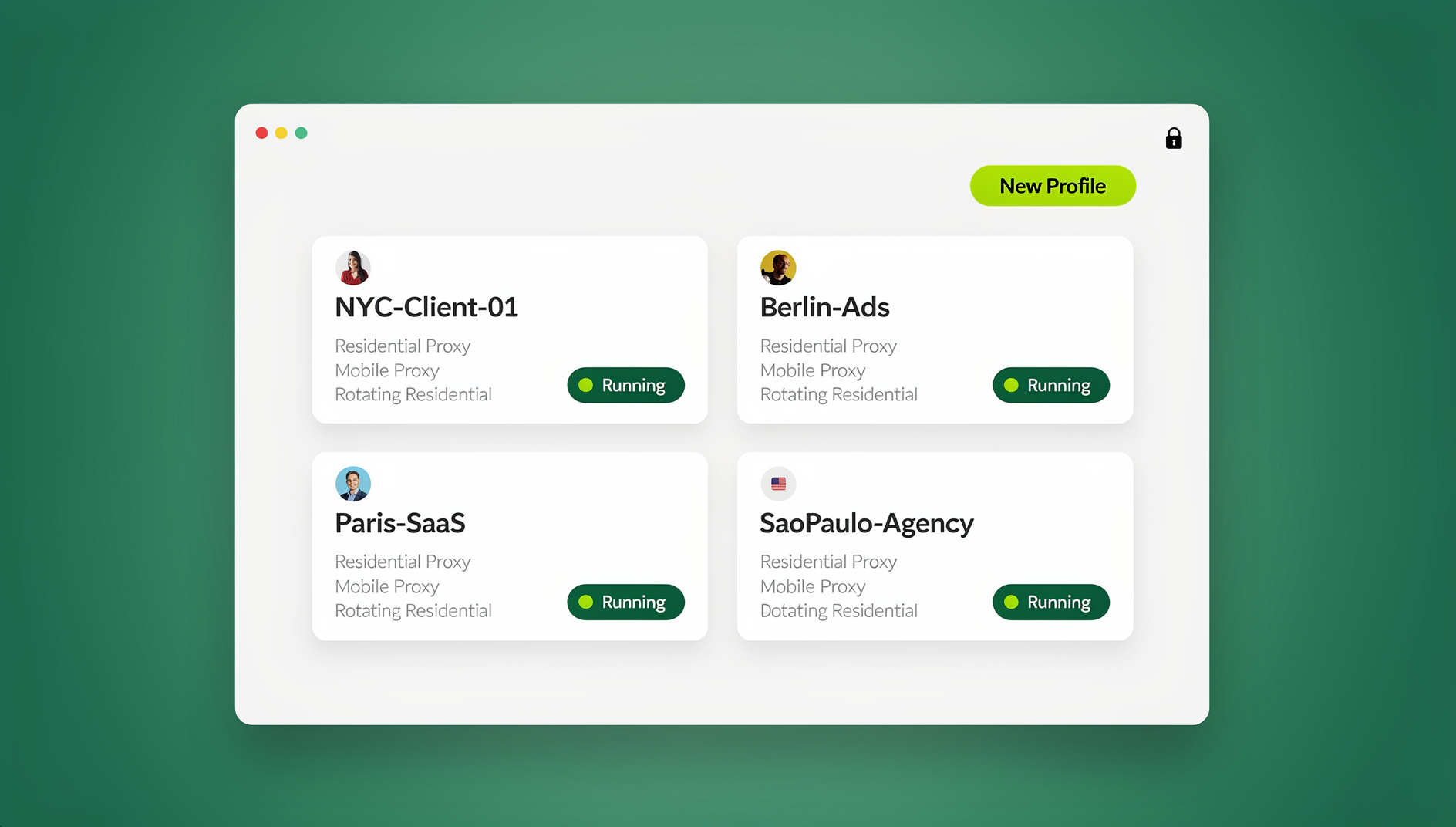
Send.win solves this problem by providing fully isolated browser profiles. Each admin can log into their distinct Relay credentials and manage different business portals simultaneously in isolated sandbox environments. Send.win is available as a native desktop client (the Sendwin Browser) and as cloud browser sessions (which require no local installation). This allows your team to access pre-authenticated sessions securely from any device. When auditing your financial stack, focus on relay multiple administrators account management as a key risk area. Using session sharing tools ensures that relay multiple administrators account management does not expose your master passwords. By sharing the active session instead of the password, you eliminate the risk of team members writing down passwords or sharing them in insecure Slack channels.
Using Send.win, you can share access to a specific Relay sub-account or your QuickBooks dashboard with an external bookkeeper without sharing the actual login credentials. This eliminates the risk of password sharing and allows you to revoke access instantly when their work is complete, keeping your financial infrastructure secure. The ability to manage multiple active sessions simultaneously ensures that your accounting team doesn’t lose time logging in and out of different client accounts throughout the day, improving operational efficiency.
🏆 Send.win Verdict
Setting up multiple administrators in Relay is crucial for scaling your business banking operations securely. To prevent session conflicts and maintain credential safety across your team, manage your administrative profiles using Send.win’s isolated browser sessions.
Try Send.win free today — Secure your team banking administration and share financial dashboards safely without exposing passwords.
Frequently Asked Questions
How many team members can I add to my Relay business account?
Relay does not impose a limit on the number of team members you can invite. You can add as many administrators, managers, and bookkeepers as your business operations require. However, for security purposes, you should limit Owner and Admin permissions to a small number of trusted founders or directors.
Does Relay charge any extra fees for adding multiple users?
No, Relay does not charge per-user fees. You can add unlimited team members on both the free Relay plan and the Relay Pro plan. The Pro plan costs $30 per month and includes advanced features like dual authorization and same-day ACH, but user seats remain completely free and unlimited.
Can I give my accountant temporary view-only access?
Yes, you can invite your accountant as a Bookkeeper, which grants them read-only access. You can restrict their visibility to specific checking accounts and statement downloads. When their work is complete, you can remove them from your Team settings, instantly revoking their access to your bank.
What happens to the transaction history when an admin is removed?
When you delete or deactivate an administrator’s profile in Relay, their transaction history and transfer logs are preserved. This is required for auditing and tax compliance. They will no longer be able to log in or initiate any transfers, but their past actions will remain fully visible in your audit trail.
Can multiple administrators log in to Relay simultaneously?
Yes. Because each team member has their own unique login credentials and authenticator settings, multiple administrators can log in and work in Relay at the same time without logging each other out. This is highly useful for teams with remote bookkeepers and active managers.
How does Send.win secure team access to Relay accounts?
Send.win secures access by utilizing isolated browser profiles. Each session stores cookies and login data separately in a secure sandbox, preventing cross-profile leaks. By utilizing session sharing, you can grant team members access to specific bank dashboards without ever exposing your primary login credentials.
Is dual authorization available on all Relay pricing plans?
No, dual authorization is a premium security feature that is only available on the Relay Pro plan, which costs $30 per month. The free Relay plan supports multiple administrators and role-based permissions but does not support rules requiring two users to approve a single outbound transaction.
How do I update the permission levels of an existing Relay administrator?
To update permissions, log in as an Owner or Admin, navigate to Settings, click the Team tab, and select the user you wish to modify. Click Edit, adjust their role or the list of sub-accounts they are allowed to access, and save the changes. The updates will take effect on their next login.