How to Manage Multiple Dropshipping Stores From One Computer
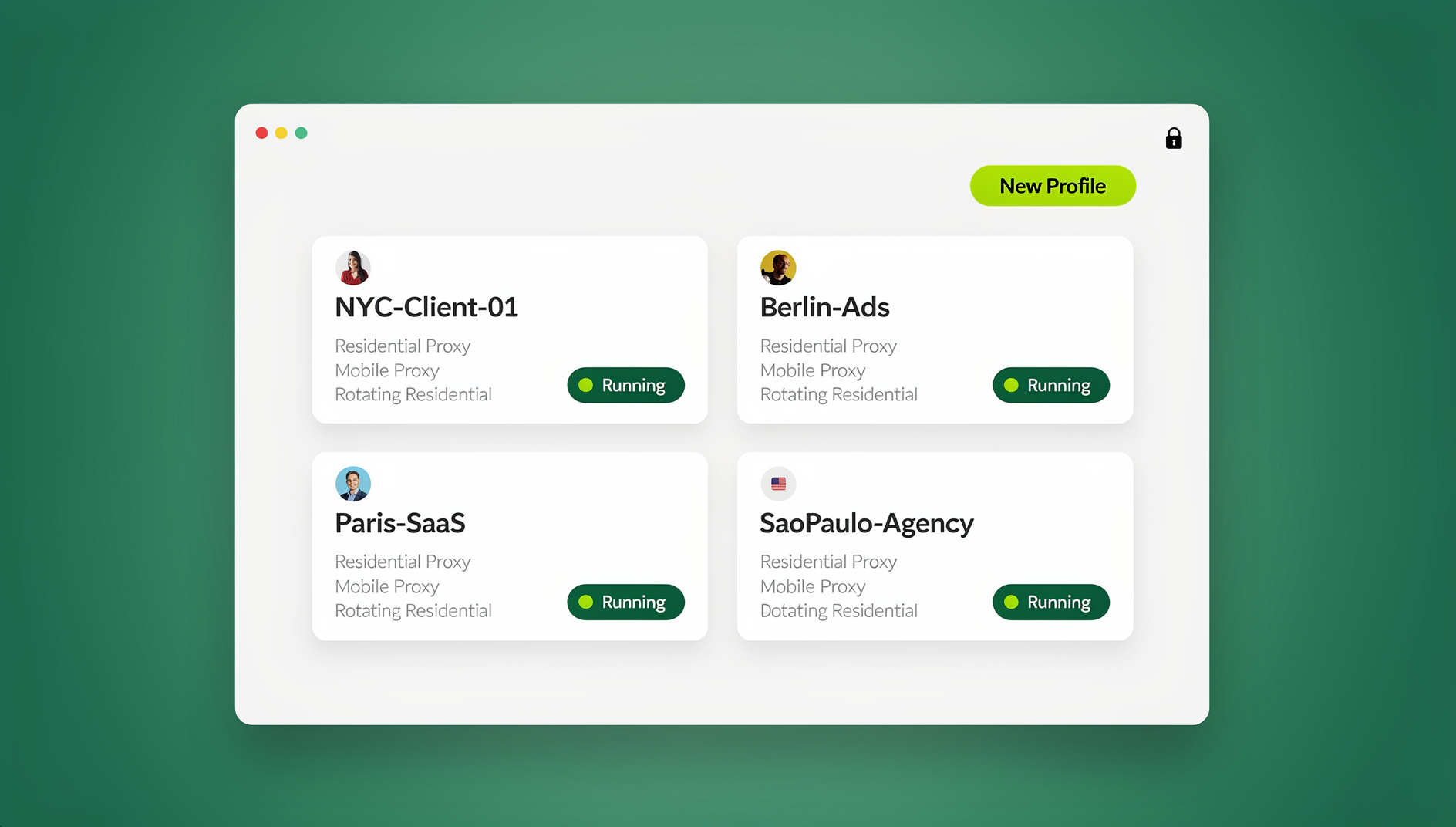
The secret to running a dropshipping multiple stores browser setup without platform bans is complete session isolation: one dedicated browser profile per store, each with its own fingerprint, cookies, IP address, and payment method. When Shopify, Amazon, or eBay can’t link your storefronts to each other, they have no reason to flag or suspend any of them. Sendwin Browser creates these isolated environments natively — assign a proxy, load the profile, and each platform sees a completely separate seller on a separate device.
Why Smart Dropshippers Run Multiple Stores
Running a single dropshipping store is leaving money on the table. Experienced sellers multiply their revenue by operating stores across different niches, platforms, and geographies. Here’s why:
- Niche segmentation — A general “everything” store converts poorly. Separate stores for pet supplies, home fitness, and phone accessories each build stronger brand trust and higher conversion rates.
- Platform diversification — If your Shopify store gets suspended, your eBay and Amazon stores keep generating revenue. Never put all your eggs in one basket.
- Geographic targeting — Running region-specific stores (US, UK, EU, AU) with localized pricing, shipping options, and language improves customer experience and SEO.
- A/B testing at scale — Test different branding, pricing strategies, and product selections across stores to find what converts best before scaling.
- Risk mitigation — Platform algorithm changes, policy updates, or sudden supplier issues affect one store — not your entire business.
A Day in the Life: Multi-Store Dropshipping Workflow
Here’s what a typical morning looks like for a dropshipper managing five stores across three platforms — with proper browser isolation in place.
7:00 AM — Check Orders Across All Stores
Open Sendwin Browser. Five profiles are pinned to the dashboard: “Shopify-PetNiche,” “Shopify-FitnessGear,” “Amazon-HomeDecor,” “eBay-TechAccessories,” and “WooCommerce-OutdoorStore.” Click each profile to launch it in its own isolated browser window. Each opens with its own fingerprint, proxy, and session — no cross-contamination between stores.
Check overnight orders in each dashboard. The Amazon store had 12 orders, Shopify-PetNiche had 8, eBay pulled in 6. Total: 26 orders to process before lunch.
8:30 AM — Process and Route Orders to Suppliers
Each store uses different suppliers. The pet niche store sources from CJ Dropshipping, fitness gear comes from Spocket, and the Amazon store uses AutoDS for automated order fulfillment. Log into each supplier portal — within the corresponding store’s browser profile. This keeps supplier sessions isolated too, so platforms can’t detect that the same person manages multiple seller accounts through shared supplier logins.
10:00 AM — Monitor Ad Campaigns
The Shopify stores run separate Facebook and Google Ads accounts. Open each ad manager within its respective store profile. The fitness store’s ROAS is 3.2x on a new TikTok campaign; scale that budget. The pet store’s Google Shopping ads need keyword adjustments. Critically, running ad accounts in isolated profiles prevents Facebook from linking multiple ad accounts to the same person — a common cause of ad account bans.
12:00 PM — Handle Customer Service
Respond to customer messages on each platform. The eBay store has a return request. The Amazon store needs an A-to-Z claim response. Handle each within its dedicated profile. Customer support platforms track agent device signatures, so isolation matters here too.
2:00 PM — Product Research and Listing
Research trending products and create new listings. Use separate research profiles to browse competitor stores, check AliExpress suppliers, and analyze Google Trends — all without mixing research cookies into your seller profiles.
The Risks: How Platforms Detect Multiple Stores
Every major e-commerce platform actively hunts for sellers operating multiple accounts. Here’s what they look for — and why most dropshippers get caught.
IP Address Correlation
Amazon, eBay, and Shopify all log your IP address with every login. When two seller accounts share the same IP history, automated systems flag both for review. This applies even if the logins happen hours apart. Your ISP assigns you the same IP for weeks or months — long enough for platforms to build a reliable fingerprint of your network location.
Browser Fingerprint Matching
Platforms collect more than 50 data points from your browser to create a unique identifier: canvas rendering, WebGL output, installed plugins, system fonts, screen dimensions, audio context, and hardware concurrency. Operating multiple seller accounts from the same browser — even in incognito mode — leaves an identical fingerprint trail. For a deeper understanding, read our guide on stealth eBay selling techniques.
Payment Method Linking
Using the same credit card, bank account, or PayPal on multiple seller accounts is the fastest way to get every account suspended simultaneously. Platforms cross-reference payment data aggressively. Even receiving payouts to the same bank account from multiple stores creates a traceable link.
Cookie and Session Cross-Contamination
Switching between seller accounts in the same browser leaves cookie residue. Amazon’s tracking pixels, Shopify’s analytics scripts, and eBay’s authentication tokens persist across sessions. When you log out of Store A and into Store B, fragments of Store A’s session remain visible to the platform’s detection systems.
Business Registration and Tax ID Overlap
Using the same business registration, EIN, or tax ID across multiple platform accounts creates an explicit link. Each store should ideally operate under its own registered entity — or at minimum, use separate seller identities where the platform’s terms allow.
The Setup: One Send.win Profile Per Store
Here’s how to structure your multi-store operation using Sendwin Browser’s isolated profiles — purpose-built for managing multiple accounts across platforms.
Step 1: Create Dedicated Profiles
Open the Sendwin Browser desktop app and create one profile for each store. Use a clear naming convention:
| Profile Name | Platform | Niche | Proxy Region |
|---|---|---|---|
| SHOP-PetSupplies-US | Shopify | Pet Products | US Residential |
| SHOP-FitnessGear-US | Shopify | Home Fitness | US Residential |
| AMZ-HomeDecor-US | Amazon | Home Décor | US Residential |
| EBAY-TechAcc-UK | eBay | Tech Accessories | UK Residential |
| WOO-Outdoor-AU | WooCommerce | Outdoor Gear | AU Residential |
Each profile automatically receives a unique browser fingerprint — different canvas hash, WebGL renderer, screen resolution, timezone, and font list. No two profiles look alike to platform detection systems.
Step 2: Assign Dedicated Proxies
In each profile’s settings, assign a residential proxy matching the store’s target region. Rules:
- One proxy per profile — never share proxies between store profiles
- Residential only — datacenter proxies are flagged by Amazon and eBay instantly
- Geographic match — a US-registered Amazon seller should connect from a US IP
- Sticky sessions — use static residential proxies, not rotating ones. Sellers log in from the same IP consistently
Send.win’s Pro plan includes 5GB of proxy bandwidth. For five active stores with daily management sessions, this comfortably covers a month of normal usage. The Team plan bumps this to 20GB for heavier operations.
Step 3: Isolate Payment Methods
Each store needs completely separate financial infrastructure:
- Unique bank account for payouts
- Separate credit/debit card for platform fees and ad spend
- Independent PayPal or Stripe account (if applicable)
- Distinct billing address
This isn’t just about avoiding detection — it’s also essential for clean bookkeeping and tax compliance when running multiple businesses. Learn more about using proxy browsers to maintain this level of separation.
Step 4: Set Up Supplier Profiles
Don’t access all your supplier accounts from the same browser profile. Create dedicated supplier profiles or access suppliers only from within the store profile that uses them:
- CJ Dropshipping → Access only from the SHOP-PetSupplies-US profile
- Spocket → Access only from the SHOP-FitnessGear-US profile
- AutoDS → Access only from the AMZ-HomeDecor-US profile
This prevents supplier platforms from correlating your accounts through shared login patterns.
Scaling: From Five Stores to Fifty
Once your multi-store foundation is solid, scaling becomes systematic.
Naming Conventions That Scale
Adopt a consistent naming format from day one:
[PLATFORM]-[Niche]-[Region]-[Number]
Examples: SHOP-Beauty-US-01, AMZ-Kitchen-DE-03, EBAY-Auto-UK-02
When you’re managing 20+ profiles, clear naming prevents costly mistakes like logging into the wrong store with the wrong proxy.
Order Routing Automation
At scale, manual order processing doesn’t work. Build automated order routing:
- Central order management — tools like ShipStation or Orderhive aggregate orders from all stores into one dashboard (access this from a separate “Operations” browser profile)
- Automated fulfillment — connect suppliers via API for hands-off order routing
- Tracking sync — push tracking numbers back to each platform automatically
Send.win’s browser profiles (available on both Pro and Team plans) let you keep each store’s cookies, storage, sessions and fingerprint separate — login, check orders, update inventory — all within isolated profiles.
Supplier Relationship Management
As you scale across stores and niches, your supplier relationships become critical:
- Diversify suppliers — never rely on a single supplier for more than 30% of your total order volume
- Negotiate terms — once you’re consistently ordering 100+ units per week from a supplier, negotiate bulk pricing and faster processing
- Quality control — order samples from each new supplier before listing products. One bad supplier can destroy a store’s reputation through reviews
- Backup suppliers — for every best-seller, have a secondary supplier ready. Supply chain disruptions don’t wait for you to find alternatives
Team Access Without Sharing Credentials
Growing operations need team members — VAs for customer service, ad managers for campaigns, product researchers for new listings. Send.win’s Team plan ($49/month, or $20.99/month annual) supports up to 16 seats. Assign team members specific profiles without sharing master account credentials. Each team member operates within their designated store profiles, maintaining both session isolation and operational security.
Platform-Specific Tips for Multi-Store Dropshippers
Shopify Multi-Store Strategy
Shopify is the most forgiving platform for multiple stores, since each store is a separate account by design. The risk comes from Shopify Payments — if you’re using Shopify’s built-in payment processor, all your stores are linked through your Stripe Connect account. Use independent payment gateways per store to avoid this linkage.
Amazon Multi-Account Management
Amazon is the strictest. Their Terms of Service explicitly prohibit multiple seller accounts without prior approval. If you need multiple Amazon accounts, apply for approval through Seller Support with a documented business justification. Even with approval, operate each account from a completely isolated environment — Amazon’s detection is aggressive and automated.
eBay Stealth Selling
eBay’s detection sits between Shopify’s leniency and Amazon’s strictness. Key eBay-specific precautions:
- Don’t list identical products across multiple eBay accounts
- Use different product photos and descriptions per account
- Vary your listing schedules — don’t bulk-list at the same time across accounts
- Each account needs a unique registered address and phone number
How Send.win Helps With Dropshipping Multiple Stores Browser
Send.win is a browser profile manager built for exactly this kind of work — every profile is a clean, isolated identity:
- Isolated profiles – unique fingerprint, separate cookies and storage per profile
- Fingerprint settings – canvas, WebGL, fonts, and audio configured per profile
- Desktop app + cloud sessions – native app for Windows, macOS, and Linux, or run profiles in the cloud with no install
- Built-in residential proxies – with automatic timezone, locale, and WebRTC matching
- Team features – share logged-in profiles with teammates without sharing passwords
Try the instant cloud browser demo — no install, no signup — or download the desktop app. There is no free trial; paid plans start at $19/month, and the first card purchase is covered by a 7-day money-back guarantee (see pricing).
WooCommerce Self-Hosted Advantage
WooCommerce stores are self-hosted, so there’s no central platform to detect multiple stores. Your main risk is at the payment processor level (Stripe, PayPal) and with shared analytics accounts. Use separate payment processing and isolated browser profiles for each WooCommerce admin panel.
Cost Analysis: Multi-Store Isolation Setup
| Expense | Monthly Cost | Notes |
|---|---|---|
| Send.win Pro Plan | $6.99/mo (annual) | 150 profiles, 5GB proxy bandwidth |
| Residential Proxies (5 stores) | $25-50/mo | ~$5-10 per static residential proxy |
| Separate Phone Numbers (5) | $5-15/mo | VoIP services like Google Voice or TextNow |
| Additional Bank Accounts | $0 | Most banks offer free business checking |
| Total Infrastructure | $37-72/mo | The cost of protecting five income streams |
Compare that to losing even one store pulling $2,000/month in revenue. The isolation infrastructure pays for itself the first time it prevents a ban.
🏆 Send.win Verdict
Multi-store dropshipping is a proven scaling strategy — but only if you can keep your stores completely separated. Sendwin Browser was built for exactly this: each profile runs as a fully isolated browser environment with its own fingerprint, cookies, proxy, and session data. Platforms see five different sellers on five different devices. With 150 profiles on the Pro plan ($6.99/month annual) or 500 on the Team plan ($20.99/month with 16 team seats), you can scale from a handful of stores to a full operation without worrying about cross-contamination or linked account bans.
Try Send.win today — plans start at $19/mo, and your first card purchase is covered by a 7-day money-back guarantee. Launch your multi-store setup with separate cookies, storage and fingerprints per profile from day one.
Frequently Asked Questions
Can I run multiple Shopify stores from the same computer?
Yes, but not from the same browser session. Shopify, along with its payment processors and ad platforms, tracks browser fingerprints and IP addresses. Running all your Shopify stores from one regular browser lets Shopify Payments (powered by Stripe) link your accounts. Use a separate isolated browser profile with a unique proxy for each store to prevent detection.
How many dropshipping stores can I realistically manage?
Most solo operators can effectively manage 3-5 stores. Beyond that, you need team members handling customer service, fulfillment, and ad management for each store. With Send.win’s Team plan (16 seats), you can assign VAs to specific store profiles. Experienced operators with full teams run 15-20+ stores, but each additional store requires proportional operational capacity.
Will Amazon ban me for running multiple seller accounts?
Amazon’s Terms of Service prohibit multiple seller accounts without prior approval. However, many sellers successfully run multiple accounts under different business entities. If you need multiple Amazon accounts, apply for permission through Seller Support first. Regardless of approval status, always operate each account from a completely isolated browser environment — Amazon’s detection systems are the most sophisticated in e-commerce.
Do I need different product niches for each store?
It depends on the platform. On eBay, listing identical products across multiple accounts is a red flag that triggers immediate review. On Shopify, since each store is independent, niche overlap is less risky but strategically wasteful — you’re competing against yourself. The best practice is unique niches or at least unique product selections per store.
Is incognito mode enough to separate my store accounts?
No. Incognito mode clears cookies when you close the window but doesn’t change your browser fingerprint. Your canvas hash, WebGL data, screen resolution, timezone, and installed fonts remain identical across regular and incognito sessions. Platforms can still link accounts through fingerprint matching. You need full browser profile isolation with unique fingerprints per store.
How do I handle taxes for multiple dropshipping stores?
Each store should maintain separate bookkeeping. Use dedicated bank accounts for each store’s income and expenses. For tax filing, consult an e-commerce accountant — the structure depends on whether stores operate under one LLC, separate LLCs, or a parent holding company with subsidiaries. Tools like QuickBooks or Xero can manage multi-entity accounting.
Can platforms detect that multiple stores ship from the same supplier?
Yes, especially Amazon. If multiple seller accounts consistently ship from the same warehouse address or use the same shipping labels, Amazon’s systems flag the connection. Mitigate this by using different suppliers per store where possible, or by working with suppliers who can ship under different names and from different warehouse locations.
What happens if one of my stores gets suspended?
With proper isolation, a suspension on one store should not affect your other stores. The entire point of using isolated browser profiles, unique IPs, and separate payment methods is creating a firewall between stores. However, if the stores are already linked in the platform’s database (from before you set up isolation), suspending one can cascade to others. Set up isolation before you have problems, not after.