Productivity Chrome extensions are still one of the fastest ways to claw back hours in your week — no new app to learn, no workflow to rebuild, just a small tool bolted onto the browser you already live in. Back in 2022 we published a quick list of five favorites. A lot has changed since then: some of those extensions have been discontinued, others have added paid tiers, and the tools people actually rely on for tab chaos, distraction, and multi-account logins have shifted. This is a full 2026 update — the same five originals, re-reviewed, plus the extensions and browser tools that have earned a spot on that list since.
Whether you’re drowning in fifty open tabs, losing an hour a day to social media, or juggling a dozen client logins in the same browser, there’s a tool below built specifically for that problem.
What Actually Makes a Chrome Extension “Productive”?
Not every extension with “productivity” in its Chrome Web Store description earns the label. Before we get into the list, it’s worth being specific about what separates a genuinely useful extension from one that just adds another icon to your toolbar:
- It removes friction, not adds it. A good extension should save clicks and context-switches, not require you to learn a new interface just to save five minutes.
- It solves one problem well. The best tools on this list — tab overload, distraction, writing quality, read-later, multi-account logins — are each laser-focused on a single pain point.
- It respects your system resources. Chrome is already a memory hog. An extension that makes that worse defeats its own purpose.
- It respects your privacy. Extensions request browser permissions that range from harmless to invasive. The tools below are chosen partly because their permission footprint matches what they actually need to do.
With that filter applied, here’s the current list.
The Best Productivity Chrome Extensions to Install Right Now (2026)
1. OneTab — Tame Tab Overload
If your Chrome window has more tabs open than you can read the titles of, OneTab is still the single best fix. One click on the toolbar icon converts every open tab into a clean, scrollable list. You get your screen real estate — and typically up to 95% of the memory Chrome was using — back instantly, and you can restore any tab individually or all at once whenever you actually need it again.
It’s free, it’s lightweight, and it does exactly one thing without trying to become a full tab-management suite. If OneTab’s minimalism isn’t quite enough for you — say you want shareable tab groups or cloud sync across devices — it’s worth comparing a few OneTab alternatives before you commit to one tool long-term.
2. Send.win — Run Multiple Accounts Without Extra Browsers
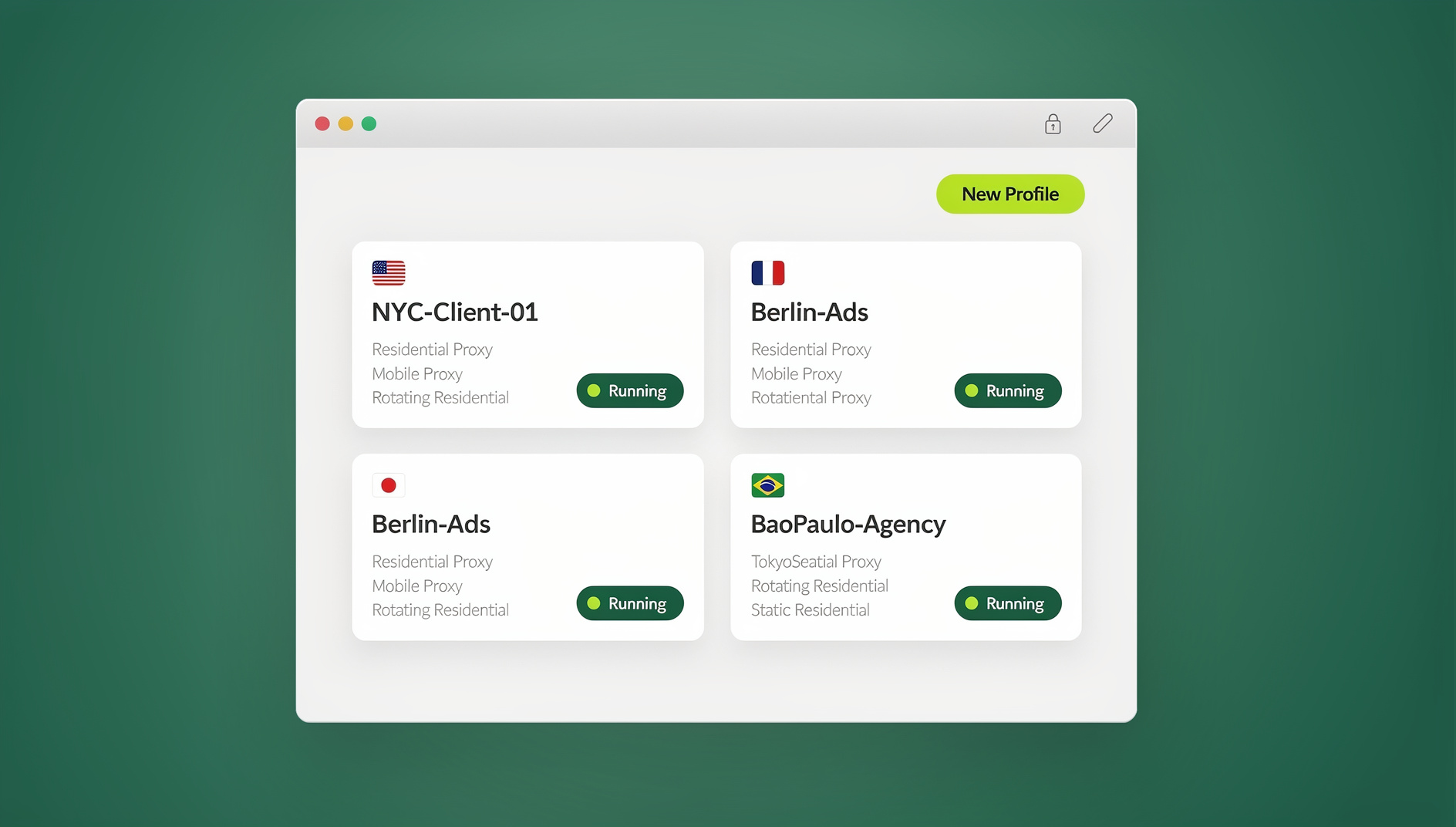
Send.win solves a problem that hasn’t gone away: juggling multiple accounts on the same site without constantly logging in and out, and without those “separate” logins sharing one browser identity. It’s a full browser profile manager, purpose-built for that problem — a dedicated environment for running many isolated profiles at once, each with its own cookies, storage, sessions and fingerprint settings, not a small utility bolted onto a browser you already have.
Instead of opening incognito windows or separate browser profiles (which still share the same underlying browser fingerprint and can get flagged as related accounts), Send.win creates fully isolated browser profiles, each with its own unique fingerprint, cookies, local storage, and — if you need it — its own dedicated proxy. That’s genuine multi-login browser isolation rather than a cosmetic tab trick, which matters if you’re managing client social accounts, running parallel ad accounts, or handling several e-commerce storefronts from one machine.
For day-to-day productivity, the parts worth knowing about are:
- Unlimited isolated profiles — open as many separate, fingerprint-distinct sessions as your plan allows, side by side.
- Built-in proxy support — attach residential or datacenter proxies per profile without configuring anything outside the app.
- Team sharing — hand a teammate access to a session without ever sharing the underlying password.
- A native Desktop app for Windows, macOS, and Linux, so profiles run as real, isolated browser instances rather than browser-tab tricks.
Send.win has no free trial, but paid plans start at $19/month (Pro) and $49/month (Team), and your first card purchase is covered by a 7-day money-back guarantee. You can also preview it for free with the cloud demo at https://send.win/demo-browser/.
3. Grammarly — Your Always-On Proofreader
Grammarly remains the standard for in-browser writing help, and for good reason. It checks spelling, grammar, clarity, tone, and style in real time across almost any text field on the web — Gmail, Slack in the browser, Google Docs, LinkedIn posts, Notion. Once enabled, it just runs quietly in the background and flags issues as you type, so you’re not context-switching to a separate proofreading tool before you hit send.
The free tier covers the basics (spelling, grammar, punctuation) and is genuinely useful on its own. The paid tier adds clarity and tone rewrites, plagiarism checking, and more advanced style suggestions — worth it if you write professionally on a daily basis, less essential if you’re just trying to avoid typos in Slack messages.
4. Save to Pocket — Read It Later, Actually Later
Pocket solves a very specific productivity leak: the article, thread, or long read you open mid-task, skim for ten seconds, and then either abandon your current work to finish reading or lose entirely in a sea of tabs. One click saves the page to a clean, ad-free reading list you can come back to on any device, including offline.
The habit this builds is more valuable than the tool itself — instead of letting “interesting but not urgent” content derail your focus in the moment, you park it and get back to what you were doing. Pocket also strips most of the page clutter (ads, sidebars, autoplay video) so when you do return to an article, it’s actually pleasant to read.
5. StayFocusd — Block the Sites That Are Blocking You
StayFocusd is the blunt instrument on this list, and sometimes that’s exactly what’s needed. You set a daily time allowance for specific sites — social media, news, whatever your personal time sink is — and once that allowance is used up, StayFocusd blocks access to those sites for the rest of the day. No snooze button, no “just five more minutes” option unless you deliberately configure one.
It’s aggressive by design, which is the point: willpower is unreliable, but a hard technical block isn’t. If StayFocusd feels too strict for your workflow, there’s a broader ecosystem of distraction-blocking sites and tools with gentler nudge-based approaches worth exploring.
6. Todoist for Chrome — Capture Tasks Without Leaving the Page
Todoist’s browser extension lets you turn any webpage, email, or piece of selected text into a task with a couple of clicks, complete with due date, priority, and project assignment — without switching to a separate app and losing your place. For anyone managing a task list alongside heavy browser-based work (email, research, client tickets), that shaved-off context switch adds up fast over a week.
7. Momentum — A New Tab That Actually Helps
Momentum replaces Chrome’s default new-tab page with a minimal dashboard: a daily focus prompt, your to-do list, the weather, and a calming photo instead of a blank page or a grid of most-visited sites. It sounds small, but because you see a new tab dozens of times a day, nudging that moment toward “what’s my one priority today” instead of “what should I browse” is a surprisingly effective habit loop.
Comparison Table: Productivity Chrome Extensions at a Glance
| Extension / Tool | Core Problem Solved | Best For | Price |
|---|---|---|---|
| OneTab | Tab overload, memory usage | Anyone with 20+ tabs open at once | Free |
| Send.win | Multi-account logins, fingerprint isolation | Marketers, agencies, e-commerce sellers, teams | No free trial; Pro $19/mo, Team $49/mo; 7-day money-back guarantee |
| Grammarly | Writing quality and typos | Anyone who writes emails, posts, or docs in-browser | Free tier; paid plans available |
| Save to Pocket | Reading distractions mid-task | Heavy readers/researchers | Free tier; paid plans available |
| StayFocusd | Time-wasting sites | Anyone who needs a hard focus block | Free |
| Todoist for Chrome | Task capture from the browser | Task/project-list users | Free tier; paid plans available |
| Momentum | New-tab distraction, daily focus | Anyone who wants a calmer default tab | Free tier; paid plans available |
How to Install and Set Up These Extensions (Step-by-Step)
Installing any Chrome extension follows the same basic process. Here’s the general workflow, plus a couple of setup steps worth doing regardless of which extension you pick:
- Open the Chrome Web Store and search for the extension by name (or follow the direct link from the extension’s official site).
- Click “Add to Chrome” and review the permissions it’s requesting — a tab manager asking for “read and change all your data on all websites” is normal; a note-taking extension asking for the same thing is worth a second look.
- Pin the extension to your toolbar (click the puzzle-piece icon in Chrome’s top-right corner, then the pin icon next to the extension) so it’s one click away instead of buried in a menu.
- Configure the essentials first. For StayFocusd, set your blocked-site list and daily allowance. For Grammarly, sign in so your writing style settings sync. For Save to Pocket, install the companion mobile app if you want cross-device reading.
- For Send.win specifically, download the native Desktop app for your operating system (Windows, macOS, or Linux) from send.win and create your first isolated browser profile.
- Review your installed extensions periodically. Go to
chrome://extensionsevery few months and remove anything you’re no longer actively using — unused extensions are pure attack surface with zero upside.
Chrome Extensions vs. a Dedicated Multi-Login Browser: When You Need More Than an Extension
Most of the tools on this list solve a single-browser, single-identity problem: too many tabs, too many distractions, sloppy writing. Multi-account management is different in kind, not just degree — and it’s worth understanding why a browser extension alone often isn’t enough.
A Chrome extension runs inside one browser instance with one underlying fingerprint (canvas rendering, WebGL signature, installed fonts, screen resolution, and dozens of other signals). Switching accounts in different tabs, or even different browser profiles, still leaves those fingerprint signals identical across “separate” sessions. Sites that actively monitor for multi-accounting — social platforms, marketplaces, ad networks — can and do connect the dots.
Extensions used for managing multiple login sessions in Chrome are genuinely useful for casual, low-risk account switching (a couple of personal email accounts, for instance), but they weren’t built to survive real fingerprint scrutiny.
That’s the gap a dedicated browser profile manager like Send.win fills. Instead of tab tricks, each profile is a genuinely separate browser environment with its own fingerprint, cookies, and optional dedicated proxy — so accounts stay organised as separate environments. The native Desktop app makes each of those profiles a real standalone browser window rather than a Chrome tab masquerading as one — a meaningful difference once you’re managing more than a handful of accounts.
The practical rule of thumb: if you’re switching between two or three low-stakes accounts, a browser extension is fine. If you’re running client accounts, parallel ad campaigns, multiple storefronts, or anything where getting flagged as “the same person” carries real cost, it’s worth moving to a purpose-built tool.
Security and Privacy Best Practices for Productivity Extensions
A few habits worth keeping regardless of which extensions you install:
- Only install from the official Chrome Web Store. Sideloaded extensions bypass Google’s review process entirely.
- Read the permissions before you click “Add.” If an extension’s requested access doesn’t match what it claims to do, skip it.
- Check the developer and review history. A well-known name with years of reviews is a very different risk profile than a two-week-old listing with five reviews.
- Keep extensions updated. Chrome updates most extensions automatically, but it’s worth confirming auto-update is on in
chrome://extensions. - Audit your list quarterly. Every extension is a standing grant of access to your browsing data — remove anything you haven’t used in the last few months.
- Separate identities properly when it matters. For anything beyond casual browsing — business accounts, client work, multiple storefronts — use dedicated profile isolation rather than relying on Chrome’s built-in profile switching alone.
🏆 Send.win Verdict
OneTab, Grammarly, Save to Pocket, and StayFocusd each solve a real single-browser productivity problem, and they belong in most people’s extension list. But the moment “productivity” means managing multiple accounts, client logins, or ad profiles side by side, a browser extension stops being enough — you need genuine fingerprint isolation, not just a tab trick. That’s the gap Send.win is built for, with unique per-profile fingerprints, built-in proxies, team session sharing, and a native Desktop app.
Try Send.win today — paid plans start at $19/month with a 7-day money-back guarantee on your first card purchase, and you can preview it free with the cloud demo at https://send.win/demo-browser/.
Frequently Asked Questions
What is the single best Chrome extension for productivity in 2026?
There isn’t one universal answer — it depends on your bottleneck. If tab overload is your problem, OneTab is the clear pick. If it’s writing quality, Grammarly. If it’s distraction, StayFocusd. If it’s managing multiple accounts safely, Send.win. Most people benefit from combining two or three rather than relying on a single tool.
Are productivity Chrome extensions safe to install?
Extensions from the official Chrome Web Store with a long review history and a well-known developer are generally safe. The risk comes from over-permissioned or obscure extensions — always check what access an extension requests before installing, and remove anything you no longer actively use.
Will installing several extensions slow down my browser?
It can, especially if extensions inject scripts into every page you visit. The extensions on this list are chosen partly for being lightweight, and tools like OneTab actively reduce memory usage rather than adding to it. As a rule, more extensions running background scripts means more RAM used — periodically auditing and removing unused ones keeps Chrome responsive.
What’s the difference between a Chrome extension and Send.win?
A Chrome extension runs inside your existing browser and shares its underlying fingerprint across every tab and profile. Send.win is a full browser profile manager — each profile you create is a genuinely isolated browser environment with its own fingerprint, cookies, and optional proxy, available both through the web dashboard and a native Desktop app for Windows, macOS, and Linux.
Can I manage multiple social media or email accounts without a special tool?
Yes, to a point — Chrome’s built-in profiles or an incognito window can separate cookies for casual use. But the underlying browser fingerprint stays the same across those “separate” sessions, which is why platforms that actively watch for multi-accounting can still link them. For anything beyond casual personal use, a dedicated multi-login browser provides real separation.
Does Send.win work on Mac and Linux, or just Windows?
Send.win has a native Desktop app for Windows, macOS, and Linux, so isolated browser profiles run as real standalone applications on whichever operating system you use, not just through a web interface.
What is Send.win and who needs it?
How much does Send.win cost?
Send.win has no free trial, but paid plans start at $19/month (Pro) and $49/month (Team), and your first card purchase is covered by a 7-day money-back guarantee. Annual billing brings the price down further on both tiers.