Work from home chrome extensions have quietly become as important to remote professionals as a fast internet connection or a decent webcam. Back when this guide first went live, “working from home” mostly meant Zoom calls and a to-do list. In 2026, it means juggling client dashboards, three social accounts, a shared team workspace, a personal Gmail, and a browser tab count that would make your laptop fans cry. The right set of Chrome extensions doesn’t just save you a few clicks — it decides whether your day feels organized or chaotic.
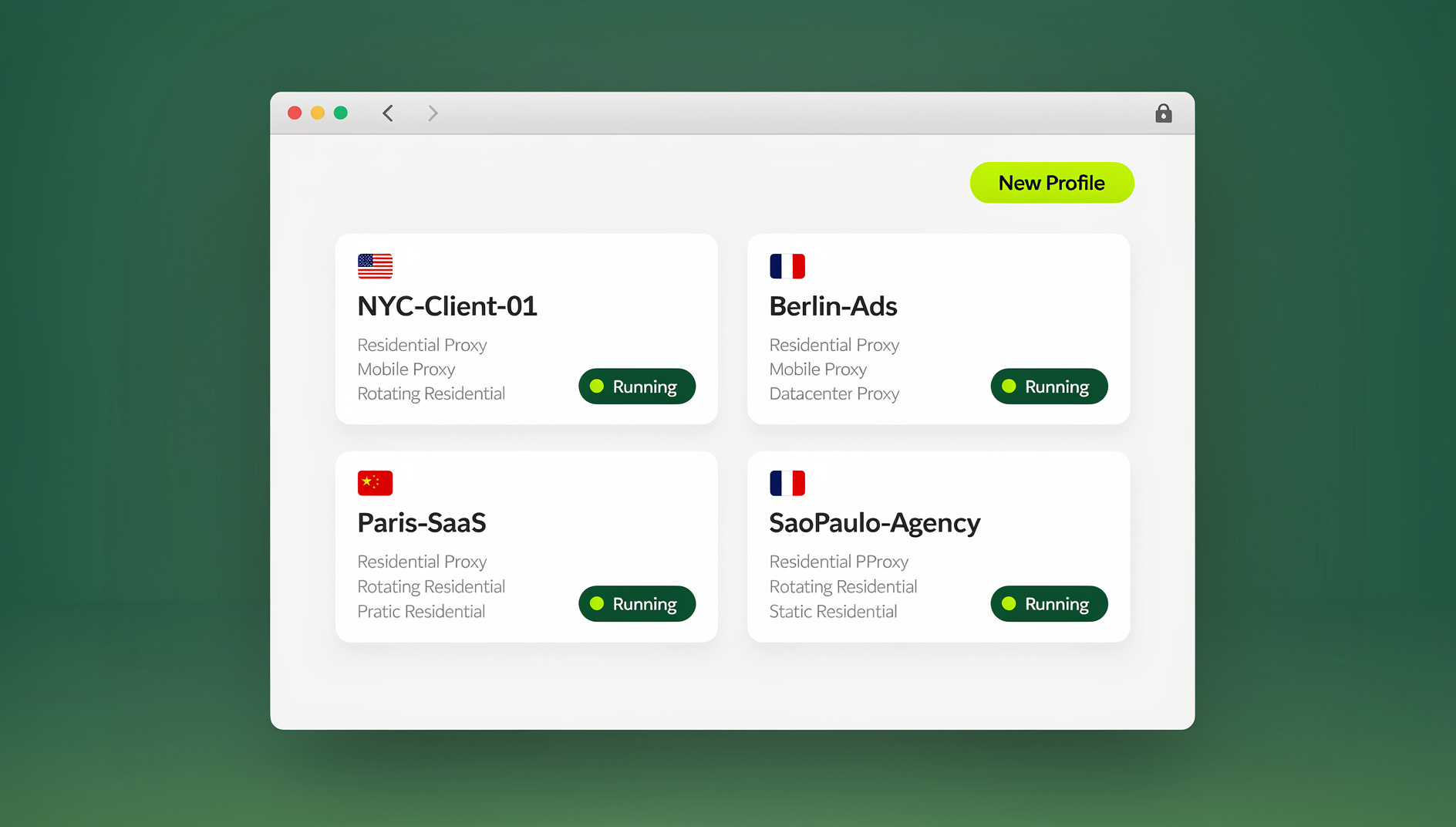
This guide has been fully updated for 2026. We kept the extensions that still hold up, retired the ones that have gone stale, added a couple of newer staples (hello, async video), and — because so many remote workers now juggle multiple logins for clients, teams, and personal accounts in the same browser — we dig into the one problem extensions alone can’t fix: keeping all those accounts secure and separate.
Why Your Browser Is the Most Important WFH Tool You Own
If you work remotely, your browser isn’t just where you check email. It’s your meeting room, your file cabinet, your time clock, and increasingly your only interface with half a dozen different companies’ tools. A 2025 remote-work survey found the average knowledge worker has 9-11 browser tabs open at any given moment and switches between 4+ logged-in accounts (work email, personal email, at least one client portal, and one or more social/collaboration tools) throughout a typical day.
That’s exactly why Chrome extensions matter so much for work-from-home professionals: they turn a generic browser into a purpose-built productivity cockpit. But it’s also why a browser that isn’t built for multiple identities can quietly become your biggest security and organization headache — more on that below.
What Makes a Chrome Extension Actually Worth Installing in 2026
Not every extension that shows up in a “best of” list deserves a permanent spot in your toolbar. Before adding anything to this list, we filtered for:
- Genuine time savings — it should remove a repetitive manual step, not just look nice
- Active maintenance — still updated and compatible with current Chrome (Manifest V3)
- A real free tier — you shouldn’t need a credit card to try it
- Low resource usage — it shouldn’t be the reason your laptop fan spins up
- Privacy-respecting permissions — it only asks for the access it actually needs
Quick Comparison: The 10 Best Work-From-Home Chrome Extensions at a Glance
| Extension | Best For | Free Tier | Category |
|---|---|---|---|
| Zoom Scheduler | Booking meetings from Calendar | Yes | Meetings |
| Grammarly | Writing & proofreading | Yes | Writing |
| Clockify | Time tracking | Yes (unlimited) | Time Management |
| Google Keep | Quick notes & lists | Yes | Notes |
| Momentum | New-tab dashboard & focus | Yes | Focus |
| StayFocusd | Blocking distracting sites | Yes | Focus |
| Google Docs Offline | Editing docs without Wi-Fi | Yes | Documents |
| Loom | Async video updates | Yes (limited) | Communication |
| OneTab | Tab overload & memory | Yes | Browser Management |
| Send.win | Managing multiple accounts safely | No free tier; paid plans from $19/mo | Multi-Login / Security |
The 10 Best Work-From-Home Chrome Extensions in 2026
Here’s the full breakdown — what each tool does, why remote professionals rely on it, and how to get started.
1. Zoom Scheduler for Chrome
The Zoom Scheduler extension lets you book, start, or schedule a Zoom meeting directly from Google Calendar without opening the Zoom desktop app first. Once installed, a Zoom icon appears right inside your calendar event window.
- Schedule instant or future meetings in two clicks
- Meeting links auto-populate the calendar invite
- Works alongside the Zoom desktop client and mobile app
Why remote workers love it: it removes the “open Zoom, create meeting, copy link, paste into invite” dance entirely — a small thing that adds up across a week of back-to-back calls.
2. Grammarly
Grammarly rides along in nearly every text field you touch — Slack, Gmail, Google Docs, client portals — and checks grammar, tone, and clarity in real time.
- Catches typos and grammar issues as you type
- Tone detection so a message doesn’t read as curt or unclear
- Works across almost every website with a text box
Why remote workers love it: when your writing is your primary way of appearing “present” to a distributed team, a second pair of eyes on every message matters.
3. Clockify
Clockify is a free time-tracking extension that starts a timer with a single click and tags time against projects and tasks automatically.
- Organize entries by client, project, or task
- Export reports as PDF or CSV for invoicing
- Unlimited tracking, even on the free plan
Why remote workers love it: for freelancers and contractors billing by the hour, this is the difference between guessing your hours and proving them.
4. Google Keep
Google Keep is a lightweight, color-coded notes and checklist tool that syncs instantly across every device you’re signed into.
- Voice notes with automatic transcription
- Color and label-based organization
- Save entire web pages or screenshots straight to a note
Why remote workers love it: when you’re bouncing between meetings, having a “brain dump” tool that’s always one click away in the toolbar keeps small tasks from slipping through the cracks.
5. Momentum
Momentum replaces Chrome’s blank new-tab page with a personal dashboard: a daily focus prompt, a to-do list, the weather, and a calming photo.
- One “main focus” question keeps your top priority visible all day
- Built-in to-do list and quick links
- A genuinely nicer visual reset every time you open a tab
Why remote workers love it: without a commute or office cues to mark the start of a workday, Momentum’s daily prompt is a small but effective ritual for getting into focus mode.
6. StayFocusd
StayFocusd limits how much time you can spend on distracting sites each day, then blocks them entirely once your allotment runs out.
- Set a daily time budget for specific sites
- “Nuclear option” to block sites completely during set hours
- Highly customizable block/allow lists
Why remote workers love it: working from home removes the social pressure of a coworker walking past your screen — StayFocusd puts a bit of that friction back.
7. Google Docs Offline
This extension lets you view and edit Google Docs, Sheets, and Slides without an internet connection, then syncs everything automatically once you’re back online.
- No functionality lost when Wi-Fi drops mid-flight or during an outage
- Automatic, conflict-free sync on reconnect
- Zero setup beyond installing and enabling it once
Why remote workers love it: remote work often means working from cafes, trains, or co-working spaces with unreliable connections — this is cheap insurance against losing an afternoon of writing.
8. Loom
Loom records your screen, camera, or both and instantly generates a shareable link — no file uploads, no waiting for a render.
- Async video updates replace half your “quick sync” meetings
- Automatic transcripts and AI-generated summaries
- Viewer reactions and timestamped comments
Why remote workers love it: distributed teams across time zones can’t always meet live. A two-minute Loom explaining a bug or a design decision often replaces a 30-minute call nobody had time for.
9. OneTab
OneTab collapses every open tab into a single, scrollable list with one click, then lets you restore them individually or all at once.
- Frees up to 95% of the memory those tabs were using
- Shareable tab lists (handy for sending a client a set of reference links)
- One-click “restore all” when you’re ready to pick back up
Why remote workers love it: when you’re deep in research mode with 30+ tabs open, OneTab is the fastest way to reclaim your laptop’s memory (and your sanity) without losing anything.
10. Send.win
Send.win is a multi-login browser built for exactly the problem this list keeps circling back to: remote workers don’t use one account anymore, they use many — a personal Gmail, a work Google Workspace login, one or more client portals, shared ad accounts, and team social profiles — often for the same platform, in the same day.
- Open dozens of isolated browser profiles, each with its own cookies, cache, and a unique digital fingerprint, so sites can’t link your accounts together
- Built-in residential, datacenter, and mobile proxy support with geo/timezone matching per profile
- Share a session with a teammate or virtual assistant without ever handing over the actual password
- A native Desktop app for Windows, macOS, and Linux, so your profiles run locally with full browser performance
Why remote workers love it: the other nine tools on this list make one browser tab more efficient. Send.win solves the layer underneath — making sure the dozen accounts you juggle every day stay separate, secure, and don’t get your client’s ad account flagged because it shared a fingerprint with your personal profile.
How to Build Your 2026 Work-From-Home Browser Stack
Installing ten extensions at once is a great way to end up with a cluttered toolbar you never actually use. Here’s a sensible rollout order:
- Start with communication basics. Install Zoom Scheduler and Grammarly first — they touch nearly every interaction you have with colleagues and clients.
- Add a time and focus layer. Clockify for tracking hours, Momentum and StayFocusd for keeping your attention where it belongs.
- Cover the gaps. Google Keep for notes, Google Docs Offline for connectivity insurance, OneTab for tab sprawl, and Loom for async updates.
- Solve the account problem before it solves you. If you manage more than one login for the same platform — client accounts, team profiles, or multiple social channels — set up Send.win before you scale further, not after you’ve already been flagged or locked out somewhere.
- Audit quarterly. Remove extensions you haven’t opened in 30 days. Fewer, well-used tools beat a toolbar full of icons you forgot existed.
The Hidden Risk: Why “Just Add Another Extension” Isn’t Enough for Multi-Account Remote Work
Most productivity extensions operate inside a single browser identity. That’s fine until your job requires more than one identity at the same time — managing a client’s ad account alongside your own, running a team’s social profiles from your personal laptop, or QA-testing a product logged in as three different user roles. Standard Chrome profiles and incognito windows weren’t built for this; they still share enough underlying signals (fonts, canvas rendering, WebRTC data, timezone) that platforms can quietly connect accounts that were supposed to stay separate.
This is where a proper multi-login browser earns its place in a WFH toolkit right alongside your extensions. Rather than trusting cookie-clearing or private windows, each profile gets its own isolated environment with a consistent, unique fingerprint — the same principle behind enterprise-grade browser isolation, just packaged for individual remote workers and small teams instead of security departments.
It also solves a very common remote-team headache: handing a virtual assistant or contractor access to a shared account. Instead of texting over a password (and hoping it gets deleted from their notes app), you can share accounts without passwords, granting and revoking access with a click when the engagement ends. For teams that want the extension-based tips in this guide plus a browser that’s actually built for the account-juggling reality of 2026 remote work, it’s worth reading our broader roundup of chrome extensions for productivity as a companion piece to this list.
Extensions vs. a Purpose-Built Multi-Login Browser: What’s the Difference?
| Need | Regular Chrome + Extensions | Send.win |
|---|---|---|
| Managing 1 account per site | Works fine | Overkill, but still works |
| Managing 5+ accounts on the same platform | Risky — shared fingerprint can trigger flags | Built for this — isolated fingerprint per profile |
| Sharing access with a VA or teammate | Requires sharing the actual password | Share the session, never the password |
| Running automated scripts across accounts | Not supported natively | No automation interface (no API, SDK, headless or Selenium/Puppeteer/Playwright support) |
| Working across devices/OS | Browser-dependent | Native Desktop app for Windows, macOS, Linux |
| Matching a client’s proxy/timezone location | Manual VPN juggling | Built-in proxy + geo-matching per profile |
🏆 Send.win Verdict
The nine extensions above will genuinely make your work-from-home day smoother — but none of them solve the account-juggling problem that comes with modern remote work. If your job means logging into more than one account on the same platform, sharing access with teammates, or running repetitive tasks across client profiles, Send.win is the missing layer: isolated fingerprints per profile, built-in proxies, password-free session sharing, and a native Desktop app.
Try Send.win today — paid plans start at $19/mo, the first card purchase is covered by a 7-day money-back guarantee, and you can preview it free in the cloud demo at send.win/demo-browser to see how much lighter your browser feels with every account in its own clean profile.
Frequently Asked Questions
What are the best Chrome extensions for working from home in 2026?
The strongest all-round set is Zoom Scheduler, Grammarly, Clockify, Google Keep, Momentum, StayFocusd, Google Docs Offline, Loom, and OneTab for day-to-day productivity, plus Send.win if you manage more than one login on the same platform.
Do Chrome extensions slow down my computer?
Some can, especially ones that run scripts on every page you visit. Stick to extensions that are actively maintained, only request the permissions they actually need, and periodically remove ones you no longer use. Tools like OneTab actually reduce memory usage rather than adding to it.
Is it safe to use multiple Chrome extensions at once?
Generally yes, as long as you install from the official Chrome Web Store and review the permissions each extension requests. Be cautious of extensions asking for broad access (“read and change all your data on all websites”) when their function doesn’t obviously require it.
How do I manage multiple accounts on the same site without getting flagged?
Clearing cookies or using incognito mode is not enough, because sites can still fingerprint your device through canvas rendering, fonts, and other signals. A dedicated multi-login browser gives each account its own isolated, unique profile so the accounts stay separate at a technical level, not just a tab level.
What’s the difference between Send.win and just using Chrome profiles?
Chrome’s built-in profiles share enough underlying browser signals that platforms can still connect them behind the scenes. Send.win gives each profile its own consistent fingerprint, adds proxy support so each profile can appear from a different location, and includes a native Desktop app.
Can I share a work account with a teammate securely?
Yes — rather than texting over a password, tools built for remote teams let you grant session-level access that can be revoked instantly. This is what it means to share accounts without passwords, and it’s a much safer default for any distributed team.
Does Send.win have a desktop app, or is it browser-only?
Send.win ships a native Desktop app for Windows, macOS, and Linux, so your isolated browser profiles run locally with full performance rather than purely inside a web tab.
Is there a free way to try Send.win before committing?
No. Send.win has no free trial. Paid plans start at $19/mo for Pro, or $83.88/yr, and the Team plan is $49/mo, or $251.88/yr. The first card purchase is covered by a 7-day money-back guarantee, and the only free option is the cloud demo at https://send.win/demo-browser/.