The Growing Challenge of Managing Comments and Messages Across Multiple Accounts
Managing a single social media or business account is straightforward enough. But when you’re handling five, ten, or even fifty accounts simultaneously, keeping track of every comment, direct message, and mention becomes a monumental task. The best software to manage comments and messages from multiple accounts can transform this overwhelming workflow into a streamlined, manageable process.
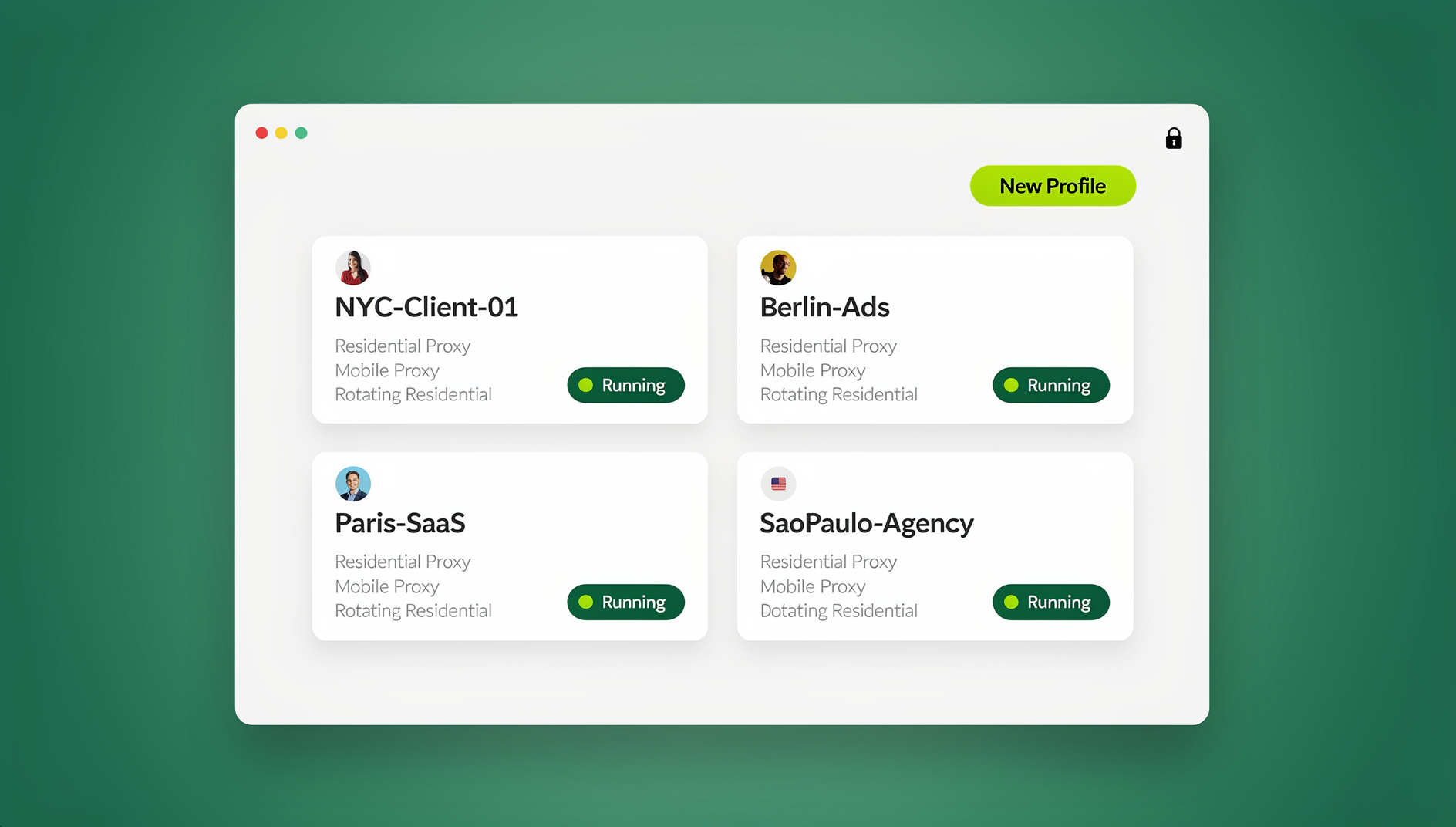
Whether you’re a social media agency responding to client audiences, an e-commerce seller handling customer inquiries across multiple storefronts, or a brand manager overseeing several regional accounts, missed messages mean missed opportunities. A delayed response to a customer complaint can escalate into a PR problem, while an unanswered sales inquiry means lost revenue. In the fast-paced digital marketplace, finding the best software to manage comments and messages from multiple accounts can save hours of administrative overhead and keep your communication crisp and professional.
Why Unified Message Management Matters More Than Ever
The average business today maintains accounts on at least 5-7 different platforms. Each platform has its own messaging system, notification interface, and engagement patterns. Without centralized management, teams waste hours switching between tabs, logging in and out of accounts, and manually tracking which messages have been addressed.
Research consistently shows that response time directly impacts customer satisfaction and conversion rates. Consumers expect responses within minutes on social media, not hours or days. When you’re managing multiple social media accounts, the risk of missing time-sensitive messages increases dramatically.
Many social platforms reward accounts that respond quickly to comments and messages with better algorithmic visibility. Fast engagement signals to the algorithm that your account is active and valuable, potentially increasing your organic reach across all managed accounts.
When multiple team members handle messages across shared accounts, coordination becomes critical. Without proper tools, messages get answered twice, some fall through the cracks, and there’s no visibility into who handled what. The best management software solves this with assignment systems, status tracking, and collision detection.
For teams handling logins across various platforms, maintaining separate cookies is critical. Using a robust cookie management tool ensures that session identifiers do not leak between browser profiles, which prevents platforms from linking your distinct client profiles.
Top 8 Software Solutions for Multi-Account Message Management
1. Agorapulse — Best Unified Social Inbox
Agorapulse’s social inbox is widely regarded as one of the best in the industry. It consolidates all comments, messages, mentions, and reviews from connected social accounts into a single, organized inbox with powerful filtering and assignment capabilities. Its collaborative interface allows team members to assign incoming messages as tasks, avoiding response overlaps.
Key messaging features:
- Unified inbox for Facebook, Instagram, Twitter, LinkedIn, YouTube, TikTok, and Google Business
- Automated message routing and assignment rules
- Saved replies for common questions
- Internal notes and team collaboration on messages
- Message labeling and categorization
- Response time tracking and SLA monitoring
While standard browsers like Google Chrome offer basic profile-switching, they are insufficient for heavy commercial use. Our detailed Chrome Multi Account Multi Account Management Guide 2026 explains why standard browser setups fall short when managing high volumes of client accounts.
2. Sprout Social — Best Enterprise-Grade Messaging
Sprout Social offers a Smart Inbox that combines all your social interactions into a single stream. Its enterprise-grade features include CRM integration, chatbot builders, and advanced routing that make it suitable for large organizations handling high volumes of messages.
Key messaging features:
- Smart Inbox with advanced filtering by network, message type, and sentiment
- Built-in CRM for tracking conversation history per contact
- Automated chatbot builder for Facebook and Twitter
- Message spike alerts for crisis management
- Custom workflow automation with message routing rules
- Salesforce and HubSpot CRM integration
If your multi-account workflow includes running campaigns, you need specialized isolation. Utilizing a dedicated browser for ads management prevents ad network trackers from flagging your digital fingerprint across multiple profiles.
3. Send.win — Best for Cross-Platform Account Access
While not a traditional social inbox tool, Send.win solves a fundamental problem that messaging tools can’t: accessing all your accounts securely from one place without triggering security alerts. By creating isolated browser profiles for each account, Send.win lets you directly access native messaging interfaces on any platform.
Rather than using a clunky browser add-on, Send.win provides two real, current modes: Sendwin Browser (the native desktop app) and cloud browser sessions (accessible from anywhere with no local installation required). This gives you the flexibility to manage native messaging consoles directly.
When choosing the best software to manage comments and messages from multiple accounts, you must consider features like role-based access, API limitations, and session isolation. Send.win excels here by keeping your cookie profiles separated.
Key advantages for message management:
- Access native messaging interfaces on any platform (not just social media)
- No API limitations — see all features the platform offers
- Manage messages on platforms not supported by social inbox tools
- Isolated browser profiles prevent account bans when switching between accounts
- Works with e-commerce platforms, forums, and any web-based messaging system
4. Hootsuite — Best for High-Volume Engagement
Hootsuite’s Inbox provides a unified messaging platform that handles social media comments and DMs alongside other digital channels. Its AI-powered features help manage high message volumes efficiently by organizing incoming chats into prioritized streams.
Key messaging features:
- Unified inbox for social media, messaging apps, and live chat
- AI-powered message triage and suggested responses
- Automated routing to specialized team members
- CSAT surveys within messaging flows
- Priority inbox based on sentiment and urgency
5. NapoleonCat — Best for Comment Moderation
NapoleonCat specializes in social media comment moderation, offering auto-moderation rules that can automatically hide, delete, or respond to comments based on keywords, sentiment, or other criteria. This is invaluable for brands dealing with high comment volumes or spam.
Key messaging features:
- Auto-moderation rules for comments (hide, delete, respond automatically)
- Unified social inbox with ticket assignment
- Automated responses for common questions
- Sentiment detection for priority routing
- Translation features for multi-language support
- Ad comment management (responds to comments on ads)
6. Brand24 — Best for Mention Monitoring and Response
Brand24 goes beyond direct messages and comments to monitor mentions of your brand across the entire internet — including social media, blogs, forums, news sites, and review platforms. This comprehensive monitoring ensures you never miss a conversation about your brand.
Key messaging features:
- Real-time mention monitoring across millions of online sources
- Sentiment analysis for all mentions (positive, negative, neutral)
- Influencer identification within mentions
- Discussion volume alerts
- Slack and email notification integration
- Custom mention reports and analytics
7. Freshdesk — Best for Ticket-Based Message Management
Freshdesk converts social media messages and comments into support tickets, bringing the structure and accountability of helpdesk software to social engagement. This approach ensures every message is tracked, assigned, and resolved.
E-commerce customer service teams face similar account association risks. If you are handling customer inquiries for several digital stores, review our guide on managing multiple Amazon accounts to ensure your storefronts remain securely isolated.
8. Zendesk — Best for Omnichannel Customer Service
Zendesk’s Suite brings social media messaging into a comprehensive customer service platform. If your multi-account message management is primarily customer-service focused, Zendesk’s mature ticketing system and automation capabilities are hard to beat.
Key messaging features:
- Omnichannel ticket management (social, email, phone, chat, SMS)
- AI-powered answer suggestions
- Macro-based workflow automation
- Advanced reporting and analytics
- Integration with 1,000+ apps via marketplace
- Customer self-service portal
Feature Comparison Table
| Software | Unified Inbox | Auto-Moderation | API Bypassing | CRM Integration | Starting Price |
|---|---|---|---|---|---|
| Agorapulse | Yes | Limited | No | Basic | $49/mo |
| Sprout Social | Yes | Yes | No | Advanced | $249/mo |
| Send.win | Native access | N/A | Yes (Runs native profiles) | N/A | $19/mo (Pro) |
| NapoleonCat | Yes | Advanced | No | No | $32/mo |
| Freshdesk | Tickets | Rules | No | Yes | Free / $15/agent/mo |
| Zendesk | Tickets | Rules | No | Advanced | $55/agent/mo |
How to Set Up an Efficient Multi-Account Messaging Workflow
Having the right software is only half the battle. You also need to establish efficient workflows that ensure no message slips through the cracks. Here’s a proven framework for setting up your multi-account messaging system:
Step 1: Centralize All Accounts
Connect all your accounts to your chosen management platform. If some accounts are on platforms not supported by your social inbox tool, consider using Send.win to create organized browser profiles for native access to those platforms. The goal is eliminating the need to visit individual platform interfaces for day-to-day message management. By configuring isolated sessions in the Sendwin Browser desktop client, your team can access native interfaces securely.
Step 2: Establish Routing Rules
Set up automated routing so messages are directed to the right team member based on criteria like account ownership, message type, language, or topic. Most enterprise tools support rule-based routing that can dramatically reduce triage time.
Step 3: Create Response Templates
Develop a library of saved responses for common questions and scenarios. This ensures consistent messaging across all accounts while reducing response time. Include templates for different tones and languages if you manage accounts in multiple markets. When writing templates, organize them with placeholder tags like client name, order ID, or product link. This ensures that even when team members use copy-paste shortcodes, the output feels custom and tailored to the conversation.
Step 4: Define Response Time Targets
Set clear SLAs for different message types. Urgent customer complaints might require a 15-minute response, while general inquiries could have a 2-hour target. Configure alerts to flag messages approaching their SLA deadlines.
Step 5: Monitor and Optimize
Regularly review response time metrics, resolution rates, and customer satisfaction scores. Identify bottlenecks in your workflow and adjust routing rules, templates, and team assignments to continuously improve performance. When you analyze these analytics quarterly, you can see which channels require more resources and which canned replies are resolving client issues most effectively. Ultimately, selecting and deploying the best software to manage comments and messages from multiple accounts is a continuous optimization process that improves both customer satisfaction and internal team sanity. Over the long run, using the best software to manage comments and messages from multiple accounts will help your customer support team scale without getting flagged.
Advanced Strategies for Multi-Account Message Management
To scale your communication setup, implement advanced prioritization methods. First, use sentiment-based prioritization. AI tools can analyze the tone of incoming direct messages or comments and flag complaints or billing issues automatically. This is especially helpful if you oversee high-volume storefronts where customer dissatisfaction can quickly lead to chargebacks or negative reviews.
Second, establish cross-account customer recognition. If a customer contacts you on Instagram, then follows up via email and Twitter, having a tool that pulls these conversations into a unified contact card saves team members from asking the same questions twice. While helpdesks like Zendesk and Freshdesk offer this natively, you can achieve similar cohesion by sharing isolated profiles using Send.win cloud browser sessions so your account managers always have access to identical history.
Third, implement proactive comment filtering. Not all comments are inquiries; many are spam, promotional bots, or duplicate comments that distract your support agents. Establishing strong moderation filters helps clean your queue. Platforms like Facebook and Instagram allow you to block specific words or links. For platforms that lack these built-in moderation options, running your profiles in a dedicated environment keeps each profile’s cookies, storage and fingerprint separate, so you can review and moderate comment lists manually without profiles sharing one browser identity.
Common Mistakes to Avoid
When deploying comment and message management systems, agencies and e-commerce sellers frequently make critical errors that disrupt customer relations and risk account security. First, relying on a single login for the entire team is a dangerous practice. When five employees in different locations attempt to log into one Instagram or Amazon account, the platform’s security algorithms flag the session as suspicious, triggering immediate verification loops or suspensions.
Second, using generic automated replies for every message alienates customers. Automation should serve as a triage mechanism to confirm receipt of a message, not a substitute for human assistance. A customer describing a damaged package expects a empathetic, personalized solution, not a canned response saying “Thanks for reaching out, we will check this.”
Finally, neglecting fingerprint and cookie hygiene when switching profiles is a major mistake. If you log out of one client profile and log into another within the same browser tab, shared cookies and storage trackers link the accounts instantly. To protect your brand assets, ensure that every profile runs in a fully isolated container using a native tool like Sendwin Browser.
Final Thoughts and Verdict
To summarize, the best software to manage comments and messages from multiple accounts depends on whether you require a unified social inbox or native browser isolation. While unified inbox applications are excellent for standard social channels, secure native access tools are required to bypass API limits and keep your accounts safe.
🏆 Send.win Verdict
Managing messages across dozens of accounts is a security nightmare if you rely on standard browsers or tools that trigger suspicious login alerts. Send.win solves this fundamental issue by isolating each account in its own independent browser profile, preventing cross-contamination and platform bans.
Try Send.win free today — secure your multi-account communication workflows without risking account suspensions.
Frequently Asked Questions
What is the best software for managing comments and messages from multiple accounts?
The best software depends on your platforms. For social platforms, a unified inbox like Agorapulse or Sprout Social works best. For e-commerce sites or forums without standard API support, Send.win offers secure browser isolation profiles to manage comments directly in native portals.
Can I manage comments from multiple platforms in one place?
Yes, unified social inbox tools let you bring messages from Facebook, Instagram, Twitter, and LinkedIn into one stream. For other web-based platforms, Send.win allows you to run multiple separate profiles in the Sendwin Browser desktop client simultaneously.
How do I prevent account bans when managing messages?
Avoid logging into multiple accounts using standard browser tabs. Use Send.win to isolate each account’s session cookies, local storage, and digital fingerprint, and pair each profile with a dedicated proxy to prevent platforms from linking your accounts.
Is there a free trial available for Send.win?
Send.win does not offer a free trial. Paid plans start at $19/mo for Pro or $49/mo for Team, and the first card purchase is covered by a 7-day money-back guarantee. If you want to try it first, the free cloud demo at https://send.win/demo-browser/ gives you a 3-minute preview without signup, or 10 minutes a day with a free account.
What are the pricing plans for Send.win?
Send.win offers two paid plans: the Pro plan is $19/month (or $6.99/month on an annual subscription) and supports 150 profiles. The Team plan is $49/month (or $20.99/month on an annual subscription) and supports 500 profiles and 16 team seats.
Does Send.win have an Automation API?
No. Send.win has no automation interface: no API, SDK, headless mode or Selenium/Puppeteer/Playwright support on any plan, including Pro and Team. Each profile keeps its own cookies, storage and fingerprint, and you work with profiles through the desktop app or the cloud browser.
How do cloud browser sessions work on Send.win?
Cloud browser sessions allow you to access isolated profiles directly inside the cloud. There is no local installation required, making it easy to share profiles and check comments from any mobile or desktop device securely.
Can multiple team members manage comments simultaneously?
Yes, by utilizing the Team plan of Send.win, administrators can share specific browser profiles with different team members. This allows team members to handle comments and reply to messages from their own devices without triggering security blocks.