How to Seamlessly Manage Multiple Notion Accounts and Workspaces in Parallel
To efficiently manage multiple notion accounts across separate client workspaces, personal setups, and corporate SAML portals, users need isolated browser profile containers that separate active login cookies, local databases, and session tokens. Standard browsers overwrite login states when switching between different Google-authenticated or enterprise single sign-on (SSO) Notion workspaces. Using dedicated multi-session tools like Send.win allows consultants, agencies, and freelancers to run 10+ Notion workspaces side by side with zero login conflicts.
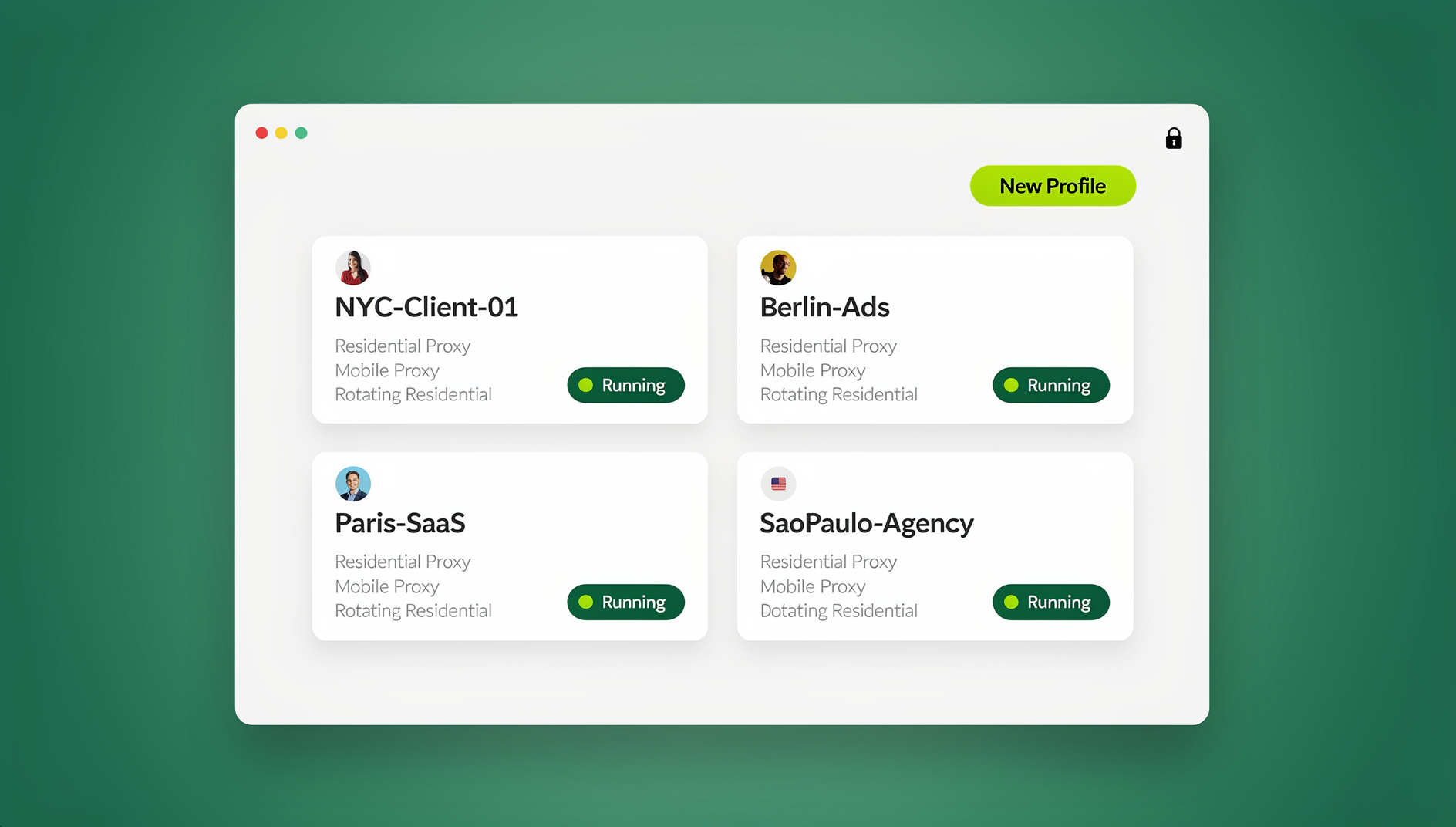
📌 TL;DR Executive Summary
- Core Takeaway: Modern consultants and agencies need simultaneous access to multiple Notion workspaces tied to separate client email domains and SSO providers.
- Key Risk/Challenge: Standard browsers and the native Notion desktop app force constant account switching, causing cookie collisions, broken links, and permission errors.
- Recommended Solution: Sendwin Browser’s isolated containers and cloud sessions maintain persistent logins across multiple Notion accounts without session overwriting.
Notion has evolved from a simple note-taking application into the operating backbone for thousands of modern businesses, agencies, engineering teams, and freelance professionals. Product roadmaps, sprint backlogs, client documentation, client wikis, and CRM databases now live directly inside interconnected Notion databases. However, as knowledge workers increasingly collaborate across multiple distinct client organizations, managing separate Notion credentials creates persistent technical friction.
Freelancers and agency operators rarely work inside a single Notion ecosystem. A marketing consultant might juggle an internal agency workspace, three distinct client workspaces tied to client-specific Google Workspace accounts, a startup advisory workspace secured via Okta SAML, and a private personal workspace for personal planning. Managing these disparate environments in a standard browser or the official Notion desktop app quickly results in authentication loops, session drops, and broken shared links. Adopting a structured approach to managing multiple accounts is essential for sustaining daily productivity and data integrity.
The Technical Bottlenecks of Standard Notion Multi-Account Handling
While Notion includes built-in account switching in its native interface, this mechanism relies on shared browser storage that frequently breaks under complex multi-tenant workflows.
When multiple Notion sessions coexist in an un-isolated browser environment, several structural issues arise:
- Session Cookie Overwrite & OAuth Collisions: Notion stores active authentication tokens and workspace metadata in indexedDB and local cookies. When you authenticate into a client workspace via Google OAuth, the browser updates global OAuth session tokens. Opening another workspace tied to a different Google login often overrides the previous session or triggers unauthorized redirects.
- Enterprise SAML and SSO Redirect Traps: Enterprise clients frequently mandate single sign-on via identity providers like Okta, Microsoft Entra ID (Azure AD), or Google Workspace SSO. When an enterprise workspace forces a SAML handshake, the browser’s global identity state can hijack other open tabs, locking you out of independent personal or client workspaces.
- IndexedDB Database Cache Lockups: Notion relies heavily on client-side indexedDB caching to deliver rapid offline-first page loading. When switching between multiple heavy workspaces in the same browser profile, conflicting indexedDB schema versions or storage limits can cause pages to freeze or fail to sync live updates.
- Accidental Cross-Workspace Permission Leaks: When sharing Notion page links, comments, or database mentions, working across mixed accounts within one browser can lead you to accidentally invite external client accounts into private databases or post comments from an unintended organizational identity.
- Context Switching Overhead and Memory Leaks: Constantly reloading complex Notion databases with hundreds of relational rollups inside a single browser tab causes memory bloat, tab crashes, and sluggish document rendering.
Common Multi-Account Workflows and Why Native Solutions Fall Short
Professionals have attempted various workarounds to manage multiple Notion workspaces. While some provide temporary relief, each presents serious limitations in production environments.
1. The Native Notion Desktop App Account Switcher
Notion’s desktop app allows users to add multiple accounts from the sidebar. However, the app frequently signs out secondary accounts during updates, struggles with third-party SAML/SSO authentication, and cannot display multiple workspaces in parallel side-by-side windows without sluggish performance and high RAM consumption.
2. Multiple Chrome or Edge User Profiles
Creating separate browser profiles for each client workspace separates cookie jars. However, running 6 to 10 distinct Chrome windows quickly consumes enormous system memory (RAM) and CPU overhead. Furthermore, standard profiles do not provide centralized workspace management, profile tagging, team session sharing, or dedicated proxy routing. Additionally, understanding what your browser fingerprint explained reveals shows that standard profiles continue to leak identical hardware identifiers across workspaces.
3. Incognito and Private Browsing Tabs
Private browsing tabs offer a temporary blank slate for logging into a client workspace. However, closing the incognito tab instantly wipes the entire session, destroying your active login state. Re-authenticating multiple times a day through enterprise 2FA authenticators wastes substantial billable time.
How Profile Isolation Delivers Flawless Notion Multi-Workspace Operations
To successfully manage multiple notion accounts at scale, agency professionals, product managers, and consultants require true environment sandboxing. Multi-session container technology partitions your browser into dedicated, isolated digital environments.
With isolated profile containers, every Notion workspace operates within its own dedicated ecosystem:
- Sandboxed Authentication State: Each profile maintains an isolated cookie jar, local storage space, and indexedDB cache. Google Workspace tokens from Client A cannot touch or overwrite login tokens from Client B.
- Simultaneous Multi-Workspace Views: You can keep Client A’s sprint board, Client B’s product roadmap, and your internal agency wiki open in parallel tabs or split screens without logging out.
- Persistent Login Retention: Once you authenticate into a workspace and complete 2FA, the profile remembers the session indefinitely across application restarts.
- Network and Proxy Customization: When working with strict enterprise clients requiring access from specific geographical regions or whitelisted corporate IPs, you can configure dedicated proxy browsers settings per profile.
Handling Guest Accounts vs Full Member Workspaces Across Client Orgs
In enterprise client relationships, consultants are often provisioned under differing access tiers across multiple Notion accounts. Distinguishing between guest privileges and full workspace memberships is crucial for data governance.
Understanding these permission structures helps you configure isolated profiles properly:
- Guest Access on Specific Pages: When a client invites you as a guest to a specific page or sub-database, your session relies on an external personal or agency email. Keeping this session in a dedicated container prevents accidental attempts to navigate to unshared internal client pages.
- Full Member with Corporate Domain: When granted a corporate domain login (e.g., [email protected]), enterprise identity policies apply. In an isolated container, SAML certificates and conditional access policies remain cleanly confined to that single client profile.
- Cross-Workspace Synced Blocks: Notion supports synced content blocks across pages. However, syncing blocks between workspaces requires authorized access on both ends. Separate profile containers ensure you never paste internal proprietary snippets into external client spaces by mistake.
How Send.win Helps With Manage Multiple Notion Accounts
Send.win is a browser profile manager built for exactly this kind of work — every profile is a clean, isolated identity:
- Isolated profiles – unique fingerprint, separate cookies and storage per profile
- Fingerprint settings – each profile keeps its own consistent browser fingerprint, with separate cookies and storage
- Desktop app + cloud sessions – native app for Windows, macOS, and Linux, or run profiles in the cloud with no install
- Built-in residential proxies – with automatic timezone, locale, and WebRTC matching
- Team features – share logged-in profiles with teammates without sharing passwords
Try the instant cloud browser demo — no install, no signup — or download the desktop app. There is no free trial; paid plans start at $19/month, and the first card purchase is covered by a 7-day money-back guarantee (see pricing).
Step-by-Step Guide: Setting Up Multiple Notion Accounts with Send.win
Send.win is engineered specifically to eliminate account collisions and session overwrites. Through the native Sendwin Browser desktop application (compatible with Windows, macOS, and Linux) and zero-install cloud browser sessions, managing a portfolio of Notion workspaces becomes fast and intuitive.
Step 1: Launch Sendwin Browser and Create Profile Containers
Download and open the Sendwin Browser desktop client. Create a new dedicated profile container for each Notion environment you manage (e.g., “Notion – Internal Agency”, “Notion – Client Alpha”, “Notion – Enterprise SSO”).
Step 2: Connect Dedicated Google / SSO Credentials
Open the designated profile and navigate to Notion. If the workspace uses Google Workspace authentication or corporate SAML, log in with the client-specific email address and complete any initial 2FA verification. The login state is immediately saved to the profile container’s isolated storage.
Step 3: Pin Critical Notion Dashboards and Databases
Within each container, bookmark or pin your primary client dashboards, Kanban boards, and documentation wikis. When you launch the profile in future sessions, your workspaces open instantly in their authenticated states without requiring credentials.
Step 4: Organize and Group Workspaces by Category
Use Send.win’s folder and tagging features to group client profiles by project status, account manager, or agency department. A project manager overseeing 15 accounts can filter workspaces with a single click, keeping client environments strictly segregated.
Step 5: Share Workspace Sessions with Team Members Securely
When onboarding a junior designer or contractor to assist on a client project, agency administrators can share active profile sessions directly using Send.win’s team sharing functionality on the Team plan. Collaborators can access the client’s Notion workspace within the isolated session without requiring access to master client passwords or sensitive SSO credentials.
Comparison of Notion Multi-Account Management Techniques
Compare the leading methods for handling multiple Notion workspaces across session integrity, system resource efficiency, and team usability:
| Management Method | Session Stability | Resource Usage | SSO / SAML Compatibility | Team Sharing |
|---|---|---|---|---|
| Standard Browser (Single Profile) | Poor (Constant Overwrites) | Low | Fails on Multiple SSO | None |
| Notion Official Desktop App | Moderate (Frequent Logouts) | High RAM Consumption | Limited SAML Support | None |
| Multiple Chrome / Edge Profiles | Good Cookie Separation | Very Heavy Memory Drain | Supported | None |
| Send.win Isolated Profile Containers | Flawless Isolation | Optimized & Lightweight | Full Enterprise Support | Built-in 1-Click Sharing |
Automating Notion Workspace Maintenance and Data Syncing
High-volume agencies and consultants frequently manage recurring documentation tasks across multiple client Notion databases. Manually copying sprint updates, publishing standardized project templates, or archiving completed client deliverables across 10+ workspaces consumes significant operational resources.
Send.win addresses this workflow friction through its isolated browser profiles, available on both the Pro plan ($19/mo or $83.88/yr) and Team plan ($49/mo or $251.88/yr). Each profile keeps its own cookies, storage, sessions and fingerprint settings, so you can stay signed in to multiple Notion accounts side by side.
By using separate Send.win profiles for each Notion account, teams can keep their work organised:
- Launch authenticated client profile containers on automated schedules.
- Extract project status reports, task completion metrics, and database entries across all client workspaces.
- Distribute centralized agency template updates into multiple client wikis simultaneously.
- Backup client database structures and export Markdown documentation archives automatically without manual downloads.
- Perform cross-workspace search queries to locate specific client deliverables without manually opening each workspace.
- Sync external CRM deal stages or Jira sprint tickets directly into client Notion roadmaps.
Because automation scripts execute within already-authenticated, fully sandboxed profile environments, they bypass complex SSO login walls and avoid triggering automated anti-bot checkpoints.
Advanced Productivity Strategies for Multi-Workspace Power Users
Mastering multi-account Notion operations requires combining isolated browsing containers with structured workspace habits. Implement these proven organizational strategies to streamline your daily workflow.
1. Establish Standardized Database Naming Conventions
When working across multiple client workspaces, ambiguous database names like “Tasks” or “Projects” create confusion when opening multiple tabs. Establish clear client prefixes in your Notion profile titles (e.g., “[Client Alpha] Sprint Tracker”, “[Client Beta] Sprint Tracker”) to ensure instant context recognition.
2. Utilize Cloud Browser Sessions for Remote Collaboration
When you need to review client roadmaps or approve project deliverables from a mobile device, tablet, or temporary machine, use Send.win’s cloud browser sessions. Cloud sessions run profiles securely in the cloud without requiring local software installation, allowing you to access fully isolated client workspaces anywhere with an active internet connection.
3. Keep Personal Life and Client Work Physically Segregated
Never blend personal notes, financial planners, or private journal entries inside a client-accessible workspace. Maintain a dedicated Send.win profile for your personal Notion workspace, ensuring that client permissions, guest shares, or accidental database syncs never expose private data.
4. Structure Client Onboarding Workflows with Template Profiles
Create a master Send.win template profile configured with your agency’s standard productivity extensions, bookmarks, and reference materials. When signing a new client, duplicate the template profile, rename it with the client’s identifier, and log in to the new workspace in seconds.
5. Implement Strict Passwordless Team Access Protocols
Rather than distributing sensitive client master passwords to subcontractors or junior consultants, utilize Send.win’s profile sharing capabilities. Team members can contribute directly to client Notion pages within authenticated containers while the agency retains full control over credential management.
🏆 Send.win Verdict
Managing multiple Notion workspaces across disparate client accounts and enterprise SSO domains shouldn’t involve painful cookie conflicts, sluggish desktop apps, or endless re-authentication loops. Send.win provides a multi-account browsing solution, combining isolated browser profiles, native Sendwin Browser desktop apps for Windows, macOS, and Linux, and zero-install cloud browser sessions. With Pro at $19/mo ($83.88/yr) and Team at $49/mo ($251.88/yr), Send.win enables consultants and agencies to navigate multiple Notion workspaces effortlessly.
Try the Send.win cloud demo — a 3-minute preview without signup, or 10 minutes a day with a free account.
Frequently Asked Questions
Can I be logged into multiple Notion accounts in the same browser window?
In standard browsers like Chrome or Safari, logging into multiple Notion accounts simultaneously causes session overwrites and cookie conflicts, especially when workspaces use different Google or SSO logins. Using Send.win’s isolated profile containers allows you to run multiple Notion accounts in separate tabs or windows at the same time without any login collision.
Why does Notion log me out when I switch between client workspaces?
When you switch workspaces tied to different email domains or identity providers, Notion overwrites the active session tokens stored in your browser’s cookies and local storage. Sandboxed profile environments isolate these storage layers, allowing every workspace to remain permanently logged in.
Does the native Notion desktop app support multiple accounts?
The Notion desktop app has a basic account switcher, but it frequently drops sessions, struggles with corporate SAML/SSO authentication across multiple organizations, and consumes heavy memory when multiple workspaces are open. Send.win provides a far more stable and resource-efficient container system.
Can I manage multiple Notion accounts on Mac and Windows with Send.win?
Yes. The native Sendwin Browser desktop application is fully supported on Windows, macOS, and Linux. Additionally, Send.win offers cloud browser sessions that run directly in any web browser without local software installation.
How does Send.win help agencies share client Notion workspaces with contractors?
With Send.win’s Team plan ($20.99/mo annual, 16 seats), agency administrators can share active, authenticated Notion profile sessions directly with team members and contractors. Contractors can access the client workspace and complete assignments without ever viewing or possessing the client’s master login passwords.
Can I automate tasks across multiple Notion workspaces with Send.win?
No. Send.win has no automation interface: there is no API, SDK, headless mode or Selenium/Puppeteer/Playwright support on any plan. Instead, you can keep each client workspace signed in inside its own isolated Send.win profile, with separate cookies, storage and fingerprint settings.
Is my client data safe when managing Notion through Send.win?
Yes. Send.win completely isolates session data, cookies, local storage, and database caches within each profile container. Data from one client workspace cannot leak, cross-contaminate, or interact with data in another workspace, ensuring full confidentiality and compliance.
Do I need separate proxy IPs to manage multiple Notion accounts?
Unlike ad networks or social media platforms that aggressively flag multi-account usage, Notion generally does not restrict users from accessing multiple legitimate workspaces from the same IP. However, if enterprise clients require access from specific regional corporate IPs, Send.win allows you to assign dedicated proxies to individual profiles effortlessly.