What is a Cloud Browser for Call Centers?
A cloud browser for call centers is an enterprise cybersecurity solution that hosts and executes web browsing sessions on remote cloud servers rather than on an agent’s local device, effectively preventing data exfiltration, local downloads of sensitive customer information, and malware infections. By streaming only safe pixels or sanitized interactions to the agent’s screen, contact centers and BPOs use these isolated environments to enforce strict compliance standards such as PCI-DSS and HIPAA, control team permissions through centralized management, and eliminate the catastrophic risks associated with unmonitored browser extensions and local cache storage in remote or distributed workforce environments.
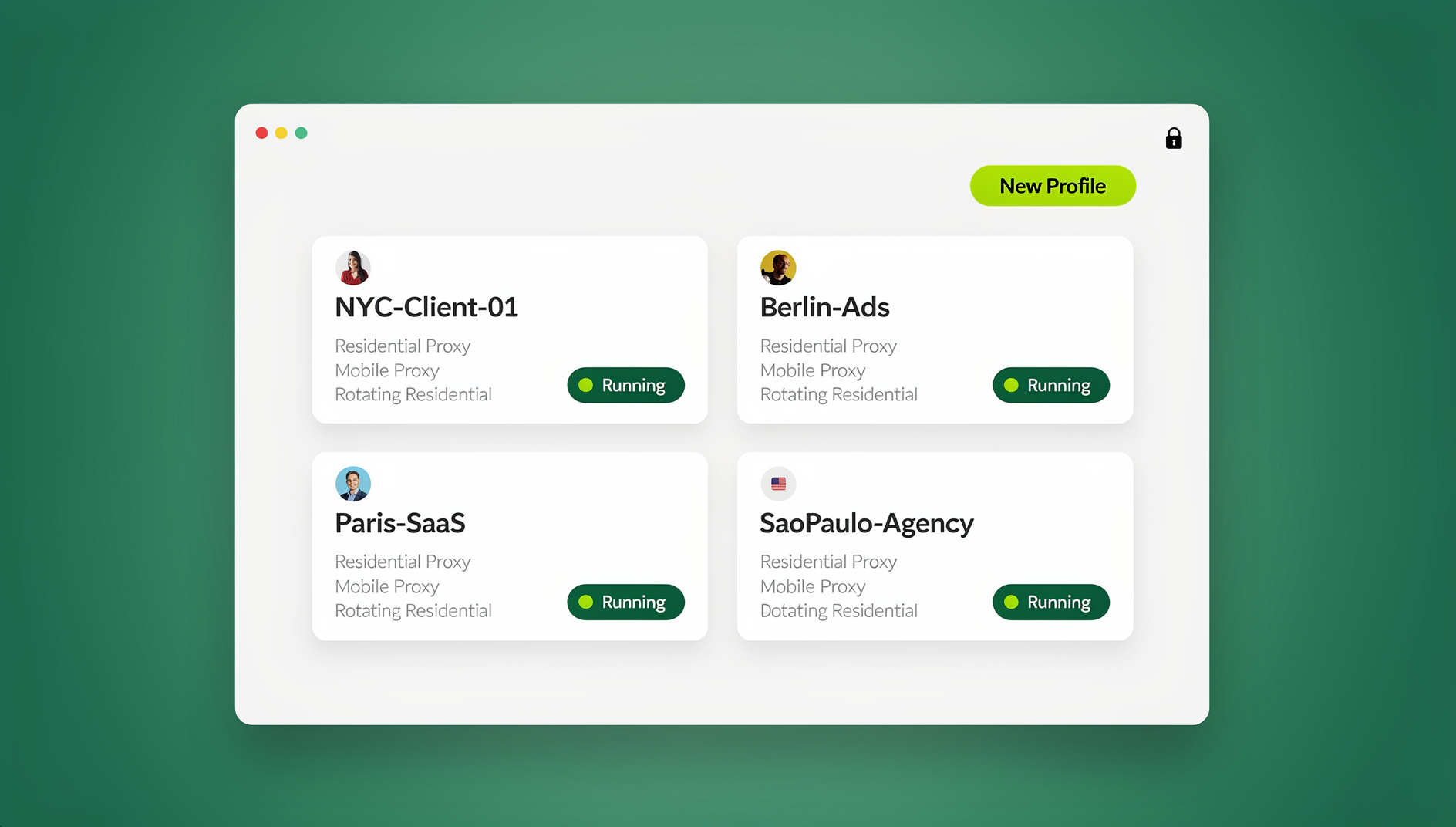
In the modern era of customer support, business process outsourcing (BPO), and globally distributed contact centers, the web browser has become the primary workspace for agents. Agents rely on browsers to access Customer Relationship Management (CRM) platforms, ticketing systems, payment gateways, internal knowledge bases, and live chat interfaces. However, this absolute reliance introduces a massive security vulnerability. Traditional local browsers process and store data directly on the agent’s machine, leaving highly sensitive customer data—such as credit card numbers, social security numbers, banking details, and personal health information (PHI)—exposed to local malware, unauthorized downloads, screen scraping, and internal insider threats. The urgent need for a robust, foolproof mechanism to secure these workflows without hindering productivity has led to the rapid adoption of cloud-based browser isolation technologies specifically tailored for the high-stakes, fast-paced environment of call centers.
The Expanding Attack Surface in Modern Contact Centers
The contact center industry has undergone a radical transformation over the past decade, shifting from centralized, heavily monitored physical office floors to highly distributed, work-from-home, or global off-shore BPO models. While this operational shift has dramatically reduced overhead costs and expanded the available talent pool, it has also completely obliterated the traditional corporate network perimeter. IT administrators can no longer rely solely on enterprise firewalls, physical security guards, or locked-down office networks to protect customer data. When an agent is working from a home office or from a third-party BPO facility halfway across the world, the endpoint device—and specifically the web browser running on that unmanaged device—becomes the new, highly vulnerable perimeter.
Unfortunately, standard consumer web browsers, or even enterprise-managed local browsers, are fundamentally ill-equipped to handle the severe security demands of a modern call center. Local browsers are designed for consumer convenience, executing all web code (HTML, CSS, complex JavaScript payloads) directly on the local machine’s CPU and memory. They aggressively cache images, store persistent cookies locally, save expansive browsing histories, and frequently allow the installation of unvetted third-party extensions. For a BPO handling critical financial transactions or sensitive healthcare data, every single one of these default local browser behaviors represents a potential data leak or a catastrophic compliance violation waiting to happen.
Furthermore, contact centers are notoriously high-turnover environments. Managing the provisioning and de-provisioning of secure access for hundreds or thousands of agents across multiple geographical locations is a logistical nightmare for IT teams. If an agent’s device is compromised by a phishing attack, or if a rogue agent decides to maliciously exfiltrate data before leaving the company, the local browser provides multiple frictionless avenues for that data to escape. This is exactly why forward-thinking IT executives, Chief Information Security Officers (CISOs), and compliance managers are aggressively transitioning to cloud browser architectures, where the execution environment is completely decoupled from the endpoint device.
Unpacking the Core Security Threats in Call Center Environments
To fully grasp why a cloud-based approach is strictly necessary, it is critical to dissect the specific security threats that consistently plague traditional browser deployments in call centers. These threats are not merely theoretical academic exercises; they are the documented root causes of major data breaches that have cost companies millions of dollars in regulatory fines, class-action lawsuits, and irreparable reputational damage.
Agent Local Downloads and Data Exfiltration
The most immediate, pervasive, and damaging threat in any call center is the unauthorized exfiltration of customer data. In a standard browsing environment, an agent viewing a CRM record or a detailed billing statement can effortlessly save the page, download attached sensitive documents, or take high-resolution screenshots. Even if a company policy strictly forbids saving customer data locally, enforcing this written policy on a local, physical browser is incredibly difficult and often technologically impossible. Agents might download CSV files containing thousands of customer lists, PDF invoices containing personally identifiable information (PII), or export sensitive financial reports to a local USB drive.
A cloud browser fundamentally neutralizes this threat by structurally changing where the browser physically exists. Because the browser is running on a highly secure, locked-down cloud server, any “download” initiated by the browser happens exclusively on the remote cloud server, not on the agent’s local machine. IT administrators can strictly control or completely block the transfer of files from the cloud environment down to the local endpoint, ensuring that sensitive data absolutely never touches the agent’s actual physical hard drive.
Session Hijacking and Credential Theft
Call center agents frequently require access to dozens of different web applications throughout their shift to resolve customer issues. Managing authentication and secure sessions for all these platforms is a major operational challenge. If an agent’s local machine is infected with malware, such as a stealthy keylogger or a trojan specifically designed to steal browser cookies, attackers can easily execute a devastating session hijacking attack. By stealing the active session cookies from the local browser’s storage directory, an attacker can seamlessly impersonate the agent and access the CRM, payment gateway, or administrative dashboards from anywhere in the world, without ever needing to know the agent’s actual username or password.
To definitively combat this, organizations must implement robust session isolation. Cloud browsers inherently provide this strict isolation because the active session state, including all authentication tokens, cookies, and local storage data, is securely maintained on the isolated cloud server. The agent’s local machine only receives a visual video stream of the session. Even if the local machine is thoroughly compromised by the most advanced malware, the remote attacker cannot steal the session cookies because those files simply do not exist anywhere on the local device.
Unmonitored Browser Extensions and Shadow IT
Browser extensions are a recurring nightmare for call center security professionals. While many extensions provide legitimate productivity boosts (like grammar checkers, password managers, or ad blockers), they frequently require incredibly extensive permissions, including the deeply concerning ability to “read and change all your data on the websites you visit.” In a call center setting, an agent installing a seemingly innocuous browser extension could inadvertently be giving a malicious third-party developer full, unfettered access to silently monitor, record, and transmit every single keystroke typed into a customer’s highly confidential billing profile.
Managing, auditing, and restricting extensions on thousands of local browsers is a constant, losing game of whack-a-mole for IT departments. Cloud browsers solve this definitively by providing a pristine, tightly controlled, and immutable browsing environment where agents have absolutely zero ability to install unapproved extensions. The environment is ephemeral and strictly locked down by administrators, completely eliminating the severe risk of shadow IT compromising the integrity of the secure browsing session.
How a Cloud Browser Architecture Radically Shifts the Security Paradigm
The technological foundation of a cloud browser for call centers is meticulously built upon the concept of completely isolating the complex execution environment from the simple display environment. This fundamental architectural shift is exactly what enables the massive security benefits required for modern compliance and data protection.
The Mechanics of Remote Browser Isolation (RBI)
In a traditional setup, when an agent navigates to a cloud CRM, the CRM’s server sends all the raw HTML, executable JavaScript, and CSS directly to the agent’s local browser, which then uses the local CPU to execute the code and render the page. This inherently means any malicious code embedded in the page, or any sensitive data displayed, is physically processed locally.
In stark contrast, a true cloud browser utilizes an advanced enterprise technology known broadly as remote browser isolation. When an agent requests a web page, the request is transparently intercepted and routed to an isolated, disposable container running in a highly secure, centralized cloud environment. The remote cloud browser fetches the web resources, aggressively executes the JavaScript, renders the DOM, and visually constructs the web page. The resulting visual output—essentially a highly compressed, interactive video stream of the rendered page—is then securely streamed down to the agent’s local device. The agent can interact with the page (clicking links, typing data, scrolling seamlessly) just as they normally would, and these inputs are transmitted back to the cloud server with near-zero latency, creating a flawless user experience.
Streaming Web Sessions vs. Local Execution
The difference between streaming a web session and executing it locally cannot be overstated. By streaming pixels, the local device is completely insulated from the underlying web code. Threat actors cannot exploit zero-day browser vulnerabilities on the local machine because the local machine isn’t running a web browser engine to process the malicious payload. This paradigm shift means that IT teams spend less time frantically patching local browsers and more time focusing on strategic initiatives, knowing the execution environment is secured in the cloud.
Zero Local Session Persistence
Perhaps one of the most operationally powerful features of this architecture is the guarantee of zero local session persistence. Because literally everything happens on the remote cloud servers, absolutely no browsing data, cache, or temporary files are left behind on the agent’s machine when their shift ends. There is no cache to routinely clear, no sensitive browsing history to manually delete, and no authentication cookies to worry about securing. Once the agent logs out or closes the secure session, the cloud container is immediately and permanently destroyed, or reset to a mathematically pristine state. This ephemeral nature means that even if an agent’s physical laptop is stolen from a coffee shop or severely compromised by a targeted attack outside of working hours, there is absolutely no historical customer data residing on the physical device for an attacker to recover or exploit.
Compliance and Security Failures Solved by Cloud Browsers
For modern call centers and BPOs, strict regulatory compliance is not an optional feature; it is a fundamental, non-negotiable requirement for legally doing business. Failure to meet compliance standards can instantly result in the termination of critical enterprise contracts, severe financial penalties from regulators, and catastrophic damage to the company’s brand reputation. Cloud browsers provide a highly effective technological shortcut to achieving, maintaining, and proving these stringent standards during audits.
PCI-DSS Compliance in BPO and Call Centers
The Payment Card Industry Data Security Standard (PCI-DSS) rigorously governs exactly how organizations handle, process, and store credit card information. For call centers that take payments over the phone, process subscription billing updates, or handle refunds, agents frequently need to interact directly with web-based payment gateways. PCI-DSS strictly prohibits the storage of full credit card numbers in unauthorized locations and demands incredibly strong access control measures across the entire network.
By strictly routing all payment gateway access exclusively through a cloud browser, contact centers can effectively remove the agent’s local endpoint entirely from the PCI compliance audit scope. Since the local machine never genuinely processes or stores the actual cardholder data (it only displays a harmless pixel stream of the payment portal interface), the immense compliance burden is shifted entirely to the highly secure, heavily audited cloud environment. This drastically reduces the crushing cost and complexity of annual PCI audits and provides mathematical certainty that agents cannot accidentally or maliciously save credit card details locally.
SOC 2 and HIPAA Requirements for Healthcare BPOs
Healthcare BPOs handling sensitive patient support, complex insurance claims, or medical billing must strictly adhere to the Health Insurance Portability and Accountability Act (HIPAA). HIPAA legally requires organizations to implement strict technical safeguards to ensure the confidentiality, integrity, and security of electronic protected health information (ePHI) at all times.
Similarly, SOC 2 compliance demands rigorous, demonstrable security controls to broadly protect all customer data. A cloud browser seamlessly facilitates both HIPAA and SOC 2 compliance by providing highly centralized, immutable audit logs of all web activity, enforcing granular access controls, and guaranteeing that ePHI absolutely never resides on an unencrypted, unmanaged, or easily accessible local endpoint. The remote isolation technology ensures that highly sensitive patient data remains securely confined within the compliant cloud environment, accessible only through strictly authenticated, monitored, and recorded sessions.
Preventing Malware Infections via Safe Browsing
Call center agents frequently need to conduct ad-hoc research, open external links sent by customers in support tickets, or navigate to unknown external websites to fully resolve issues. This constantly exposes the contact center network to devastating phishing attacks, drive-by downloads, and ransomware. A cloud browser acts as an impenetrable air gap, providing a robust layer of safe browsing that shields the internal corporate network. If an agent inadvertently clicks a highly sophisticated malicious link, any resulting ransomware or zero-day malware is harmlessly detonated within the isolated cloud container. The malware is physically incapable of escaping the cloud environment to infect the agent’s local machine, the local network, or the broader corporate infrastructure. Once the infected session ends, the container is simply destroyed, completely and instantly neutralizing the threat without requiring IT intervention.
The Role of Cloud Browsers in Disaster Recovery and Business Continuity
In the high-pressure environment of enterprise call centers, business continuity is paramount. Natural disasters, localized power outages, widespread internet service provider failures, or targeted ransomware attacks can completely cripple a physical office location or force thousands of remote agents offline simultaneously. Traditional local browser setups heavily complicate disaster recovery because the critical software stack, secure VPN configurations, and necessary extensions are intrinsically tied to the agent’s specific physical hardware. If an agent’s company-issued laptop fails, it can take hours or even days for IT departments to provision, secure, configure, and ship a replacement device, resulting in massive operational downtime and severely impacting customer service level agreements (SLAs).
Cloud browsers revolutionize disaster recovery by fundamentally decoupling the secure workspace from the physical hardware. Because the entire browsing session—including all pre-configured enterprise applications, necessary extensions, and security policies—is hosted centrally in the cloud, agents can instantly access their secure environment from virtually any device with a screen and a basic internet connection. If a primary laptop fails, an agent can temporarily use a secondary device, a secure thin client, or even a personal computer. By simply downloading the lightweight Send.win desktop application and logging in with their secure credentials, the agent is instantly reconnected to their exact, pristine cloud session. No local data is exposed to the temporary device, and no complex IT reconfiguration is required. This seamless portability ensures that even during significant unforeseen disruptions, call center operations can continue with minimal interruption and absolute data security.
Furthermore, from an IT infrastructure perspective, cloud browsers eliminate the need to maintain expensive, redundant physical disaster recovery sites. The cloud provider inherently handles the high availability and geographic redundancy of the actual computing infrastructure. IT teams can focus on managing users and policies rather than rushing to rebuild localized software environments, dramatically reducing both the cost and the complexity of the organization’s overall business continuity strategy.
Key Features to Look For in a Call Center Cloud Browser
Not all browser isolation tools are created equal. When selecting a cloud browser specifically for a high-volume call center or BPO, IT leaders must prioritize features that balance extreme security with seamless agent productivity and advanced administrative control.
Granular Access Permissions and Team Session Management
Enterprise call centers require sophisticated, intuitive tools to manage large, dynamic, and frequently changing teams. A premium cloud browser must excel in centralized team session management. Administrators need the ability to create customized cloud profiles containing specific CRM logins, support portals, and intranet sites. These profiles must then be easily assigned to specific agents or entire teams with incredibly granular permission controls.
For example, a security manager must be able to grant a junior agent access to a shared cloud session for a specific billing platform, but strictly disable the agent’s ability to view the underlying password, copy text from the session to their local clipboard, or download any files. Furthermore, if an agent leaves the company abruptly, their access to all cloud sessions must be revocable instantly from a central dashboard with a single click, ensuring immediate offboarding security without ever needing to track down or wipe a physical local device.
Automation API Capabilities for BPO Workflows
Modern, competitive BPOs rely heavily on advanced automation to increase operational efficiency, eliminate human error, and drastically reduce ticket handling times. A top-tier cloud browser must support these workflows by providing a powerful Automation API. This API should offer full, native support for industry-standard automation frameworks. This empowers engineering teams to automate highly repetitive tasks, bulk data entry, and continuous testing within the secure, isolated cloud browser environment, perfectly bridging the historical gap between stringent enterprise security and high operational velocity.
Desktop App vs Cloud Profiles
The architecture of how the agent accesses the cloud browser is critical. Solutions that rely on installing a browser extension into the agent’s existing local browser are fundamentally flawed for high-security environments, as they are still vulnerable to the underlying weaknesses of the local browser. The gold standard is a dedicated, native desktop application that bypasses the local browser entirely, providing a hardened, dedicated portal specifically designed for accessing remote cloud profiles securely.
Introducing Send.win: The Ultimate Cloud Browser for Call Centers
While various remote browser isolation solutions exist in the market, Send.win is uniquely positioned and explicitly engineered as the premier cloud browser platform designed for the highly specific needs of contact centers, BPOs, and remote support teams. Send.win flawlessly combines enterprise-grade, zero-trust security with unparalleled usability, ensuring that support agents remain highly productive while IT administrators maintain absolute, ironclad control over all data security.
Send.win Cloud Browser Sessions
At the very core of the platform are Send.win Cloud Browser Sessions. These sessions run pristine, perfectly isolated browser profiles high in the cloud, requiring absolutely zero local software installation (beyond the client app) or complex, brittle VPN setups. When an agent logs into Send.win, they instantly access their assigned cloud sessions, which are pre-configured by administrators with the exact web applications, extensions, and strict permissions they need to perform their duties. The physical, geographic separation between the cloud execution environment and the agent’s local device guarantees that absolutely no customer data, caching, or sensitive session cookies are ever stored locally.
Send.win Desktop App Architecture (No Extensions)
A critical, defining distinction of Send.win is its incredibly robust desktop architecture. Send.win provides a powerful, native desktop application (available for Windows, macOS, and Linux) that serves as the highly secure portal for accessing cloud sessions. CRITICAL NOTE: Send.win has NO browser extension. This is a deliberate, highly strategic architectural decision by the engineering team. Browser extensions are inherently vulnerable to the underlying security flaws and performance issues of the local browser they reside in. By utilizing a standalone, native desktop application, Send.win completely and elegantly bypasses the local browser’s massive attack surface, providing a dedicated, profoundly hardened environment strictly for enterprise workflows.
Automation API Support
To support the intense operational demands of modern BPOs, Send.win provides a robust Automation API with comprehensive support for Selenium, Puppeteer, and Playwright. This highly requested feature, available on the Pro and Team plans, allows organizations to seamlessly run automated testing, secure web scraping, and robotic process automation (RPA) tasks directly within the isolated cloud environment, ensuring that automated processes are just as secure as manual agent interactions.
Pricing Plans for Every Scale
Send.win offers highly transparent, incredibly competitive pricing explicitly designed to scale efficiently with your call center operations. All new organizations can start immediately with a generous 30-day free trial, requiring no credit card, to fully evaluate the platform’s transformative capabilities in their own environment.
- Pro Plan: $19/mo (or $6.99/mo billed annually — 63% off). Includes 150 dedicated cloud profiles, 5GB of secure storage, and full, unrestricted access to the powerful Automation API. This plan is ideal for smaller, specialized support teams and independent contractors requiring high security.
- Team Plan: $49/mo (or $20.99/mo billed annually — 57% off). Includes a massive 500 profiles, 20GB of secure storage, the Automation API, and 16 dedicated seats for comprehensive, enterprise-level team management. This is specifically designed for growing BPOs, large enterprise contact centers, and multi-tiered support organizations requiring advanced permission controls and centralized auditing.
Run Cloud Browser For Call Centers in the Cloud With Send.win
Send.win’s cloud browser runs your isolated profiles on remote infrastructure — open a clean, fingerprint-isolated session from any device without installing anything:
- Instant cloud sessions – launch an isolated browser in seconds, no local install
- Isolated profiles – separate fingerprint, cookies, and storage per session
- Cloud sync & profile sharing – pick up the same profiles on the desktop app (Windows, macOS, Linux) or share them with your team
- Built-in residential proxies – with automatic timezone and locale matching
You can try it right now: the Send.win demo browser opens an isolated cloud session directly in this browser tab. The 30-day free trial needs no credit card, and paid plans start at $6.99/month billed annually — see pricing.
Comparing Cloud Browsers vs. VDI vs. Traditional Browsers
When evaluating new call center infrastructure, IT leaders and CTOs frequently compare modern cloud browsers to legacy Virtual Desktop Infrastructure (VDI) and traditional local browsers. While VDI has historically been the default hammer used to secure remote workers, cloud browsers offer a vastly more modern, incredibly lightweight, and highly cost-effective approach for workflows that are primarily web-centric.
| Security & Operational Feature | Traditional Local Browser | Virtual Desktop Infrastructure (VDI) | Send.win Cloud Browser |
|---|---|---|---|
| Endpoint Security Risk | Extremely High (All data processed and stored locally) | Moderate (Highly prone to local screen scrapers and keyloggers) | Very Low (Absolute zero local data persistence) |
| Agent Device Resource Consumption | Extremely High local CPU and RAM usage | Massive server overhead and requires high, stable bandwidth | Incredibly lightweight pixel stream, near-zero local resource usage |
| Total Infrastructure Cost | Low (Initial software is free, breach costs are astronomical) | Extremely High (Windows Server licensing, massive server clusters) | Highly Cost-Effective (Predictable SaaS pricing model) |
| Deployment & Maintenance Complexity | Low to deploy, impossible to secure | Extremely High (Requires specialized VDI engineering teams) | Very Low (Instantly deployable native desktop app) |
| Web Automation (Selenium/Playwright) | Complex to scale securely across a team | Incredibly difficult and resource intensive to configure | Native, built-in Automation API ready on day one |
| Regulatory Compliance Enforcement | Nearly impossible to guarantee or audit effectively | Strong, but incredibly complex and expensive to audit | Built-in session isolation and centralized, immutable audit trails |
As the detailed comparison table clearly illustrates, for modern call centers where the absolute primary workspace is a vast collection of SaaS web applications, attempting to deploy a full, heavy Windows VDI is massive overkill. It is incredibly expensive, frustratingly difficult to maintain, and often degrades the agent experience. A cloud browser like Send.win delivers the exact necessary security and robust isolation specifically targeted precisely at the web layer, providing a vastly superior, lag-free user experience at a mere fraction of the operational cost.
Implementation Guide: Deploying a Cloud Browser in a BPO Environment
Transitioning a massive contact center from insecure legacy local browsing to a highly secure cloud browser architecture requires careful, strategic planning and meticulous execution. The entire implementation process must be treated as a top-tier strategic security initiative, carefully prioritizing agent workflow continuity alongside absolute data protection. Here is a highly comprehensive, step-by-step blueprint for successfully deploying a cloud browser solution like Send.win across a global BPO or massive internal support organization.
- Conduct a Comprehensive Application and Workflow Audit: Before deploying any new technology, IT security teams must rigorously catalog absolutely every web application, internal portal, CRM, and third-party SaaS tool currently utilized by the agent workforce. Identify precisely which applications handle highly sensitive data (PCI, HIPAA, PII) and aggressively prioritize these for immediate transition into the secure cloud browser environment.
- Define Strict Role-Based Access Controls (RBAC): Not all agents need, or should have, access to the same powerful tools. Carefully map out the specific web resources strictly required for different tiers of support (e.g., Tier 1 initial triage vs. Tier 3 technical escalations). Utilize Send.win’s advanced team management features to create distinct, locked-down cloud profiles tailored precisely to these roles, ensuring agents only have the absolute minimum access to the systems necessary for their specific job functions (Principle of Least Privilege).
- Establish and Enforce Data Exfiltration Policies: Clearly determine the strict technical boundaries for data movement. Will agents be permitted to copy text from the secure cloud session to their unmanaged local machine? Are they allowed to print sensitive documents? Utilize the highly granular permissions within the Send.win administrator console to enforce these critical policies technically, completely preventing accidental or malicious data leaks regardless of what the agent attempts to do.
- Pilot with a Specialized Champion Team: Instead of a massive, risky company-wide rollout on day one, select a small, highly vocal group of technically proficient agents to thoroughly pilot the cloud browser. Gather extensive feedback on latency, usability, and any potential workflow friction. Because Send.win utilizes a highly optimized native desktop application, the physical installation process is incredibly straightforward, but agent feedback is absolutely crucial for fine-tuning network performance settings before a wider, global release.
- Integrate Advanced Automation and Workflows: If your BPO relies heavily on automated data entry, screen scraping, or repetitive task execution, aggressively leverage the Send.win Automation API. Transition existing, brittle Selenium or Playwright scripts to run smoothly against the highly secure cloud profiles, ensuring automated processes benefit entirely from the exact same isolation and security guarantees as manual agent workflows.
- Extensively Train Agents on the New Security Posture: While a cloud browser heavily mitigates complex technical risks, human error always remains a factor. Train agents thoroughly on the critical importance of the new system, clearly explaining how the isolation technology protects both the customer’s sensitive data and the company’s vital compliance standing. Emphasize strongly that the system is expertly designed to enable secure work from anywhere, not merely to restrict their actions.
- Continuously Monitor, Audit, and Iterate: After the full, successful deployment, continuously utilize the extensive logging and monitoring capabilities of the cloud browser platform. Regularly and rigorously review access logs to ensure that unauthorized attempts to access sensitive profiles are identified instantly and remediated promptly, constantly maintaining a strong, highly proactive security posture across the entire organization.
The Future of Contact Center Security and Browser Fingerprinting
As sophisticated cybersecurity threats continue to evolve at a breakneck pace, the tools specifically used to protect vital enterprise data must also advance accordingly. One of the rapidly growing concerns in the realm of deep web security and enterprise privacy is the complex science of browser fingerprinting. While historically used primarily by marketers for tracking users across the internet, highly sophisticated fingerprinting techniques can also be easily weaponized by malicious state-sponsored actors or organized crime to precisely identify vulnerabilities or target specific enterprise networks.
For call centers, understanding how a browser fingerprint is explained and subsequently mitigated is becoming increasingly, critically important. Traditional local browsers constantly broadcast a massive wealth of highly unique information about the agent’s physical device—including exact operating system versions, installed system fonts, precise screen resolution, battery status, and highly specific hardware rendering specifications. This incredibly unique digital signature can be easily weaponized in highly targeted spear-phishing campaigns or sophisticated social engineering attacks aimed directly at specific, high-value support agents.
Cloud browsers inherently and elegantly disrupt browser fingerprinting by standardizing the fingerprint presented to all external websites. Because the web session is executed entirely on a centralized, uniform cloud server rather than the agent’s unique, idiosyncratic local hardware, the fingerprint generated reflects the monolithic cloud infrastructure, not the diverse, fragmented, and potentially vulnerable endpoints of a massive distributed workforce. This standardization adds an incredibly powerful additional layer of anonymity and security, making it exponentially harder for external attackers to profile and target individual agents based on their specific, local device configurations. As contact centers inevitably continue to mature their security strategies, adopting advanced technologies that natively obscure endpoint details will absolutely become a standard, required practice for mitigating advanced persistent threats.
🏆 Send.win Verdict
For contact centers, BPOs, and remote support teams handling sensitive customer data, Send.win Cloud Browser Sessions eliminate endpoint security leaks by keeping web traffic entirely isolated in the cloud. With Team plans starting at $20.99/mo, granular access permissions, and zero local session persistence, Send.win ensures full compliance while maintaining agent productivity.
Try Send.win free today — start your 30-day free trial with no credit card required.
Frequently Asked Questions (FAQs)
1. What exactly is a cloud browser for call centers, and why is it necessary?
A cloud browser is a highly advanced enterprise security solution that physically runs web browsing sessions on secure, remote cloud servers instead of directly on the agent’s local computer. It streams a harmless visual video representation of the web page down to the agent, ensuring that absolutely no actual website code, sensitive data, or malware ever touches the local device, making it absolutely necessary for securing highly sensitive call center operations against data breaches.
2. How precisely does a cloud browser prevent data theft and exfiltration in a global BPO?
It definitively prevents data theft by physically and geographically separating the sensitive data from the agent’s local endpoint. When an agent views a CRM or payment system through a cloud browser, the actual data remains locked on the secure cloud server. Administrators can permanently disable copy-paste functionality, block printing, and prevent all file downloads, making it technologically impossible for any agent to save sensitive customer information to their local hard drive, personal cloud storage, or a physical USB drive.
3. Is a cloud browser just the same thing as a traditional VPN?
No, they are fundamentally different technologies. A Virtual Private Network (VPN) merely creates a secure encrypted tunnel for network traffic, but it still fundamentally allows all the web data, scripts, and potential malware to reach and fully execute on the agent’s vulnerable local machine. A cloud browser goes infinitely further by executing the entire web session remotely, meaning the local machine only ever receives a safe, non-executable video stream of the session, completely and safely isolating the physical endpoint from the dangerous web.
4. Will using a cloud browser severely slow down my agents’ productivity or cause latency?
No. Modern, enterprise-grade cloud browsers, particularly those expertly utilizing optimized native desktop applications like Send.win, are highly optimized for ultra-low-latency pixel streaming. For standard web applications, CRM platforms, and ticketing systems, agents will routinely experience performance that is completely indistinguishable from a fast local browser, ensuring that maximum security absolutely does not come at the cost of operational efficiency or agent frustration.
5. Why is Send.win demonstrably better than using a simple browser extension for enterprise security?
Browser extensions are fundamentally flawed for high security because they must run entirely inside the local browser, meaning they are fully subject to its inherent architectural vulnerabilities, memory leaks, and resource limits. An extension mathematically cannot fully isolate the execution environment. Send.win uses a powerful standalone, native desktop application (with absolutely no browser extension whatsoever), entirely bypassing the local browser’s massive attack surface and providing a truly isolated, heavily hardened environment exclusively for enterprise workflows.
6. Can we still efficiently use a cloud browser for automated testing, QA, or large-scale web scraping?
Yes, absolutely. Advanced, developer-friendly platforms like Send.win offer a powerful Automation API that natively and fully supports industry-standard testing frameworks such as Selenium, Puppeteer, and Playwright. This easily allows engineering teams and QA departments in BPOs to run massive automated tasks, complex data entry bots, and secure web scraping scripts directly within the highly isolated, secure cloud environment.
7. Does a cloud browser actually help with passing strict PCI-DSS and HIPAA compliance audits?
Absolutely. By technologically ensuring that highly sensitive credit card numbers (PCI) or confidential patient health information (HIPAA) are absolutely never processed, stored, or cached on an agent’s local, potentially unmanaged device, cloud browsers drastically and provably reduce the compliance audit scope. They provide centralized, immutable logging, strict RBAC access controls, and mathematically guaranteed zero local session persistence, which are the most critical requirements for passing these demanding regulatory frameworks.
8. How much does a specialized call center cloud browser typically cost to deploy?
Pricing varies by enterprise provider, but modern SaaS models are generally incredibly cost-effective, especially when compared to legacy, heavy traditional VDI deployments. For example, Send.win offers a highly accessible Pro plan starting at just $19/mo (or an even lower $6.99/mo annually) for individuals, and a comprehensive Team plan for organizations starting at $49/mo (or $20.99/mo annually) which includes robust, enterprise-grade team management features and full API access. A fully featured 30-day free trial is also always available with no credit card required.