Why Do Sneaker Resellers Need an Antidetect Browser in 2026?
Using an antidetect browser for sneaker botting allows resellers to bypass advanced security protection—such as Akamai, DataDome, and Cloudflare Turnstile—by isolating browser environments and spoofing authentic hardware fingerprints. Sneaker platforms like Nike SNKRS, Adidas Confirmed, and Footsites analyze TLS handshakes, canvas renderings, and IP telemetry to block automated checkout profiles. An antidetect browser creates unique, independent browser sessions paired with residential proxies, enabling enthusiasts to run multiple billing and shipping profiles simultaneously without trigger-flagging anti-bot systems.
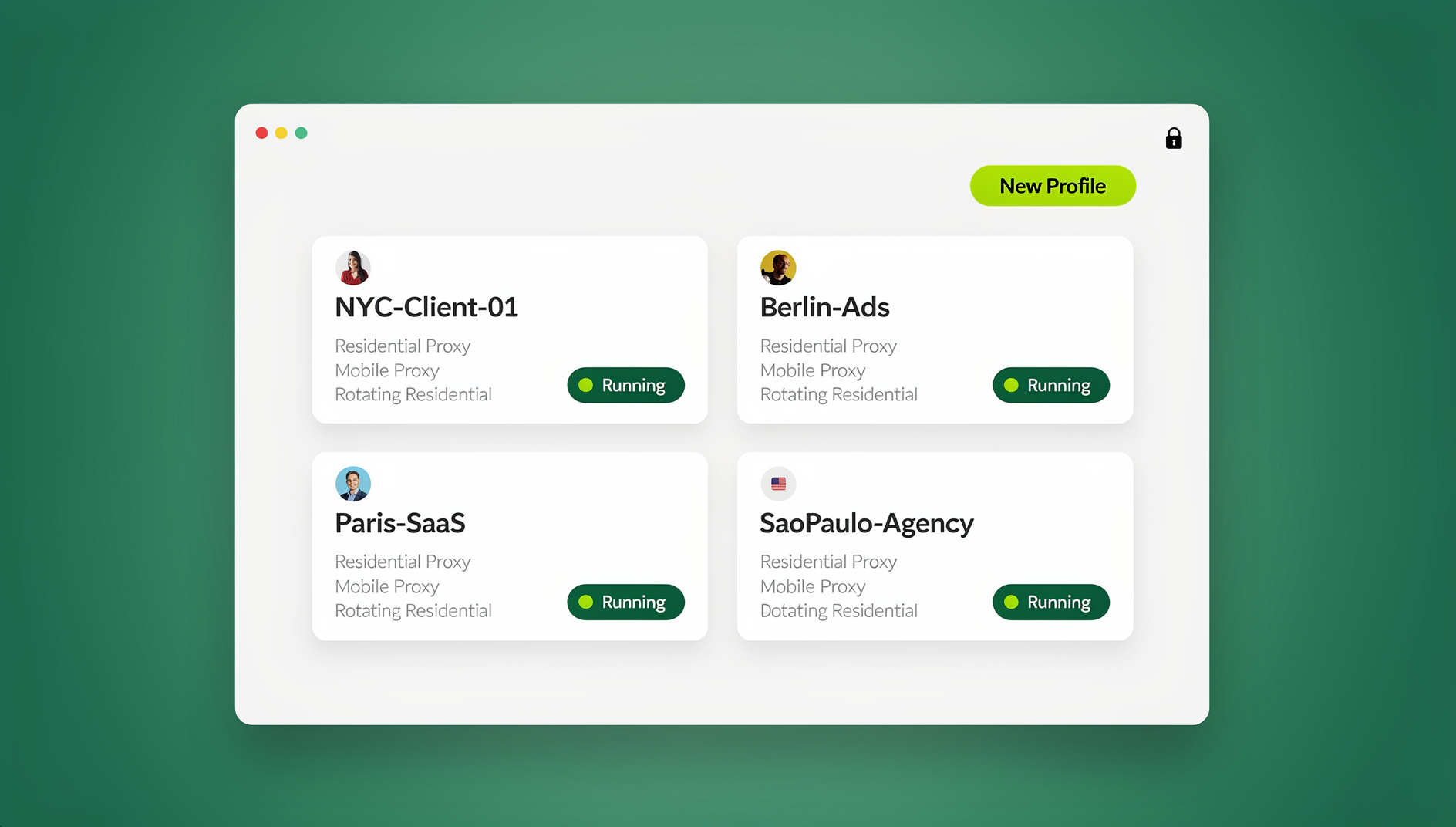
The sneaker secondary market has evolved into a multi-billion-dollar industry dominated by limited-edition drops, hyper-exclusive releases, and rapid sell-outs. Whether targeting Jordan 1 Retros on Nike SNKRS, Yeezy restocks on Adidas Confirmed, or Supreme box logo tees, securing multiple pairs during high-demand drops requires running dozens—or even hundreds—of simultaneous checkout tasks. However, anti-bot security providers have scaled up their detection mechanisms, making standard automated bots and basic script setups almost obsolete without specialized browser infrastructure.
Today’s anti-bot platforms do not simply look for fast button clicks; they perform real-time cryptographic handshakes, inspect browser execution environments, monitor mouse movement physics, and cross-reference hardware parameters. In this guide, we dive deep into the anti-bot ecosystem, explaining how an antidetect browser provides the ultimate foundational engine for successful sneaker copping in 2026.
How Modern Anti-Bot Systems Target Sneaker Resellers
Major footwear retailers and brand portals rely on enterprise anti-bot services to protect their limited releases. Companies like Akamai, DataDome, Cloudflare, and PerimeterX (HUMAN) deploy sophisticated client-side challenges to distinguish legitimate manual buyers from automated scaling operations.
Understanding these protection mechanisms is critical for designing successful copping workflows:
- TLS / JA3 / JA4 Fingerprinting: When your browser opens an HTTPS connection to a site like Nike or Supreme, it performs a TLS (Transport Layer Security) handshake. The specific ciphers, extensions, and elliptic curves supported by your browser create a distinct cryptographic signature known as a JA3 or JA4 fingerprint. Standard Python requests, Node.js scripts, or unpatched headless browsers present default TLS signatures that anti-bot services instantly flag as bot traffic before a single HTML page even loads. For more details on anti-bot defense layers, check out our guide to bypass anti-bot security.
- Browser Environment & Automation Detection: Anti-bot scripts run JavaScript challenges inside the client browser to inspect window variables. They check for flags such as
navigator.webdriver = true, modified Chrome DevTools Protocol (CDP) signatures, missing browser plugins, or abnormal screen dimensions. If any automation flag is detected, your checkout attempt is redirected to a endless CAPTCHA loop or silently rejected. - Canvas, WebGL, and AudioContext Telemetry: Every graphics card and driver combination renders HTML5 canvas images and WebGL 3D shaders with minute pixel variations. Anti-bot engines generate invisible test patterns on the page and hash the output. If fifty checkout profiles submit identical canvas hashes from different residential IPs, the security system identifies them as belonging to a single machine farm. Learn how hardware telemetry works in our browser fingerprint explained analysis.
- Behavioral & Biometric Analysis: Systems like Cloudflare Turnstile and DataDome evaluate real-time user interaction data, including mouse cursor trajectories, keypress intervals, touch events, and scroll physics. Straight-line cursor movements or instant programmatic clicks fail entropy tests and trigger security blockades.
- IP Reputation & Rate Limiting: Anti-bot providers maintain massive global IP threat intelligence feeds. Requesting drop pages repeatedly from datacenter IPs, public VPNs, or flagged subnets results in immediate HTTP 403 Forbidden errors or aggressive CAPTCHA challenges.
The Mechanics of an Antidetect Browser for Sneaker Botting
An antidetect browser serves as an isolated runtime container that replaces the vulnerable signature of generic scripts with a fully authentic, customized browser environment. Rather than attempting to block security scripts, an antidetect browser executes anti-bot challenges natively inside isolated Chromium engine instances while spoofing all underlying hardware attributes.
Here is how key components work together during a sneaker drop:
| Detection Vector | Generic Bot / Headless Script | Antidetect Browser Solution | Impact on Sneaker Copping |
|---|---|---|---|
| TLS Handshake (JA3/JA4) | Exposes Python / Node Ciphers | Native Chromium TLS Stack | Passes Initial Gateway Checks |
| Canvas & WebGL Hashes | Identical Across All Tasks | Unique Spoofed Noise per Profile | Prevents Profile Cross-Linking |
| Session Isolation | Shared Cookies / Cache Leaks | Strict Containerized Sandboxes | Allows 100+ Unique Billing Profiles |
| Proxy Binding | Global OS Proxy or WebRTC Leak | Per-Profile Residential Proxy + Leak Protection | Zero IP Mismatch Bans |
By implementing strict session isolation, each profile operates with its own independent cookie vault, local storage engine, indexedDB instance, and cache partition. This guarantees that site cookies or tracking pixels from Task #1 cannot leak into Task #2, keeping your checkout accounts completely segregated.
Key Anti-Bot Protection Mechanisms & How Antidetect Browsers Bypass Them
1. Akamai Bot Manager (Nike SNKRS & Supreme)
Akamai Bot Manager is used by top tier footwear portals like Nike SNKRS and Supreme. It generates a complex client payload (sensor data) by capturing DOM interaction timings, mouse movement vector curves, device orientation data, and canvas hashes.
Antidetect browsers bypass Akamai by rendering pages inside authentic browser windows with modified native rendering engines. When combined with realistic human interaction simulation (natural scrolling and curved mouse vectors), the sensor data payload generated matches that of a real human buyer perfectly.
2. DataDome (Foot Locker, Champs Sports, Finish Line)
DataDome evaluates requests at the edge within milliseconds, analyzing HTTP headers, TLS fingerprint consistency, and IP subnet reputations. If DataDome detects an anomaly, it immediately drops an aggressive CAPTCHA slider challenge.
Antidetect browsers neutralize DataDome by binding high-quality residential proxy browsers to isolated profiles with pre-warmed Google cookies. Pre-warming cookies inside an antidetect profile ensures high trust scores, causing DataDome to allow automated checkouts without triggering CAPTCHA prompts.
3. Cloudflare Turnstile & Challenge Pages
Cloudflare Turnstile replaced traditional reCAPTCHAs with non-intrusive JavaScript challenges. Turnstile evaluates browser capability, WebAssembly execution speeds, and window API integrity in real time.
Because antidetect browsers utilize full Chromium cores with authentic V8 JavaScript engines, Turnstile challenges execute natively without throwing execution errors or timing anomalies, passing challenges seamlessly in under a second.
Configuring Send.win for High-Speed Sneaker Copping
Send.win provides sneaker resellers and automation developers with a powerful, flexible environment engineered for anti-bot resilience. It offers native desktop software (Sendwin Browser) optimized for high frame rates and low latency, as well as Cloud Browser Sessions for running profiles in the cloud without local software installation.
Follow this step-by-step workflow to configure Send.win for upcoming sneaker drops:
- Create Profile Bundles: Launch Send.win and set up dedicated profile groups corresponding to target sites (e.g.,
Nike_SNKRS_Drop_USorFootsites_Release_01). - Generate Authentic Fingerprints: Allow Send.win’s fingerprint engine to generate unique hardware signatures for each profile. Ensure that operating systems, WebGL vendor strings (NVIDIA, AMD, Apple M-Series), screen resolutions, and font lists are naturally varied across your profile pool.
- Assign Dedicated ISP / Residential Proxies: Attach static residential (ISP) proxies to each profile. Configure proxy authentication credentials and run the built-in proxy check to confirm zero WebRTC leaks, correct DNS resolution, and low ping latency to drop servers.
- Warm Accounts & Build Trust Cookies: Prior to drop day, launch your profiles and browse non-commercial pages (YouTube, Gmail, news portals). Log into Google accounts within each profile to accumulate One-Click CAPTCHA tokens. Send.win automatically saves cookie states across sessions.
- Automate Checkouts via Automation API: Connect custom copping scripts written in Selenium, Puppeteer, or Playwright directly to Send.win via the local Automation API (available on both Pro and Team plans). Your scripts control the browser UI while Send.win manages all fingerprint masking, header headers, and session containerization.
Best Practices for Copping Limited Drops on SNKRS, Adidas, and Supreme
Using an antidetect browser gives you a massive technical edge, but combining it with proven operational practices ensures maximum success rates during drop events:
1. Jig Billing and Shipping Addresses
Retailers cancel duplicate orders destined for the exact same physical address. Address jigging involves making subtle modifications to your shipping details that postal carriers ignore but site security filters view as unique entries:
- Street Abbreviations: 123 Main Street vs 123 Main St vs 123 Main St. Apt 1A.
- Prefix Jigs: Suite A1-123 Main Street vs Unit B-123 Main Street.
- Name Variations: Use different middle initials or family member names for each checkout profile.
2. Deploy Virtual Credit Cards (VCCs)
Never reuse a single credit card across multiple checkout tasks. Anti-bot engines instantly cancel orders sharing identical credit card numbers. Pair each Send.win profile with a unique Virtual Credit Card (VCC) issued by providers like Privacy.com, Revolut, or Stripe Issuing. Match the VCC billing name and zip code with your profile’s assigned address jig.
3. Stagger Request Timings
Sending fifty checkout requests at the exact same millisecond triggers rate-limiting blocks regardless of fingerprint quality. Set your automation scripts or manual launch routines to stagger task start times by 200ms to 1500ms. This simulates organic traffic spikes rather than an orchestrated bot attack.
4. Warm Cookies Before Drop Day
Fresh, empty browser sessions carrying zero cookie history raise suspicion on high-security checkout pages. Spend 5–10 minutes per profile visiting target storefronts, adding items to cart, browsing categories, and accepting cookie consent banners 24–48 hours prior to the drop.
Comparison: Standard Bots vs. Browser Extensions vs. Send.win Antidetect
To understand why professional resellers are migrating toward antidetect browsers, evaluate how Send.win compares to legacy copping methods:
| Feature / Capability | Standalone Sneaker Bots | Browser Multi-Account Extensions | Send.win Antidetect Platform |
|---|---|---|---|
| Monthly Cost | $100 – $500+/month | Free / $10/month | $19/mo ($6.99/mo annual — 63% off) |
| Free Trial Options | None (Expensive Renewal Fees) | N/A | 30-Day Free Trial (No Credit Card) |
| Fingerprint Authenticity | Emulated (High Ban Rate) | Poor (Shared Canvas & WebGL) | Full Native Hardware Spoofing |
| Cloud vs Desktop Flexibility | Desktop / VPS Only | Desktop Only | Native Desktop App + Cloud Sessions |
| Scripting & Automation API | Closed Proprietary Logic | No API Support | Playwright / Selenium / Puppeteer API |
| Profile Capacity (Entry Tier) | 50–100 Tasks | Unlimited (Unisolated) | 150 Profiles (Pro) / 500 Profiles (Team) |
🏆 Send.win Verdict
Bypassing modern anti-bot protection like Akamai, DataDome, and Cloudflare during high-demand sneaker releases requires true browser profile isolation and precise hardware fingerprint control. Traditional bots and basic browser extensions fail because they leak hardware signals and TLS signatures. Send.win provides resellers and automation specialists with an enterprise antidetect browser, complete with full profile containerization, proxy binding, and Playwright/Puppeteer API integration starting at just $19/mo ($6.99/mo billed annually — 63% off).
Try Send.win free today — launch your 30-day free trial with zero credit card required and supercharge your sneaker copping infrastructure.
Frequently Asked Questions
Why do sneaker sites block my checkout tasks when using proxies?
Proxies alone only mask your IP address. Sneaker sites like Nike, Supreme, and Foot Locker use advanced browser fingerprinting (Canvas, WebGL, AudioContext, TLS ciphers) to identify the machine behind the proxy. If multiple tasks share identical hardware fingerprints or expose automation flags, anti-bot systems block the checkout regardless of how clean your proxies are.
Can an antidetect browser replace traditional sneaker bots?
Yes. Many modern resellers use antidetect browsers like Send.win combined with custom lightweight scripts (Playwright, Selenium, or Puppeteer) instead of expensive traditional bots. This setup provides superior anti-bot bypass capabilities, custom control over checkout logic, and significantly lower monthly operating costs.
What is TLS fingerprinting and why does it affect sneaker copping?
TLS fingerprinting (JA3/JA4) analyzes the cryptographic negotiation parameters sent when your browser establishes a secure connection. Automated HTTP scripts (such as Python requests) send default TLS cipher signatures that anti-bot services instantly identify as non-browser traffic. Antidetect browsers execute native Chromium TLS handshakes, ensuring your request looks identical to a regular manual buyer.
How many profiles do I need to cop limited sneakers successfully?
While winning a single pair on minor restocks may only require 5–10 profiles, competing for major releases on SNKRS or Supreme typically requires running 50 to 150+ profiles simultaneously. Send.win’s Pro plan supports 150 isolated profiles, while the Team plan supports up to 500 profiles across 16 seats.
Which proxy type is best for sneaker botting with Send.win?
Static residential (ISP) proxies and high-speed residential proxies are the gold standard for sneaker copping. ISP proxies combine the high trust scores of residential connections with the fast response speeds of datacenter networks, ensuring fast queue entry without triggering security flags.
Does Send.win support automated browser scripts like Playwright and Selenium?
Yes. Send.win features a robust Automation API available on both Pro and Team plans. You can connect Playwright, Selenium, or Puppeteer scripts to your Send.win browser profiles, allowing you to automate login routines, cart actions, and checkout forms inside fully masked, fingerprint-protected browser instances.
How does Send.win prevent profile cross-contamination during drops?
Send.win isolates cookies, local storage, WebGL hashes, Canvas fingerprints, system fonts, and WebRTC parameters into separate profile containers. Every checkout profile operates as an entirely independent browser instance, guaranteeing zero data leakage between tasks.
Can I use Send.win without installing any software on my computer?
Yes. Send.win offers Cloud Browser Sessions that allow you to create, manage, and run isolated browser profiles directly in the cloud without installing any desktop software, in addition to the native Sendwin Browser client for desktop users.
Automate Antidetect Browser For Sneaker Botting With Send.win
Send.win pairs isolated, fingerprint-managed browser profiles with a full Automation API, so your scripts run in profiles that look and behave like real, separate users:
- Selenium, Puppeteer & Playwright support – drive any profile programmatically (Team plan)
- Isolated profiles – each with its own fingerprint, cookies, and storage
- Built-in residential proxies – with automatic timezone, locale, and WebRTC matching
- Desktop app for Windows, macOS & Linux – plus cloud sessions when you don’t want a local install
Try the instant cloud browser demo — no install, straight from your browser. Then compare plans: a 30-day free trial with no credit card, and paid plans from $6.99/month billed annually.