Why Blurring Sensitive Information While Screen Sharing Still Trips People Up in 2026
Every time you hop on a Zoom call, record a Loom walkthrough, or share your screen in a support ticket, you’re one accidental click away from exposing something you didn’t mean to: a customer’s email inbox, a bank balance, an API key sitting in a terminal tab, or a Slack DM that pops up mid-demo. Blurring sensitive information while screen sharing or recording isn’t a “nice to have” anymore — it’s a basic hygiene step for anyone who works on camera, records tutorials, does customer support, or presents dashboards to clients.
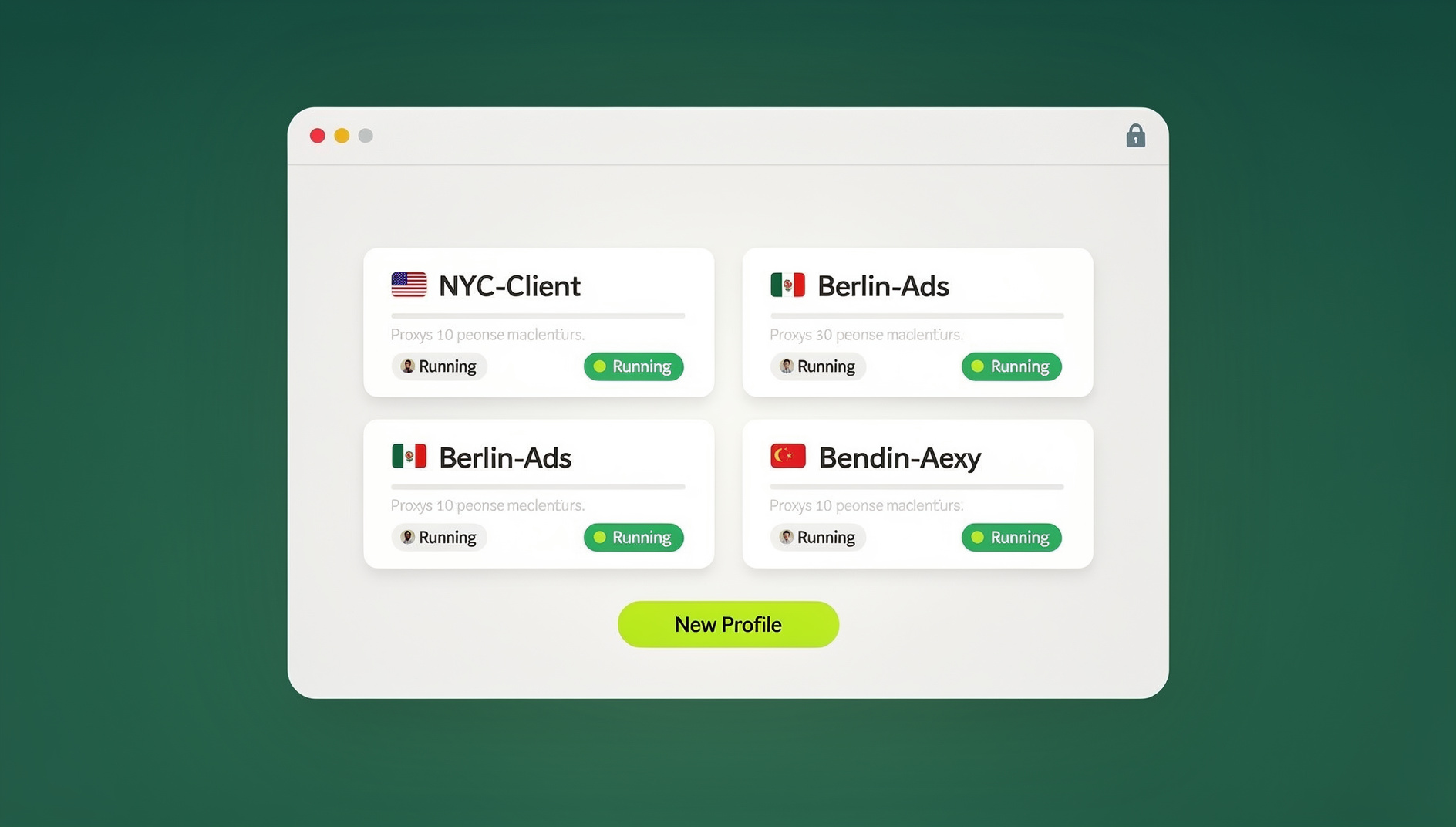
The stakes are higher than they were a few years ago. Remote and hybrid work means more people are screen sharing more often, recorded video calls get archived and re-watched (and sometimes leaked), and browser tabs are more cluttered than ever with logged-in accounts, saved passwords, and open finance apps. A single unblurred frame in a recorded onboarding video or a support screen share can end up indexed, forwarded, or sitting in a shared drive for years. This guide covers exactly what to blur, which tools actually do real-time content blurring (versus just background blur), and how to build a repeatable workflow so you’re not manually second-guessing every share.
What Actually Counts as “Sensitive Information” On Your Screen
Before you can blur the right things, it helps to know what actually qualifies. Most people only think about the obvious stuff (passwords, card numbers) and miss the quieter leaks that happen in the background of a call.
Personal & Financial Data
- Full names, home addresses, and phone numbers visible in forms or spreadsheets
- Bank account numbers, routing numbers, and balances in finance dashboards
- Credit card numbers, CVVs, and billing addresses in checkout or admin panels
- Social Security numbers, tax IDs, or government ID scans
Business & Client Data
- Customer records, CRM entries, and support tickets with personal details
- Internal pricing, contracts, and unreleased product roadmaps
- Analytics dashboards showing revenue, ad spend, or conversion data you’re not ready to share publicly
- Email addresses and message threads visible in an open inbox tab
Credentials & Session Data
- API keys, tokens, and environment variables in a code editor or terminal
- Browser autofill suggestions and saved password dropdowns
- Session cookies or auth headers visible in browser dev tools
- Notification pop-ups from email, messaging apps, or 2FA codes arriving mid-recording
That last category is where most accidental leaks actually happen — not because someone forgot to blur a spreadsheet, but because a notification banner slid in from the corner while they were recording something completely unrelated.
Native Blur Options in Popular Screen Sharing and Recording Tools (And Their Limits)
Most video conferencing apps now ship with some kind of “blur” feature, but it’s important to understand what it actually blurs — because in almost every case, it’s your background, not your content.
Zoom, Google Meet, and Microsoft Teams: Background Blur Isn’t Content Blur
Zoom, Meet, and Teams all offer a virtual background or background-blur option. That feature softens the room behind you — your bookshelf, your kitchen, your coworker walking past — so viewers can’t see personal details in your physical environment. It does nothing for your screen share. If you share your screen with a spreadsheet full of customer emails open, background blur has zero effect on that spreadsheet. This is the single most common misunderstanding people have about “blur” settings in meeting apps.
Loom, OBS Studio, and Screen Recorders: Even Less Built-In Protection
Recording tools like Loom and OBS Studio are built for capturing exactly what’s on your screen, which means they generally have no live content-blur feature at all. Some offer basic camera-bubble blur or a “hide desktop notifications” toggle, but selectively obscuring a region of the screen — like a name field or an account number — isn’t something these tools do natively. You either need a separate blur/redaction tool running before you hit record, or you’re stuck fixing it in post-production, which is slower and easy to skip when you’re in a hurry.
| Tool | Background Blur | On-Screen Content Blur | Real-Time / Live | Post-Production Editing |
|---|---|---|---|---|
| Zoom | Yes | No | N/A | No (native) |
| Google Meet | Yes | No | N/A | No (native) |
| Microsoft Teams | Yes | No | N/A | No (native) |
| Loom | Camera only | No | No | Limited trim/crop |
| OBS Studio | Via plugin | Via manual filter setup | Manual config required | N/A (live tool) |
| Send.win (Sendwin Browser) | N/A (native app) | Yes — click-to-blur any region | Yes | N/A (blur applied live before/during share) |
How to Blur Specific On-Screen Content Before You Share or Record
Because native meeting and recording apps don’t handle content-level blurring, the more reliable approach is to blur sensitive regions directly in your browser before you ever hit “Share Screen” or “Record.” That way the sensitive content is already obscured in the tab itself, regardless of which conferencing or recording tool is capturing your screen.
Step-by-Step: Blurring Sensitive Info With Send.win
- Open the page or dashboard you’re about to share in Sendwin Browser — the native desktop app for Windows, macOS, and Linux — or launch a cloud browser session if you’d rather not install anything locally.
- Select the text or region you want to hide — a name field, a balance, an email thread, an account number.
- Right-click and choose the blur option from Send.win’s menu (first-time use will prompt you to create a saved session, which you can name and group so it’s easy to reapply later).
- Click “Blur Content” and the selected area is instantly obscured on-screen — not just visually dimmed, but rendered unreadable to anyone viewing your share or the resulting recording.
- Repeat for additional regions. You can blur as many separate elements on a page as you need — line items in a table, individual cells, a whole sidebar.
- Start your screen share or recording as normal in Zoom, Teams, Meet, Loom, or OBS — the blurred regions stay blurred because they’re baked into the page rendering, not a filter your meeting app has to know about.
- Unblur when you’re done by clicking the same region again — it reverts to the original content instantly, so you’re not stuck re-loading the page.
Because the blur is saved to a session, you can reuse it the next time you pull up the same dashboard or CRM view instead of re-selecting every field manually — which matters a lot if you do recurring demos, support calls, or weekly reporting screen shares.
Extending Redaction to Your Whole Desktop With the Send.win Desktop App
Browser-tab blurring solves the most common case, but plenty of screen shares capture more than a browser — a native Slack app, a terminal window, a design tool, or a second monitor with an email client open. This is where Send.win’s desktop app (a native client for Windows, macOS, and Linux) becomes relevant: it runs your isolated browser profiles as standalone desktop windows, separate from whatever else is open on your machine. That means when you’re sharing “just the Send.win window” instead of your full desktop, a background tab logged into a personal account, a different client’s dashboard, or an unrelated inbox simply isn’t in the shareable surface at all — you don’t have to trust yourself to remember to close it before you hit record.
Automating Redaction for Recurring Recordings and QA Pipelines
If your team generates screenshots or recordings on a schedule — automated QA runs, weekly dashboard exports, or scripted product demos — manually blurring fields before every capture doesn’t scale. Teams on Send.win’s Team plan can use pre-configured, isolated profiles for these jobs, each with its own cookies, storage, sessions and fingerprint settings. You can set up a workflow where the profile used for captures already has sensitive fields masked or blurred by default, so a scheduled screenshot job or CI pipeline never has a chance to expose live customer data, even when no human is watching the run.
Manual and DIY Blurring Methods (When You Don’t Have a Dedicated Tool)
If you’re in a pinch and don’t have a browser-based blur tool installed, there are fallback options — though all of them come with real trade-offs.
Post-Production Blur in Video Editors
Tools like DaVinci Resolve, Adobe Premiere, or even simpler editors let you draw a blur box over a region and track it across frames. This works, but it only applies to recorded video — it does nothing for a live screen share, and tracking a moving cursor or scrolling page frame-by-frame is genuinely tedious for anything longer than a few seconds.
Old-School Physical Covers
Sticky notes over a second monitor, closing unrelated tabs, or cropping your share to a single window are all still valid habits — they’re just not scalable and rely entirely on you remembering to do them every single time. One missed tab is all it takes.
Blur Method Comparison: Live Tool vs Native App vs Manual Editing
| Method | Works Live (During Share) | Works on Recordings | Setup Effort | Reusable |
|---|---|---|---|---|
| Send.win click-to-blur | Yes | Yes (blur is baked in before recording starts) | Low — select and click once | Yes — saved sessions |
| Native app background blur | Background only | Background only | Low | Yes, but irrelevant to content |
| Video editor post-production blur | No | Yes | High — manual frame tracking | No — redo per video |
| Physical/manual covers | Yes | Yes | Medium — must remember every time | No — human-dependent |
Best Practices Checklist for Safely Screen Sharing Sensitive Info
- Do a dry run of your screen share before the actual call to catch anything you forgot to blur or close.
- Blur before you connect — don’t try to blur mid-call while people are already watching.
- Turn off notification banners for email, Slack, and messaging apps during any recording or share.
- Share a single application window rather than your full desktop whenever possible.
- Use separate, isolated browser profiles for client work, personal accounts, and internal dashboards so an accidental tab switch never surfaces the wrong account.
- Save reusable blur sessions for dashboards or pages you present repeatedly, instead of re-blurring from scratch.
- Review recordings before publishing or sharing them externally, even if you blurred live — a quick scrub-through catches anything that slipped through.
Common Mistakes That Leak Sensitive Data Anyway
Even people who know they should blur sensitive information make the same handful of mistakes repeatedly:
- Blurring too late. Waiting until you’re already sharing to hunt for sensitive fields means you’re reacting instead of preventing.
- Forgetting notification pop-ups. A 2FA code or DM preview sliding in from the corner is one of the most common accidental leaks in recorded demos.
- Sharing the whole desktop instead of a single window, which exposes taskbars, other open apps, and file names.
- Trusting background blur to hide content — it was never designed for that, and it’s the single most common misconception covered above.
- Reusing one browser profile for everything, so a client-facing dashboard sits one tab away from a personal or unrelated account.
- Not testing the recording afterward before sending it to a client or publishing it publicly.
Industries Where This Matters Most
Finance and Accounting
Screen shares involving account balances, transaction histories, or tax documents carry real regulatory weight — a casual demo call is not the place for an unblurred balance sheet.
Healthcare
Patient records, appointment details, and billing information shown on a shared screen can trigger compliance issues well beyond simple embarrassment.
Customer Support and SaaS
Support agents routinely screen-share customer accounts to troubleshoot — and just as routinely have other customers’ tickets, emails, or account IDs sitting in adjacent browser tabs.
Software Development and QA
Terminal windows, `.env` files, and API keys are some of the easiest things to accidentally expose during a pair-programming session or a bug-report recording.
Recruiting and HR
Reviewing candidate profiles or internal HR dashboards on a shared screen risks exposing other candidates’ personal data, salary bands, or internal notes.
Reduce Exposure at the Source: Isolate Accounts Before You Even Hit Record
Blurring content in the moment is a great last line of defense, but the deeper fix is reducing how much sensitive data sits exposed in your browser in the first place. This is where browser isolation comes in — running each client, project, or account in its own contained profile means a slip during a screen share can’t surface an entirely different account’s data, because that data was never loaded into the same window to begin with.
The same logic applies to credentials and login state. If your team relies on shared logins for tools you demo often, proper session isolation keeps each login’s cookies and cache walled off from the others, so a recording of one account never accidentally carries over another account’s autofill suggestions or saved session data. And when multiple teammates need to present from the same set of accounts, sharing access without handing out passwords means the person presenting never has raw credentials sitting in a password manager popup that could show up on screen.
It’s also worth cleaning up what accumulates quietly in the background — old cookies, cached logins, and autofill data from accounts you no longer use are exactly the kind of thing that resurfaces at the worst moment, like a dropdown suggestion during a live demo. A proper cookie management routine keeps that clutter from building up in the profile you use for client-facing calls.
🏆 Send.win Verdict
Native blur features in Zoom, Teams, and Meet only hide your background — they do nothing for the sensitive account numbers, customer records, or credentials sitting in your browser tabs. Send.win closes that gap with click-to-blur content redaction, isolated browser profiles that keep client and personal accounts from ever sharing a window, and a native desktop app for Windows, macOS, and Linux that keeps unrelated apps off your shareable surface. It’s the difference between hoping nothing slips through and knowing it can’t.
Try Send.win today — plans start at $19/mo, and your first card purchase is covered by a 7-day money-back guarantee, so you can blur your first sensitive field before your next call.
Frequently Asked Questions
What’s the easiest way to blur sensitive information during a live screen share?
Blur the sensitive regions in your browser before you start sharing, using a click-to-blur tool like Send.win. Since the blur is applied to the page itself rather than as a filter inside your meeting app, it stays in place no matter which conferencing tool you’re using to share your screen.
Does Zoom, Teams, or Google Meet have a built-in blur tool for on-screen content?
No. All three offer background blur, which softens the room behind you on camera, but none of them can selectively blur content inside your screen share — a spreadsheet, dashboard, or open tab will display exactly as-is unless you blur it separately beforehand.
Can I blur part of a video after I’ve already recorded it?
Yes, using a video editor with a trackable blur box, but it’s slow and manual — you have to track the region across every frame, including any scrolling or cursor movement. It’s much faster to blur sensitive content live, before or during recording, so there’s nothing to fix afterward.
Is blurring reversible if I accidentally blur the wrong region?
With Send.win, yes — clicking the same blurred region again instantly reverts it to the original content, so there’s no need to reload the page or redo your setup if you blur the wrong field.
Does Send.win’s blur feature work on any website, or just specific apps?
It works on any web page you can view in the browser — CRMs, banking dashboards, internal tools, spreadsheets in Google Sheets, support ticket systems, and more. You select the region you want hidden and it blurs regardless of which site it’s on.
Do I need to install Sendwin Browser, or can I cover screen sharing in tools like Teams and OBS entirely in the cloud?
Sendwin Browser, the native desktop app for Windows, macOS, and Linux, handles blurring within its own browser tabs, which covers most cases. If you’d rather not install anything, you can run a cloud browser session instead — either way, when you’re sharing more than a browser tab (native apps, a second monitor, or your full desktop), sharing just that browser window keeps unrelated apps and tabs out of view entirely.
Can automated QA or support teams blur sensitive fields automatically instead of doing it manually every time?
Yes. Teams on the Team plan can run pre-configured, isolated profiles with sensitive fields already masked, so scheduled captures or automated test recordings don’t rely on someone remembering to blur anything by hand.
Is blurring sensitive information required by law, or just good practice?
It depends on your industry and what’s on screen. Healthcare, finance, and any business handling personal customer data often fall under compliance frameworks (like HIPAA or general data protection regulations) where exposing personal or financial information in a recording can carry real consequences. Even outside regulated industries, it’s simply good practice — recordings get archived, forwarded, and sometimes leaked long after the original call is forgotten.