Complete Guide: How to Manage Multiple Slack Accounts Easily
To learn how to manage multiple slack accounts without notification delays or system slowdowns, you can use Slack’s built-in workspace switcher or set up isolated browser sessions using a dedicated tool like the Sendwin Browser. While the official desktop client allows you to toggle between workspaces, running each Slack account in a separate, isolated browser profile reduces memory consumption, prevents authentication conflicts, and provides cleaner workspace segregation. Here is a step-by-step breakdown of the best strategies for managing Slack accounts.
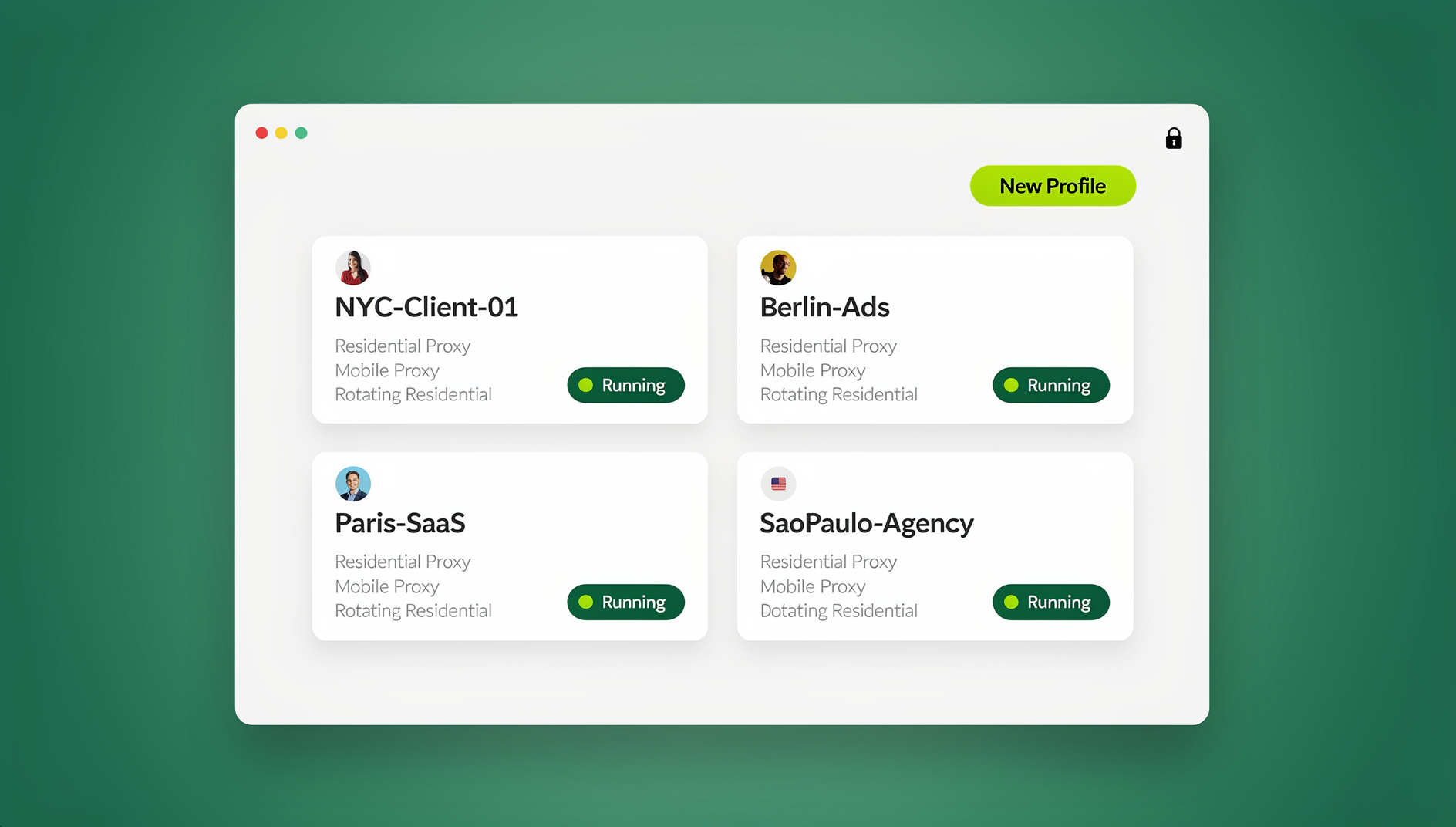
Slack has become the communication backbone of the modern enterprise. It connects team members, channels client discussions, and integrates productivity apps into a single interface. However, as business landscapes become more collaborative, professionals increasingly find themselves operating across multiple Slack workspaces. Juggling different client workspaces, community forums, and side projects simultaneously has become the default status quo for freelancers, remote agencies, and consultants.
Juggling multiple workspaces can quickly lead to cognitive overload. Constant context switching hurts concentration, while missing a critical direct message can delay projects. Additionally, running multiple workspaces in the official app consumes significant system resources. Understanding the technical reasons for these performance challenges is the first step toward building a better work environment. Without a structured plan, you will end up drowning in notifications and experiencing communication fatigue.
The Technical Challenges of Multi-Workspace Communication
Juggling several communication tools at once is not just an organizational challenge—it is also a technical constraint on your workstation. Let’s analyze how Slack handles session states and resource allocation behind the scenes.
Workspace-Specific Identities and Cookie Storage
Each Slack workspace runs as an independent identity provider. You can use different email addresses, display names, profile pictures, and notification schedules for each workspace you join. When you run Slack inside a standard web browser, all workspace tabs share the same cookie directory. If you are signed into workspace A with one identity and try to log into workspace B with a different identity, the browser can experience cookie conflicts, resulting in login errors or session expiration.
For individuals seeking absolute cookie control across multiple professional environments, setting up a specialized session isolation system using a Cookie Management Tool Complete Guide 2026 can help you isolate profile histories, saving you from constant logouts.
RAM and CPU System Overhead
The official Slack desktop application is built on top of software frameworks that wrap web-based interfaces in a native window. While this helps developers build cross-platform apps, it consumes significant resources. Every workspace you add to the Slack desktop client spawns background processes that run independently. If you are active in five workspaces, your computer is running five separate instances of a web browser engine behind the scenes, draining your memory and slowing down your workstation. This can make video calls laggy and decrease overall system responsiveness.
Method 1: Utilizing Slack’s Official Multi-Workspace App
Slack’s official desktop client offers a built-in sidebar that lets users connect to multiple workspaces. This is the most common starting point for new users.
Adding a New Workspace
- Launch the Slack desktop client.
- Look at the left-hand sidebar, which displays your current workspace icons.
- Click the + button at the bottom of the workspace list.
- Select Sign in to another workspace.
- A browser window will open, prompting you to authenticate. Choose the workspace you want to add, enter your credentials, and approve the login.
- The new workspace icon will appear in the sidebar.
Keyboard Shortcuts for Quick Navigation
Once you have added your workspaces, you can use keyboard shortcuts to switch between them quickly without touching your mouse:
| Desired Action | macOS Shortcut | Windows/Linux Shortcut |
|---|---|---|
| Switch to the Next Workspace | ⌘ + Shift + ] | Ctrl + Shift + ] |
| Switch to the Previous Workspace | ⌘ + Shift + [ | Ctrl + Shift + [ |
| Jump to a Specific Workspace | ⌘ + [Workspace Number] | Ctrl + [Workspace Number] |
| Open the Quick Switcher | ⌘ + K | Ctrl + K |
If you are trying to handle multiple logins across various platforms, a standard Chrome Multi Account Multi Account Management Guide 2026 approach might help you organize standard accounts, but Slack’s unique authentication demands and heavy memory footprint make simple browser setups difficult to maintain for long-term productivity.
Method 2: Structuring Your Slack Notifications and Time-Blocking
Workspace fatigue is a real problem. If you receive alerts from six workspaces at once, your workday will feel chaotic. Organizing your notification settings is critical for maintaining deep focus.
Defining Priority Tiers
Classify your workspaces into three distinct priority levels:
- Tier 1: Core Workspace: This is your primary employer or main client. Keep notifications enabled for all new messages, and set up push alerts on your phone. This keeps you in sync with core colleagues.
- Tier 2: Active Clients: These are organizations you support daily but do not need to monitor in real-time. Set notifications to “Mentions and Direct Messages only” to block out general channel noise.
- Tier 3: Communities & Networks: These are professional networks, user groups, or casual channels. Mute notifications entirely and only check these workspaces during dedicated down times.
Time-Blocking for Routine Sweeps
Instead of keeping every workspace open all day, close low-priority channels and check them at scheduled times. For example, spend 10 minutes at 9:00 AM, 1:00 PM, and 5:00 PM scanning client workspaces. This blocks constant interruptions while ensuring that you respond to important requests within a few hours. This simple shift in workflow can save hours of distracted web browsing daily.
Method 3: Advanced Session Isolation with Send.win
For heavy Slack users who support multiple client organizations, standard workspaces and local browser profiles can be inefficient. This is where Send.win provides a secure, lightweight, and professional workspace environment.
Similar to managing multiple complex browser workspaces, as detailed in our guide on choosing a Browser For Ads Management Browser Isolation Guide 2026, communication tools require clean session separation to prevent overlapping accounts. The security challenges of managing different identities in Slack are similar to those in other multi-profile setups, such as the strategies outlined in our guide on running Multiple Amazon Accounts Multi Account Management Guide 2026.
Send.win isolates all browser cookies, session data, and cache files within independent container profiles. This lets you run multiple Slack sessions side-by-side without interference.
With Send.win, you can choose from two execution modes:
- Sendwin Browser Desktop Client: A native application for Windows, macOS, and Linux that runs isolated browser profiles locally. This provides maximum speed, desktop integration, and hardware performance.
- Cloud Browser Sessions: A zero-install option where browser profiles run on remote, secure cloud servers. This lets you access your Slack workspaces from any device—even a tablet or mobile phone—without saving any data locally.
In addition, Send.win allows you to assign specific proxy profiles to individual sessions, which is helpful if a client workspace restricts access to specific regions. The Team plan also supports session sharing, so you can delegate a Slack profile to a coworker without sharing the underlying password or triggering multi-factor authentication (MFA) prompts.
Best Practices for Slack Channel Organization Across Teams
When you are managing multiple Slack workspaces, organizing channels inside each workspace is key to staying productive. If every channel is active, you will be constantly distracted. Use these organizational techniques to keep your sidebar clean and focused:
- Mute Noisy Channels: Do not hesitate to mute channels that do not require your direct attention. Muted channels will still show up as unread, but they will not trigger alerts or badge counts on your sidebar. This filters out office noise and highlights crucial messages.
- Use Custom Sidebar Sections: Slack allows you to group channels into custom sections. Create sections like “Active Projects,” “Direct Messages,” and “Casual Chat” to organize your channels. This helps you focus on priority areas first and keeps client logs separated.
- Star Crucial Conversations: Star channels or direct messages that are critical to your daily work. Starred conversations stay pinned to the top of your sidebar, making them easily accessible. This prevents you from searching through long lists to find vital threads.
Collaborative Workflows and Shared Channels
Beyond using multiple accounts, modern enterprise collaboration relies on connecting teams across organizational boundaries. Understanding cross-organization tools helps reduce account clutter and keeps all stakeholders in the loop.
Slack Connect for Partner Collaboration
Slack Connect is a built-in feature that allows paid organizations to share specific channels. Instead of logging into a client’s workspace with a separate account, they invite you to a shared channel using your primary organization account. This lets you stay in your home environment while chatting directly with partners. This is highly efficient but depends on both sides holding paid Slack subscriptions and having admin approvals configured.
Centralizing Shared Assets Across Channels
When working in multiple workspaces, sharing files and notes can become confusing. Create a central repository (using tools like Notion or Google Drive) and link it across your workspaces. This prevents you from searching through five different workspaces to find a specific contract or design file. Documenting your shared link rules saves administrative overhead for your team and reduces project delays.
Optimizing System Performance During Heavy Usage
If you run multiple Slack web instances or desktop apps, your machine can quickly heat up and experience lag. Here are performance optimization tips to keep your workstation running fast throughout the day.
Disabling Rich Media Auto-Play
Slack channels are often filled with animated GIFs, embedded video clips, and high-resolution images. In your Slack accessibility preferences, disable automatic GIF playback and rich previews. This reduces the work your graphics card and memory must do, keeping your hardware running cooler and faster. It also reduces network bandwidth consumption when working on slow connections.
Clearing Local Cache Files Regularly
Slack stores cached images, attachments, and logs locally to speed up load times. Over months of active use across multiple workspaces, this cache can grow to gigabytes of data. Navigate to Slack’s help menu and clear the application cache monthly, or use isolated browser profiles that automatically discard unneeded cache variables upon closing. This restores valuable disk space and fixes common loading bugs.
🏆 Send.win Verdict
Juggling multiple Slack workspaces can quickly drain your computer’s RAM and distract you from deep work. Send.win provides a professional solution with its native desktop application and cloud-based sessions, allowing you to isolate workspaces, limit hardware resource drain, and stay productive across different client organizations.
Try Send.win free today — take control of your workspaces and streamline your Slack workflows.
Frequently Asked Questions
Can I log into multiple Slack workspaces with different emails?
Yes. Slack allows you to join workspaces using different email addresses. With the official desktop client, you can add them side-by-side. If you run them in a web browser, using a multi-session tool like Send.win will prevent cookie conflicts between different email accounts.
Why does the Slack desktop app slow down my computer?
The Slack desktop client runs on a framework that spawns separate browser engine processes for every workspace you add. As you add more workspaces, these processes consume significant RAM and CPU, which can slow down older or lightweight computers.
How does Send.win isolate different Slack workspaces?
Send.win stores cookies, local storage, cache, and session variables in separate, sandboxed containers. This ensures that Slack sessions cannot access data from other tabs, keeping your workspace identities secure and isolated.
Do I have to install software to use Send.win?
No. While Send.win offers a native Sendwin Browser desktop client for local performance, it also provides cloud browser sessions that run on secure remote servers. You can access these sessions from any modern web browser without installing any software.
Can I automate Slack actions using Send.win?
No. Send.win does not provide an Automation API on any plan, and it does not support automation tools like Selenium, Puppeteer, or Playwright.
What is the cost of using Send.win for workspace management?
Send.win offers a Pro plan for $19 per month or $83.88 per year, with 150 profiles and 5GB of proxy bandwidth. The Team plan is $49 per month or $251.88 per year and includes 500 profiles, 20GB of proxy bandwidth, and 16 team seats.
Is there a free trial for Send.win?
No. Send.win does not offer a free trial. Paid plans start at $19 per month, and the first card purchase is covered by a 7-day money-back guarantee. You can also try the free cloud demo at https://send.win/demo-browser/ to see how it fits into your daily workflow.
Can I share Slack sessions with my team?
Yes. With Send.win’s Team plan, you can securely share browser profiles with colleagues. This allows team members to access client Slack workspaces without sharing passwords or triggering security challenges.