5 Workflows to Manage Multiple OneDrive Accounts Without Sync Conflict
To manage multiple OneDrive accounts without sync conflicts or device restrictions, you can use browser profiles, set up Microsoft’s native personal and work sync pairing, or use an isolated environment like the Sendwin Browser desktop app or cloud browser sessions. While Microsoft’s desktop client officially limits you to syncing one personal and one work account, Sendwin allows you to run unlimited separate OneDrive accounts concurrently with persistent sign-ins and complete session isolation.
Microsoft OneDrive is a cornerstone of the corporate and educational world, deeply integrated into Windows, Microsoft 365, and Azure Active Directory. Because of this integration, it is common to find yourself holding multiple Microsoft accounts. You might have a personal account for photos and personal backups, a school account for academic coursework, and one or more professional accounts for client work. However, syncing all these accounts to a single computer can quickly lead to sync conflicts, file duplication, and account locks.
This article details five distinct workflows to access, organize, and sync files across multiple OneDrive accounts without causing system errors or data leaks. We will cover the native desktop client setup, browser workarounds, SharePoint integrations, and professional session isolation tools.
Why Users Need to Manage Multiple OneDrive Accounts in 2026
As the digital landscape evolves, professionals are rarely limited to a single workspace. Managing multiple cloud storage identities is key to maintaining productivity and security.
- Multiple Client Tenancy: Consultants, contractors, and agencies often receive dedicated Microsoft 365 credentials from different clients, requiring simultaneous access to separate OneDrive storage pools.
- Corporate Data Protection: Storing personal files on a corporate OneDrive is risky, as IT administrators have full visibility and access to files stored in work accounts.
- School and Work Overlap: Students who work part-time or professionals pursuing higher education must maintain access to academic resources alongside professional documents.
- Migration Processes: When changing companies or moving from an old personal account to a new one, accessing both accounts simultaneously is necessary to organize and move files.
Understanding the difference between security setups is key when handling these accounts. For a deeper look at protecting your browser environment, see our guide on session isolation.
Workflow 1: Microsoft OneDrive Native Client (The Dual-Account Limit)
Microsoft officially supports linking a maximum of two OneDrive accounts to the native desktop sync client on a single device, but they must be of different types.
The Rules of Native Syncing
You can sync exactly:
- One personal Microsoft account (associated with outlook.com, hotmail.com, or a basic Microsoft registration).
- One work or school account (managed by an organization using Microsoft 365 / Azure AD).
You cannot sync two personal accounts or two work accounts using the native desktop client installation. If you try to add a second work account, the app will return an error stating that you are already syncing an account from that organization type.
Setting Up Dual Syncing
- Click the OneDrive icon in your system tray (Windows) or menu bar (macOS).
- Click the gear icon and select Settings.
- Navigate to the Account tab.
- Click Add an account.
- Enter the login details for your second account (ensuring it is a different type than the one already logged in).
- OneDrive will create a separate folder in your file explorer (e.g., “OneDrive – Personal” and “OneDrive – [Organization Name]”).
This native setup is highly effective for basic users but fails the moment a consultant needs to access a third OneDrive account. In these cases, you must look beyond the standard client.
Workflow 2: Using Browser Profiles for Web-Based Multi-Accounting
Using browser profiles allows you to manage multiple OneDrive accounts on the web simultaneously without logging in and out of different sessions.
Step-by-Step Profile Set Up
- Open your web browser (Chrome, Edge, or Brave).
- Click your profile picture in the top-right corner of the window.
- Click Add and create a new profile named after your second account (e.g., “OneDrive Client B”).
- In the new window that opens, go to
onedrive.live.comand log in. - Repeat this process for every additional OneDrive account you own.
Advantages and Disadvantages
Web-based access allows you to open unlimited OneDrive spaces. You can access the online versions of Microsoft Word, Excel, and PowerPoint directly in your browser. However, web profiles do not sync files to your local hard drive. Any file editing must happen online, and moving files between accounts requires downloading them to your computer first and then uploading them to the destination. Managing several client workspaces this way can be slow. For more tips on improving your multi-account efficiency, see our overview of productivity hacks with Sendwin.
Workflow 3: SharePoint Document Library Sync (Work Account Workaround)
If you have multiple work accounts under different Microsoft 365 tenants, you can bypass the one-work-account limit by syncing specific SharePoint document libraries instead of syncing the whole OneDrive drive.
How to Configure SharePoint Sync
- Log into the web portal of your second work organization using a web browser.
- Navigate to the SharePoint site associated with the team or files you need to access.
- Open the Documents library.
- Click the Sync button in the top menu bar.
- Your browser will prompt you to open the local OneDrive desktop application.
- The desktop client will sync that specific library, creating a new corporate folder section in your File Explorer, separate from your main work OneDrive.
This allows local access to important team folders from other organizations. However, it requires admin permissions on the target SharePoint tenant to allow external syncing. It also consumes local drive space and does not give you full access to your personal OneDrive root directory on that second account.
Workflow 4: Sendwin — The Ultimate Multi-Account Isolation Platform
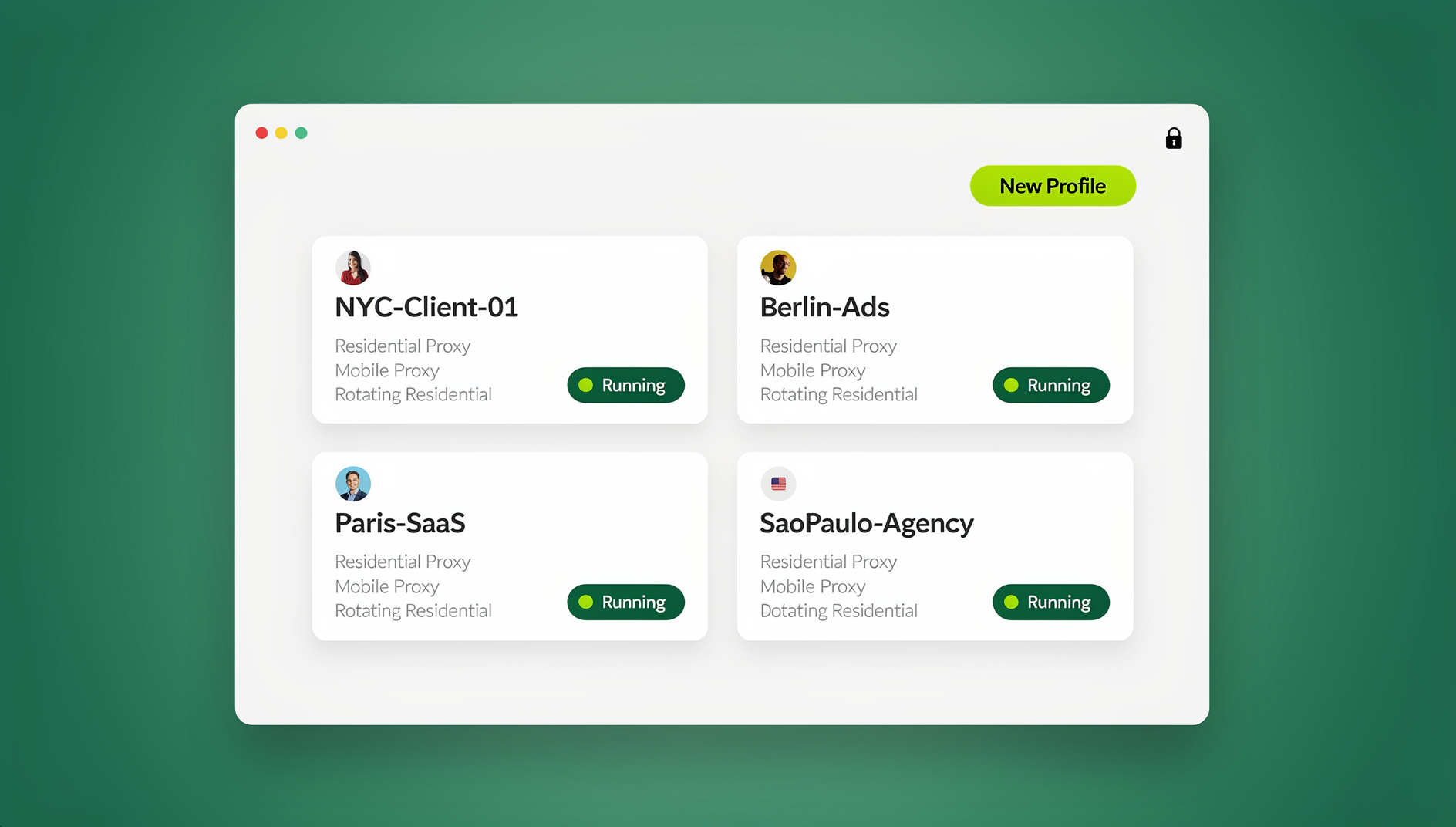
For professionals who manage many Microsoft 365 tenants and need local speed with complete data separation, Sendwin is the recommended solution. Sendwin is a specialized anti-detect browser that isolates digital identities, ensuring cookies, cache, and device parameters never leak between accounts.
Sendwin operates through two modes depending on your workflow:
- Sendwin Browser (Native Desktop App): A desktop browser client for Windows, macOS, and Linux that runs isolated profiles locally on your computer.
- Cloud Browser Sessions: A cloud-based solution that runs browser profiles on remote servers, requiring no local installation and letting you access OneDrive from any device securely.
With the Sendwin Browser native app and cloud sessions, you can manage multiple OneDrive accounts securely without session crossovers or sign-out issues. This is especially helpful if your clients use security tools like Okta or Conditional Access policies that block logins from unrecognized browser setups. Using a dedicated multi-login client is the easiest way to manage multiple accounts easily. To protect all your login sessions, check out our guide on using a multi-login browser.
Comparison of OneDrive Management Methods
The table below summarizes the key differences between the four primary workflows.
| Workflow Option | Account limit | Local Sync? | SSO Friendly? | Team Sharing? | Ideal Use Case |
|---|---|---|---|---|---|
| Native Client | Max 2 (1 Work, 1 Personal) | Yes | Yes | No | Basic users with one work and one personal account. |
| Browser Profiles | Unlimited (uses RAM) | No (web only) | Partial (conflicts exist) | No | Users needing quick web access to 3-4 accounts. |
| SharePoint Sync | Dependent on SharePoint limits | Yes | Yes | No | Accessing specific project folders on a second work tenant. |
| Sendwin | Unlimited (Pro: 150, Team: 500) | No (Cloud/Browser isolated) | Yes (completely isolated) | Yes | IT admins, MSPs, and agencies managing multiple client tenants. |
Troubleshooting Common Multi-Account OneDrive Errors
When operating multiple synchronized OneDrive directories, system glitches and cache overlaps are frequent. Understanding how to resolve these issues prevents data loss and maintains your sanity.
1. Resolving the 260-Character Path Limit
Windows operating systems historically limit absolute file paths to 260 characters. When syncing a work OneDrive account, Microsoft prefixes your local folder with “OneDrive – [Company Name Name Name]”. If you sync two corporate accounts, these prefixes eat a large chunk of your character limit before factoring in nested folders and filenames. If a file fails to sync with an “Invalid Path” or “Filename Too Long” error, you must either shorten the folder names in OneDrive Online or configure Windows to support long paths via Registry Editor (setting LongPathsEnabled to 1 under FileSystem settings).
2. Cleaning Up Credential Manager Cache Errors
Because OneDrive utilizes Microsoft’s unified SSO authentication, the local Windows Credential Manager can get confused when cache files are modified. This often results in a repeating loop where OneDrive asks you to sign in, but immediately fails after authentication. To fix this, you must close the OneDrive client, search for “Credential Manager” in the Windows start menu, select “Windows Credentials,” locate all entries starting with “MicrosoftOffice16” or “OneDrive,” remove them, and restart the OneDrive app to re-authenticate.
3. Resetting the Local OneDrive Client
If the desktop client freezes, fails to detect changes, or hangs indefinitely on “Processing changes,” resetting the software database is the fastest fix. This does not delete your local files; it merely forces OneDrive to rebuild its index. Open the Run command (Windows Key + R) and execute:
%localappdata%\Microsoft\OneDrive\onedrive.exe /resetIf it does not launch automatically after a few minutes, run:
%localappdata%\Microsoft\OneDrive\onedrive.exeHow to Safely Migrate and Transfer Files Between OneDrive Accounts
When you need to manage multiple OneDrive accounts, transferring large amounts of data between them is a common requirement. Here are the three most reliable ways to execute transfers.
1. The SharePoint Share-to-Cloud Method
For moving files between two business accounts, you can share folders directly and sync them:
- Log into the source OneDrive web client.
- Select the folders to migrate, click Share, and add the second account’s email. Ensure you grant Can Edit permissions.
- Log into the destination OneDrive web client.
- Go to Shared, select the shared folders, and click Add shortcut to My Files.
- The folders will now show up inside your destination OneDrive. You can copy the contents into your main storage.
2. Microsoft Mover (Cloud-to-Cloud Migration)
For full account migrations, Microsoft offers a free cloud-to-cloud tool called Mover. It transfers files directly from server to server without consuming your local internet bandwidth.
- Go to
mover.ioand log in with your Microsoft credentials. - Select the Source account (the drive you want to move files from).
- Select the Destination account (the drive you want to receive the files).
- Run the migration. The tool will copy all folders, keeping files intact and generating a detailed log when complete.
3. Command Line Syncing with Rclone
For technical users, Rclone provides a fast command-line tool to transfer data directly. This is useful for scheduling recurring backups between drives.
# Define connections to 'onedrive1' and 'onedrive2'
rclone config

# Copy files directly from one drive to the other
rclone copy onedrive1:Folder onedrive2:Folder --progress
Optimization and Settings for OneDrive Multi-Accounting
To avoid slowing down your computer and filling up your hard drive, adjust these OneDrive client settings.
Files On-Demand
This setting is essential when syncing multiple drives locally. Files On-Demand shows all your cloud files in your local file explorer but only downloads them when opened.
- Cloud Icon: Files are stored only in the cloud and use no local hard drive space.
- Green Checkmark: Files have been downloaded to your computer and can be opened offline.
- Solid Green Circle: Files are pinned locally, ensuring they stay synced and available offline even if you run a disk cleanup.
Ensure this is enabled by going to OneDrive Settings → Sync and Backup → click **Advanced Settings** → enable **Files On-Demand**.
Selective Folder Sync
To keep unnecessary files off your computer, use selective sync to choose which folders copy to your local drive.
- Open OneDrive Settings and go to the Account tab.
- Click Choose folders under the specific account.
- Uncheck folders containing large archives or projects you do not need to access daily.
OneDrive Pricing and Storage Structure
Review the storage tiers and costs associated with OneDrive to plan your accounts effectively.
| Plan Name | Storage Offered | Monthly Price | Best Suited For |
|---|---|---|---|
| OneDrive Basic (Free) | 5 GB | $0.00 | Light personal use and document storage. |
| Microsoft 365 Basic | 100 GB | $1.99 | Extended personal storage and basic web apps. |
| Microsoft 365 Personal | 1 TB | $6.99 | Solo professionals and heavy individual users. |
| Microsoft 365 Family | 6 TB (1 TB per user) | $19 | Families and small team operations. |
| M365 Business Basic | 1 TB per user | $6.00 | Small businesses needing professional emails and cloud storage. |
| M365 Business Standard | 1 TB per user | $12.50 | Companies needing full desktop Office apps. |
🏆 Send.win Verdict
Managing multiple OneDrive accounts shouldn’t cause sync conflicts or slow down your local computer. While Microsoft’s official client caps you at two accounts and standard browser profiles fail under strict corporate security policies, Sendwin provides a secure and scalable alternative. By running isolated profiles in the Sendwin Browser native app or zero-install cloud browser sessions, you can manage unlimited OneDrive accounts side-by-side, collaborate with your team, and access the Automation API starting at just $6.99/month on our annual Pro plan.
Try Send.win free today — start your 30-day free trial now to sync and organize all your cloud storage accounts seamlessly.
Frequently Asked Questions
Can I sync two work OneDrive accounts on the same computer?
No. The native Microsoft OneDrive desktop application allows you to sync only one work/school account and one personal account. If you need to access a second work account locally, you must sync specific folders via SharePoint, access the second account through a browser, or use Sendwin’s isolated sessions.
How do I transfer files from one OneDrive account to another?
For small transfers, share the folder web-link with the target account and choose “Add shortcut to My Files”. For complete migrations, use Microsoft Mover (mover.io), which copies files cloud-to-cloud. Technical users can set up Rclone to handle transfers via command line.
Can my employer see files in my personal OneDrive if I link them on the same computer?
No, the accounts are kept separate by the operating system and OneDrive client. However, if you are using an employer-managed computer, IT administrators may run software that monitors local files, downloads, or screen activity. To protect your privacy, avoid syncing personal folders to a company-owned device.
What is Microsoft Mover, and is it still available?
Microsoft Mover is a free cloud-to-cloud migration tool acquired by Microsoft. It is designed to transfer files between cloud providers and Microsoft 365 tenants. It remains active and is the recommended tool for migrating large amounts of files between OneDrive accounts.
How does Sendwin help with OneDrive Conditional Access policies?
Many companies use Azure Active Directory Conditional Access policies to restrict logins to approved devices or specific geographic locations. Sendwin isolates the browser fingerprint and allows you to attach a specific proxy to each profile, ensuring your login matches the company’s security requirements.
What is the difference between streaming and mirroring in OneDrive?
Streaming files means they remain in the cloud and are only downloaded on-demand when you open them, saving local hard drive space. Mirroring downloads a full copy of all files to your local drive, making them accessible offline but using more storage.
Does Sendwin offer a free trial, and what are the pricing plans?
Yes, Sendwin offers a 30-day free trial with no credit card required. The Pro plan is $19/month ($6.99/month billed annually — 63% savings) and includes 150 profiles, 5GB of proxy bandwidth, and local Automation API. The Team plan is $49/month ($20.99/month billed annually — 57% savings) and adds 500 profiles, 20GB of bandwidth, local Automation API, and 16 team seats.
How does the Sendwin Automation API work for OneDrive tasks?
The Automation API allows you to automate browser actions using Puppeteer, Playwright, or Selenium. It is available on both our Pro and Team plans, letting you write scripts that automate file uploads, cleanups, or sync actions across multiple isolated accounts without triggering security blocks.