How Modern Banks Handle Multiple Accounts on a Single Platform
Understanding how banks manage multiple accounts through one platform reveals a sophisticated framework relying on unified Customer Information Files (CIFs), microservices, API gateways, and strict session isolation. By linking multiple checking, savings, and credit ledgers to a single authenticated customer profile, financial institutions provide a consolidated dashboard while preventing data leaks. Below, we analyze the architectural design, database mechanisms, and security protocols banks use to orchestrate this unified experience safely.
For the average consumer or business owner, digital banking feels effortless. You log in via a mobile app or web browser, and immediately see your checking balance, savings reserves, credit card balances, mortgage status, and investment portfolio in one place. You can transfer funds between these accounts instantly, schedule bill payments, and download consolidated statements. However, behind this seamless user experience lies a complex maze of legacy mainframes, modern cloud databases, real-time message brokers, and highly secure identity protocols. Unifying these disparate financial products without compromising data integrity, speed, or security is one of the greatest engineering feats of modern banking.
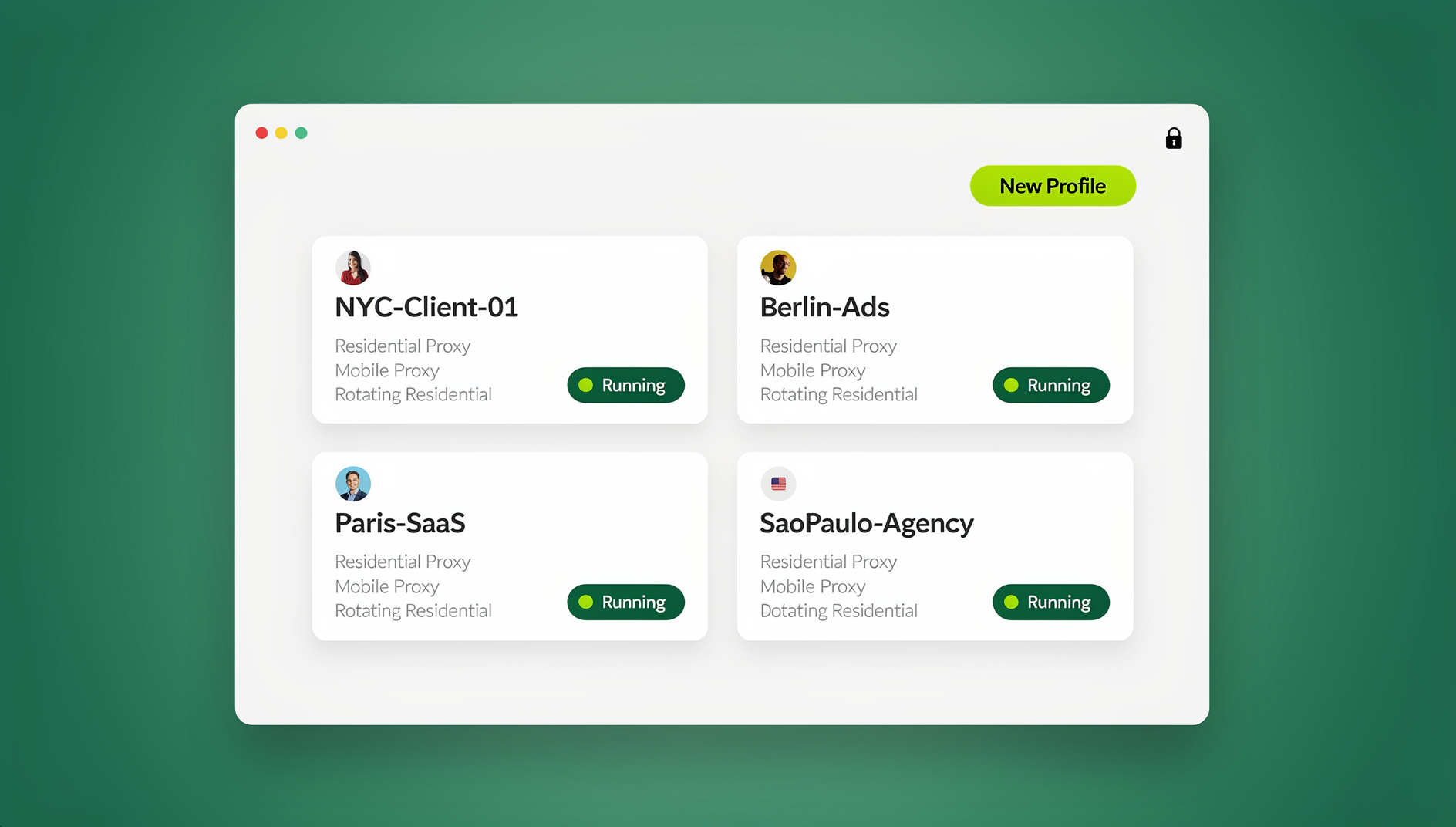
Managing several high-value portals simultaneously presents unique security challenges for both banks and their business clients. When logging into multiple administrative accounts on a single machine, standard web browsers often share session data, leading to re-authentication loops or account lockouts. Implementing a dedicated cookie management tool ensures that each account session operates in its own container. For business owners managing multiple web platforms, utilizing a secure Chrome multi-account workflow separates browsing sessions cleanly. This is particularly vital for digital marketers who rely on a secure browser for ads management to keep campaigns active, or e-commerce operators who must isolate their store environments when running multiple Amazon accounts to protect their brands from suspension flags.
The Evolution of Unified Banking Architecture
From Monolithic Subsystems to Middleware Integration
Historically, commercial banks operated on a product-centric model. The checking account system, the credit card system, and the mortgage system were completely independent databases, often running on legacy COBOL mainframes in different data centers. If a customer had checking, savings, and a mortgage, they effectively existed as three separate records in three different systems. There was no centralized view of the customer.
As digital banking emerged in the early 2000s, banks had to find a way to unify these products. Rewriting their core mainframe code was too risky and expensive, so they built integration layers—known as middleware. Middleware acts as a translator, querying each individual product database, translating the data into a common format, and presenting it to the front-end user interface. This allowed banks to preserve their stable core systems while delivering the modern, multi-product experience that customers demand.
The Impact of Open Banking and Standardized APIs
Open banking regulations have accelerated the transition toward unified multi-account management. By requiring banks to expose customer data securely through open APIs, regulations have allowed financial institutions to build aggregation dashboards. Today, a unified banking platform doesn’t just display accounts held within that bank; it can connect to external institutions, allowing customers to view their entire financial life—across checking, investments, and loans at multiple banks—in a single dashboard.
Core Architectural Components of Unified Banking Platforms
To understand how banks manage multiple accounts, we must examine the specific technical layers that orchestrate the flow of data:
1. Customer Information File (CIF) — The Core Identity Record
The Customer Information File (CIF) is the master database record that establishes a customer’s unique identity within the bank’s systems. Instead of using an account number as the primary identifier, modern banks use a customer ID. The CIF contains the customer’s personal information, tax ID, KYC verification status, risk profile, and—most importantly—a list of every account linked to that identity. When you log in, the platform queries the CIF to determine which accounts you are authorized to see and control.
2. The Core Banking System (CBS)
The Core Banking System is the transactional engine of the bank. It processes deposits, withdrawals, interest calculations, and fee assessments in real-time. Modern core banking software (such as Temenos, Mambu, or Thought Machine) is designed to be multi-product and cloud-native. This means checking, savings, and loan products live in the same database schema, making cross-product interactions simple, fast, and highly reliable.
3. API Gateways and Orchestration Layers
When you log into your banking app, the frontend sends a request to the API gateway. The API gateway is the traffic cop of the system; it authenticates the request, verifies permissions, and routes the query to the appropriate backend services. An orchestration layer then aggregates the responses. If you have checking, credit card, and mortgage accounts, the orchestrator queries all three databases concurrently, formats the data, and returns a single, unified response to your app.
| Architectural Component | Technical Role | Importance in Multi-Account Integration |
|---|---|---|
| Customer Information File (CIF) | Master customer registry | Links all distinct account ledgers to a single authenticated customer ID. |
| Core Banking System (CBS) | Transaction ledger engine | Handles the raw math (credits, debits, interest) for each individual account. |
| API Gateway | Request routing and security | Validates the user’s session and routes data requests safely between front-end and back-end. |
| Orchestration Layer | Data aggregation | Combines data from checking, credit, and loan databases into a single response. |
| Message Broker (Kafka) | Event streaming | Ensures real-time updates and synchronization across accounts when events occur. |
How Banks Secure and Isolate Accounts
Event-Driven Synchronizations and Atomic Transactions
One of the greatest technical challenges in managing multiple accounts is ensuring database consistency. If you transfer $500 from checking to savings, the bank must debit the checking account and credit the savings account. This transaction must be atomic: either both actions succeed, or both fail. If the checking debit succeeds but the savings credit fails due to a network glitch, the money vanishes. Banks use ACID-compliant databases and distributed transaction coordinators to guarantee that cross-account transfers are executed flawlessly.
Banks also utilize event-driven architectures built on technologies like Apache Kafka. When a deposit clears in your checking account, it triggers a “deposit cleared” event. The message broker broadcasts this event to other services, updating your available balance, sending a push notification, recalculating your daily budget, and triggering automated transfer rules (such as sweeping excess cash to savings).
Advanced Identity and Access Management (IAM)
Banks implement strict Identity and Access Management protocols to manage who can access which account. This is particularly complex for business accounts, where multiple employees need varying levels of access. A bookkeeper may need to view transactions on all accounts but create transfers on none, while a payroll manager needs to execute transfers only from the payroll account.
Banks enforce these rules using Role-Based Access Control (RBAC) and Attribute-Based Access Control (ABAC). These systems check the user’s permissions, device, location, and IP address before granting access to specific accounts. They also use step-up authentication, requiring a code or biometric scan before executing high-risk actions, such as adding a new bill pay recipient or initiating a wire transfer.
Session Isolation and Fraud Detection Engines
To prevent fraud, banks analyze account activity in real-time. If you are logged into your account on a mobile device in New York, and a login request for the same account is received from a desktop computer in London, the system will flag the session as fraudulent and terminate it. Banks track device fingerprints, cookies, IP addresses, and behavioral data to ensure that every active session is legitimate. This real-time analysis protects accounts from session hijacking and credential stuffing attacks.
Applying Banking Principles to Digital Account Management
The technical principles banks use to manage multiple accounts safely apply directly to business operations. If you are a digital marketer, developer, or e-commerce seller, you likely manage dozens of different online profiles across social media platforms, search engines, and merchant databases. Just like a bank, you need a system that offers:
- Centralized Access Control: A single secure portal where you can monitor and manage all your profiles without entering passwords repeatedly.
- Strict Session Isolation: Complete separation of cookies, local storage, and fingerprints for each tab, ensuring that platforms cannot link your profiles or track you across accounts.
- Secure Delegation: The ability to share specific profile access with team members or clients without sharing master passwords.
Instead of relying on basic web browsers that share session data, businesses should deploy dedicated, isolated workspace clients. These tools allow you to operate multiple accounts in independent, sandboxed containers, protecting your digital assets and optimizing your workflows.
🏆 Send.win Verdict
Banks rely on complex middleware and Customer Information Files to link and isolate multiple accounts safely under one login. The Sendwin Browser desktop client and cloud browser sessions apply these exact principles to your daily workflows, isolating your browser containers to let you manage multiple accounts without session conflicts. By providing secure sandbox environments, Send.win allows you to run multiple online platforms and bank accounts in parallel with the same level of security and convenience that modern digital banking platforms offer.
Try Send.win free today — secure all your financial dashboards with isolated browser sessions and a 30-day free trial.
The Future of Multi-Account Banking Platforms
As banking technology continues to advance, we can expect to see several exciting trends shape the future of multi-account management:
- Hyper-Personalized AI Treasury Management: AI agents will proactively manage your cash across multiple accounts, automatically moving idle funds to high-yield savings, paying bills on optimal dates, and optimizing tax allocations based on real-time revenue projections.
- Embedded Finance and Contextual Banking: Financial services will continue to embed directly into the business tools we use daily. Your project management app or e-commerce store will feature built-in, isolated banking accounts that automate accounting and payroll at the transaction level.
- Decentralized Financial Identity: Self-sovereign identity protocols will allow customers to link their accounts across completely different banks and financial institutions using a secure, blockchain-verified identity key, eliminating the need to log into multiple individual bank apps.
Frequently Asked Questions
How banks manage multiple accounts through one platform securely?
Banks manage multiple accounts through one platform securely by utilizing a master Customer Information File (CIF) that links all account numbers to a single authenticated customer ID. When a user logs in, the platform queries the CIF to display linked accounts, using secure API gateways, Role-Based Access Control, and real-time fraud detection engines to verify permissions and prevent unauthorized access.
What is a Customer Information File (CIF) in banking architecture?
A Customer Information File (CIF) is a centralized database record containing a customer’s personal data, KYC verification records, risk ratings, and a comprehensive mapping of all checking, savings, loan, and credit card accounts held under that customer’s identity, serving as the foundation for multi-account display and security.
How do microservices help banks manage multiple accounts?
Microservices allow banks to break down large, monolithic banking systems into small, independent services (such as account service, balance query service, and transaction service). These microservices run in parallel, communicate via secure APIs, and allow banks to update or scale individual account functions without disrupting the entire platform.
What is the difference between unified display and isolated data?
Unified display refers to the front-end user interface where multiple accounts are shown together for user convenience. Isolated data refers to the back-end database architecture, where checking, savings, and loan ledgers are kept completely separate to prevent data leaks and ensure compliance with different financial regulations.
How do banks prevent session cross-contamination in user portals?
Banks prevent session cross-contamination by implementing strict server-side session management, unique session tokens, and cryptographic verification for every transaction. They also track device signatures and IP addresses to ensure that each active connection remains isolated and is terminated immediately if any suspicious activity is detected.
Can I implement banking-grade multi-account isolation in my business?
Yes, you can implement banking-grade session isolation for your business web profiles by using a dedicated sandbox tool like the Sendwin Browser. This desktop client separates cookies, local storage, and browser fingerprints for each tab, allowing you to manage multiple online storefronts or financial portals simultaneously without cross-contamination.
Why do banks require step-up authentication for specific transactions?
Banks require step-up authentication (such as sending a secure code or requesting a biometric scan) during a session if a user attempts a high-risk transaction, such as transferring funds to a new external account or changing account settings. This verification protects the account even if the user’s initial login session was compromised.